The Architecture of the Skirt
A steel frame that made woman the most conspicuous object in the city, a danger to herself and a favourite target of caricaturists: the story of the crinoline.
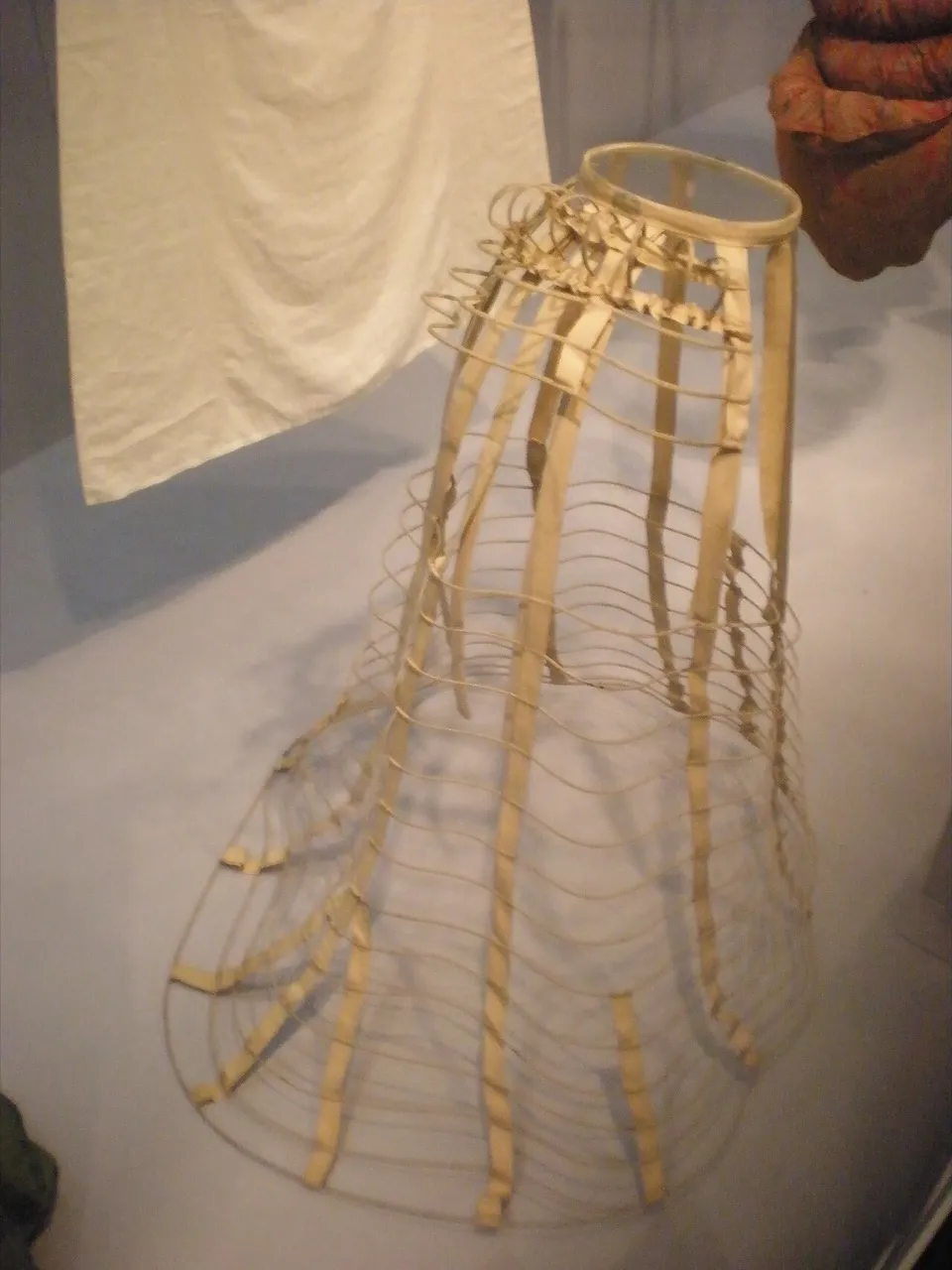
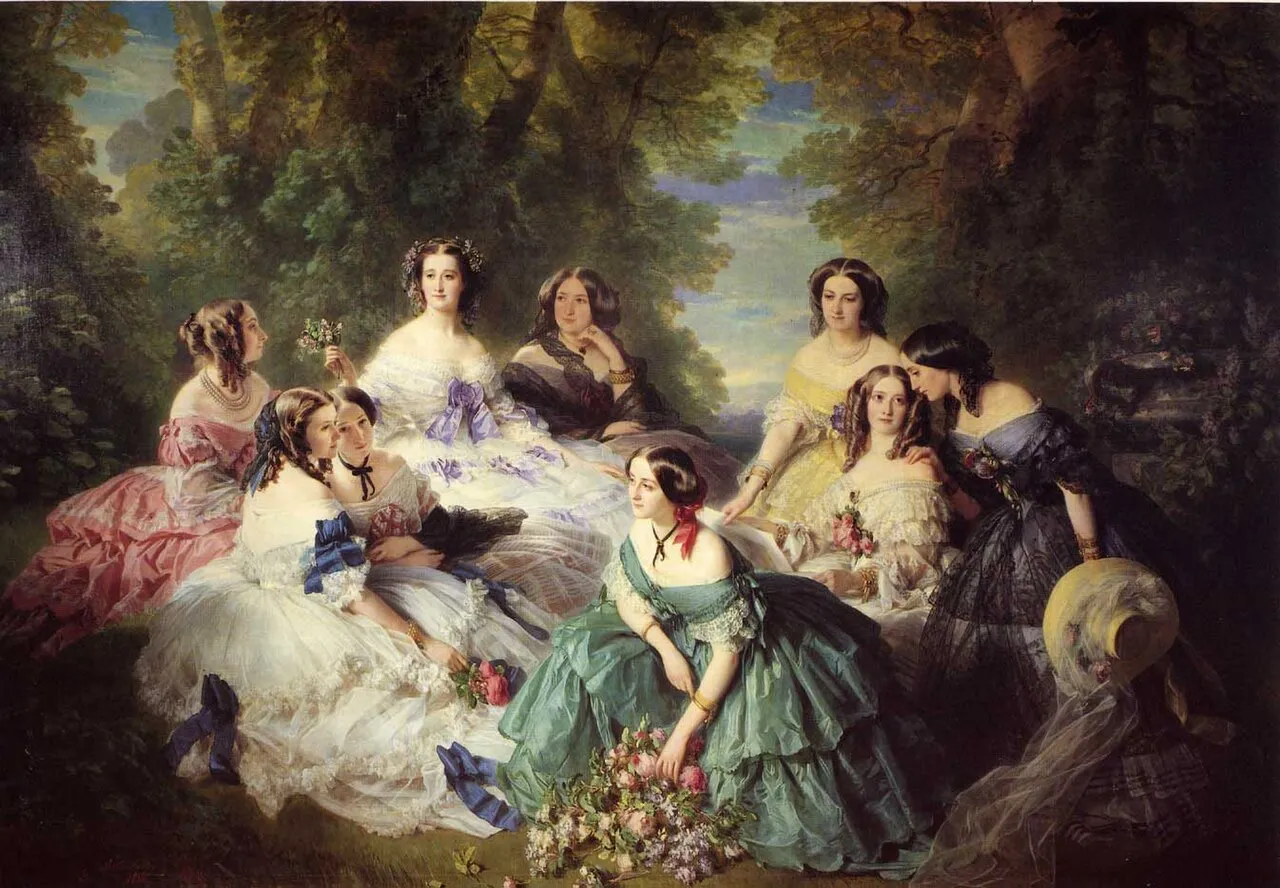
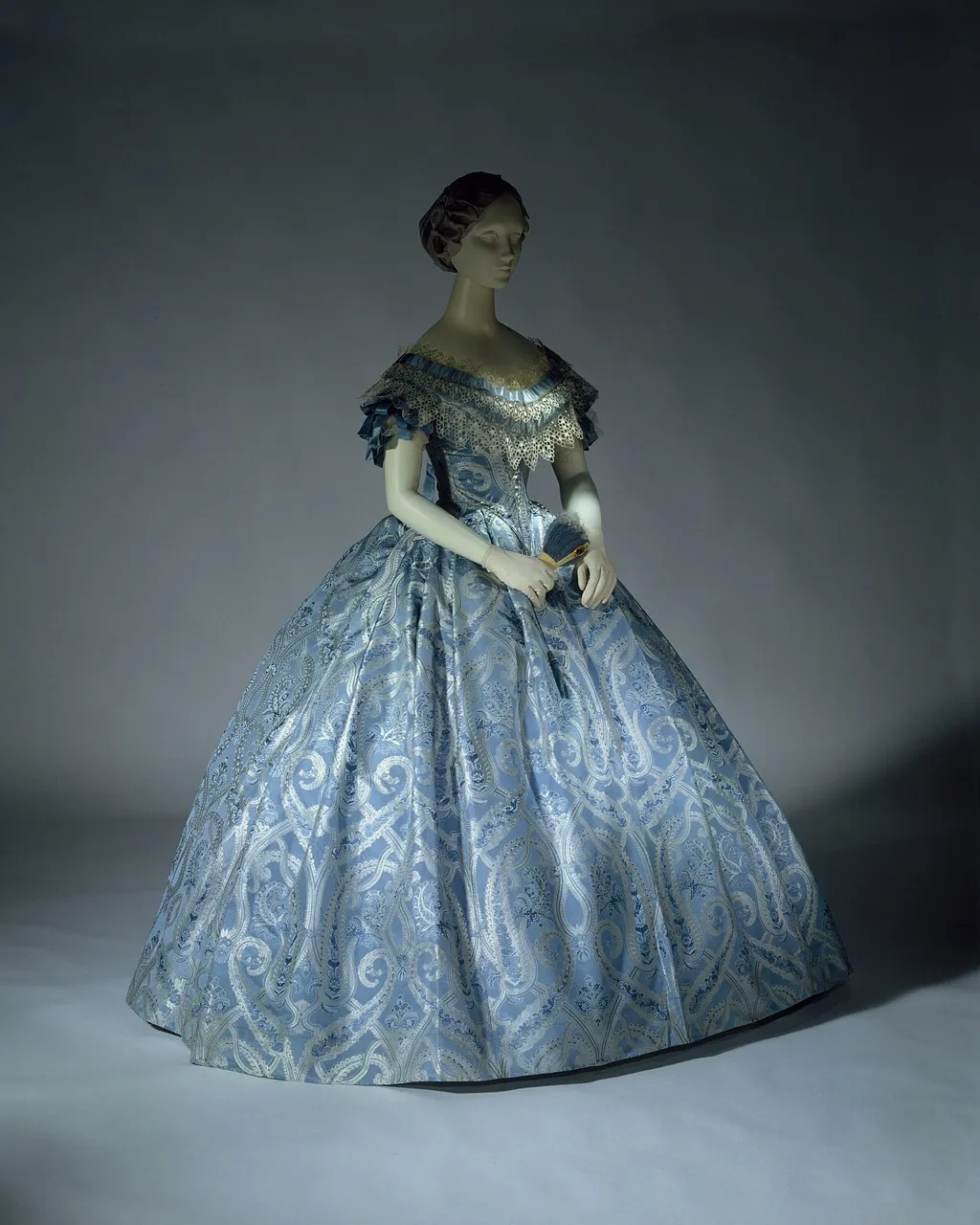
Voluminous skirts are appearing again on runways and red carpets, and each time fashion seems to ask: how much room is a person entitled to take up? In the mid-nineteenth century the answer was: a great deal. A fashionable woman’s skirt of the 1860s could measure several metres around, and beneath it hid a construction worthy of an engineer: flexible steel hoops on tapes. The crinoline was at once a technological marvel, a status symbol, a source of endless jokes and a real danger. Its story is the story of what happens when industry, fashion and the city collide as women’s clothing literally stops fitting through the doorway.
From Horsehair to Steel
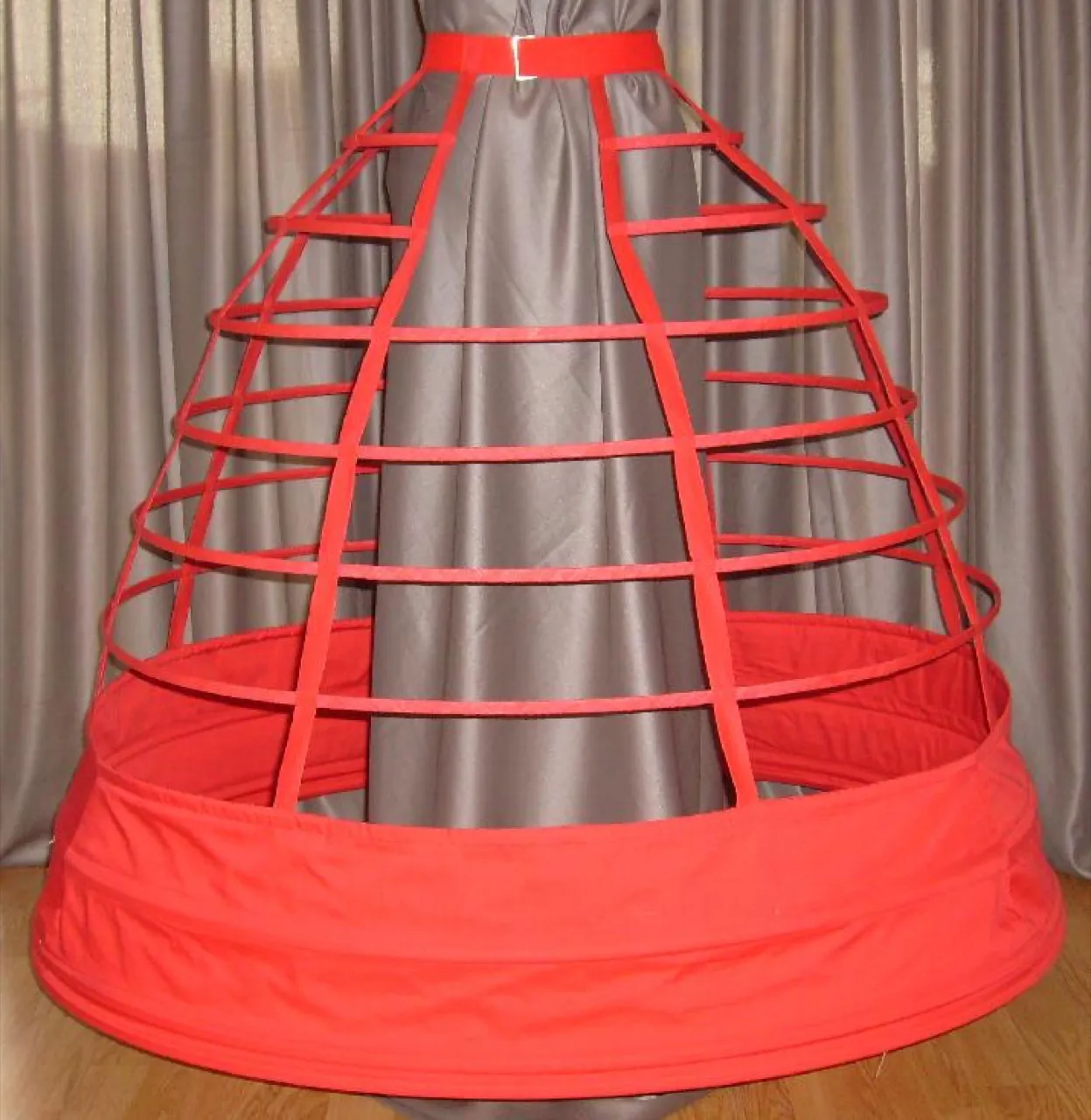
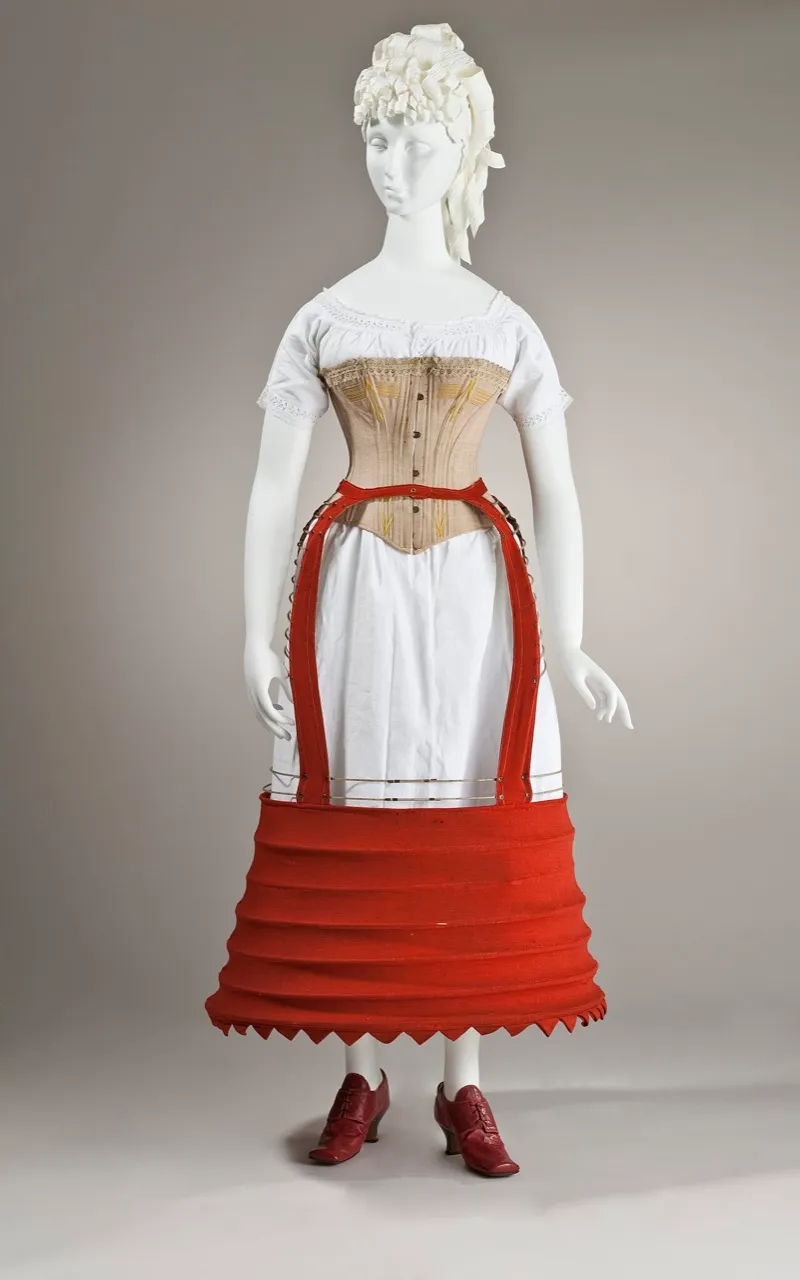
The word “crinoline” comes from the French crin, horsehair, and lin, linen. At first it named the stiff fabric used for petticoats to give a dress volume. But to make a skirt stand like a bell, five or six petticoats had to be worn, and all of it weighed a good deal. In the mid-1850s an ingenious replacement appeared: a light frame of springy steel hoops. It gave enormous volume without weight and freed the legs. Factories in Europe and America turned out millions of such frames, and steel for crinolines became a notable branch of production. Women welcomed the novelty as a relief, and skirts began growing at breakneck speed.
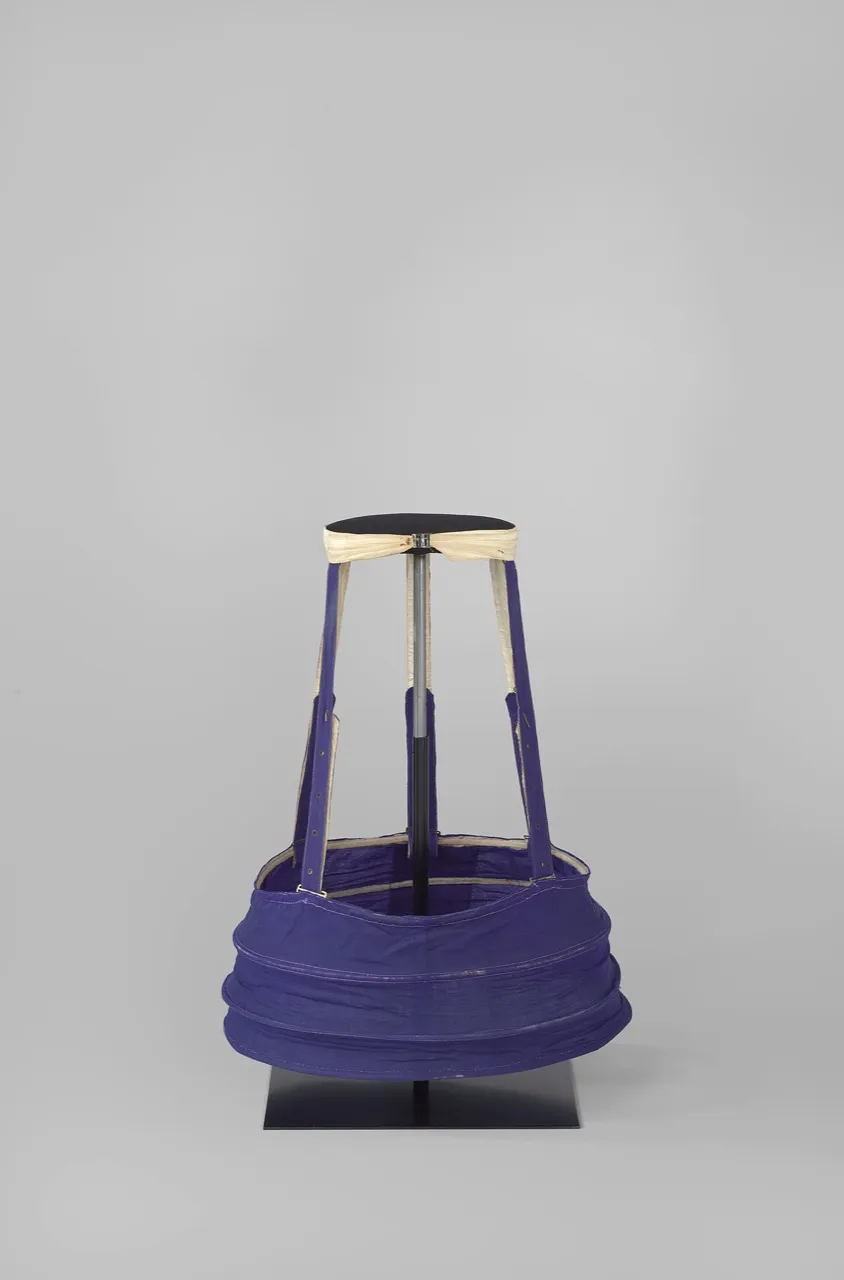
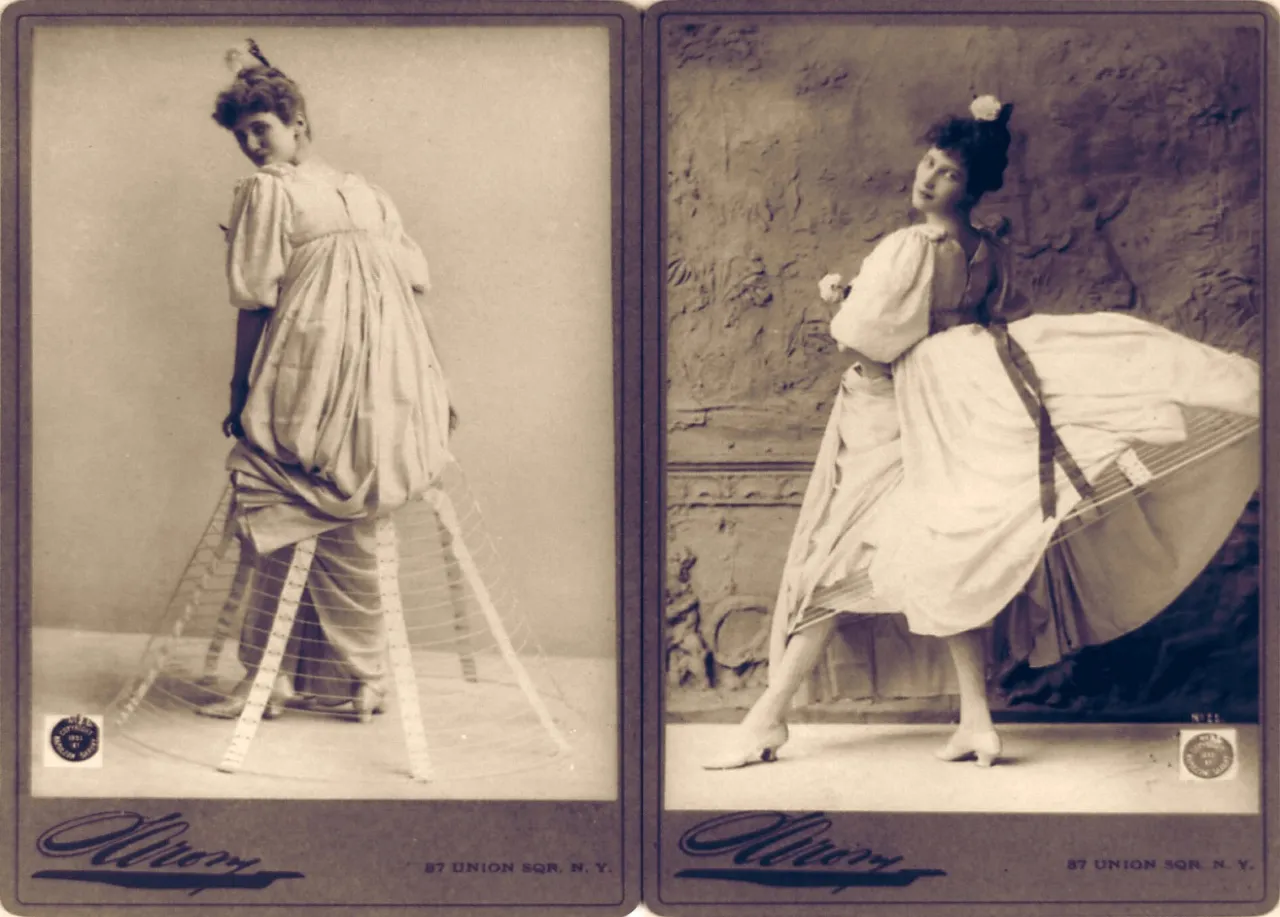
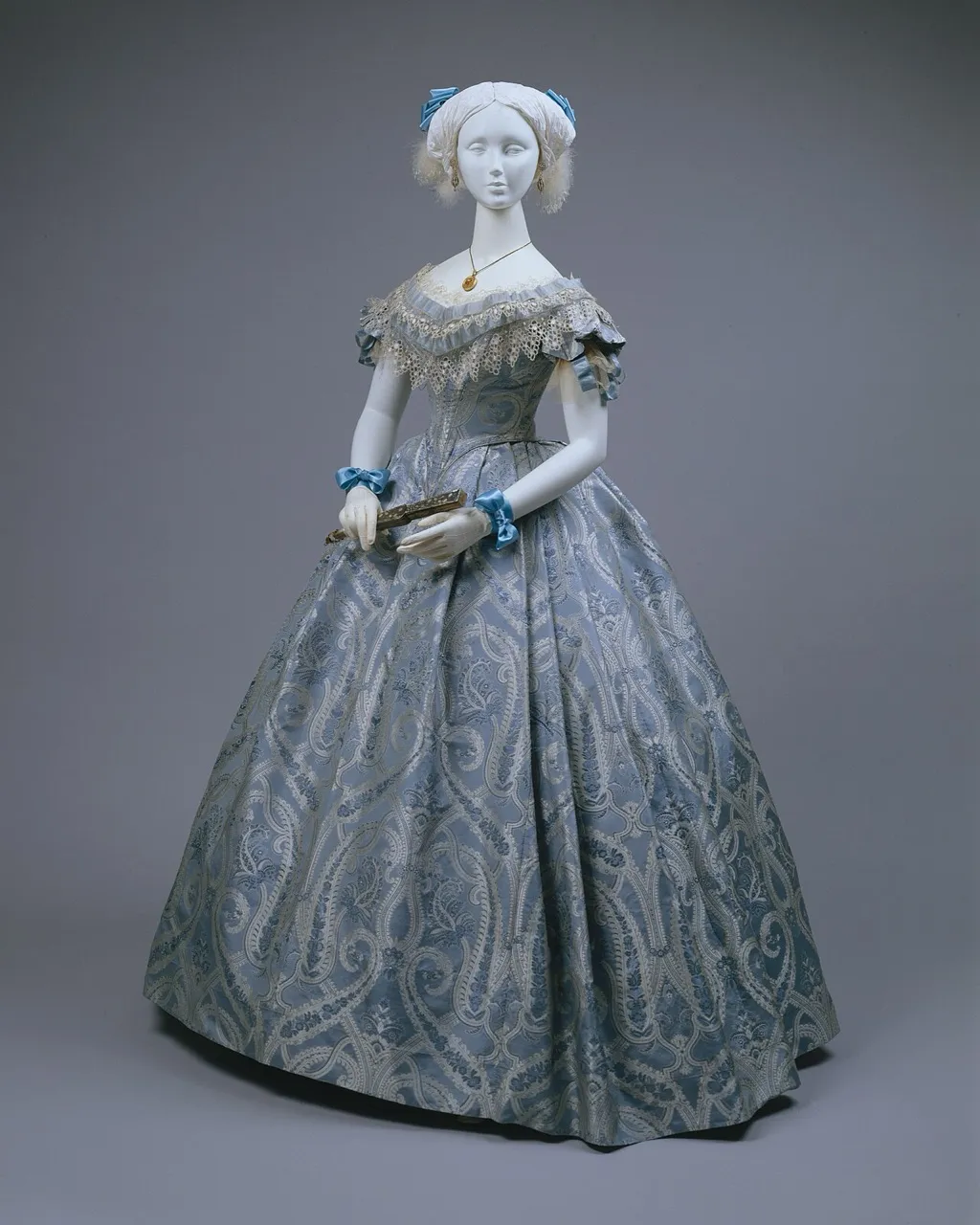
The crinoline in detail
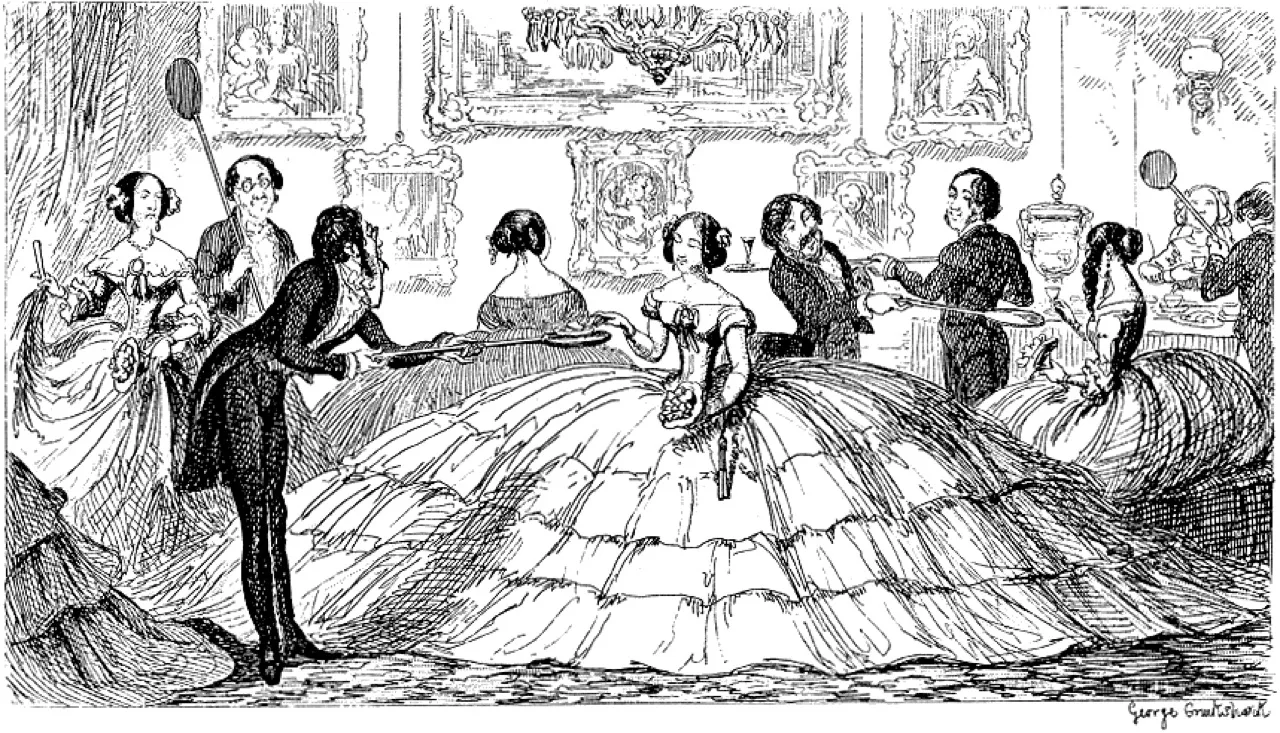
The crinoline became the symbol of its age, and its chief target. Satirical magazines, above all London’s Punch, drew women for years who could not get through a door, swept crockery away with their skirts, got stuck in carriages or floated above the ground like balloons. Men in these cartoons stand helplessly to one side. People laughed at the crinoline, but behind the jokes lay a real fear: a woman in an enormous skirt took up space that had once belonged to men, on the omnibus, on the pavement, in the drawing room. A fashionable object became a pretext for arguments about propriety, economy and even morals.
The Crinoline: The Essentials
Name: from the French crin (horsehair) and lin (linen)
1850s: the lightweight steel frame appears
Peak size: the early 1860s
Late 1860s: the volume moves to the back, and the age of the bustle begins
Dangerous Beauty
The crinoline had a grim side too. Light fabrics such as muslin and tarlatan, stretched over a wide frame, flared up from a fireplace, a candle or a gas jet, and in an enormous skirt it was impossible to put out the fire quickly or to get out of a crowd. Newspapers of the time constantly reported tragedies. In 1861 Fanny Appleton Longfellow, wife of the American poet Henry Longfellow, died of burns when her dress caught fire at home. The most terrible was the 1863 disaster at the Church of the Company of Jesus in Santiago: thousands of worshippers died in the fire, and contemporaries wrote that wide skirts had prevented people from escaping. A fashion for fire-retardant treatments for fabrics emerged as a direct response.
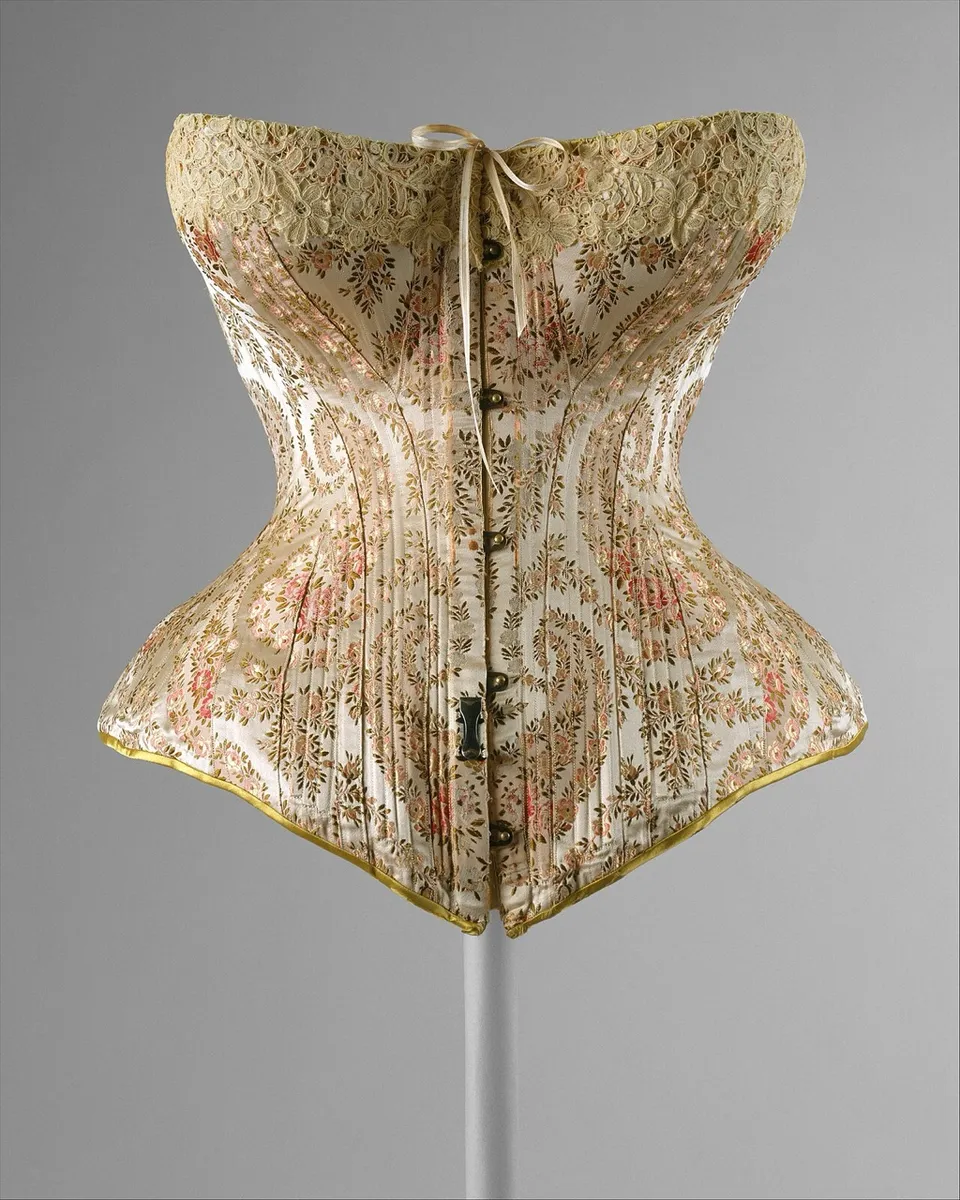
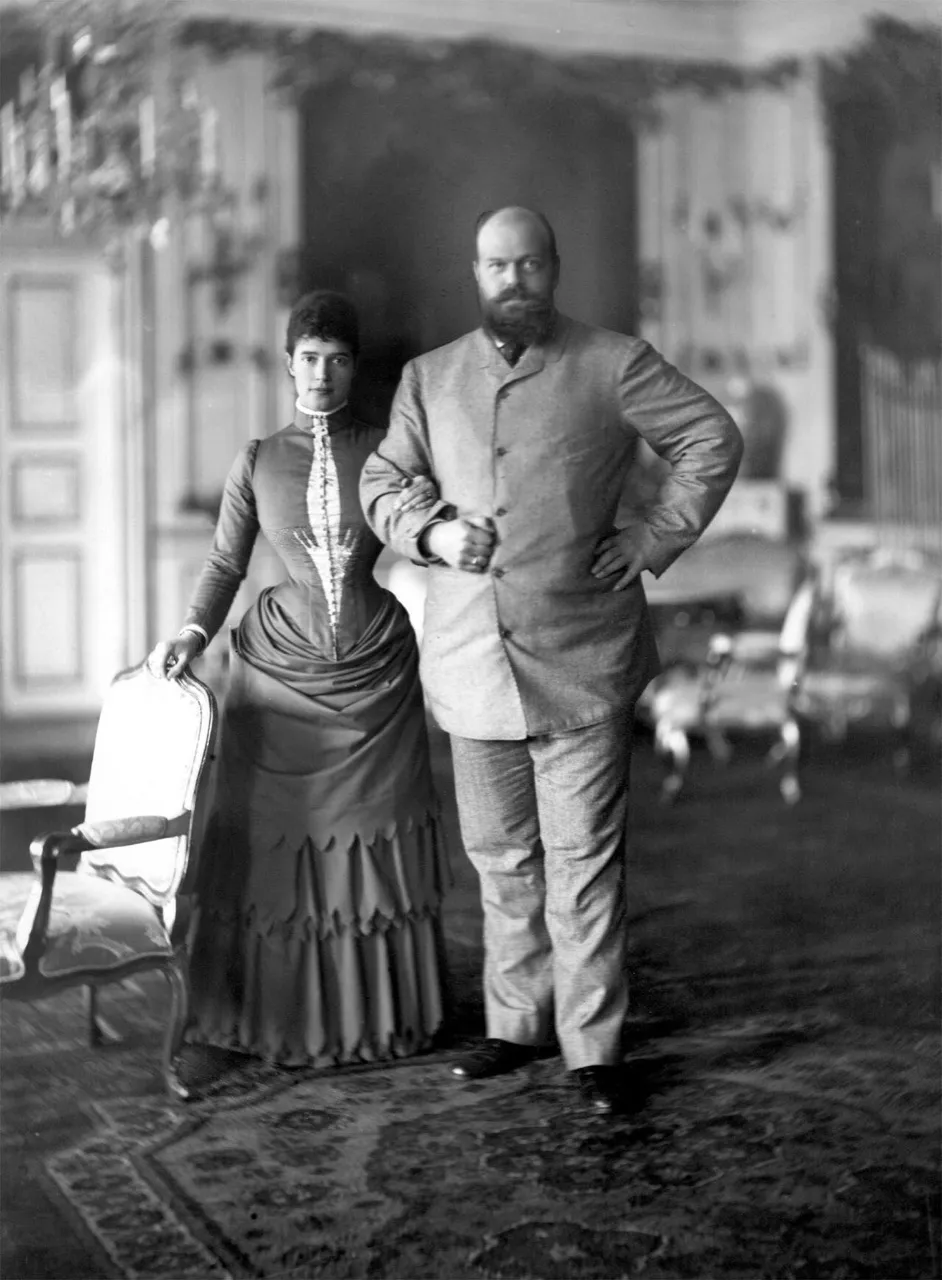
Like any extreme in fashion, the crinoline vanished not because of bans but because people tired of it. In the late 1860s the volume began shifting to the back: first the skirt went flat at the front, then all the “excess” moved to the rear, and so the bustle was born. Designers, including Charles Frederick Worth, actively promoted the new silhouette. The bustle in turn went through several stages and by the 1890s had almost disappeared. But the engineering idea remained: a frame that sets the shape regardless of the body is still seen in wedding dresses, runway experiments and theatrical costume.
The crinoline proved a simple thing: the size of clothing is always a question about how much space society is prepared to give a person.
Volume Returns
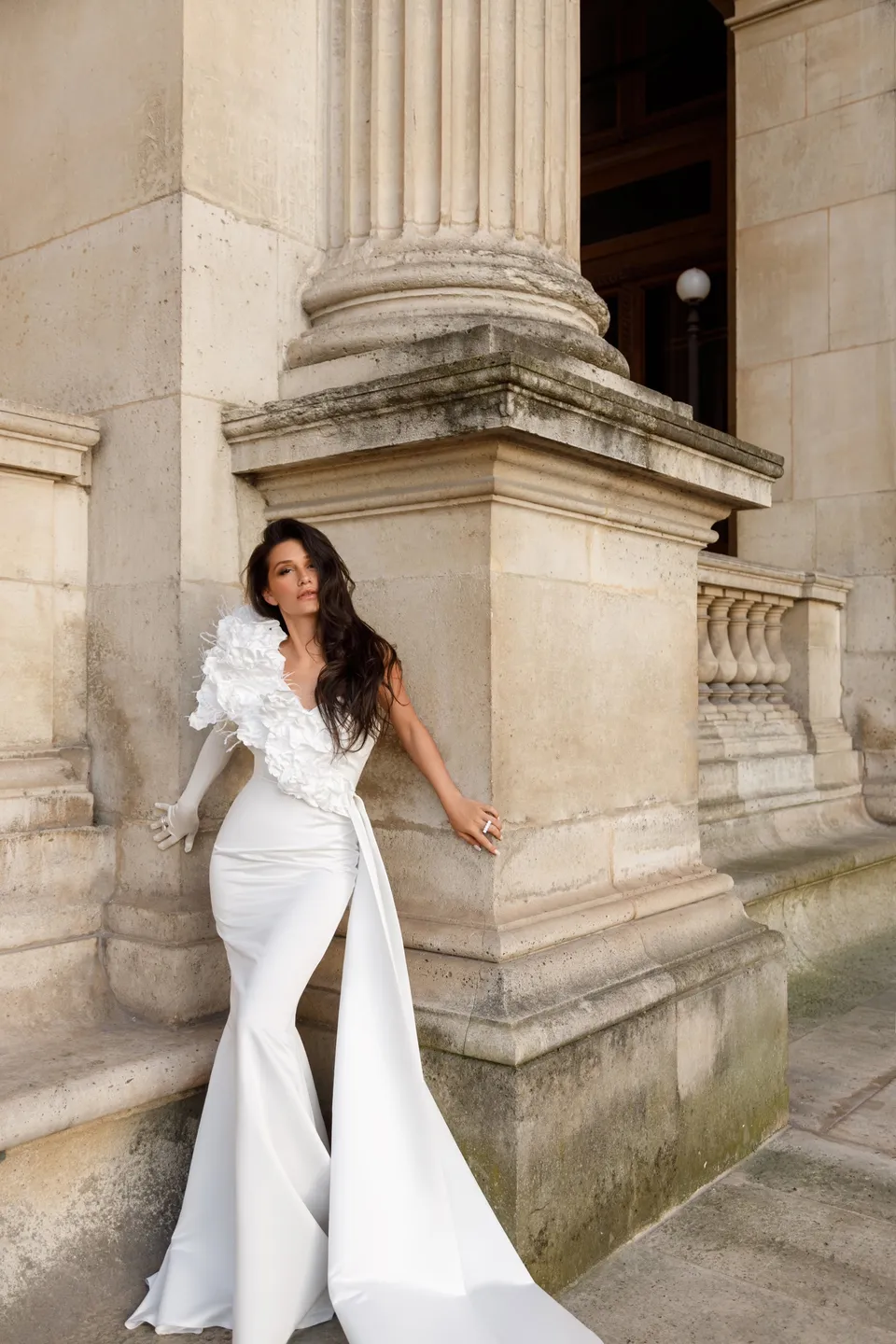
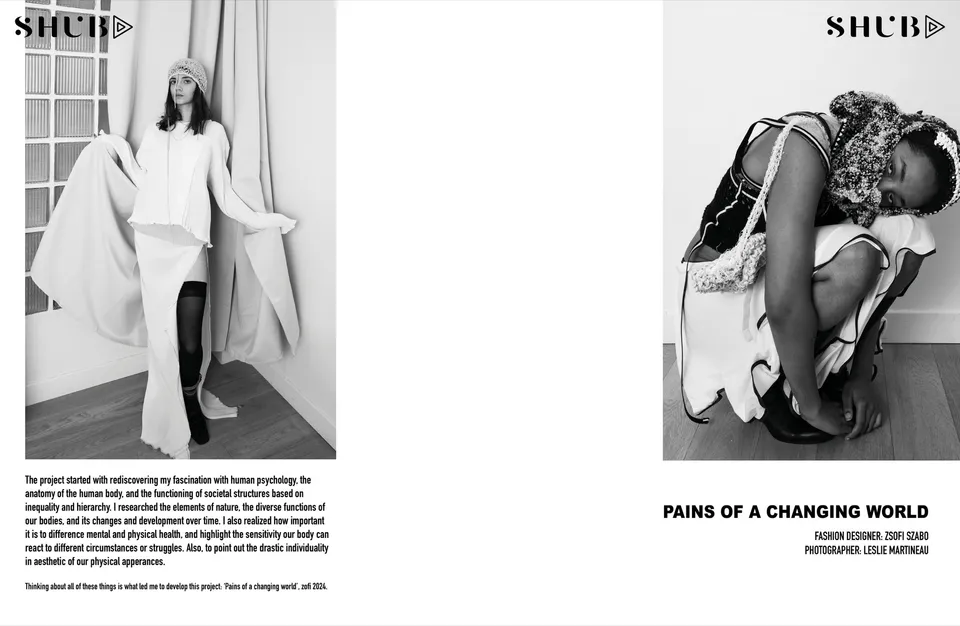
Today volume lives in fashion as a statement. Designers build tulle cloud skirts, sculptural dresses and cage structures that cannot be worn on the Tube, and that is precisely the point. Such pieces make a person conspicuous, make those around them step aside and turn an entrance into an event. Historians see in this a direct echo of the 1860s: then too the crinoline was a way of taking up space, in both the literal and the figurative sense. The difference is that modern materials are lighter and safer and do not flare up from a candle, and the voluminous skirt has become a choice rather than a mandatory norm of propriety.
After the crinoline
The crinoline can be seen as a ridiculous relic, yet it contains a surprising amount that is modern. Mass industrial production that made a fashionable object affordable. Media that turned it into a meme. Arguments about safety, about gender, about the right to space. And finally the natural end of a trend, when an object becomes too conspicuous and everyone starts waiting for something new. If this season you see a skirt that does not fit in the frame, remember the steel hoops of the 1860s: fashion is once again testing how far shape can go.