Fashion in the Trenches
The trench coat, the cardigan, the balaclava, khaki and women’s trousers: wars left us half of the city wardrobe. How the army and wartime economy cut the fashions of the twentieth century.
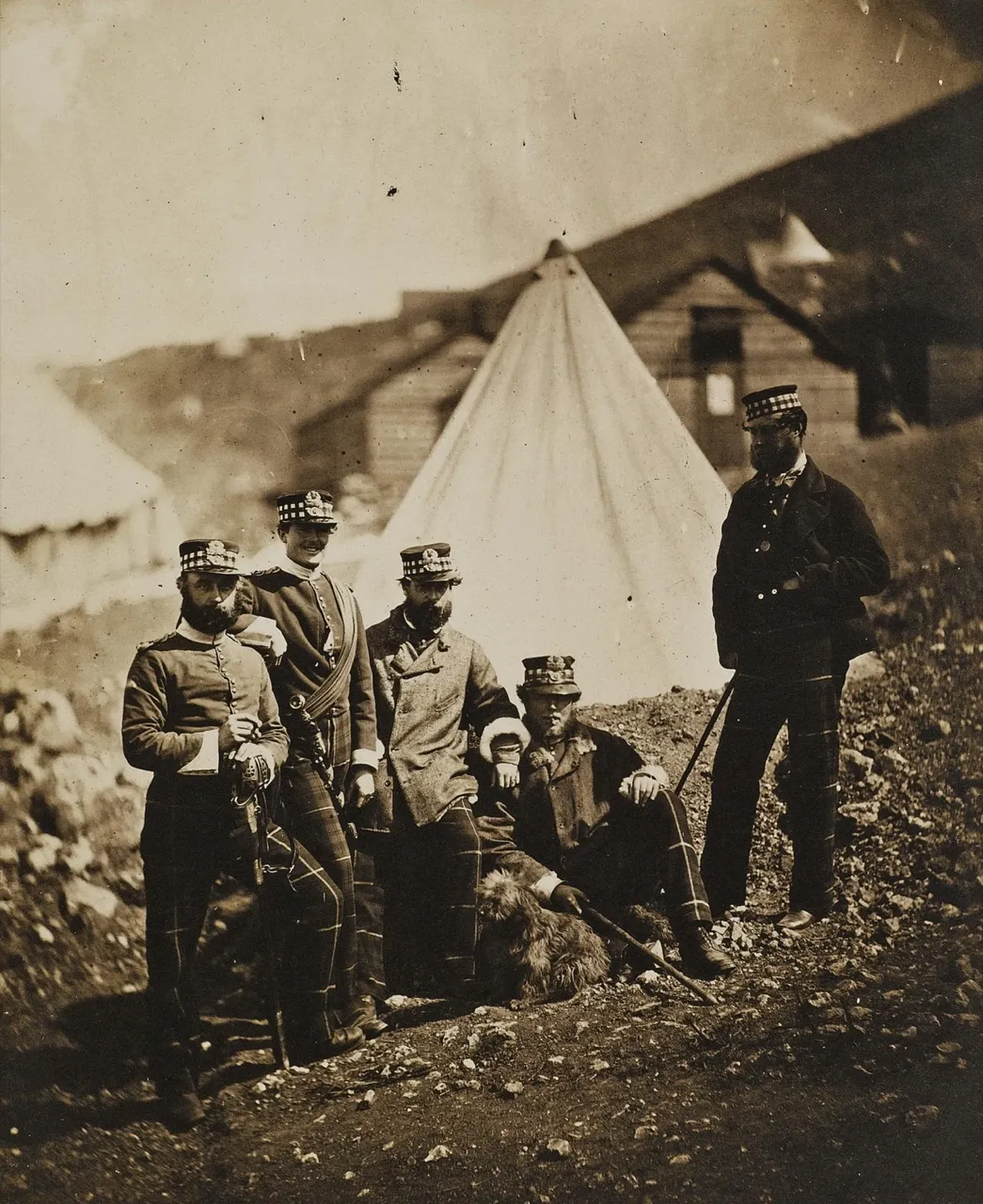
Military aesthetics never leave fashion for long: cargo pockets, bombers, greatcoat cut and camouflage return to collections every few seasons. But look closely and our wardrobe is quite literally assembled from the legacy of wars. The trench coat, the cardigan, the balaclava, the colour khaki, the wristwatch, trousers on women: all of this appeared or became mass-market thanks to armies and wartime economies. This is not a romanticisation of war but rather a reminder: clothing changes fastest when life puts people in extreme conditions. Comfort, practicality and thrift, born in the trenches and in factories, later became the fashion of peacetime.
Names on the Labels
Some garments still carry the names of wars and generals. The cardigan is named after the Earl of Cardigan, a British commander of the Crimean War: the buttoned knitted jacket worn by officers became popular after it. The balaclava, a knitted helmet covering the head and neck, takes its name from the town of Balaklava near Sevastopol, where British soldiers froze in the winter of 1854–1855. The raglan sleeve owes its name to Lord Raglan, who commanded British forces in the same campaign. So the Crimean War gave fashion a whole capsule: a knitted jacket, a cap and a particular cut of sleeve.
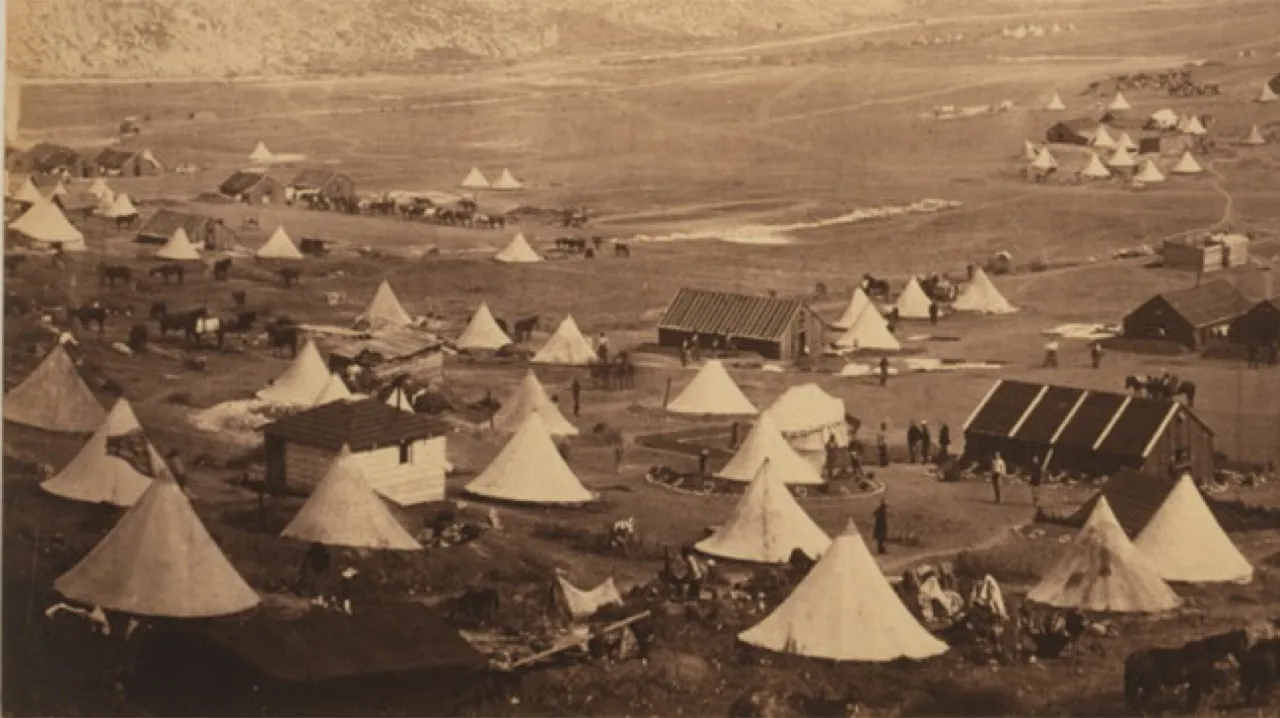
The legacy of the Crimean War
Khaki also comes from the army. The word came from Urdu and means “dust-coloured.” In the nineteenth century British units in India began dyeing their uniforms a dusty colour to be less conspicuous, and by the turn of the century khaki had become the standard of many armies. The main gift of the First World War, though, was the trench coat. Raincoats made of waterproof gabardine, a cloth Thomas Burberry devised in 1879, and of fabrics from his competitor Aquascutum were worn by British officers in the trenches. Epaulettes, belt, double-breasted fastening, a yoke across the back: everything was functional. The legend that the metal rings on the belt were meant for grenades is popular, but historians consider it more myth than fact.
Words Left by War
Cardigan: the Earl of Cardigan, the Crimean War
Balaclava: a town in the Crimea, winter 1854–1855
Raglan: Lord Raglan, commander of the British army
Khaki: “dust-coloured” (Urdu), the uniform of British units in India
Trench coat: from “trench”, the trenches of the First World War
Women Put On Trousers
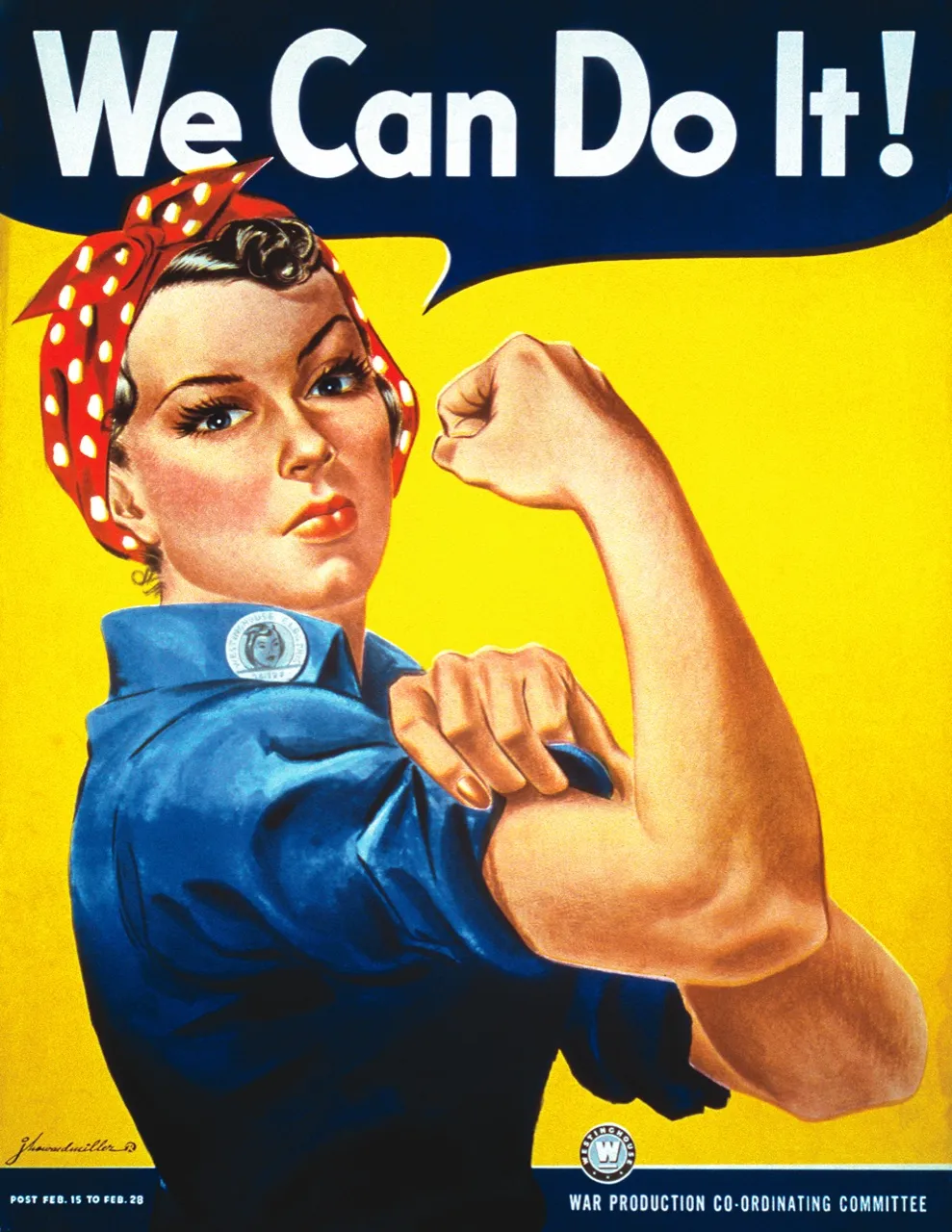
The First World War changed the women’s wardrobe too. Men went to the front, women went to factories, hospitals and transport, and long skirts and corsets simply became impractical. Work overalls, shortened skirts and practical suits appeared. In the Second World War the process accelerated: trousers on a woman stopped being a challenge, because millions worked in them. The American poster of a woman worker in a red bandana flexing her biceps under the words We Can Do It!, drawn in 1943 for internal use in factories, later became one of the most recognisable symbols of women’s strength.
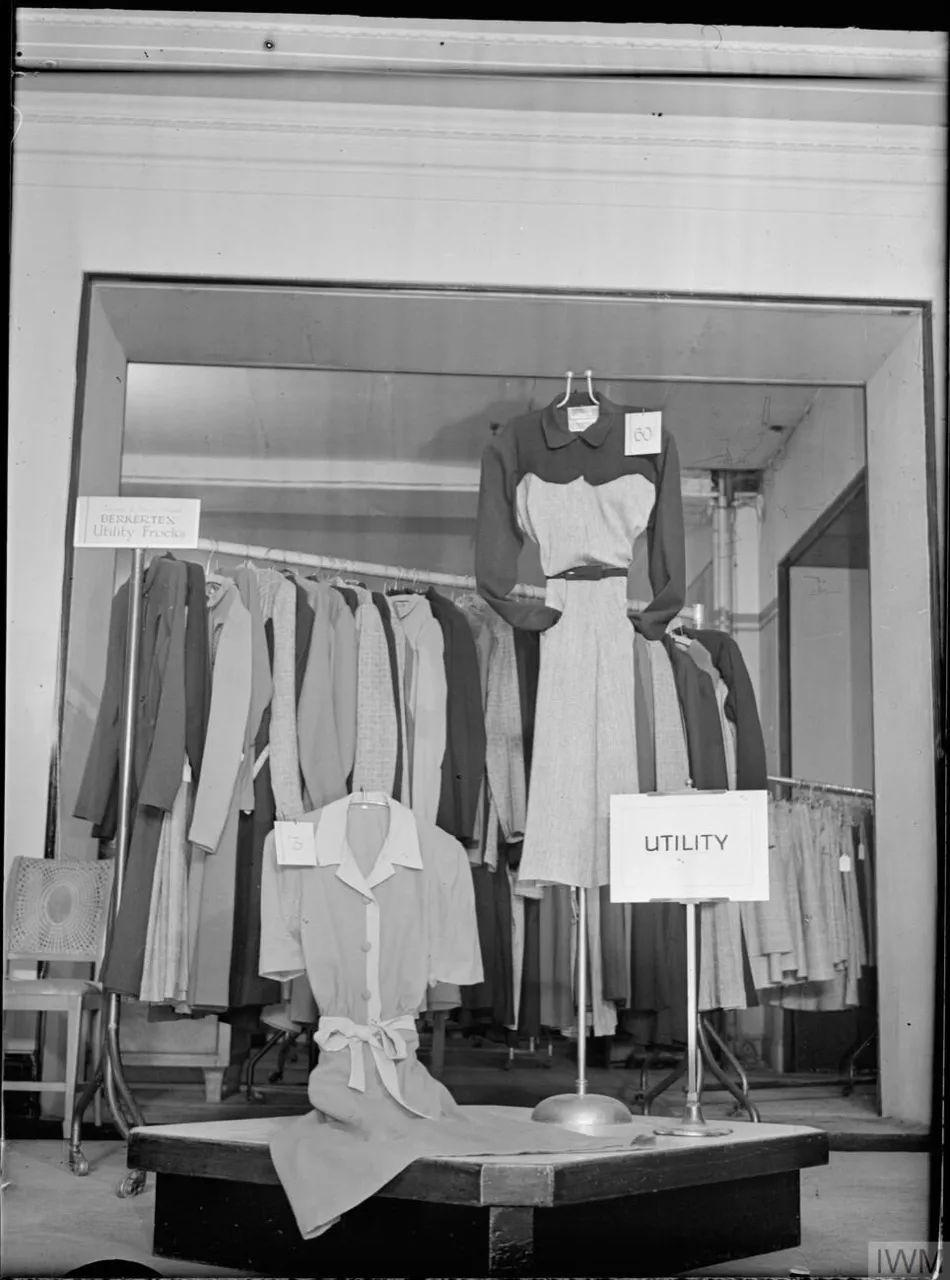
Wartime economy dictated fashion no less than the front. In Britain clothing coupons were introduced in 1941, followed by the Utility Clothing scheme with its CC41 mark: simple silhouettes, a minimum of cloth, limits on the number of buttons, pleats and pockets. The state issued booklets in the spirit of “Make Do and Mend.” In the United States restrictions on fabric consumption shortened skirts and removed extra detail. Nylon went to parachutes and stockings became scarce, so women drew a seam down the back of their legs with a pencil. The minimalism that looks like an aesthetic choice today was then a matter of survival.
Each time, war stripped away everything superfluous from clothing, and the world then decided which of what was left to call fashion.
Why Military Style Never Goes Away
After the wars, much of the army wardrobe passed into civilian life. Demobilised soldiers wore out their greatcoats and pea coats, army surplus was sold cheaply, and students and artists wore it as protest or as a convenient uniform. The pea coat, the bomber jacket, cargo trousers, the M-65 parka: all of these travelled from the depot to the runway. Designers love military style because the clothes are honest: every detail was once needed. In 2026, when talk of functional and durable clothing is louder than ever, the army logic of “nothing superfluous” is trending again, though without a war behind it.
Peacetime fashion born of war
The history of the wartime wardrobe is the story of how necessity becomes style. No one designed the trench coat as a fashion object, no one planned for trousers to become the norm for women, and no one thought that utilitarian restrictions would teach a whole generation to value simple shapes. But that is just how it happens: first clothes answer difficult circumstances, and then, when the circumstances pass, we go on wearing those things, now out of love. It is worth remembering this if only to see in every button and epaulette not just decoration but history.