The Fashion Plate
Before photography, magazines and social media, fashion was dictated by hand-coloured engravings. A timeline of the genre that invented the fashion feed two hundred years before the smartphone.
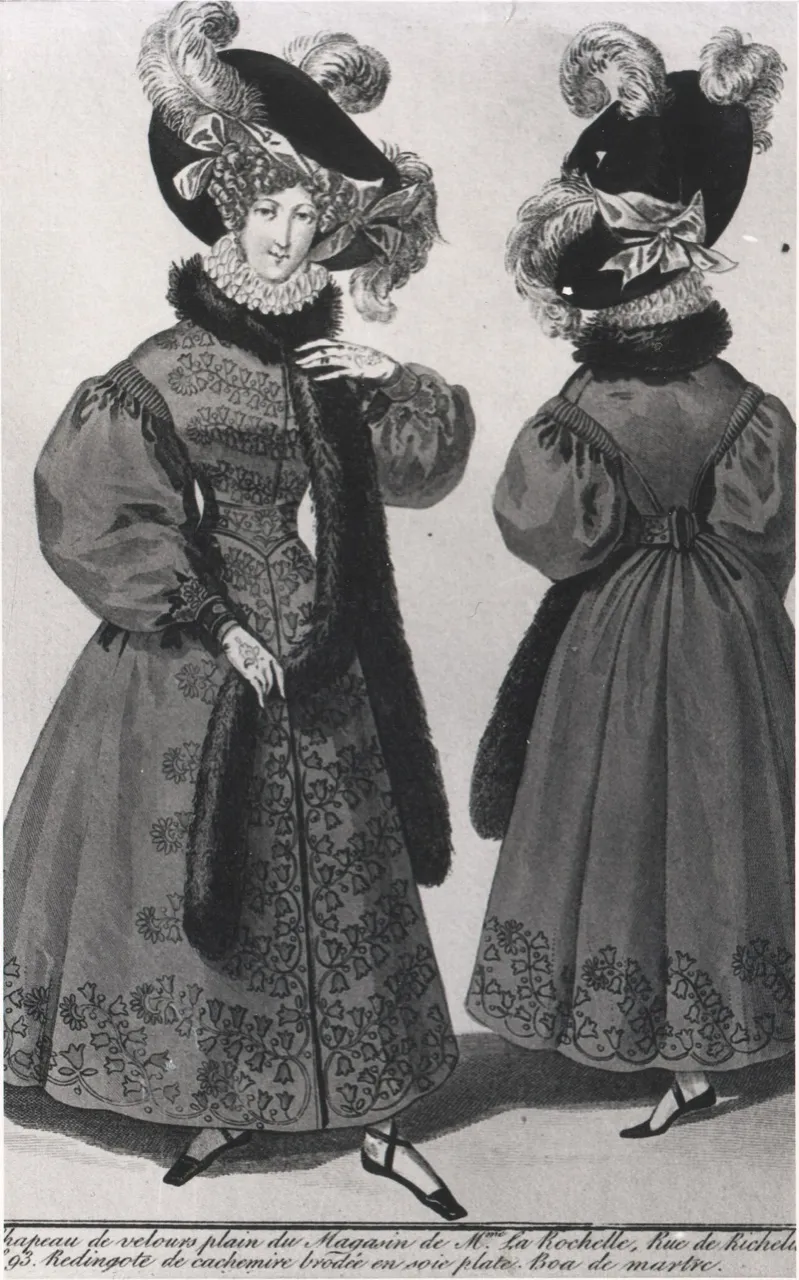
We are used to learning about fashion from a feed: a picture, a caption, a few seconds of attention, and a new look is already in your head. It seems like an invention of our time. But in the late eighteenth century, in Paris, London and the German city of Weimar, people waited for new “posts” in exactly the same way, only printed ones. Fashion plates, coloured by hand, showed what was worn at court and on the boulevards, and spread across Europe faster than the dresses themselves. They were collected, copied by tailors, pasted into albums. In 2026, when fashion illustration is enjoying a revival and neural networks draw “looks” in seconds, it is a good moment to recall where it all began. Here is a timeline of the fashion plate.
1778. The Gallery of Fashion
One of the first big series of fashion plates was the Parisian Galerie des Modes et Costumes Français, which began appearing in 1778. Artists drew ladies and gentlemen in the latest outfits, with hairstyles and accessories, and captions explained the details. This was not merely art but instruction: dressmakers in the provinces and abroad received a precise idea of what the latest Paris look was. The engravings were coloured by hand, and each was a small work of art. Today these sheets are kept in the world’s great museums and libraries and remain an invaluable source for costume historians.
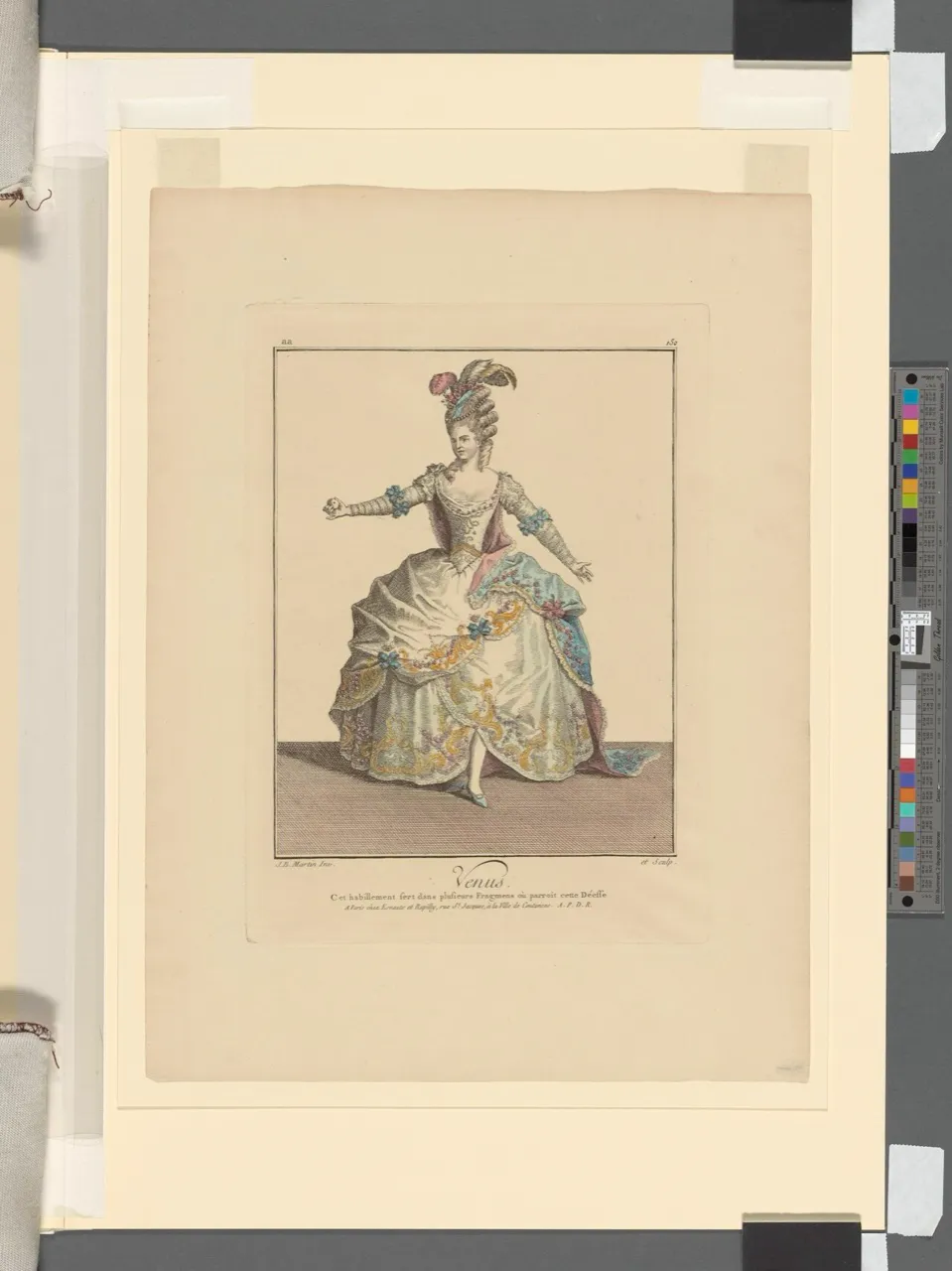
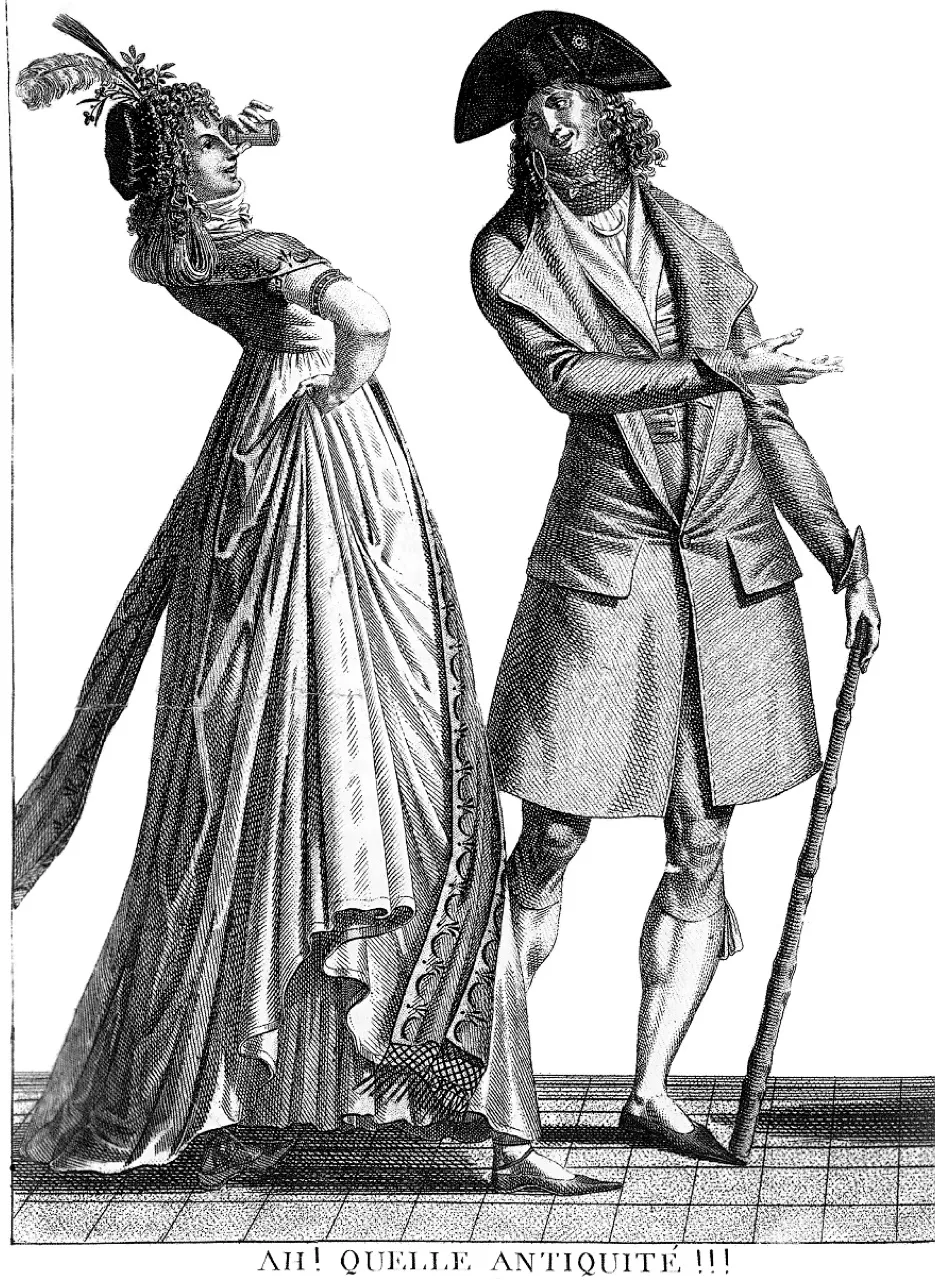
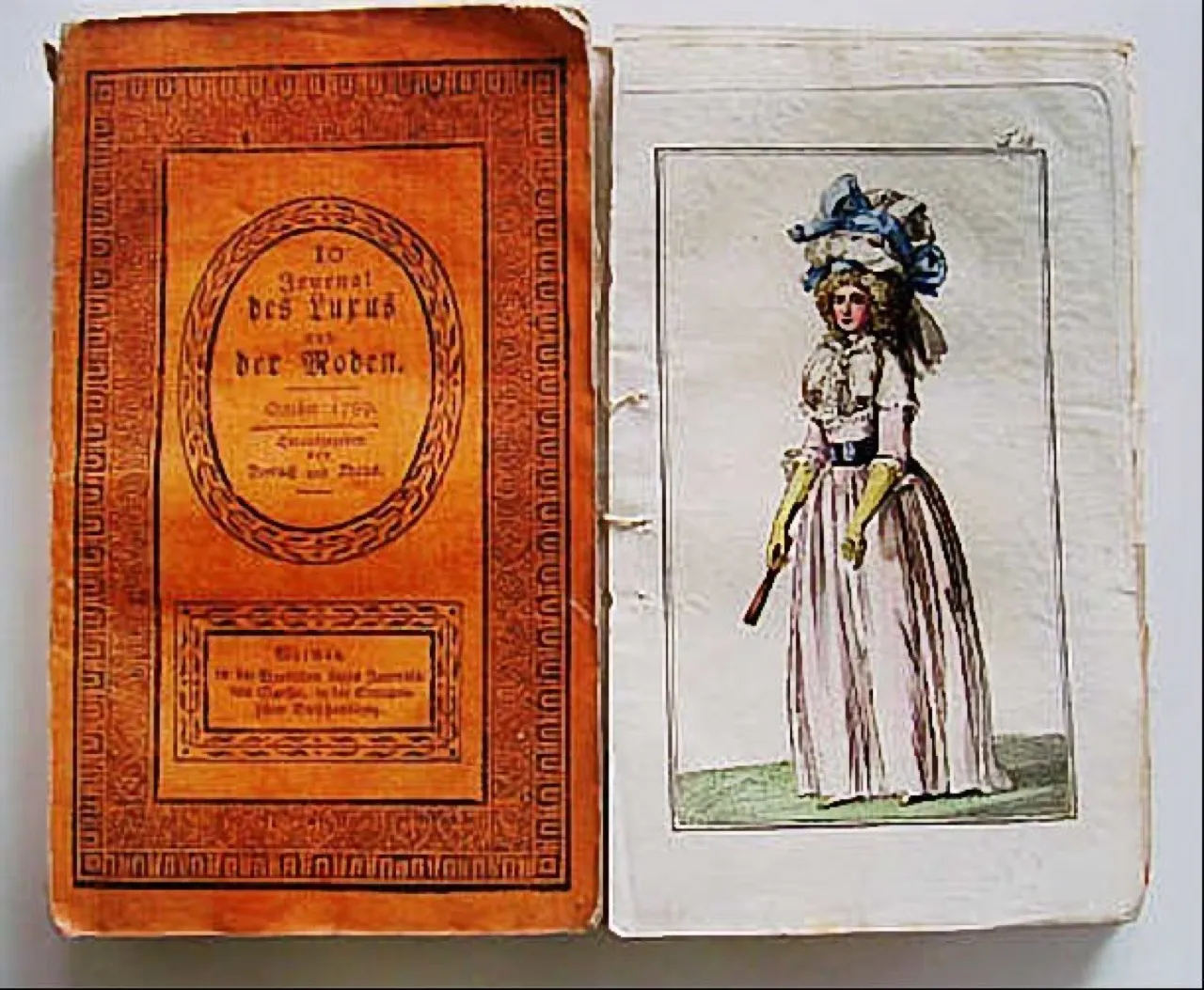
The first fashion “posts”
1786–1830. Magazines with Pictures
The next step was the periodical. From 1786 the Journal des Luxus und der Moden appeared in Weimar, in London there were magazines for ladies such as La Belle Assemblée, and in Paris numerous fashion bulletins. Each issue came with engravings, and readers waited for them as we wait for new collections. In America, Godey’s Lady’s Book appeared from 1830, a magazine whose coloured plates were used as patterns by hundreds of thousands of readers. These engravings were coloured mostly by hand, often by women colourists: whole workshops employed workers who, following a model, filled thousands of impressions with colour.
The Fashion Plate: How It Was Made
The artist drew the look, and the engraver transferred it to a copper plate
The print run was printed in black and white
Colourists hand-coloured every sheet to a model
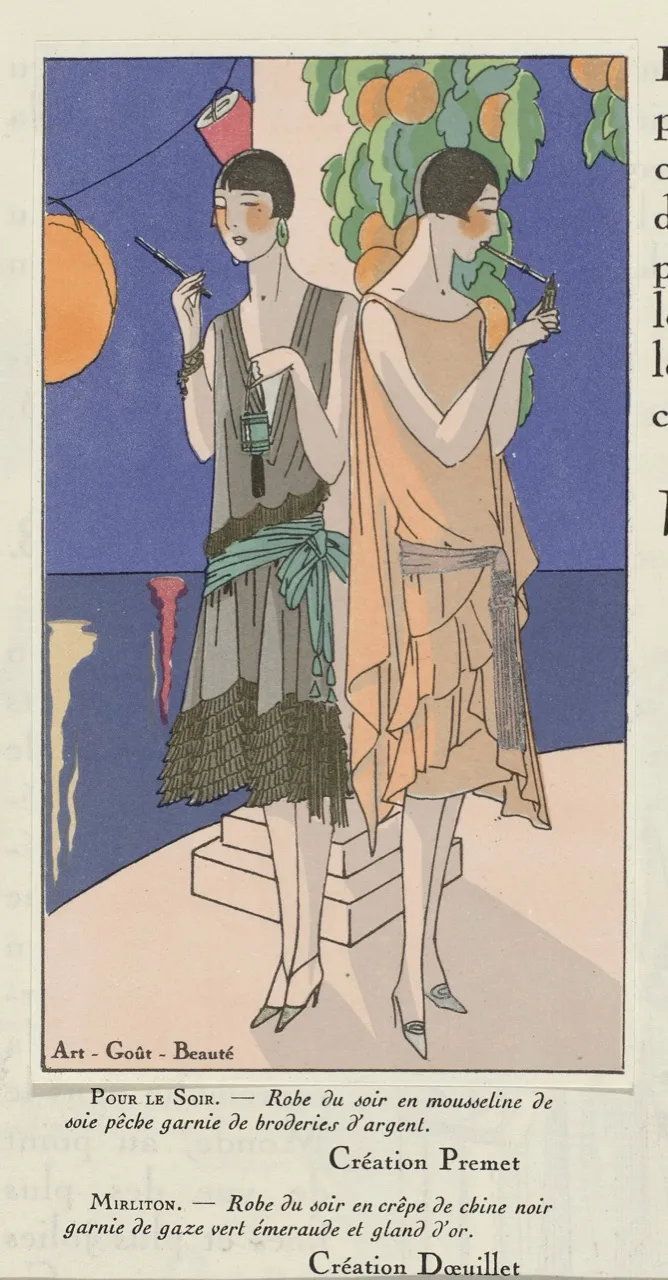
In the early twentieth century the pochoir technique, colouring through stencils, became popular
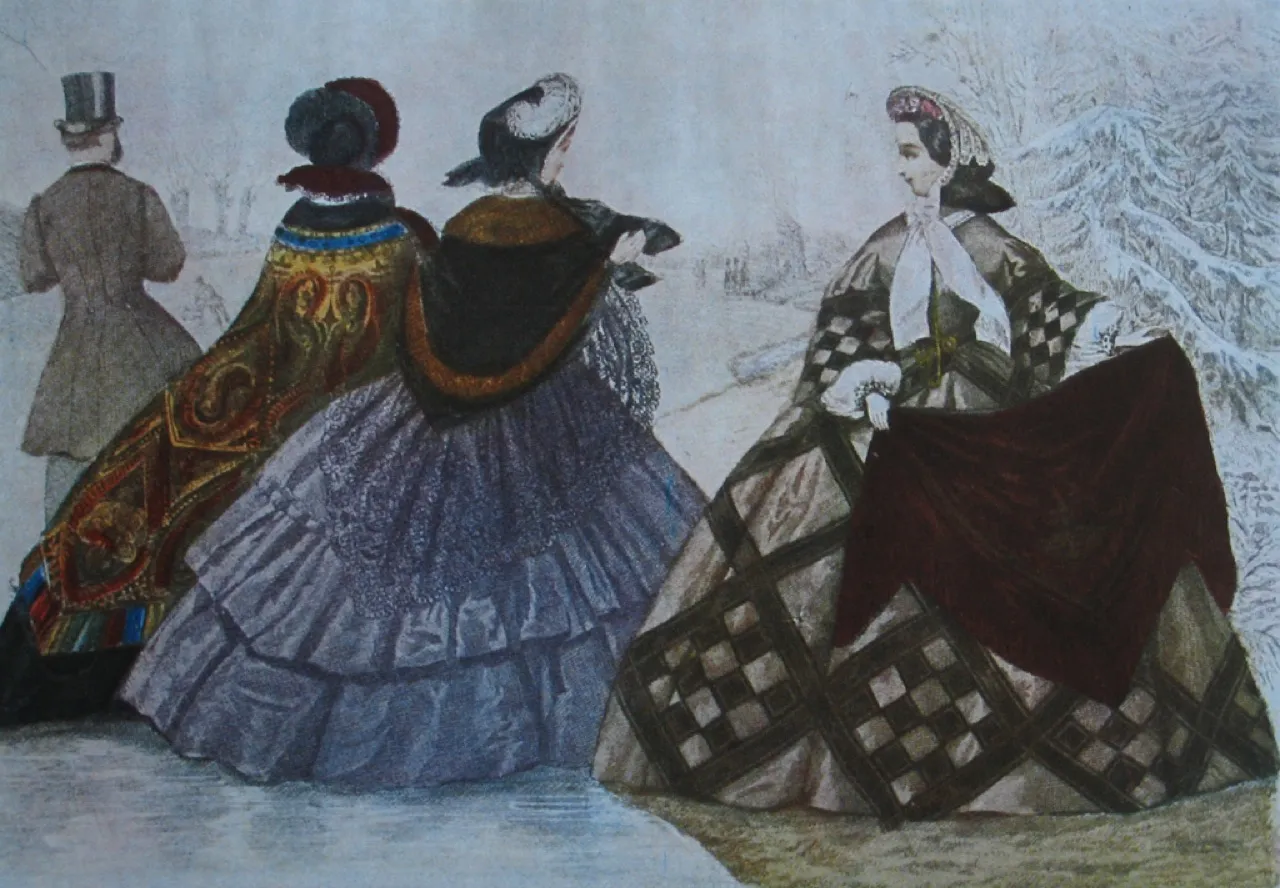
In the mid-nineteenth century fashion magazines became a mass medium. Supplements with sewing patterns appeared, along with sewing tips and descriptions of fabrics. The picture became an intermediary between Paris and the provinces: thanks to it, a woman in a small town could make a dress resembling one from the capital. The engravings of the time are easy to recognise: ladies stand in pairs or groups in an interior or a garden, with the details of their costume carefully labelled. The style was conventional and uniform, almost like today’s social media templates, but there was strength in that uniformity: the picture worked as a standard.
1908–1925. The Golden Age of Illustration
In the early twentieth century the fashion plate became art of the highest order. In 1908 Paul Poiret commissioned the artist Paul Iribe to produce the album Les Robes de Paul Poiret, and in 1911 Georges Lepape drew Les Choses de Paul Poiret for him. These were not catalogues but luxurious books in editions of a few hundred copies. From 1912 the publisher Lucien Vogel produced the magazine Gazette du Bon Ton, for which Lepape, Georges Barbier and other stars of illustration drew. The pictures were printed in the pochoir technique, in bright, flat colours. In the 1920s the Gazette passed under the wing of Condé Nast, and illustrations by Lepape and Barbier adorned the covers of Vogue.
The fashion plate has always sold not the clothes but the life that the clothes fit into.
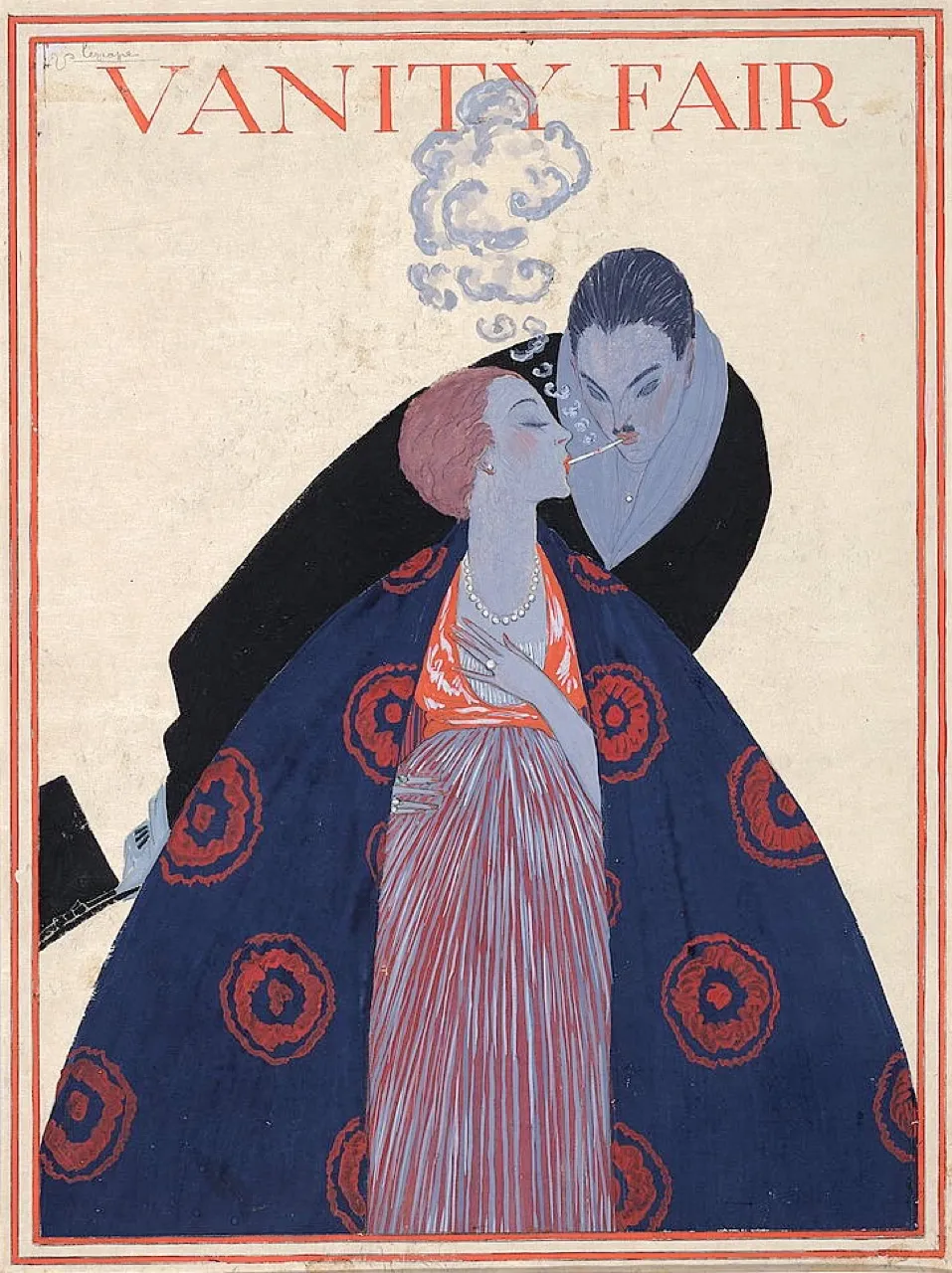
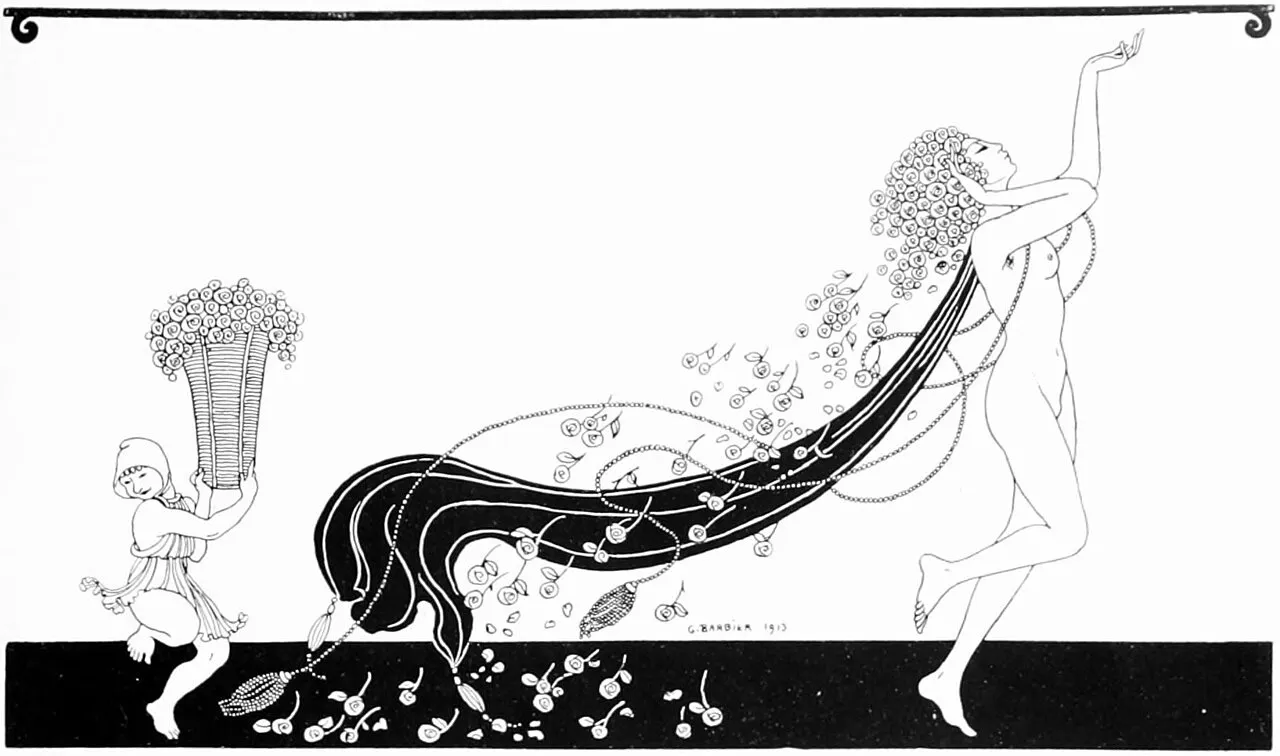
Stars of illustration
Photography, the Feed and the Return of Drawing
Photography gradually displaced illustration. One of the first fashion photographers is considered to be Edward Steichen, who in 1911 photographed Poiret’s dresses for the magazine Art et Décoration. By the middle of the century photographers had become the main authors of fashion images, while illustrators increasingly worked for advertising and posters. But drawing did not disappear: it returns every time photography seems too uniform. Today fashion illustrators build audiences on social media, brands commission drawn campaigns, and neural networks generate “fashion plates” in seconds. The circle has closed: we are again scrolling an endless feed of images, only now an algorithm does the colourists’ work.