The Dream Machine
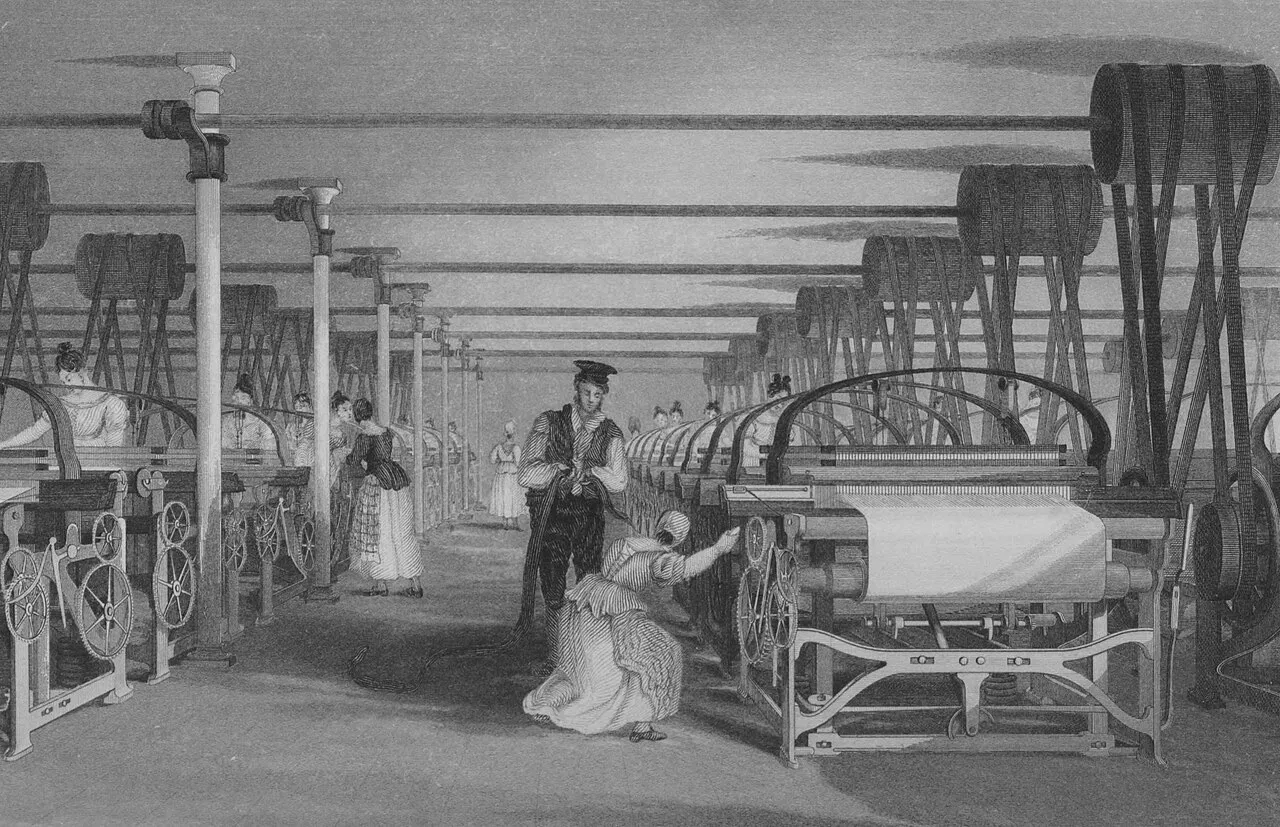
Neural networks draw prints and dream up collections, and it feels as if fashion has only just met the machine. In fact their affair is more than two hundred years old, and it began with a loom.
In 2026, no one is surprised that a neural network can invent the print for a dress, or that an algorithm can put together a lookbook. The arguments are about something else: who the author is, whose work this really is, and whether the machine will take a profession away from a person. Remarkably, the weavers of Lyon asked themselves exactly the same questions at the start of the nineteenth century. Back then a loom appeared in the workshops that “read” a pattern from cardboard cards punched with holes, and carried it out without a single error. Its inventor, Joseph Marie Jacquard, could hardly have been thinking about computers. Yet a few decades later it was his punched cards that showed mathematicians how to write down instructions for a machine. The history of fashion and the history of computing are interwoven, quite literally, by a thread.
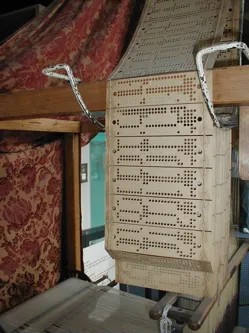
A Pattern on Cards
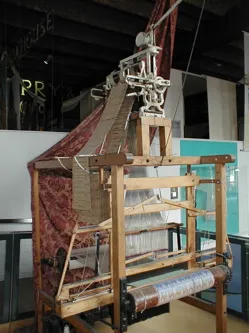
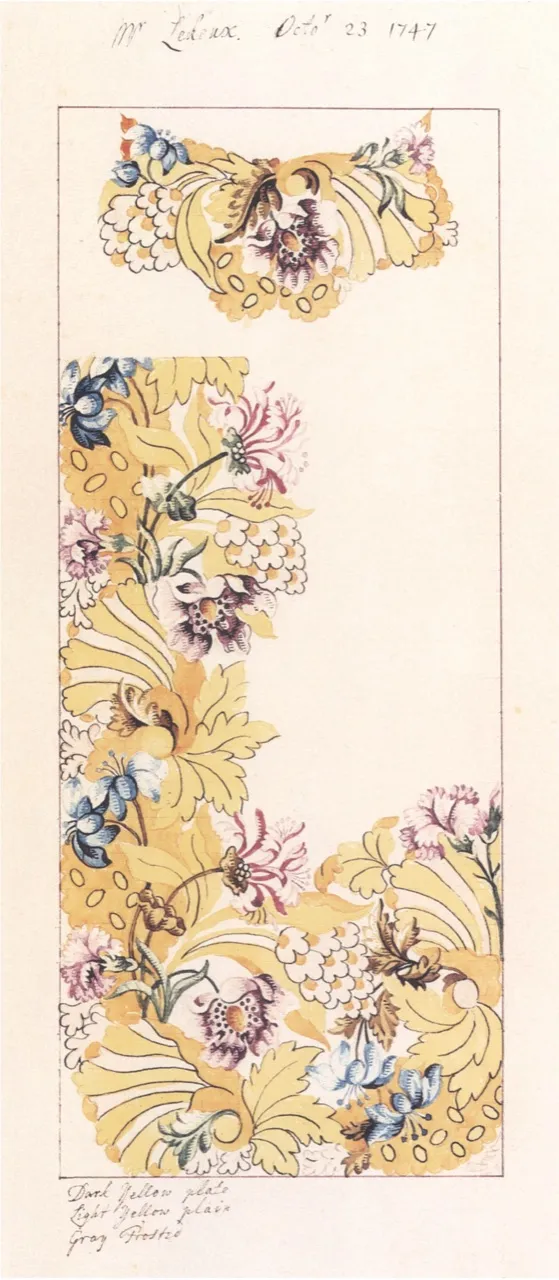
Before Jacquard, complex cloth such as brocade, damask and figured silk was woven by two people. The weaver worked the shuttle, while an assistant, usually a child, sat on top of the loom and lifted the right warp threads on command. One mistake and the pattern was ruined across metres of silk. Jacquard, the son of a Lyon weaver, perfected the ideas of his predecessors and in 1804 unveiled a mechanism that lifted the threads by itself. The pattern was encoded in rows of holes in cardboard cards: a hole meant the thread rose, no hole meant it stayed put. The cards were stitched into a long ribbon, and the loom “played” it the way a barrel organ plays a tune. How complex a pattern could be now depended not on the dexterity of people but on the number of cards.
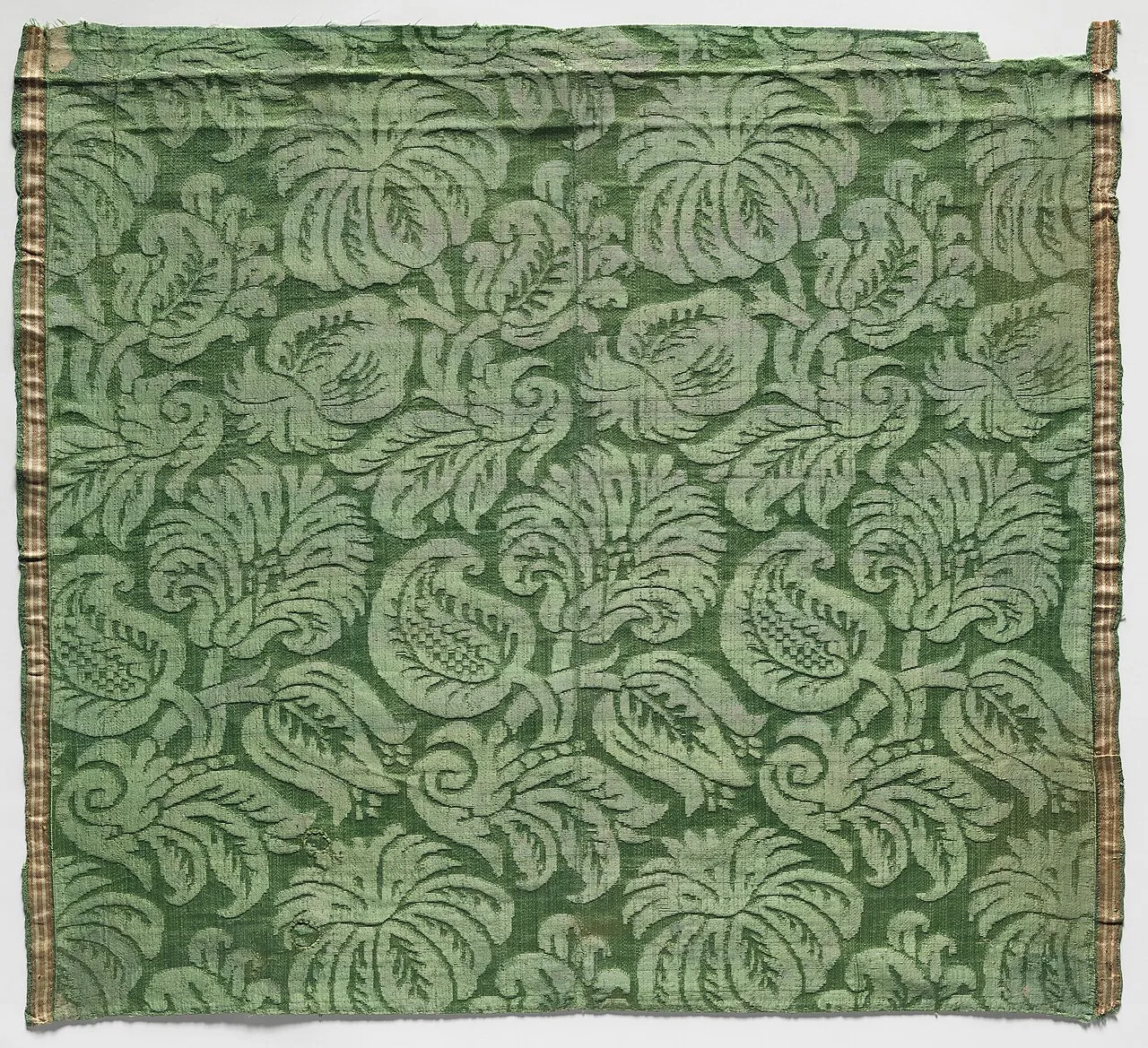
What Jacquard silk could do
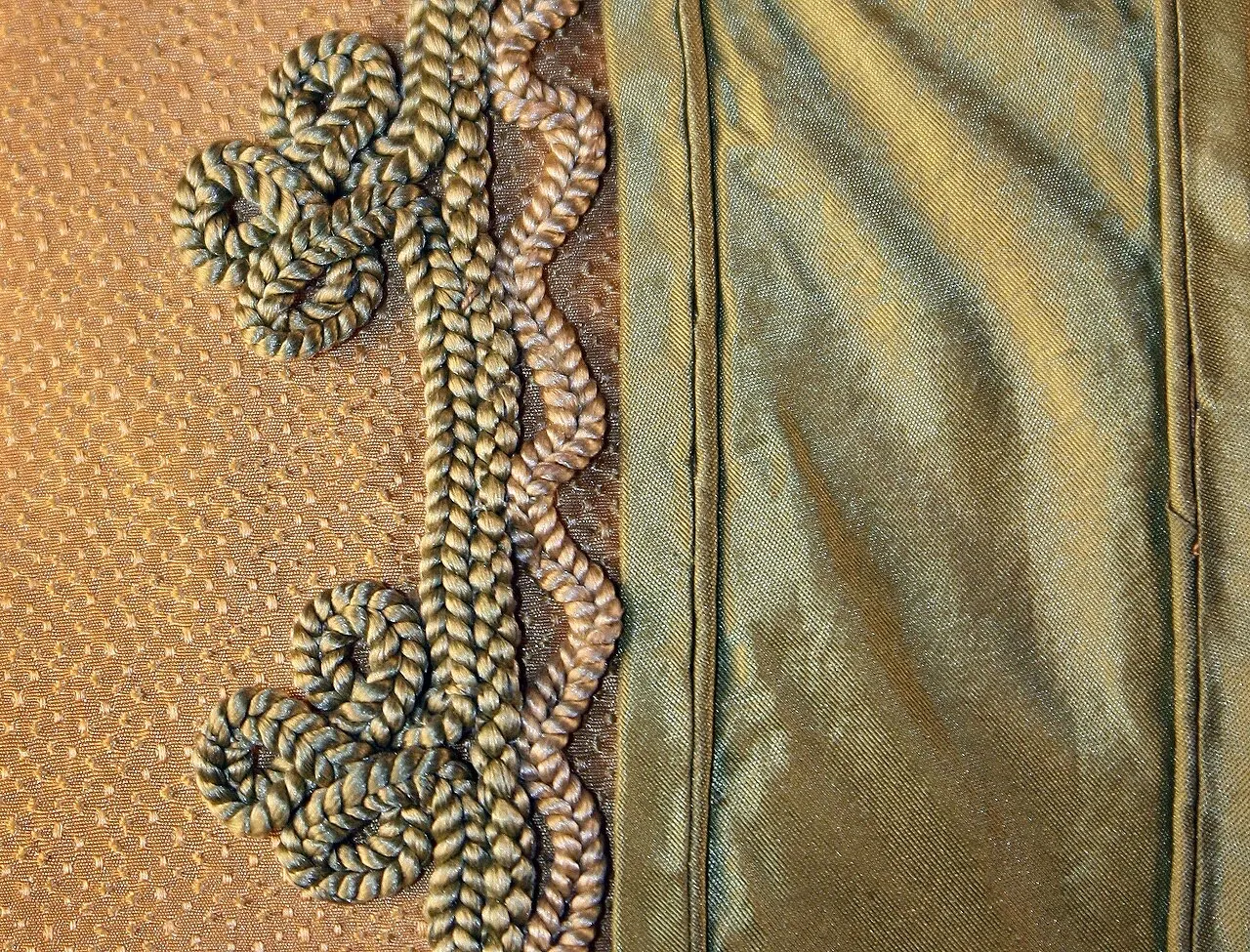
Lyon greeted the invention without enthusiasm. The weavers, known as canuts, feared the machine would leave them without work, and historians still retell stories of smashed looms. But within a couple of decades Jacquard mechanisms stood all over Europe. Patterned fabrics grew cheaper, and what had once been a luxury of the court came within reach of the middle classes: waistcoats with floral patterns, shawls, upholstery, bedspreads. The machine did not kill the craft but changed it. What was now prized was no longer the assistant’s hands but the ability to draw a pattern and “translate” it into cards. A new profession was born: the person who turns a drawing into code. Sounds familiar, doesn’t it?
Joseph Marie Jacquard
Lived: 1752–1834, Lyon
Key invention: a punched-card mechanism for the loom (shown in 1804)
Why he matters: Jacquard’s cards inspired Charles Babbage and became the ancestors of the data carriers of the first computers
From Silk to Algorithm
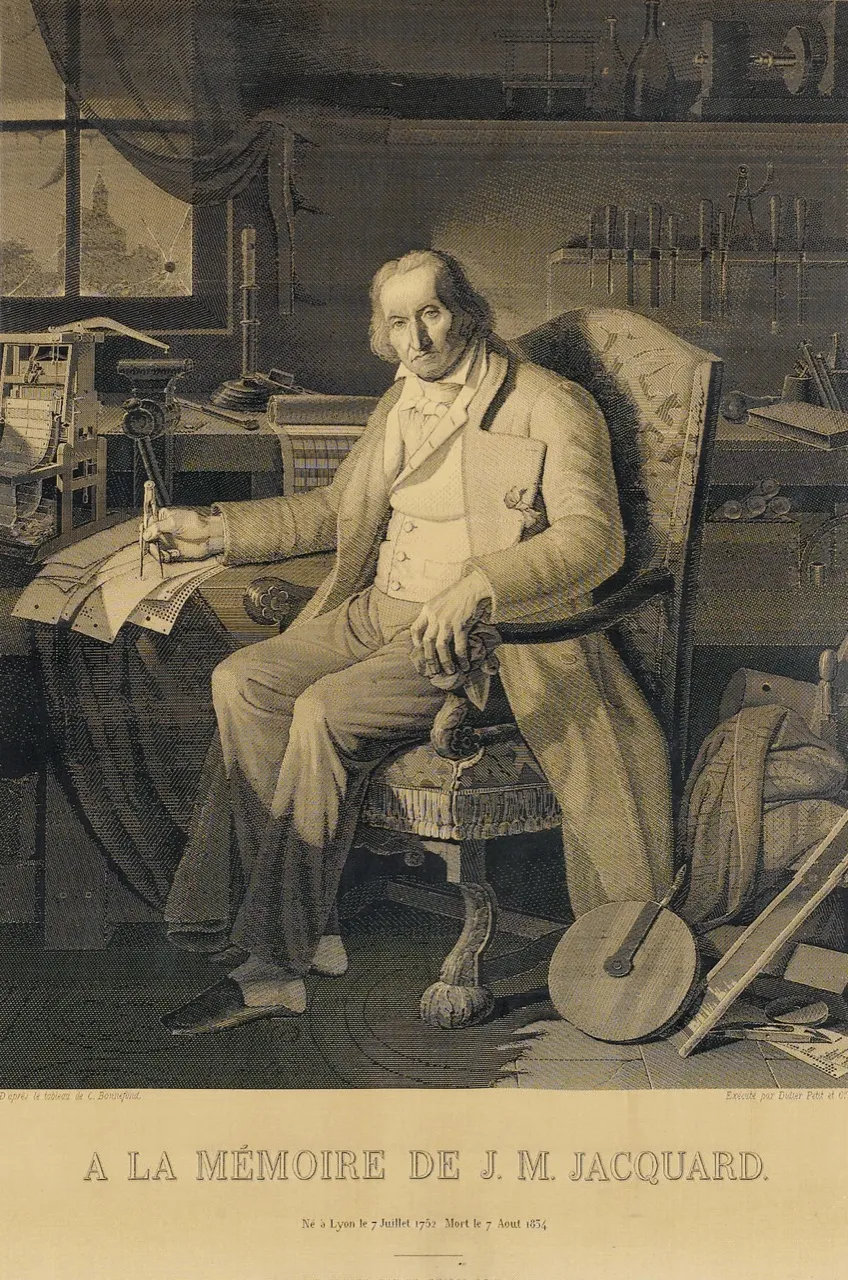
In the 1830s the English mathematician Charles Babbage was designing the Analytical Engine, a mechanical computer that was never finished. He planned to feed it programs on punched cards, just like Jacquard’s. By his own account, Babbage had a silk portrait of Jacquard woven on a Jacquard loom hanging in his home; it is said to have taken tens of thousands of cards, and guests mistook it for an engraving. Ada Lovelace, who described what the Analytical Engine could do, put the connection better than anyone: the machine “weaves algebraical patterns just as the Jacquard loom weaves flowers and leaves.” That line from her 1843 notes is quoted in every textbook on the history of computing.
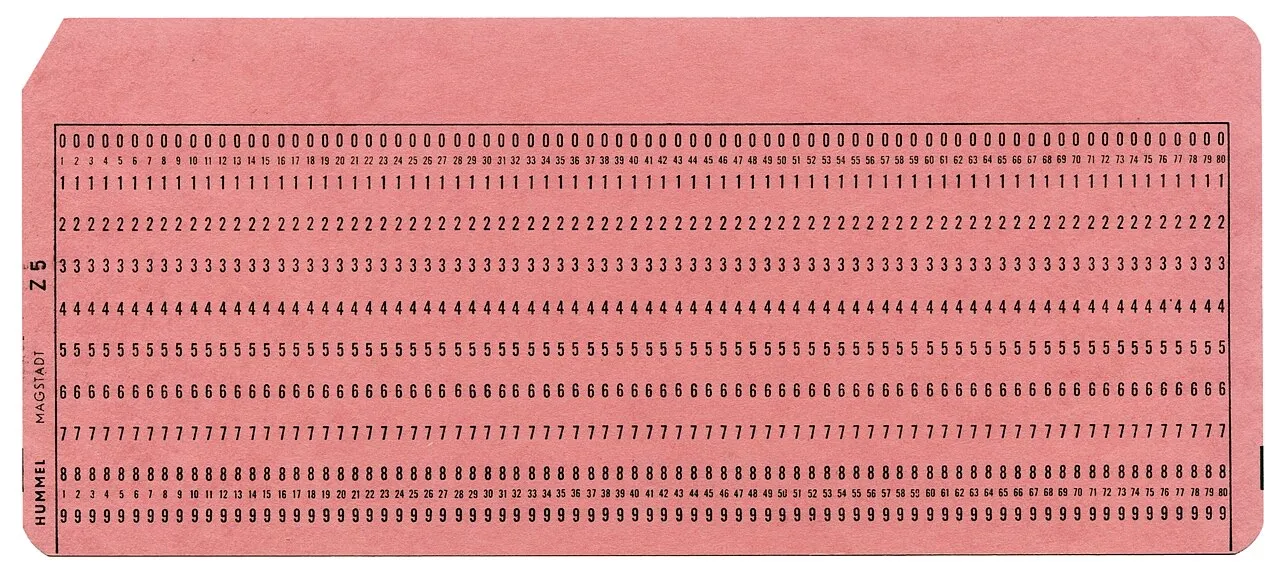
From there the punched card left the weaving sheds for the wider world. The American engineer Herman Hollerith used cards with holes to process the 1890 US census, and his company eventually became part of IBM. For almost a century punched cards remained the main way of “talking” to a computer. Meanwhile looms went on working on the same principle: a modern electronic Jacquard reads a file instead of cardboard, but the logic is the same, every thread is either raised or not. Every patterned sweater and every logo-woven fabric you wear today descends from that Lyon ribbon with holes.
The machine never took imagination away from fashion. It took away the routine, and made people negotiate all over again what counts as mastery.
Who Is the Author When a Neural Network Draws
Today history repeats itself on a new turn of the spiral. Generative networks draw prints, propose silhouettes, match colours and assemble “collections” in minutes. Brands experiment with virtual models and digital twins, while designers argue about whether it is an assistant or a rival. Lawyers have added their own question: who owns a pattern that a machine invented? In the United States the Copyright Office has consistently refused to register works created entirely without a human creative contribution. So, as two hundred years ago, value is shifting: what matters is no longer the execution but the idea, what a person conceived, chose and discarded.
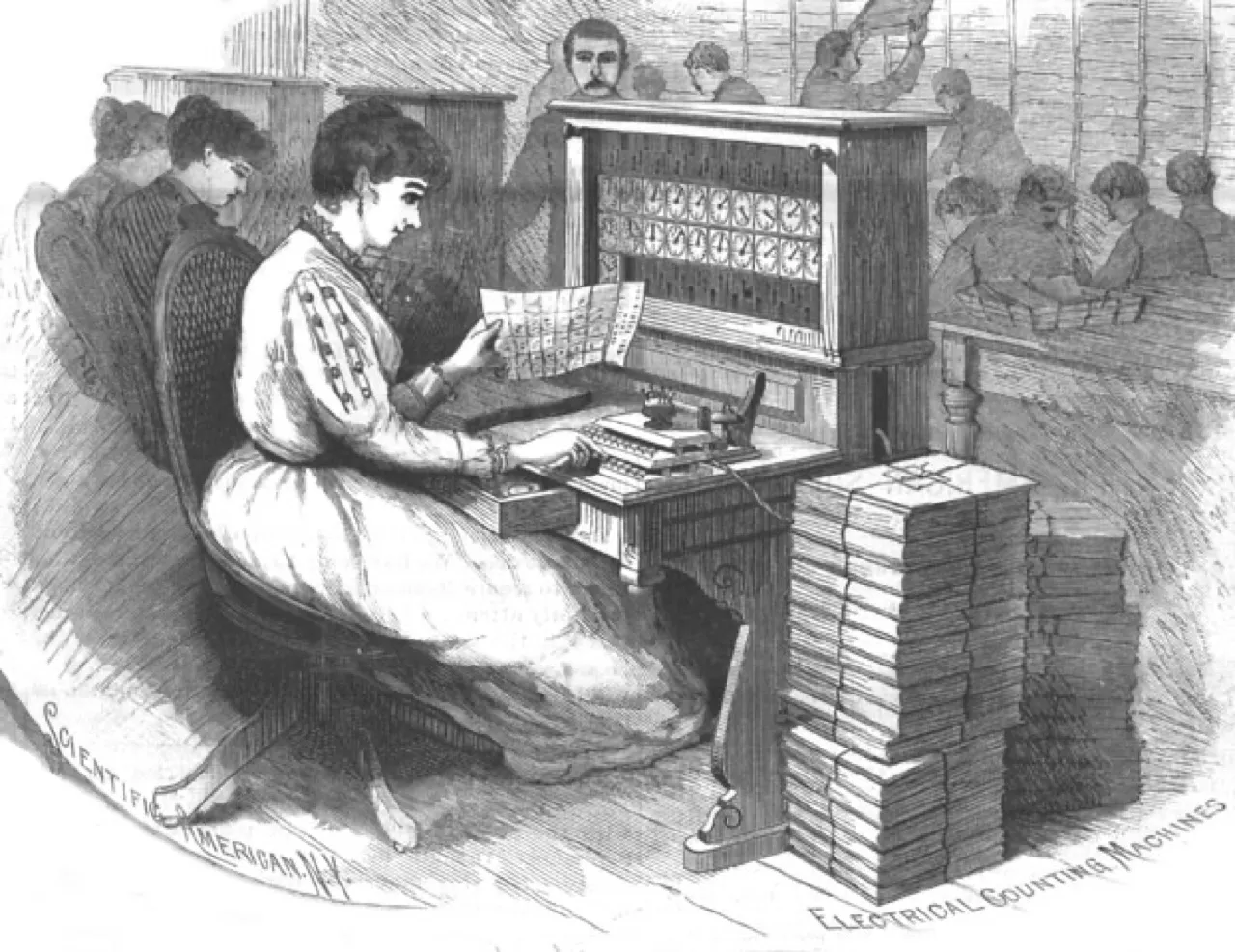
Heirs of the punched card
The weavers of Lyon feared the loom would make them redundant, yet it made figured cloth available to everyone and created professions that had not existed before. Neural networks will most likely follow a similar path: some routine work will disappear, new roles will appear, and the handmade and the human will be paid for more, much as hand embroidery is today. The main thing to remember is that fashion has always been a technology. Silk, dye, the sewing machine, synthetics, the algorithm: each time the industry took fright, and each time it found a new language in the new machine. The question is not whether the machine will replace the designer, but what the designer will say with its help.