Japan’s Answer to Paris
How the kimono, ukiyo-e prints and the Japanese view of cloth changed European cut, long before anyone talked about cultural borrowing, and twice within a single century.
The conversation about cultural borrowing in fashion feels very modern: who has the right to an ornament, a silhouette or a technique, where respect ends and appropriation begins. But one of the greatest “meetings of cultures” in the history of dress took place back in the nineteenth century, when Europe truly saw Japan for the first time. After two centuries of almost complete isolation, the country began trading with the West in the 1850s, and prints, fans, lacquerware, porcelain and silk flooded into Europe. Artists went wild for ukiyo-e, collectors bought up everything Japanese, and fashion designers, a little later, realised that the kimono offered a wholly different philosophy of clothing. This is the story of how Paris learned from Edo.
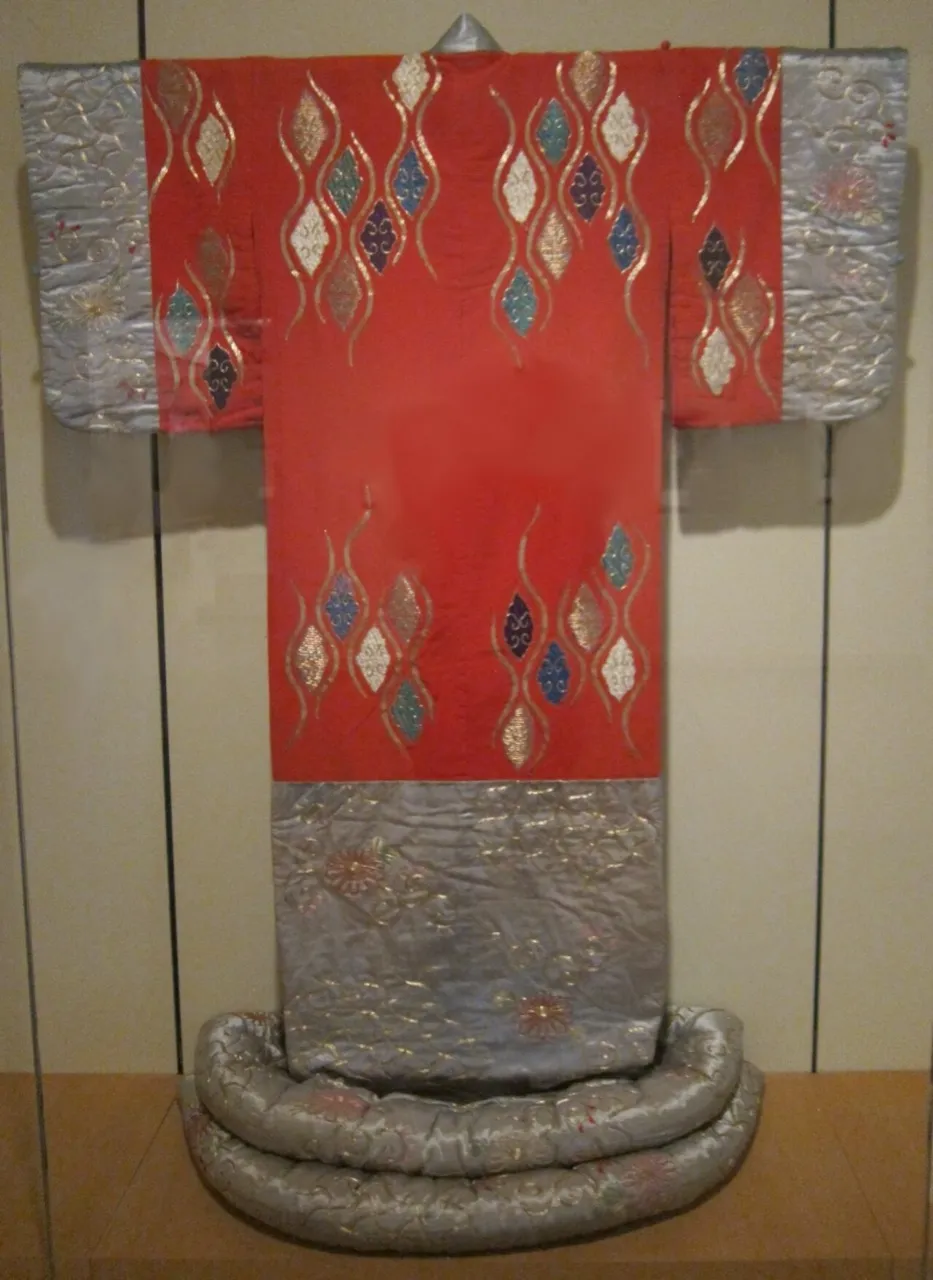
Japan Fever
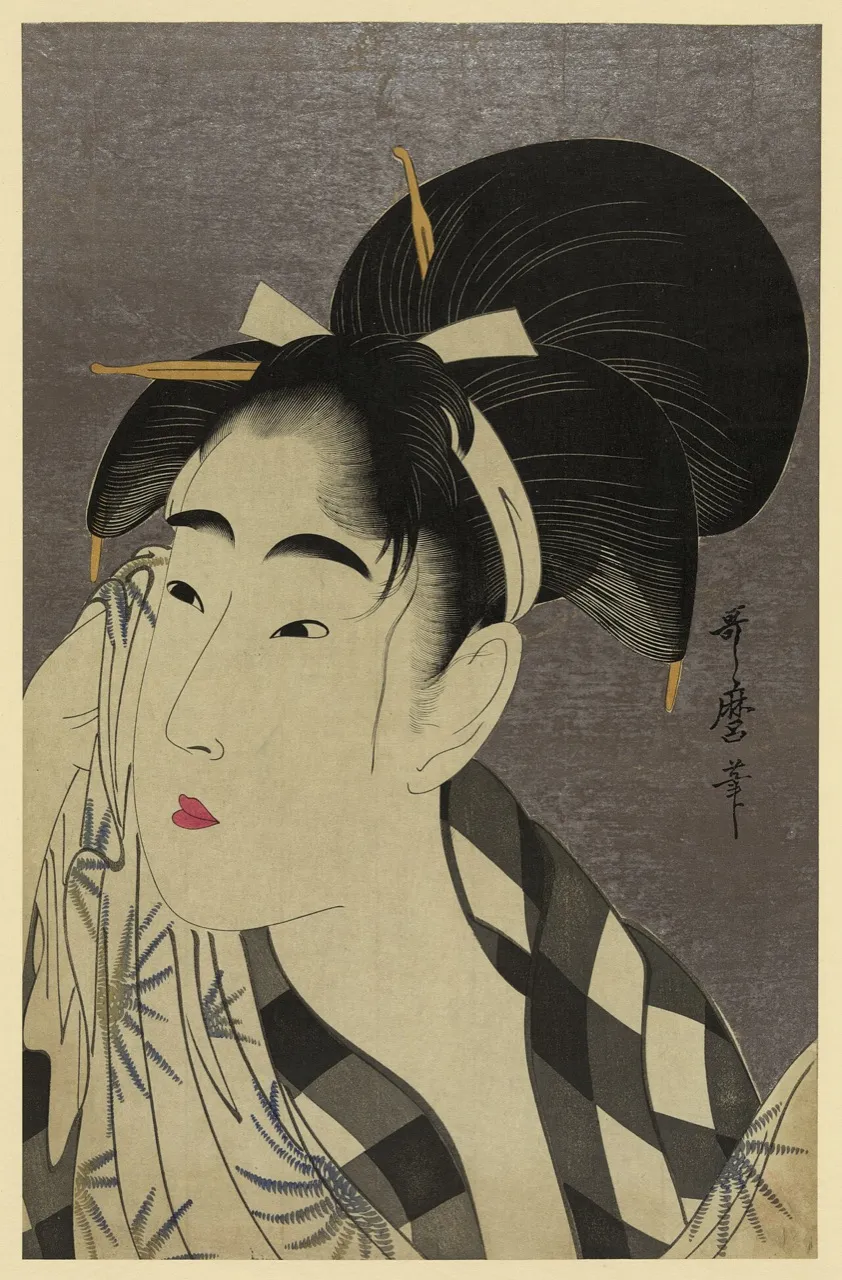
Japan was “opened” by force: in 1853–1854 Commodore Perry’s American ships compelled the shogunate to sign trade treaties. By the 1862 International Exhibition in London, and especially in Paris in 1867, Japanese objects were a sensation. The French coined a word for the fashion: “Japonisme.” Monet painted his wife Camille in a scarlet kimono, and Whistler painted a European beauty in Japanese dress among screens and porcelain. In London, Arthur Liberty opened a shop selling Eastern fabrics and objects, and his name would later become the name of an entire style. The kimono was worn as a dressing gown and as a striking outfit for receiving guests, an exotic thing people longed to own.
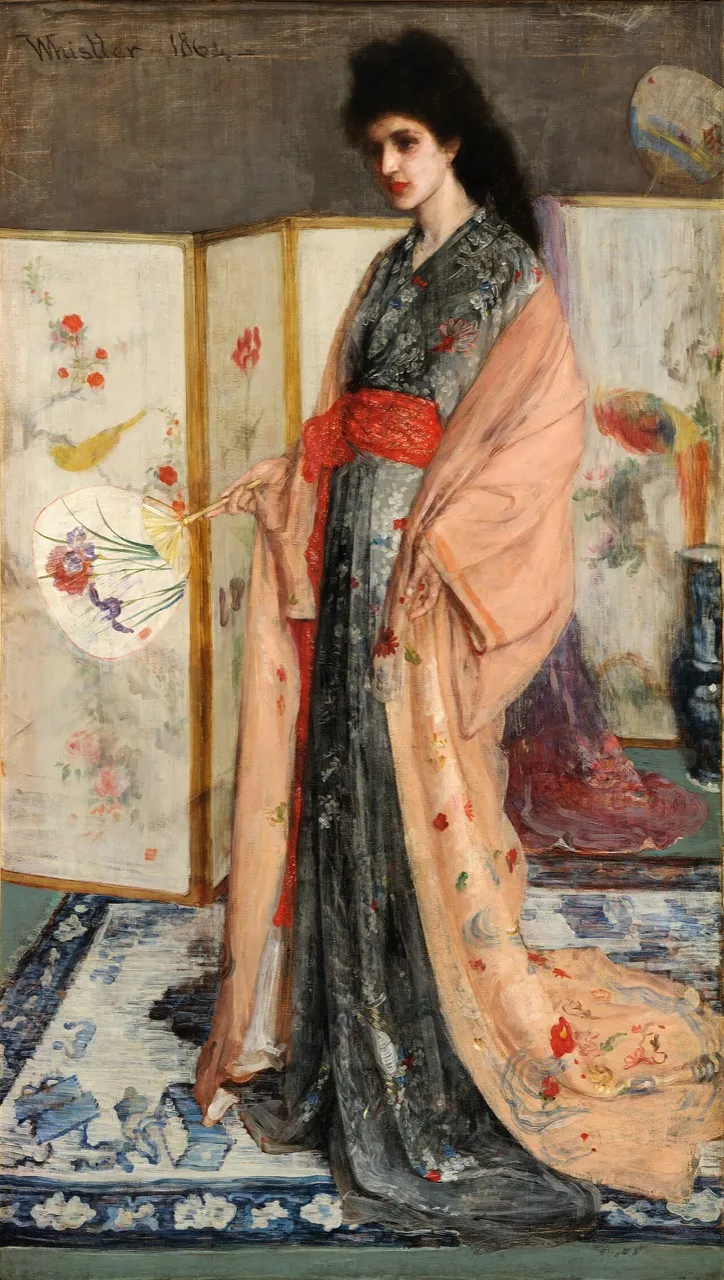

Japonisme in art
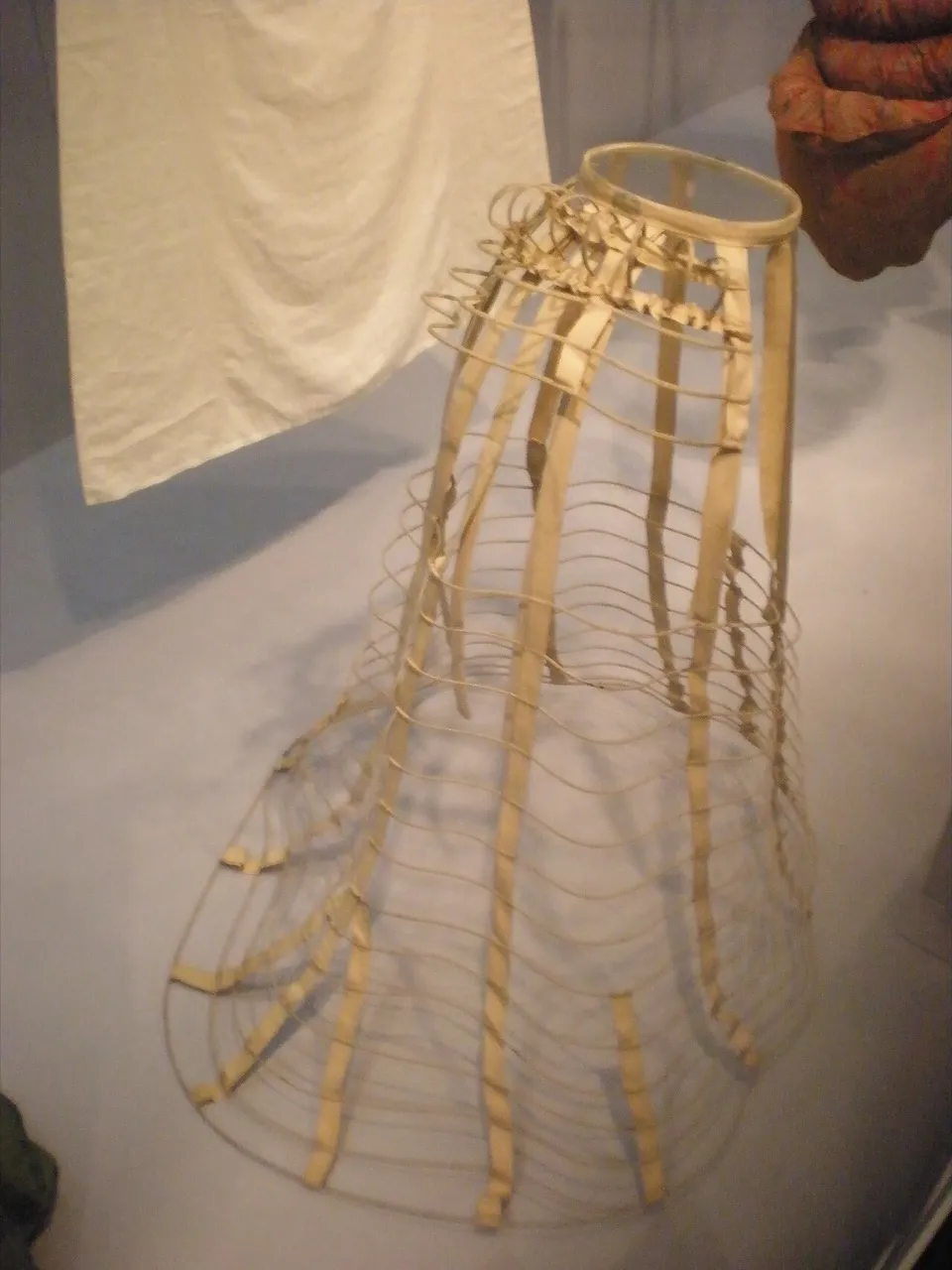
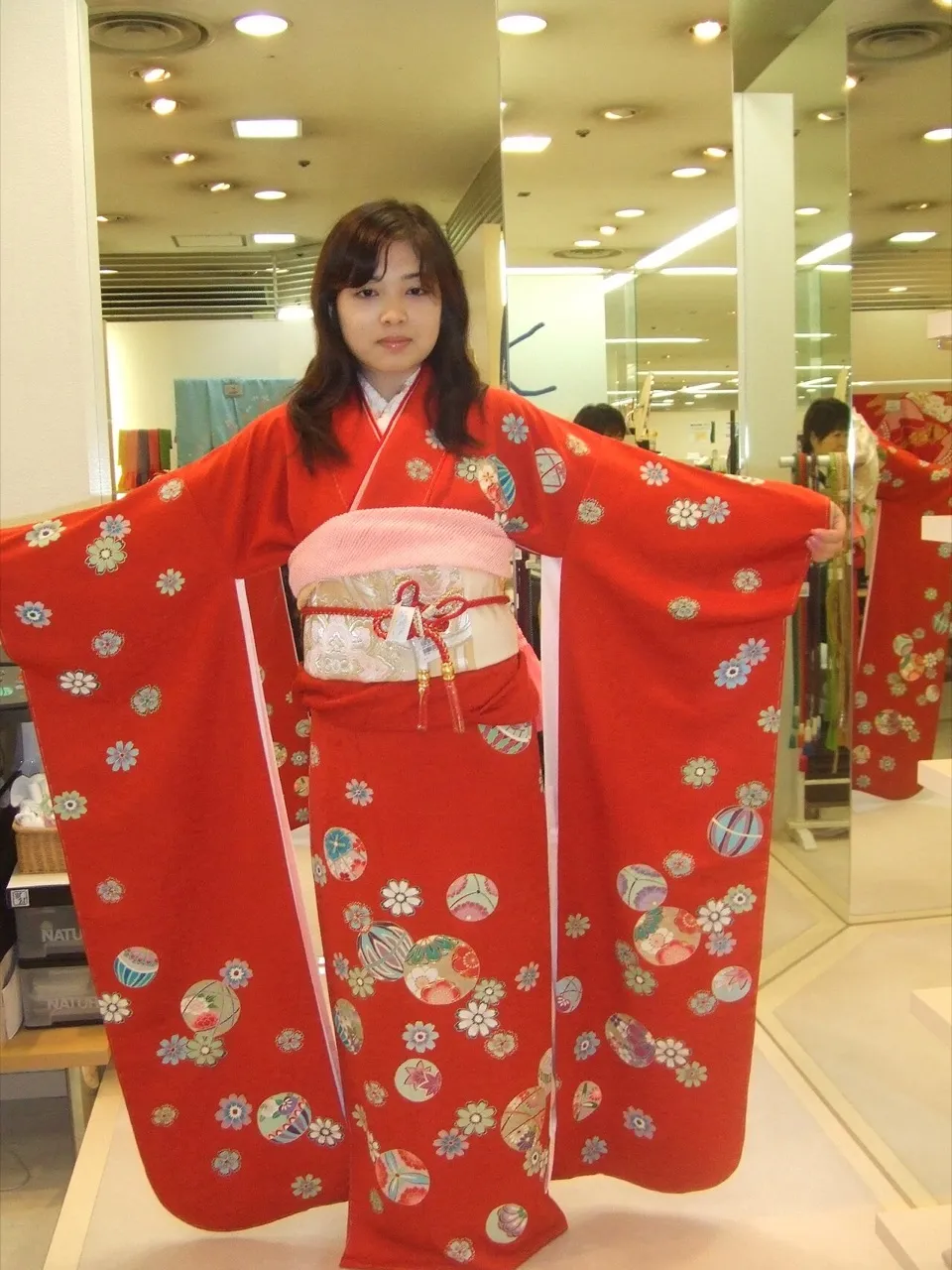
At first Europe took only the surface from Japan: ornaments, motifs of cranes and chrysanthemums, asymmetric compositions, bright silks. But gradually designers noticed what mattered most. The kimono is built in a fundamentally different way from a European dress. It is cut from straight panels with almost no waste of fabric, does not follow the curves of the body and needs no corset. The shape is born when the cloth is put on, wrapped and belted. For a Europe where clothing had been built for centuries as a rigid structure around a laced waist, this was a revolution in thinking: clothes can hang freely and move together with the person.
How a Kimono Is Made
Cut from a single bolt of cloth (a tan) about 36 cm wide
The pieces are straight rectangles, with almost no waste
The shape comes from the wrap and the obi sash, not from darts
Status and age are read from the fabric, sleeves and pattern
Cut Without a Corset
In the early twentieth century Japanese logic entered the very heart of Parisian cut. Paul Poiret made cocoon coats and capes with wide sleeves that hung from the shoulders rather than the waist. Madeleine Vionnet, the master of the bias cut, thought in the geometry of flat shapes, and historians often compare her approach with the principle of the kimono. Fashion houses made evening wraps with Japanese motifs and straight sleeves. The first “free” silhouettes of the twentieth century were dressed in Japanese fabrics. One could say that liberation from the corset came to Paris in part from Edo, through prints, shops selling Eastern fabrics and museum display cases.
The second Japanese wave hit Paris in the early 1980s. Rei Kawakubo (Comme des Garçons) and Yohji Yamamoto showed collections of black, asymmetric clothes that looked worn-out. The French press received them harshly and coined insulting nicknames, but a few years later the whole world was wearing oversized black. These designers did not quote the kimono literally; they brought a Japanese view of imperfection, emptiness and the space between body and cloth. Once again, as a hundred years earlier, Japan made Europe reconsider the very question: what makes good clothes.
Japan changed Parisian fashion twice, and both times not by ornament but by an idea of how cloth meets the body.
Borrowing or Conversation
Today nineteenth-century Japonisme is often cited as an example of where the line runs. Europeans frequently saw in Japan only a beautiful exotic, without understanding the meaning of the motifs or the rules of wearing them. But there is another side to this story: Japanese craftsmen and merchants worked actively for export, made kimonos and fabrics specifically for Western buyers and influenced fashion themselves. A respectful conversation between cultures starts with interest in context: who made this, what it means, where the technique comes from. That is why brands today increasingly work directly with Japanese artisans instead of merely being “inspired.”
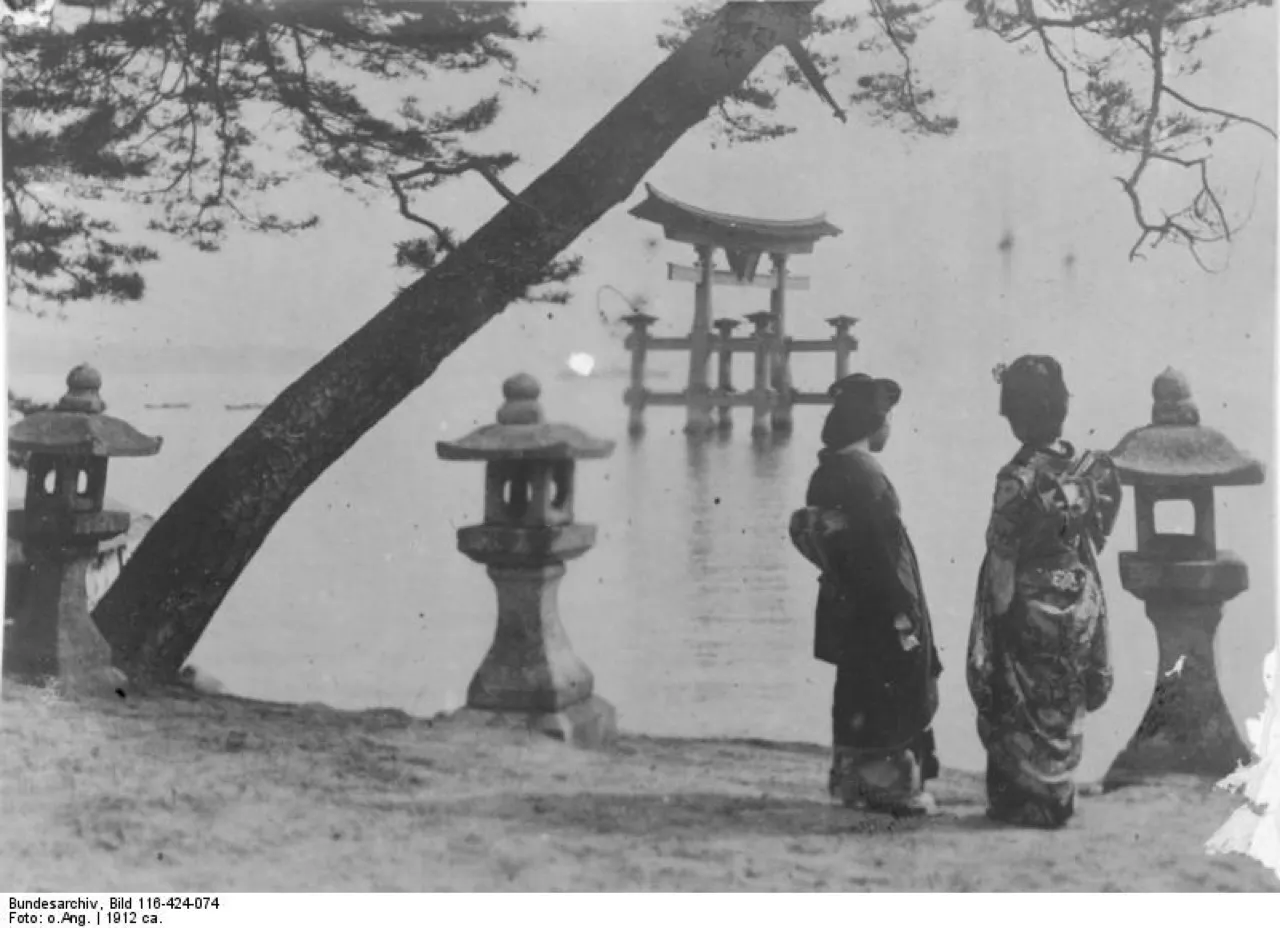
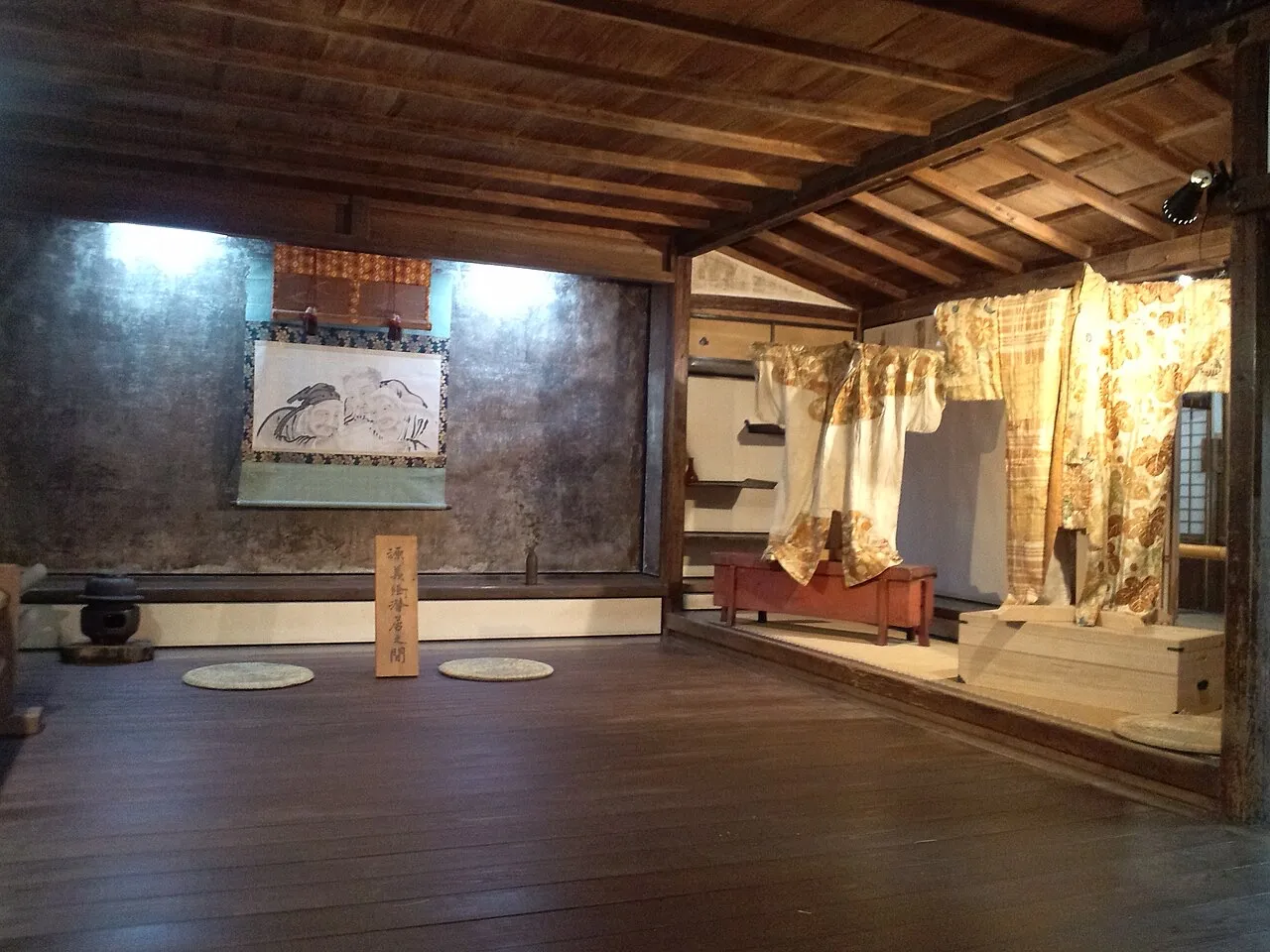
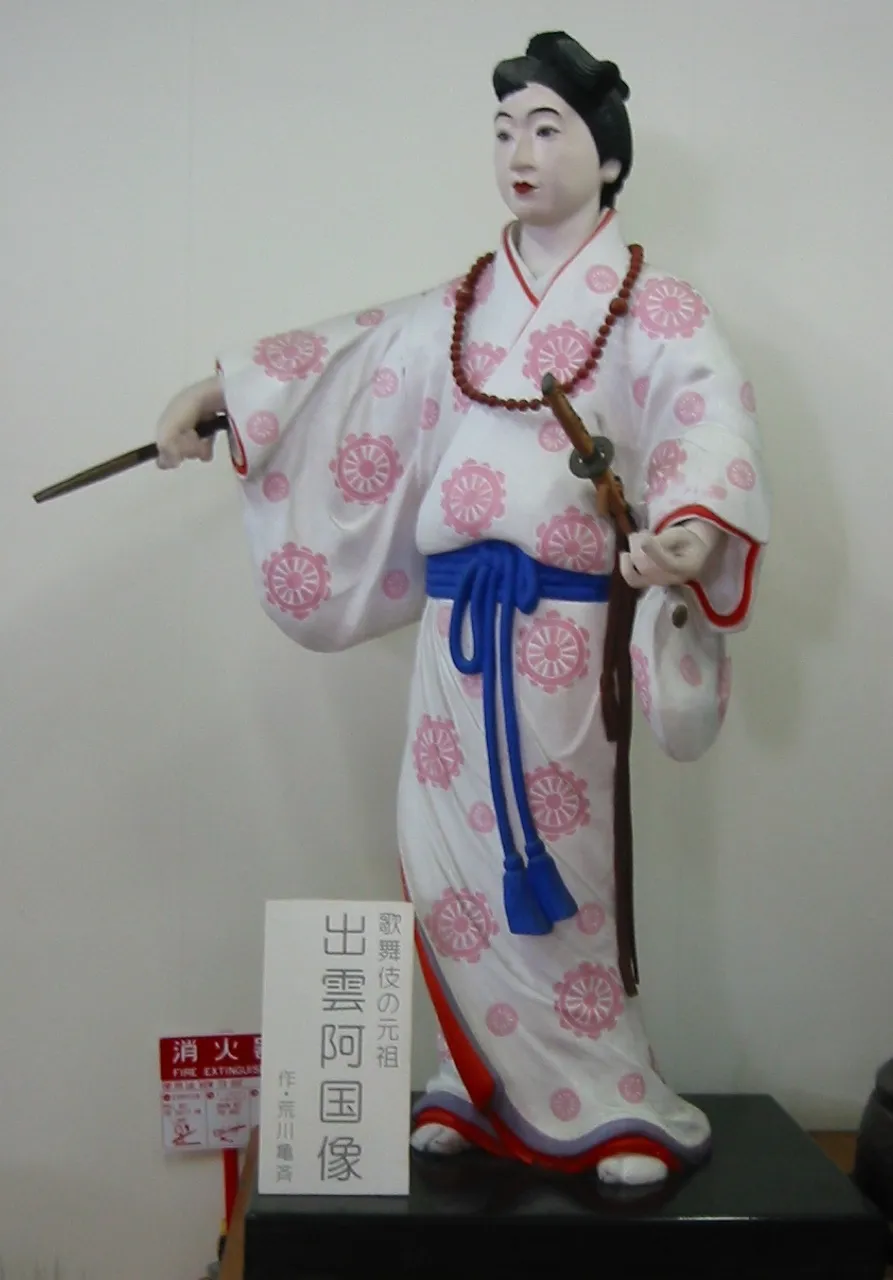
Kimonos in museum collections
The story of Japonisme shows that fashion is not only about runways but also about the travels of ideas. A print accidentally wrapped around a parcel of porcelain could change an artist’s palette. A silk robe could inspire a couturier. A black coat from Tokyo could shift the taste of an entire generation. In 2026, when any image reaches us in a second, it is especially important to remember that behind every motif stand a culture, a craftsman and a history. The most interesting things in fashion begin where we do not simply take what is beautiful but try to understand why it is made the way it is.