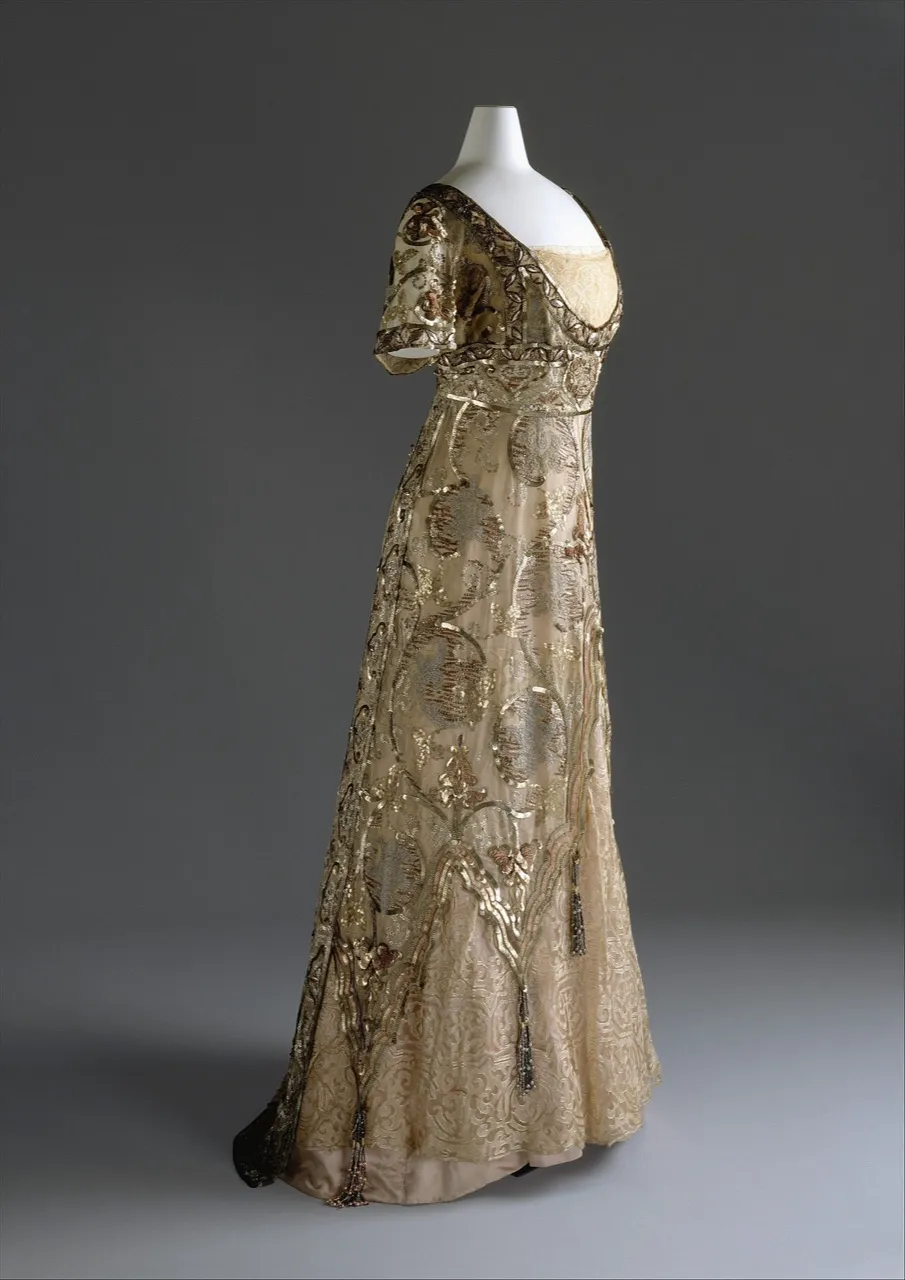
The Corset: Prison or Armour
Doctors and feminists cursed it, designers buried it, and each time it came back. Four centuries in the life of the garment that best shows how fashion argues about the female body.
The corset is one of the few garments about which everyone has an opinion, even if they have never worn one. For some it is a symbol of unfreedom: a cinched waist, laboured breathing, a body fitted to someone else’s ideal. For others it is armour, shape, posture and a sexuality that the woman herself controls. In recent years corset lines are everywhere again: in evening wear, on red carpets, on the high street, over shirts and T-shirts. Every time the corset returns, the argument returns with it. To understand why it will not die down, we have to look at four centuries of history, from the rigid bodices of court ladies to the designers’ manifestos of the late twentieth century.
Whalebone and Courtly Posture
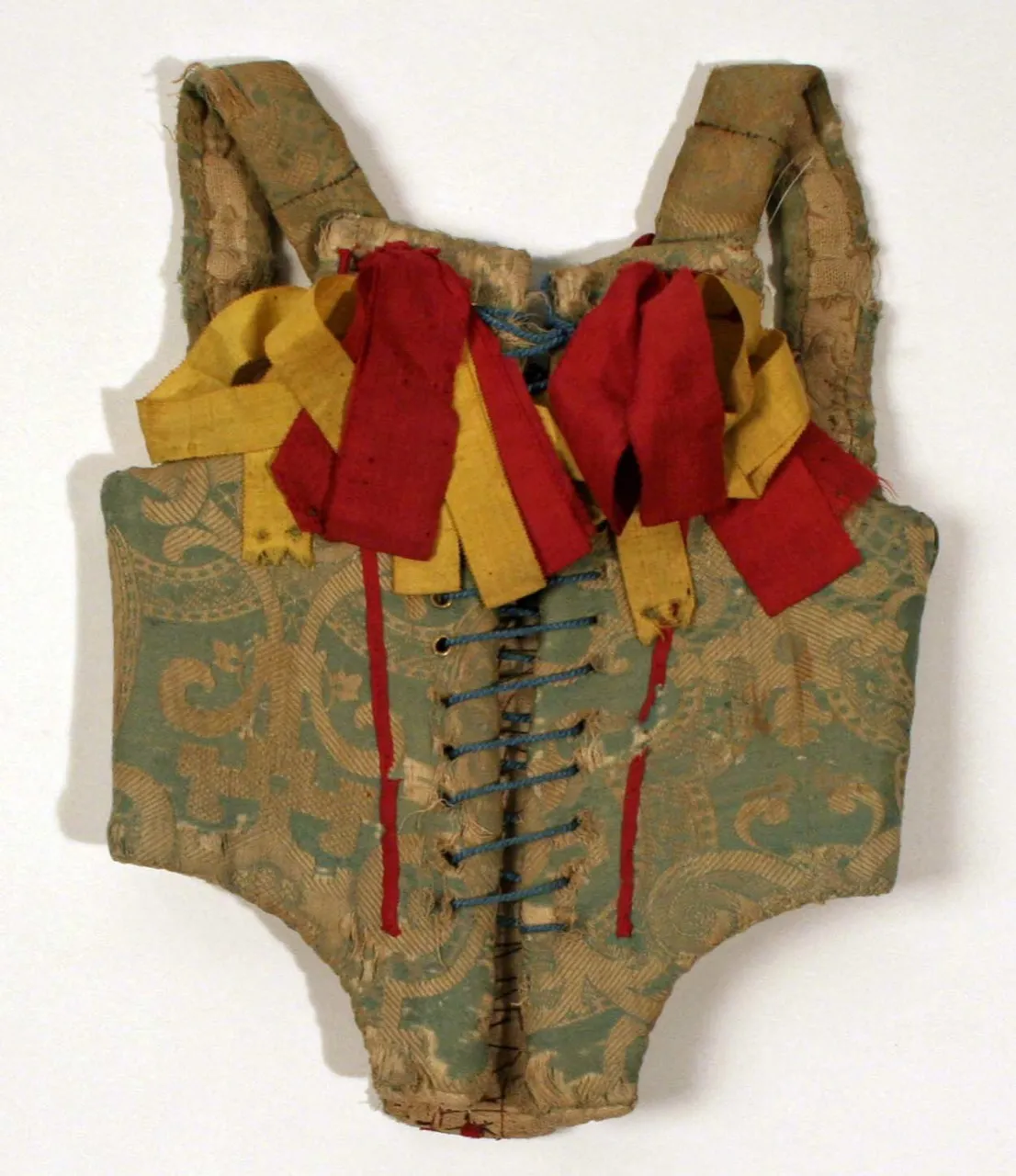
The ancestors of the corset appeared in Europe in the sixteenth century. A stiff bodice, called stays in English, was reinforced with strips of whalebone (in fact the horny plates from the mouths of whales), reed or wood. The aim was less a slim waist than a straight back and a conical torso, which was considered noble. Such bodices were worn by aristocrats and working women alike: the rigid frame supported the back during heavy work. In the eighteenth century stays became works of art, with silk, embroidery and hundreds of rows of fine stitching. Looking at them in a museum case explains a great deal: for the people of the time this was not torture but the normal “architecture” of clothing.
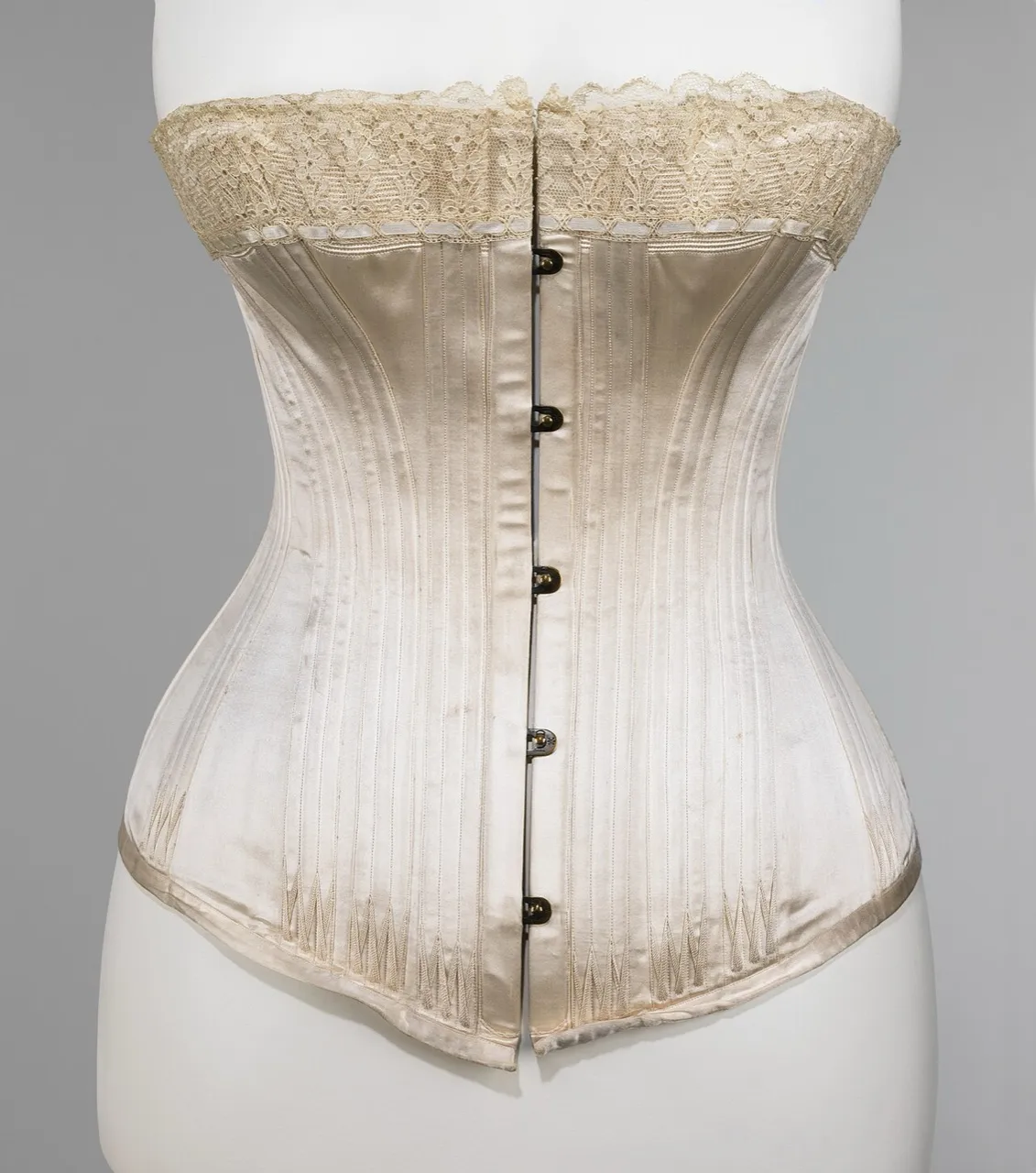
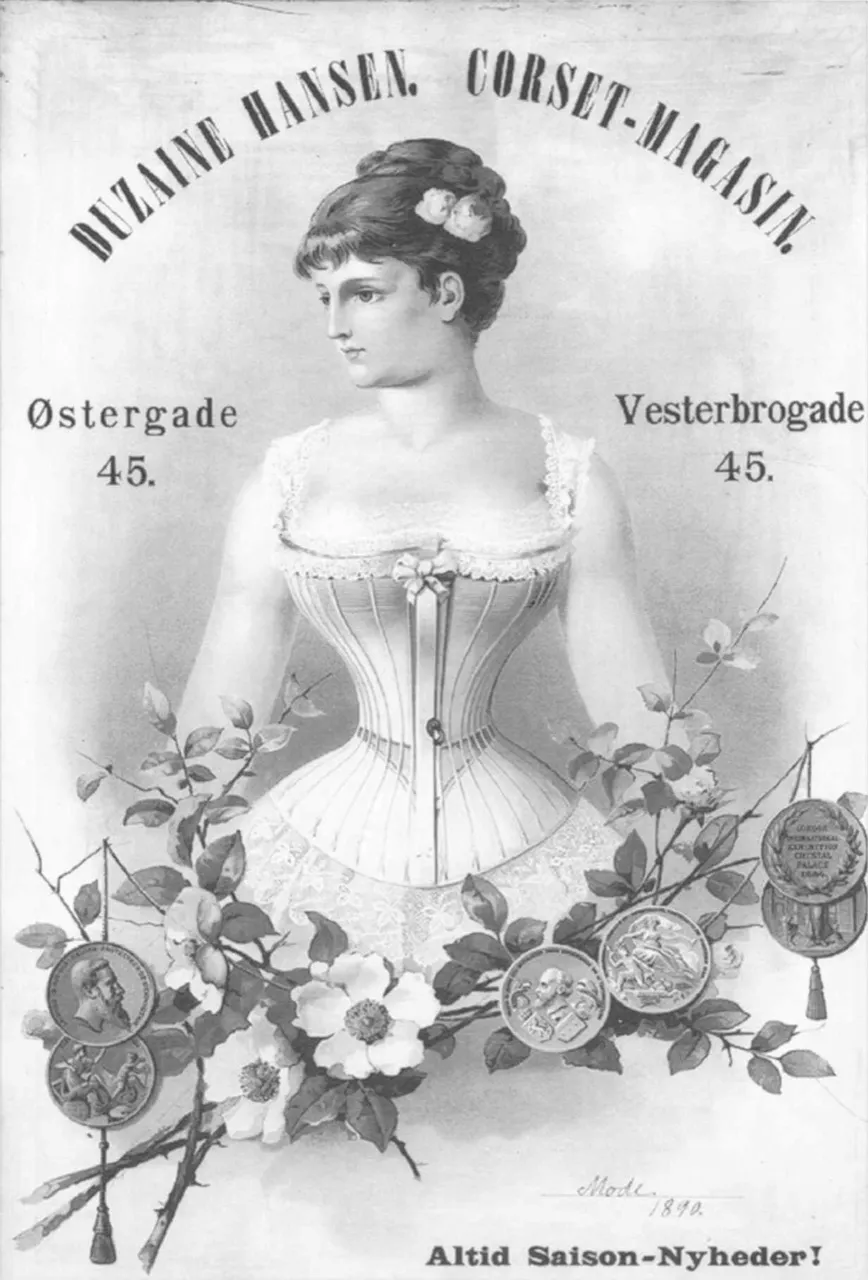
The evolution of the shape
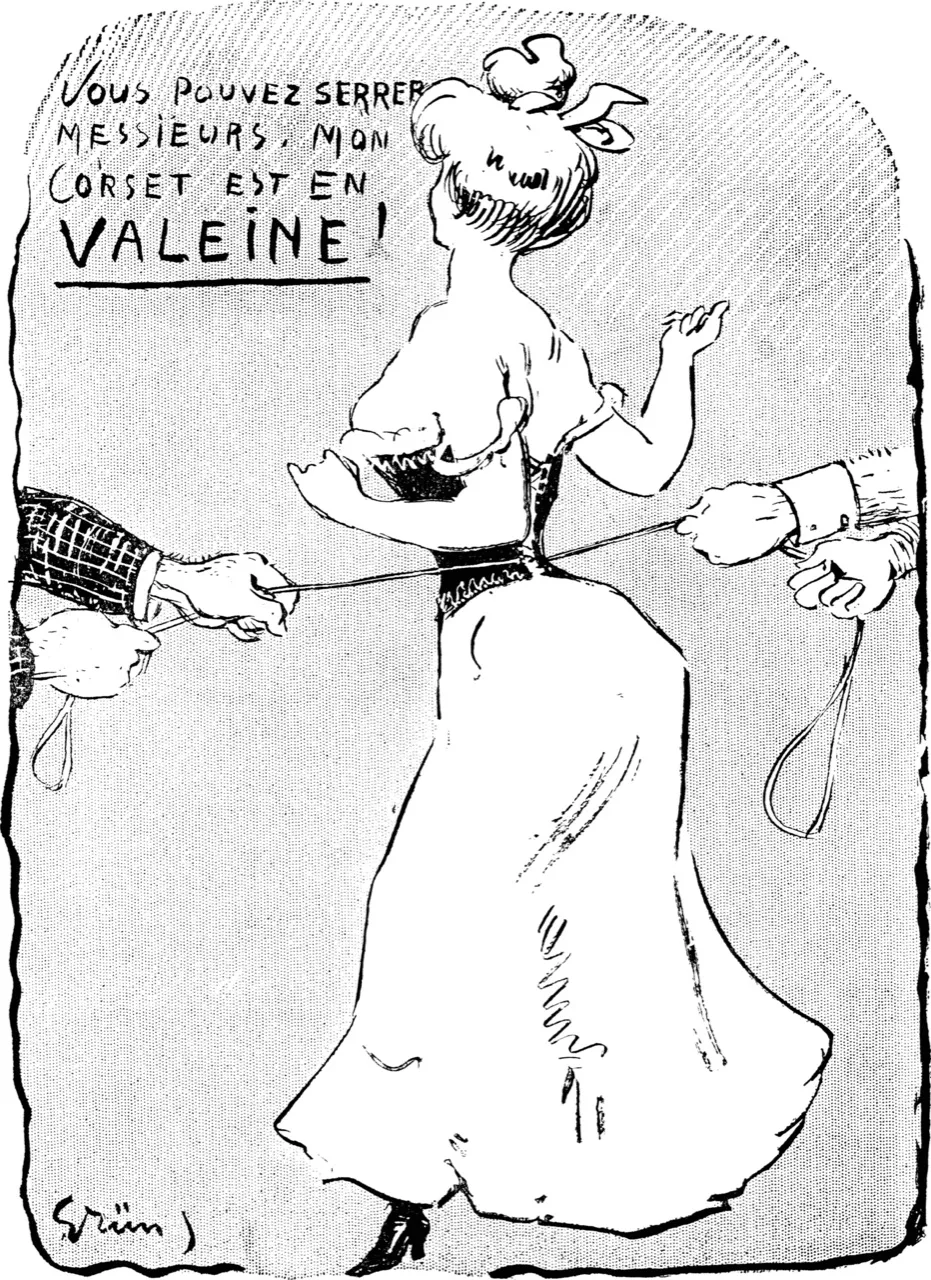
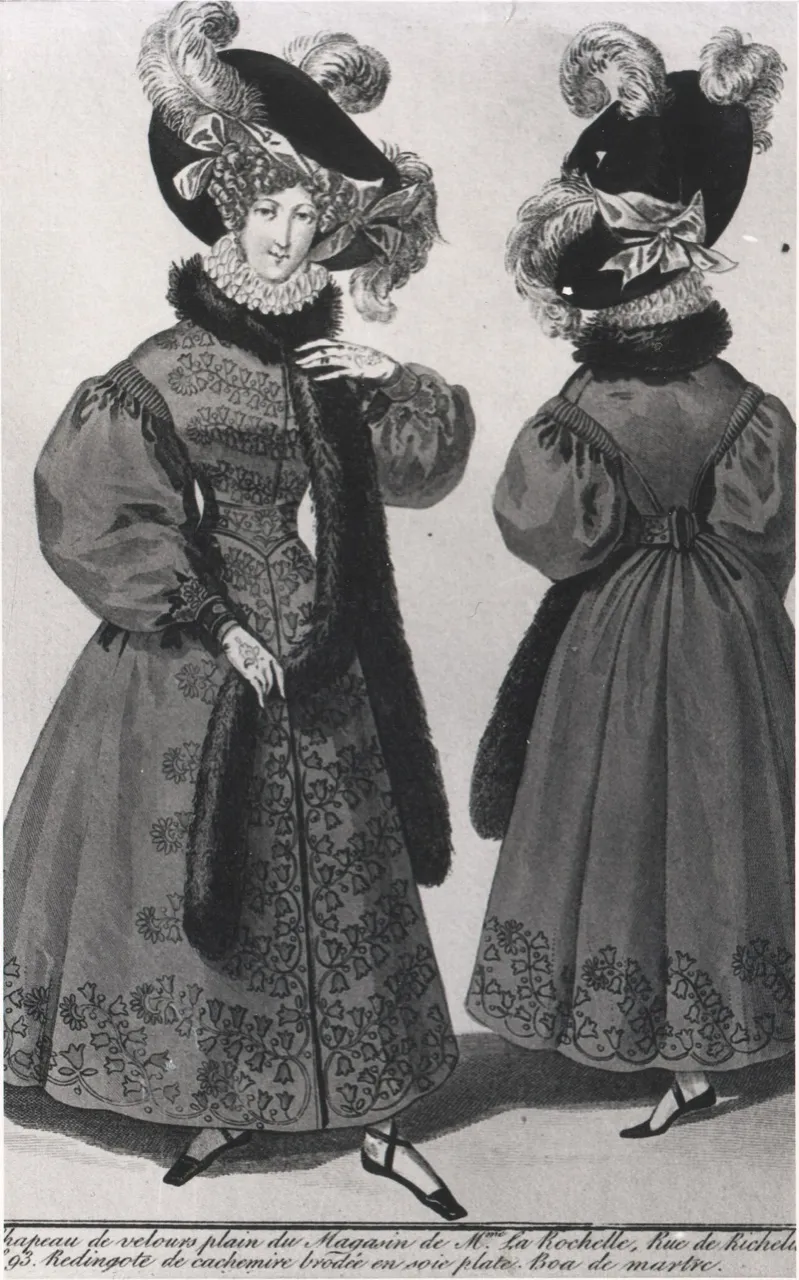
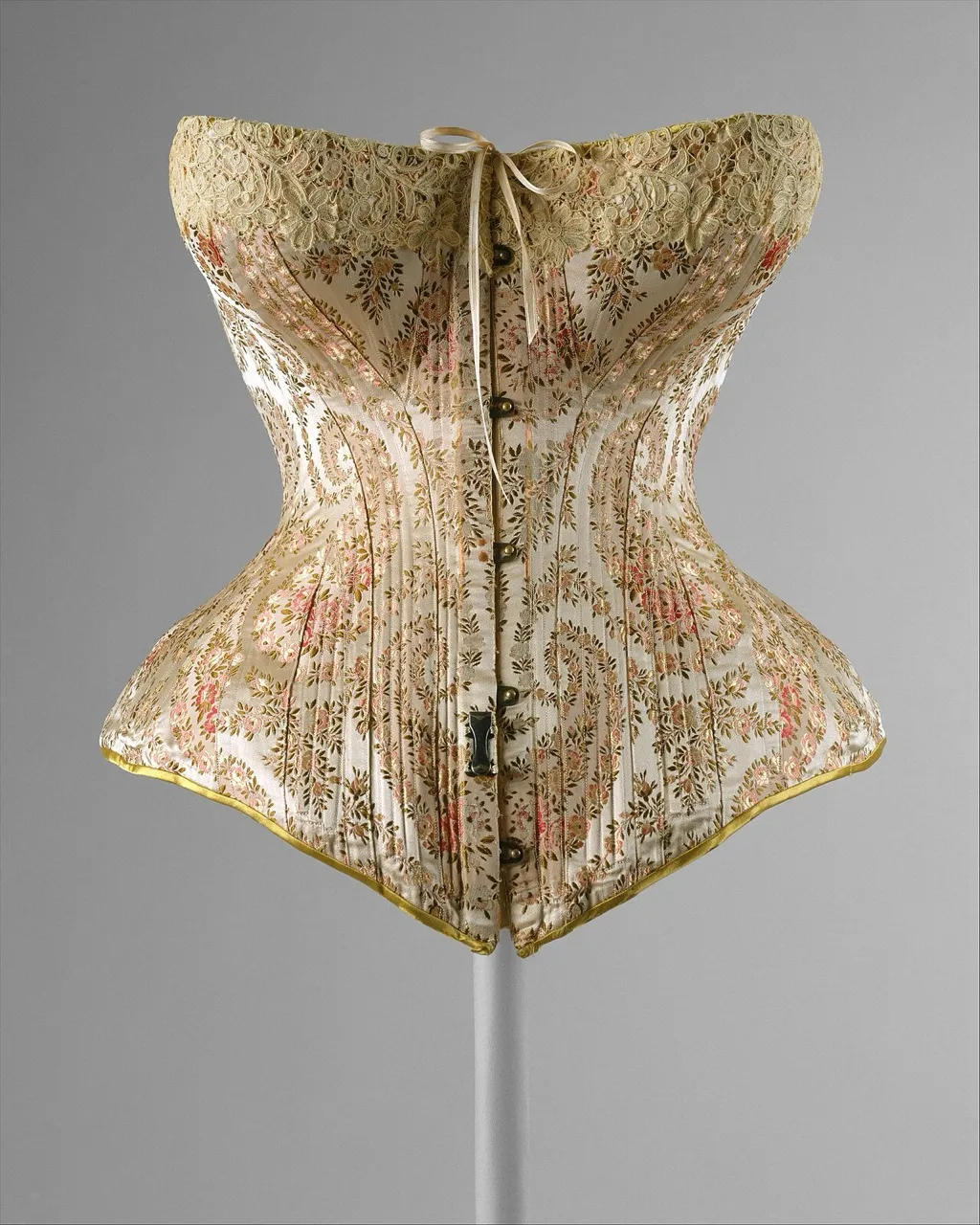
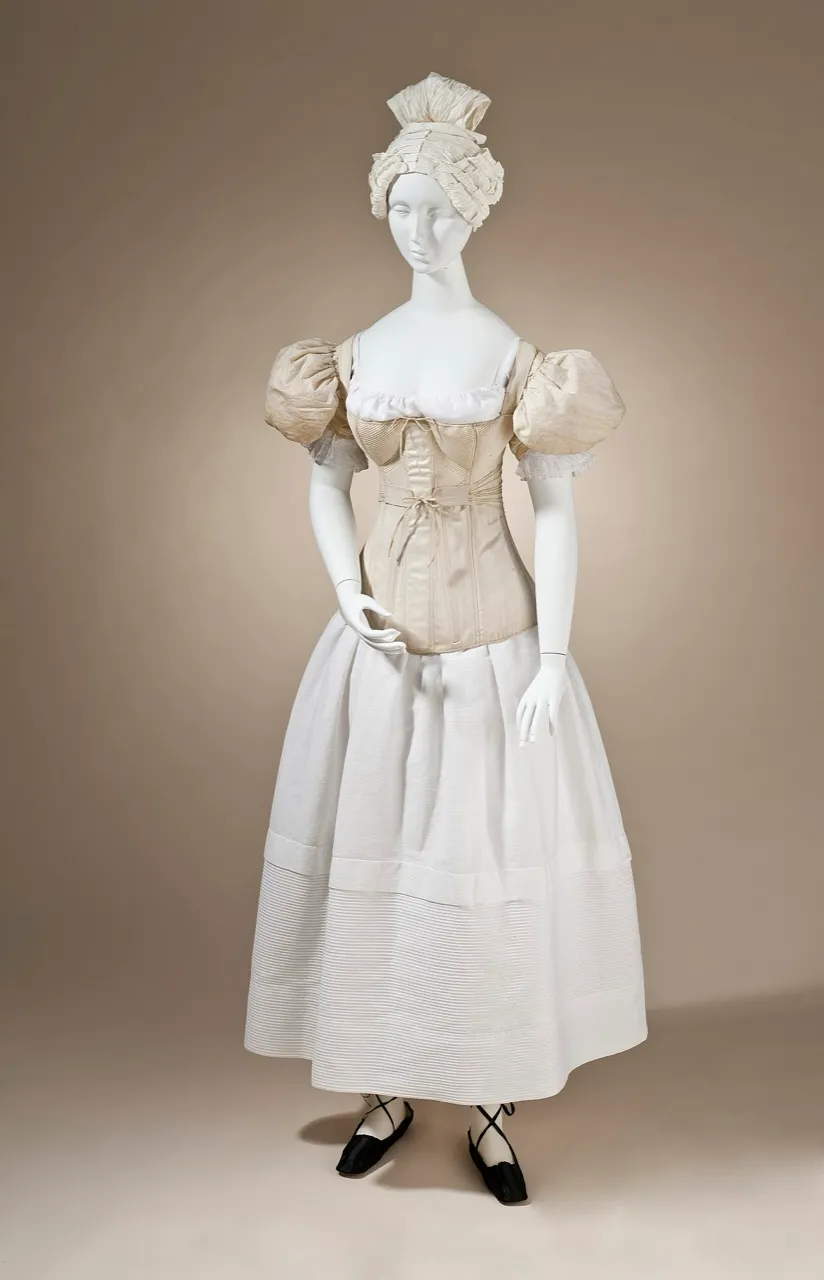
The nineteenth century made the corset mass-produced and technological. Metal eyelets appeared, then the front busk that opened and closed, then factory production. The corset became available to almost every woman, and almost every woman wore one. At the same time the fashion for a very small waist gave rise to tight-lacing, which caricaturists mocked and doctors opposed. Anatomists drew rib cages deformed by the corset and compared them with the skeleton of the Venus de Milo. Curiously, many of these horror stories were exaggerated: most women wore their corsets moderately, and the garment itself supported heavy skirts. But the image of the “killer corset” proved stronger than the statistics.
The Corset in Figures and Dates
Sixteenth century: the first stiff bodices at European courts
1820s–1830s: metal eyelets for lacing
1881: the Rational Dress Society founded in London
1947: Dior’s “New Look” brings back the cinched waist
A Liberation Credited to a Man
In the 1880s a movement for “rational dress” arose in Britain: reformers demanded that women’s clothing weigh less and not constrain the body. The real turning point came in the early twentieth century. The couturier Paul Poiret later proudly claimed that it was he who had “freed woman from the corset”, although other designers were moving towards a softer silhouette at the same time, among them Madeleine Vionnet and the house of Lucile. Fashion historians add an ironic detail: having freed the waist, Poiret shackled the legs, as his famous narrow skirts made a normal stride impossible. In the end the corset was pushed aside by sport, work and the First World War, when women needed clothes they could move in.
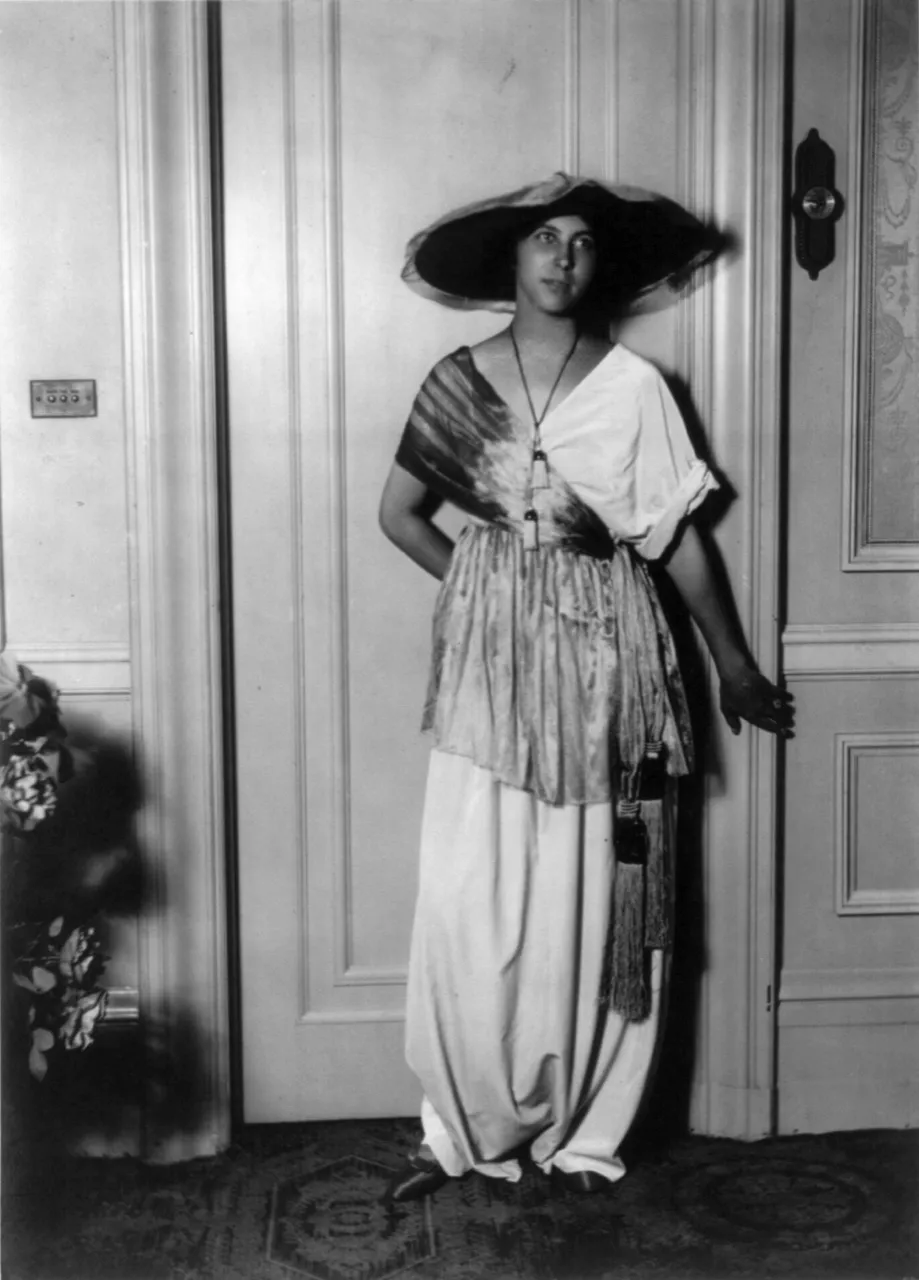
But the corset did not disappear. It went underneath clothes, and into myth. In 1947 Christian Dior showed the “New Look” with a cinched waist, and the lingerie industry at once brought out new waist-cinching girdles. At the end of the twentieth century the corset came out into the open: Vivienne Westwood turned it into outerwear, and the cone-cupped corset Jean Paul Gaultier created for Madonna became one of the most recognisable costumes in pop music history. The meaning was turned upside down: a garment once put on in order to conform came to be put on in order to make a statement. Armour instead of a cage.
A corset is never just a garment: it always answers the question of who decides what the body should be.
The Corset in the Age of Body Positivity
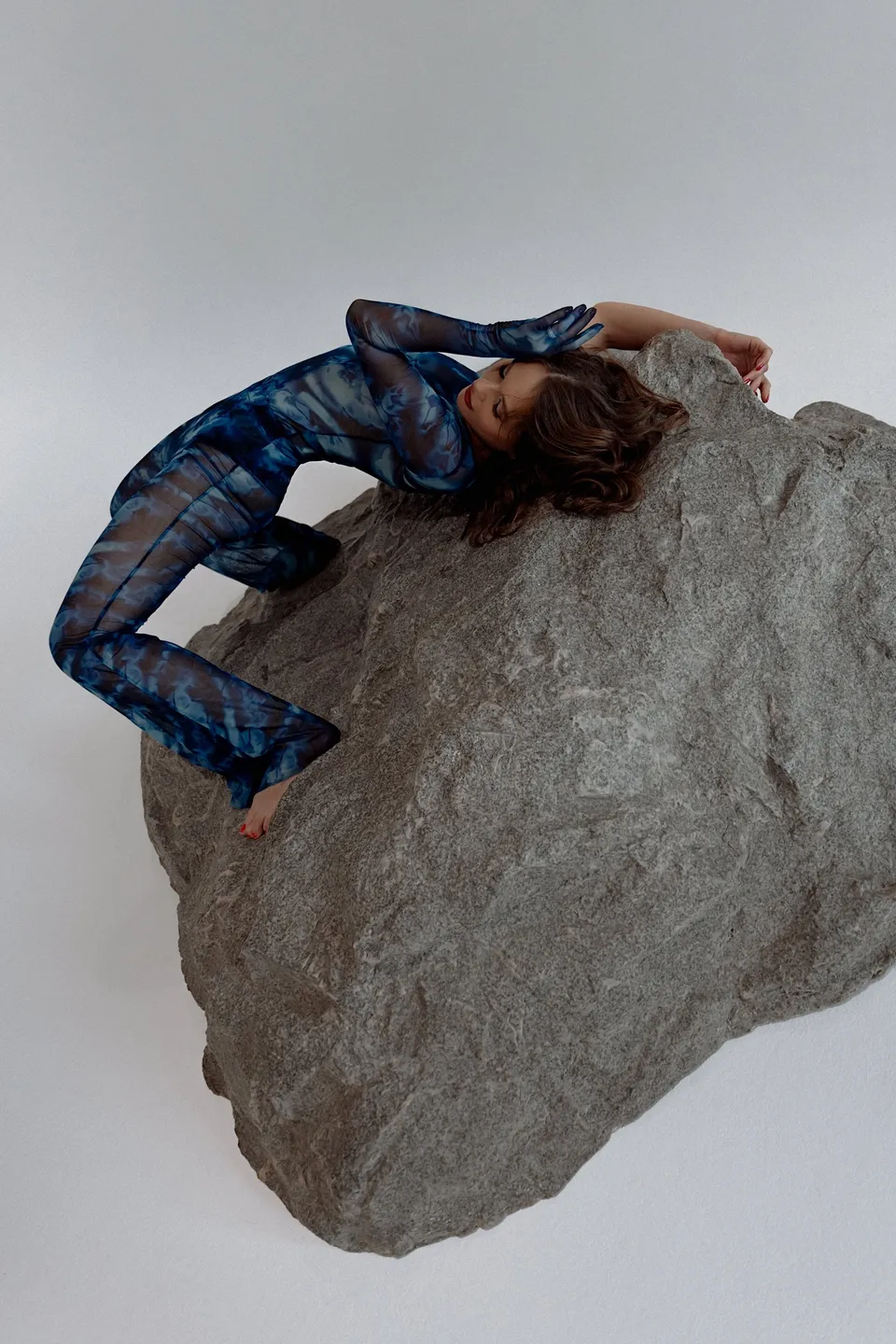
Today the corset has two lives. One is fashionable: corset bodices, basques and rigid tops appear in collections again and again, worn over shirts, with jeans and trainers. The other is cultural: conversations about body positivity, the pressure of social media and weight-loss injections bring the old argument back in new packaging. The corset is no longer needed to make a waist smaller, as filters, diets and drugs do that. Perhaps that is why the corset itself has become more honest today: it does not hide beneath the dress but openly shows that shape is a choice, not a norm.
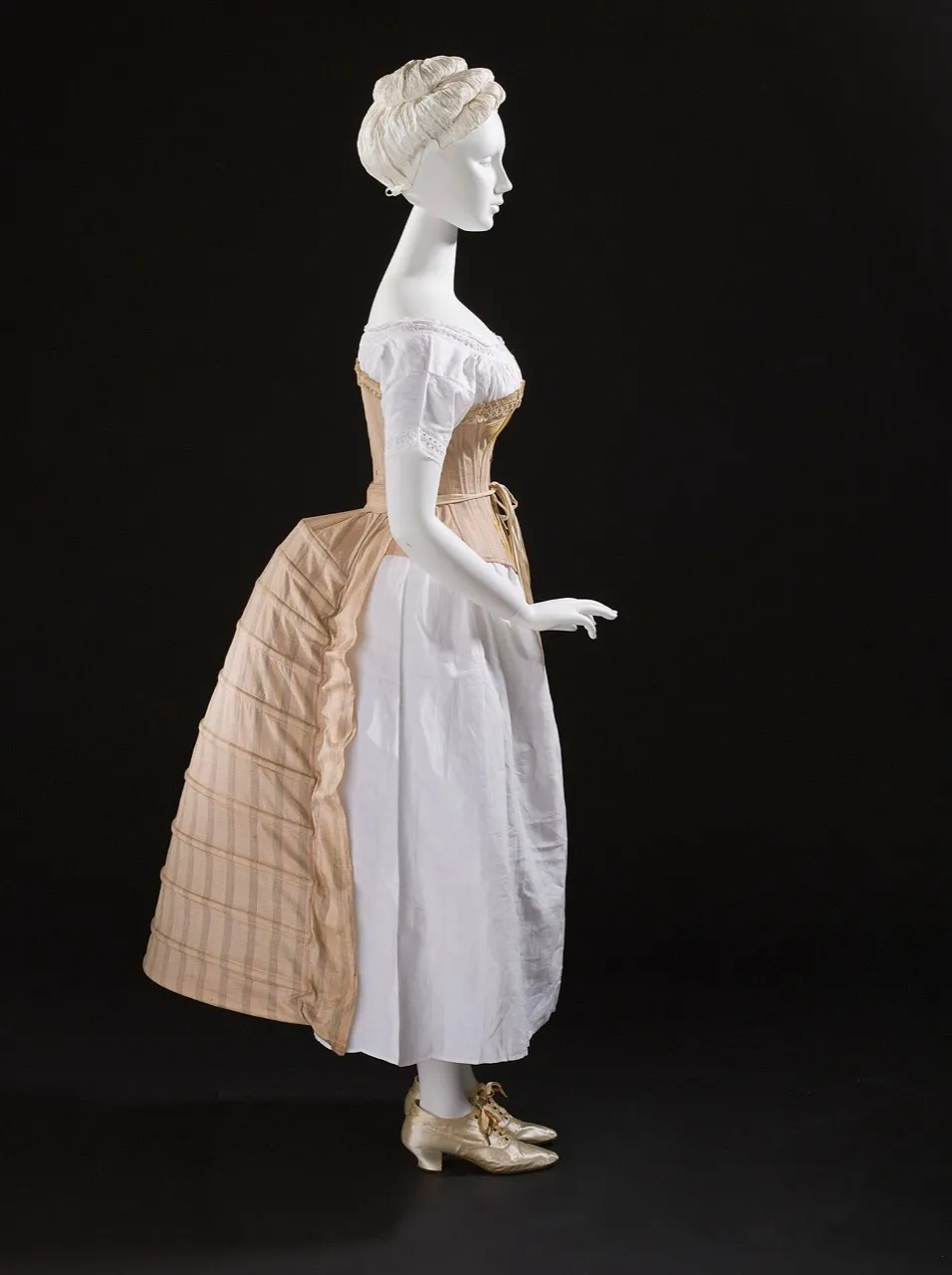
The corset as statement
If you ask what a corset is, a prison or armour, the honest answer is both, depending on who put it on and why. In the eighteenth century it gave posture, in the nineteenth conformity to an ideal, and at the end of the twentieth a voice. Every new generation rewrites its meaning, and that is perhaps the garment’s chief strength. It will not let us forget that fashion is always a conversation about the body, freedom and power. And until that conversation is over, the corset will keep coming back, so that we can argue about it again.