The First Model
While the industry argues about digital twins and virtual models, it is worth remembering how the mannequin’s profession began in the first place, and why it was invented by an Englishman in Paris.
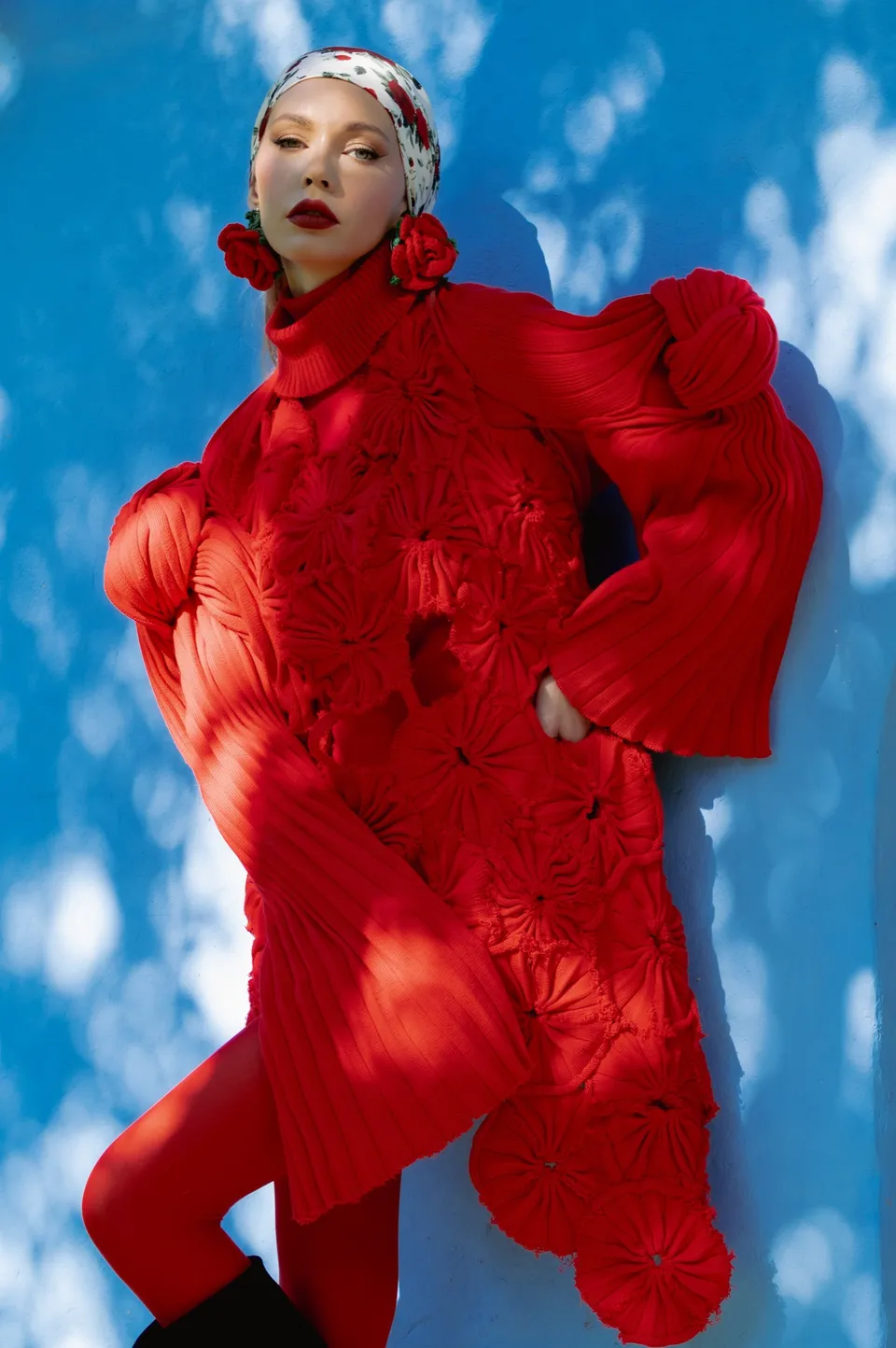
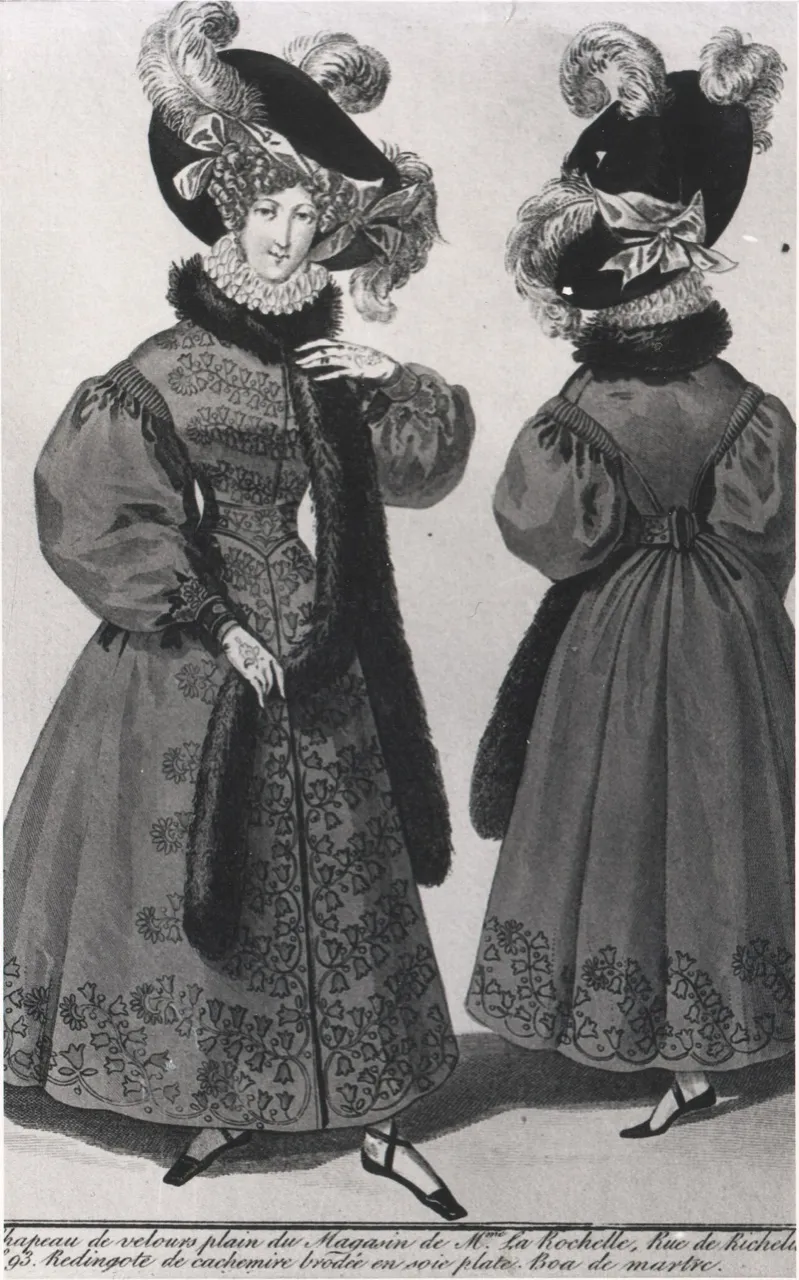
Today a model is a face, a contract, an agency, social media and, more and more often, a digital twin that a brand can “shoot” without flights or make-up artists. Yet in the middle of the nineteenth century the profession of model did not exist. Dresses were shown on dolls, on papier-mâché dummies, or simply laid out on the counter. The customer had to imagine for herself how the fabric would fall on a body. It was all changed by the man known as the father of haute couture, the Englishman Charles Frederick Worth. And his first model, according to the established account of fashion historians, was his own wife. This is the story of how fashion learned to sell not an object but an image in motion.
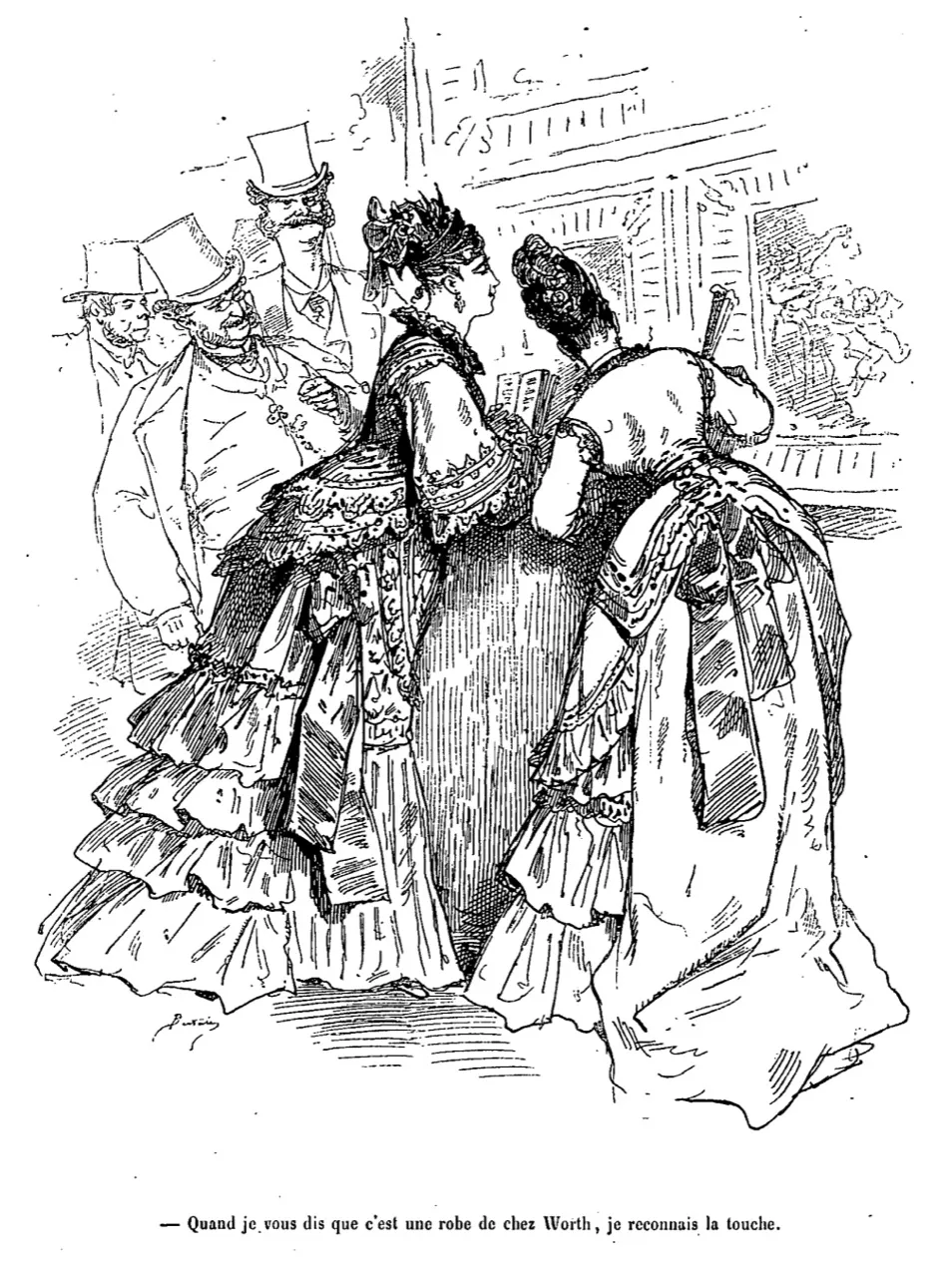
The Shop Girl Who Became an Image
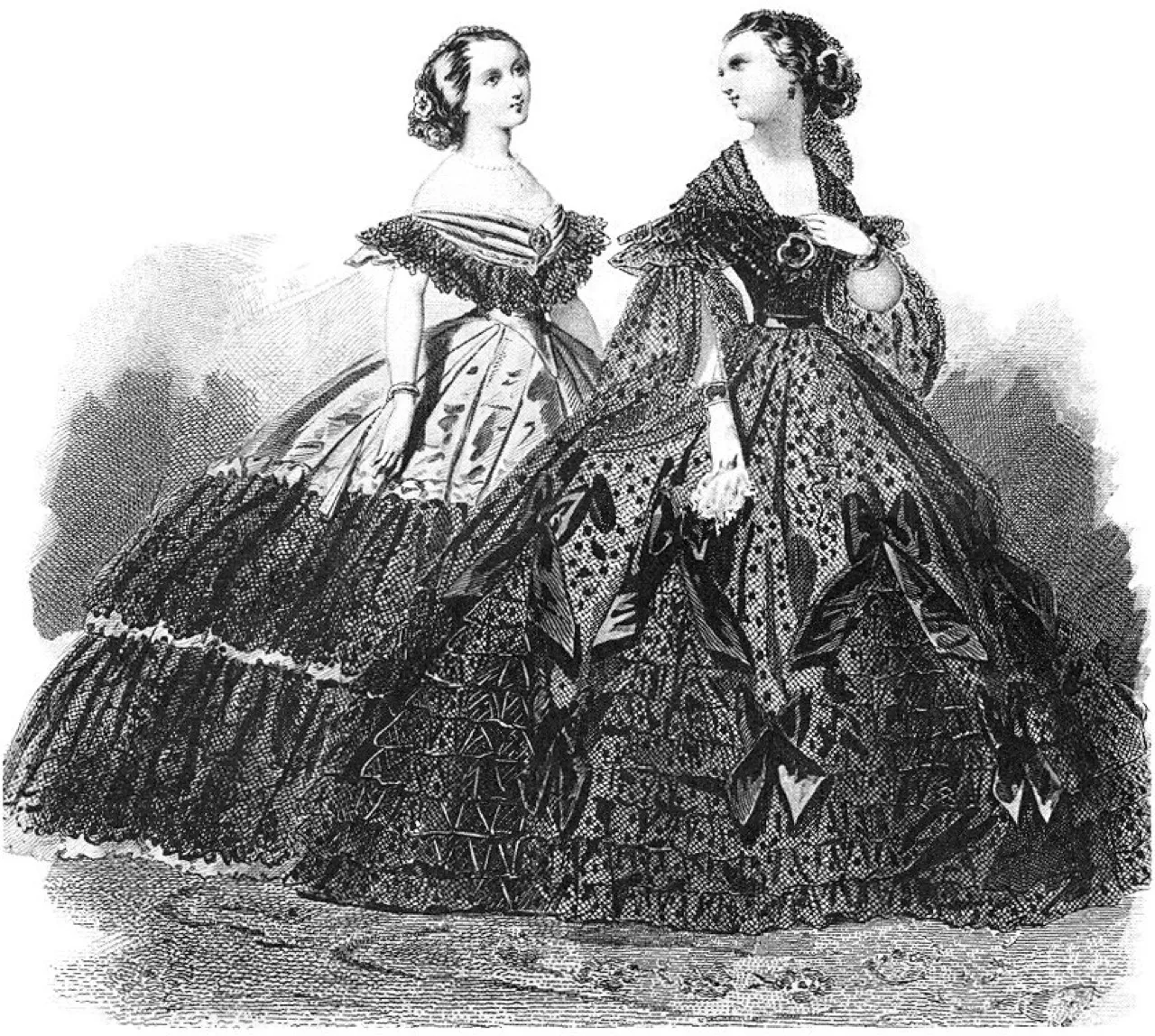
Worth arrived in Paris in the mid-1840s as a young cloth salesman and found a job at Gagelin, a well-known shop selling silks and shawls. A shop girl named Marie Vernet worked there too. She was asked to drape shawls and mantillas over herself so that customers could see how a piece looked on a living person. Worth began making simple dresses for Marie that set the shawls off to advantage, and clients started asking about the dresses instead. The couple married, and in 1858 Worth opened his own house on the Rue de la Paix with a partner, Otto Bobergh. Marie became the face of the house and its chief “argument”: she showed the gowns, went out in society wearing them and introduced Worth to the right people.
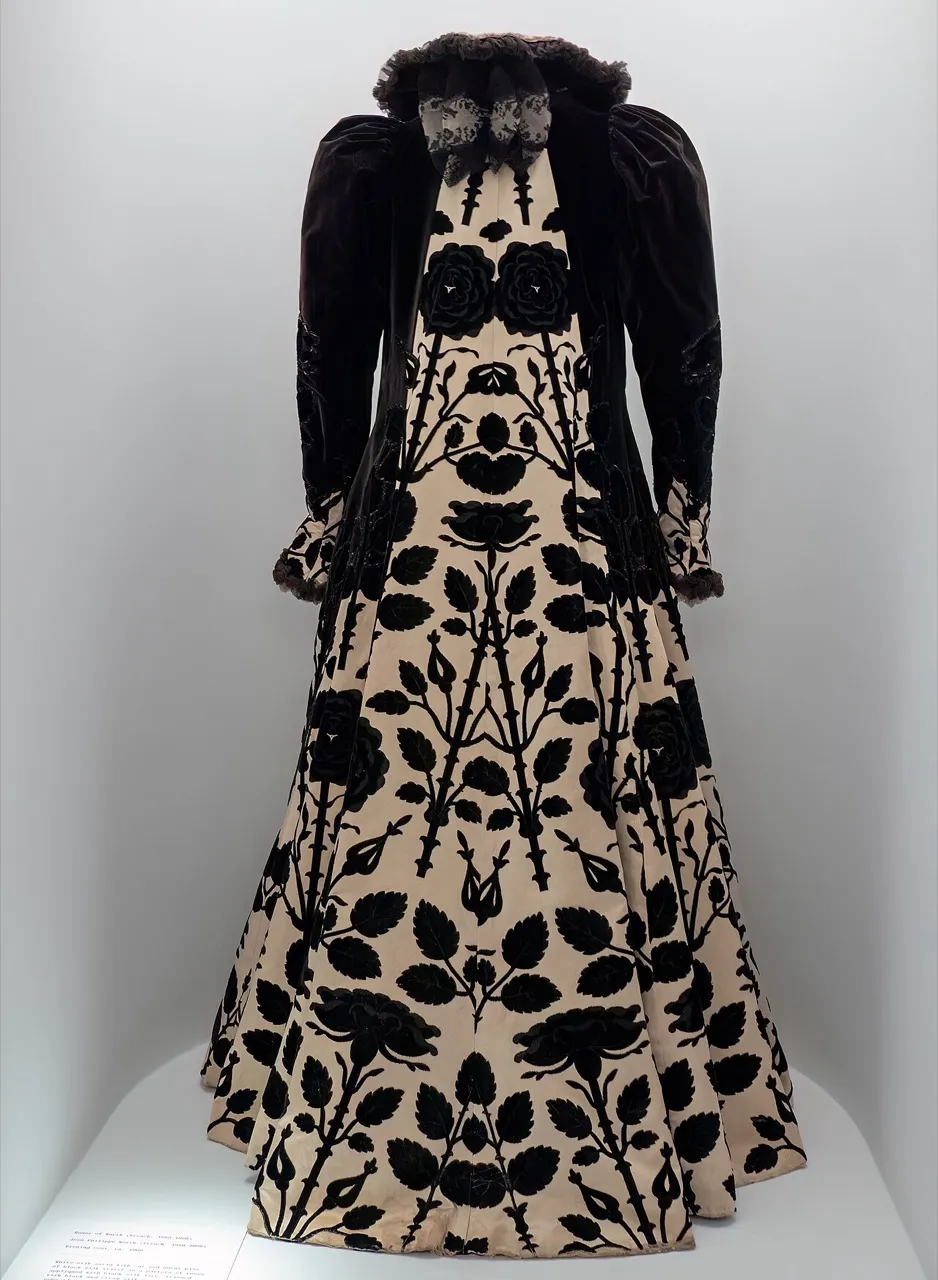
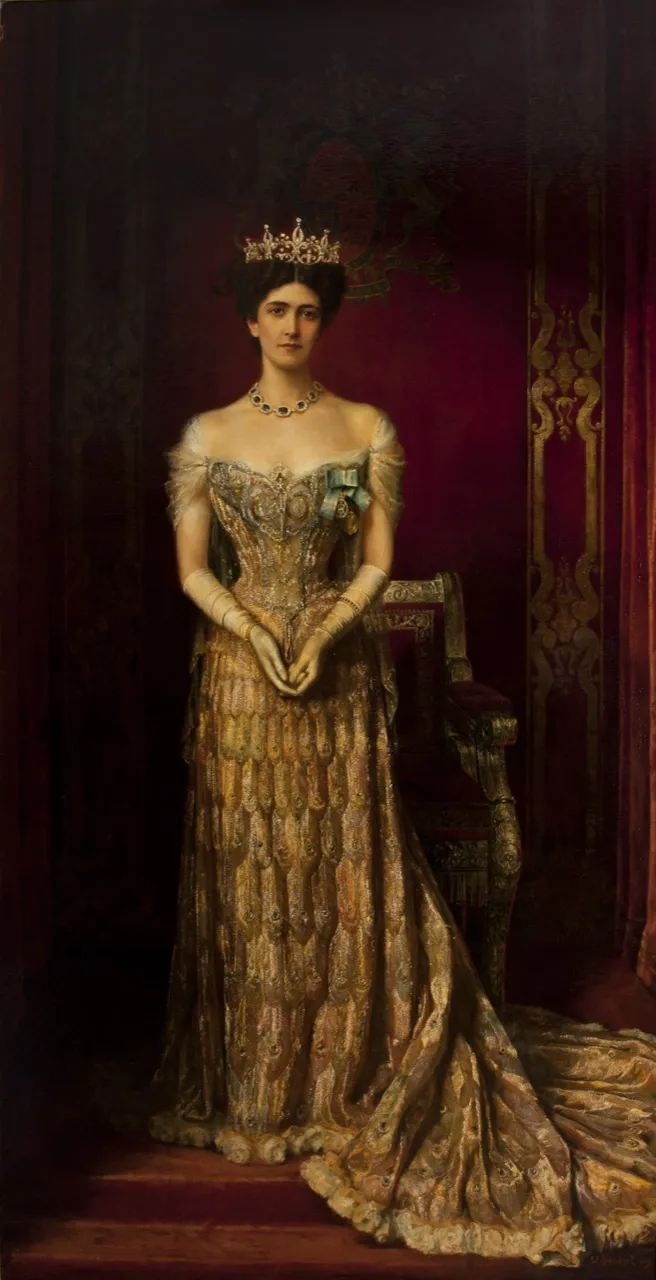
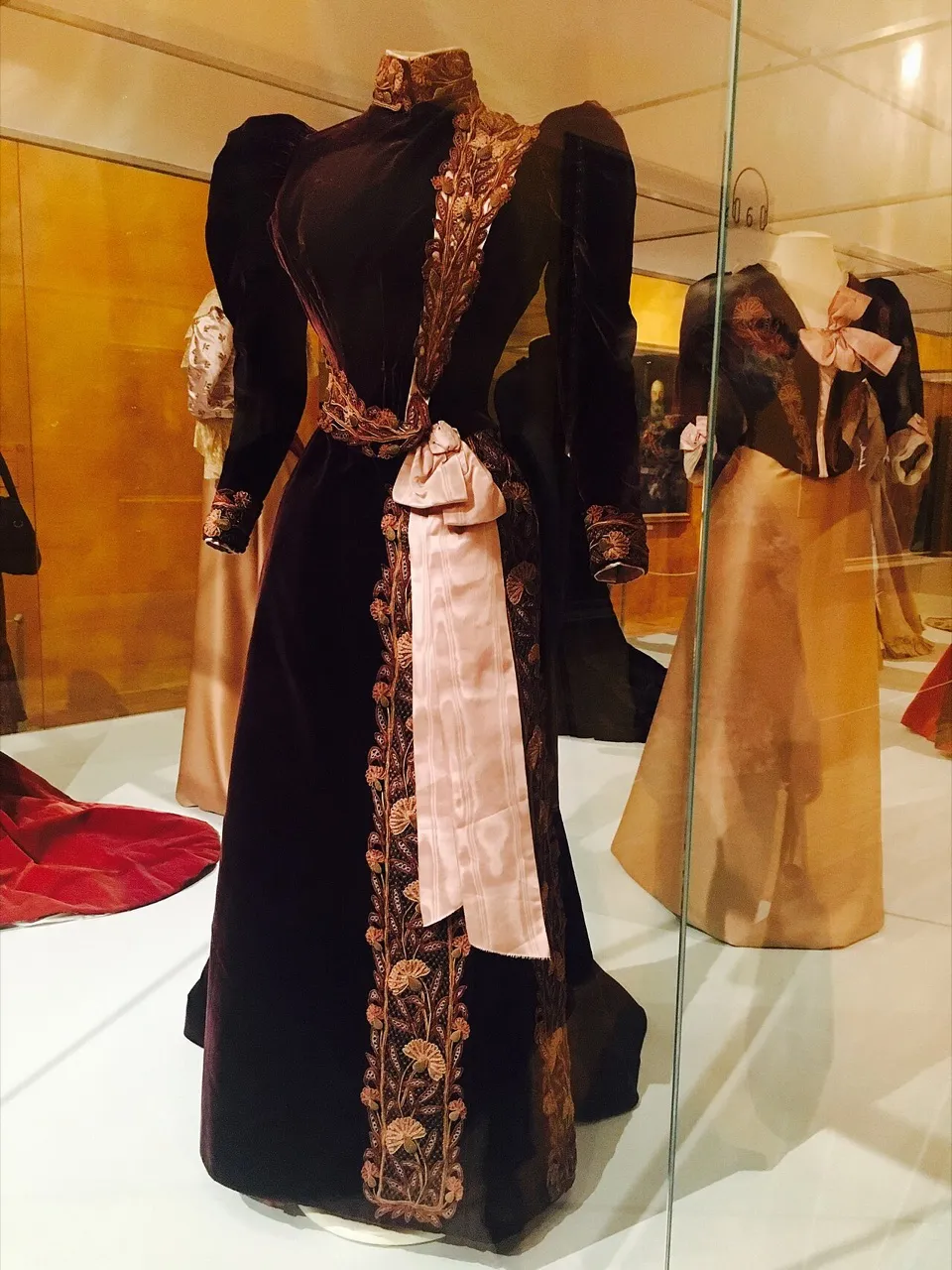
The House of Worth
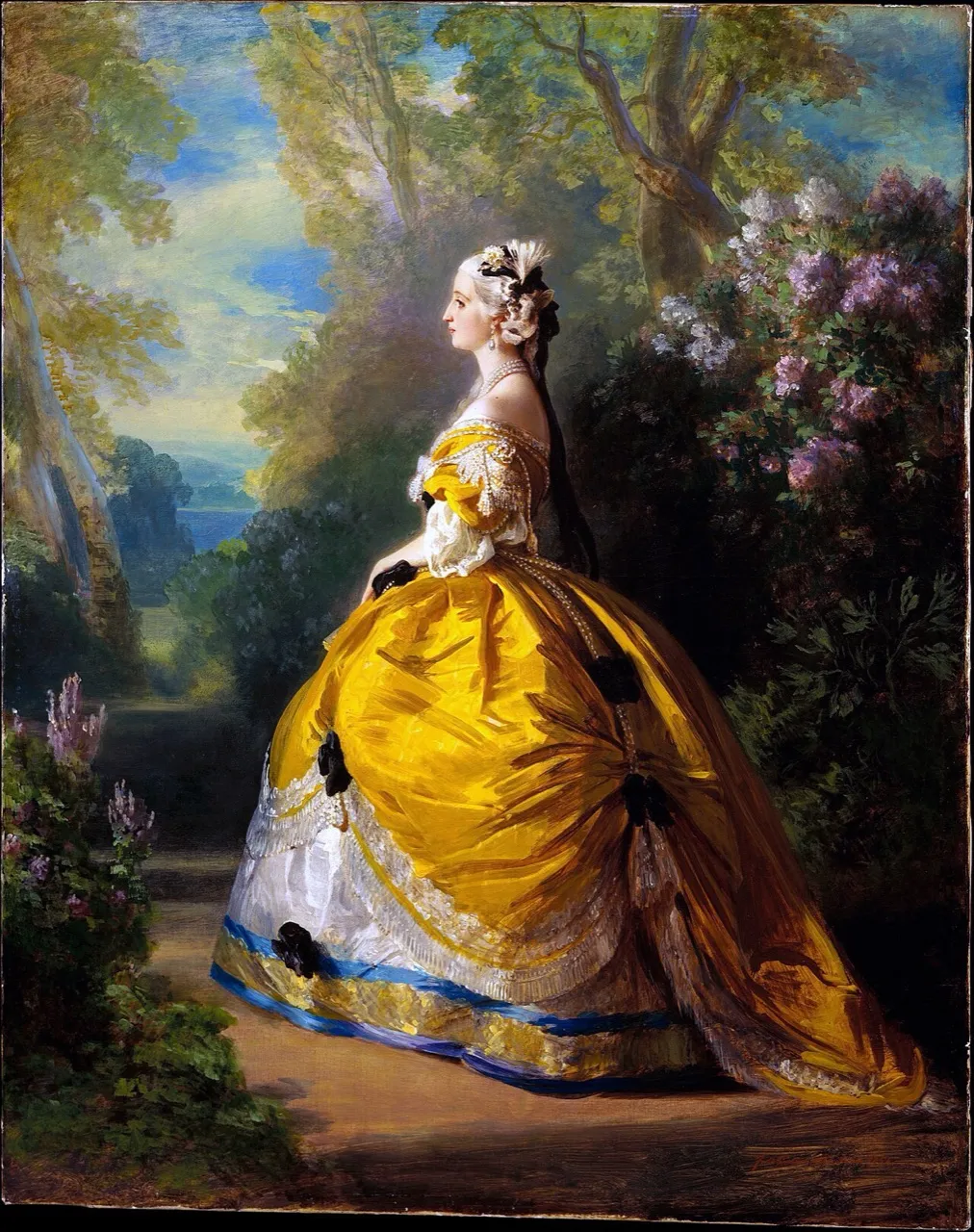
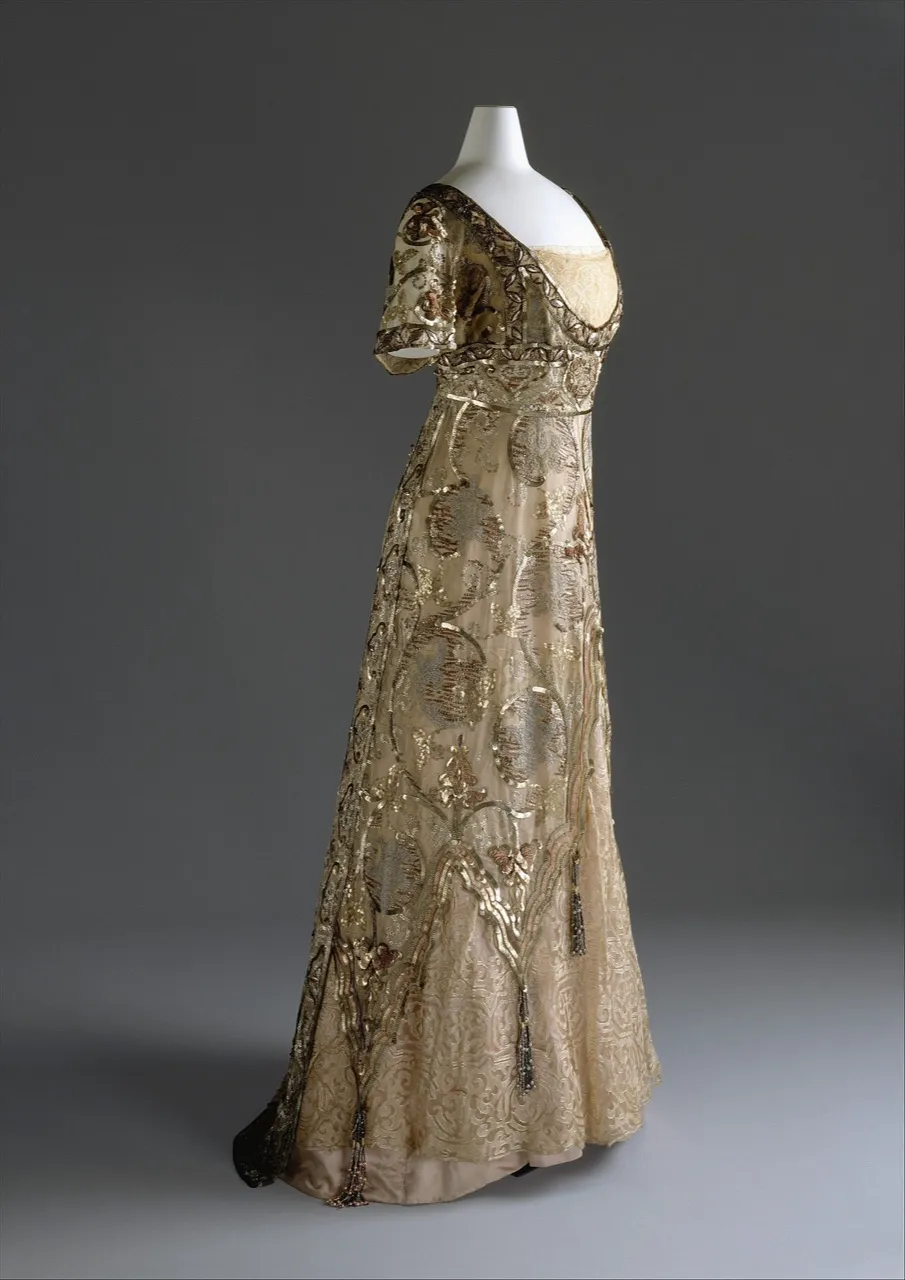
What followed was the first law of fashion: you need the right client. According to the well-known story, Marie took an album of sketches to Princess Pauline von Metternich, the wife of the Austrian ambassador. The princess ordered dresses, appeared in one of them at court, and the gown caught the eye of Empress Eugénie. From that moment Worth was the leading couturier of the Second Empire. He did what no one had done before him: instead of carrying out a client’s fantasy, he dictated what to wear. He showed finished designs, sewed a label with his name into the dresses, like an artist’s signature, and brought out new ideas every season.
Charles Frederick Worth
Lived: 1825–1895
Fashion house: opened in 1858 in Paris, on the Rue de la Paix
What he invented: the couturier’s name label, seasonal collections, the show on live models
Main client: Empress Eugénie
Doubles in the Salon
In time Worth hired young women whose figures resembled those of his main clients. They were called “doubles”, or sosies in French. A client would come to the salon and her double would put on several dresses for her and walk through the room. It was almost modern logic: show the piece on a body, in motion, in the right light. The double’s work was hard and badly paid: changing clothes for hours, standing through fittings, never showing fatigue. The profession was long considered dubious, and mannequins had neither name nor status. But without them there would have been no shows and no couture houses as we know them.
In the early twentieth century the show became a spectacle. In London, Lady Duff Gordon’s house Lucile staged “fashion parades” with music and lighting and gave its mannequins names and roles. Paul Poiret took his models on tour around Europe. In the 1920s Jean Patou brought American mannequins to Paris to show clothes on slim, athletic girls who looked like his customers. Each time fashion was answering the same question: which body and which face will best sell the dream. The answer changed with the era, and the profession changed with it.
The model has always sold not the dress but a promise: this is who you could become.
From Double to Digital Twin
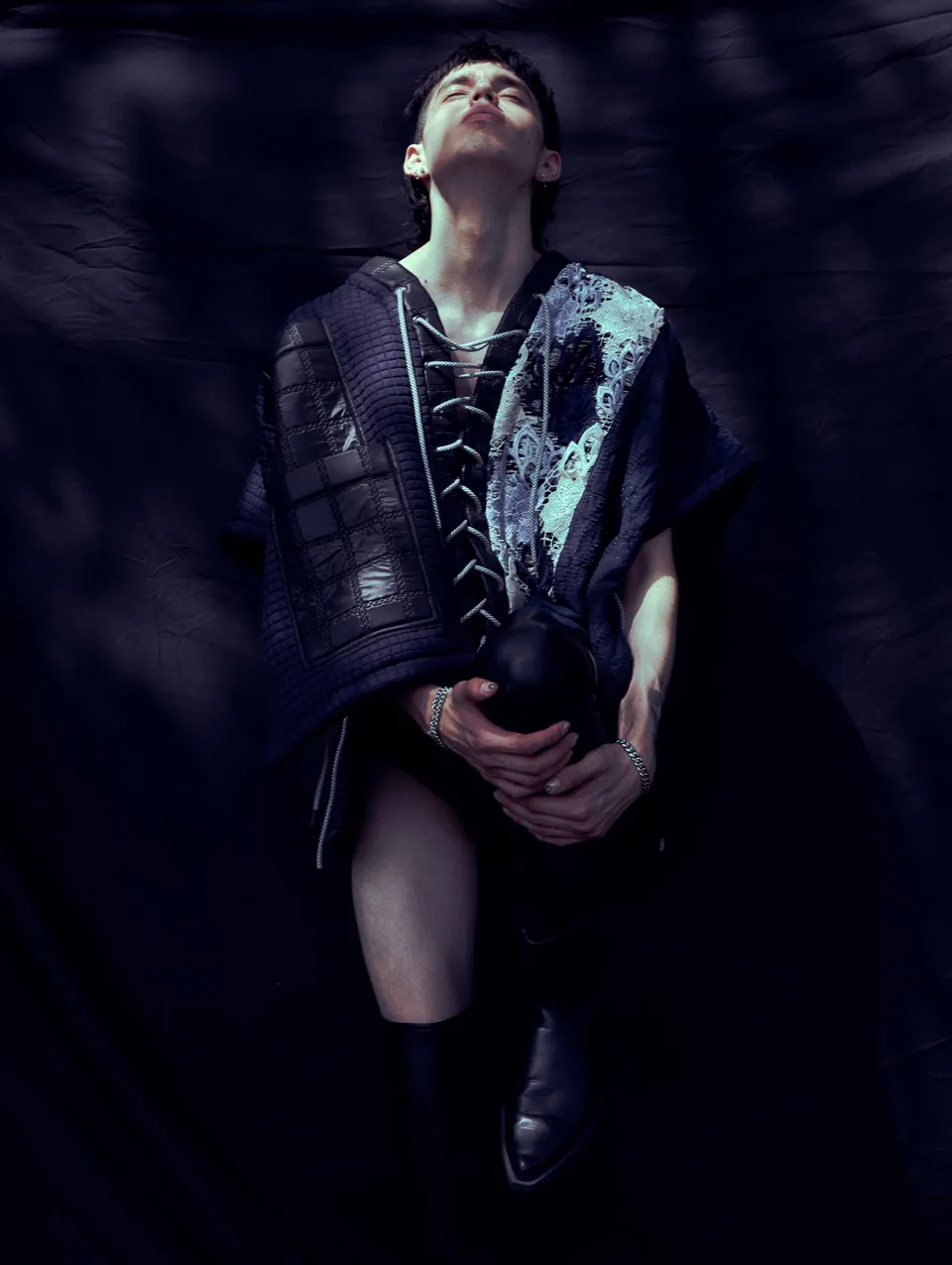
It is amusing that a century and a half later the industry is talking about doubles again, only now digital ones. Brands create virtual copies of real models so they can “shoot” them without flights, make-up artists and studios. Supporters speak of savings and new possibilities; critics speak of models’ rights to their own faces, fair pay, and the fact that a living person is vanishing from the screen. But the idea itself is not new: the sosie in Worth’s salon was also a client’s “stand-in”, a way of showing how it would be. The difference is that back then the double was alive, got tired and could ask for a raise.
How the show changed
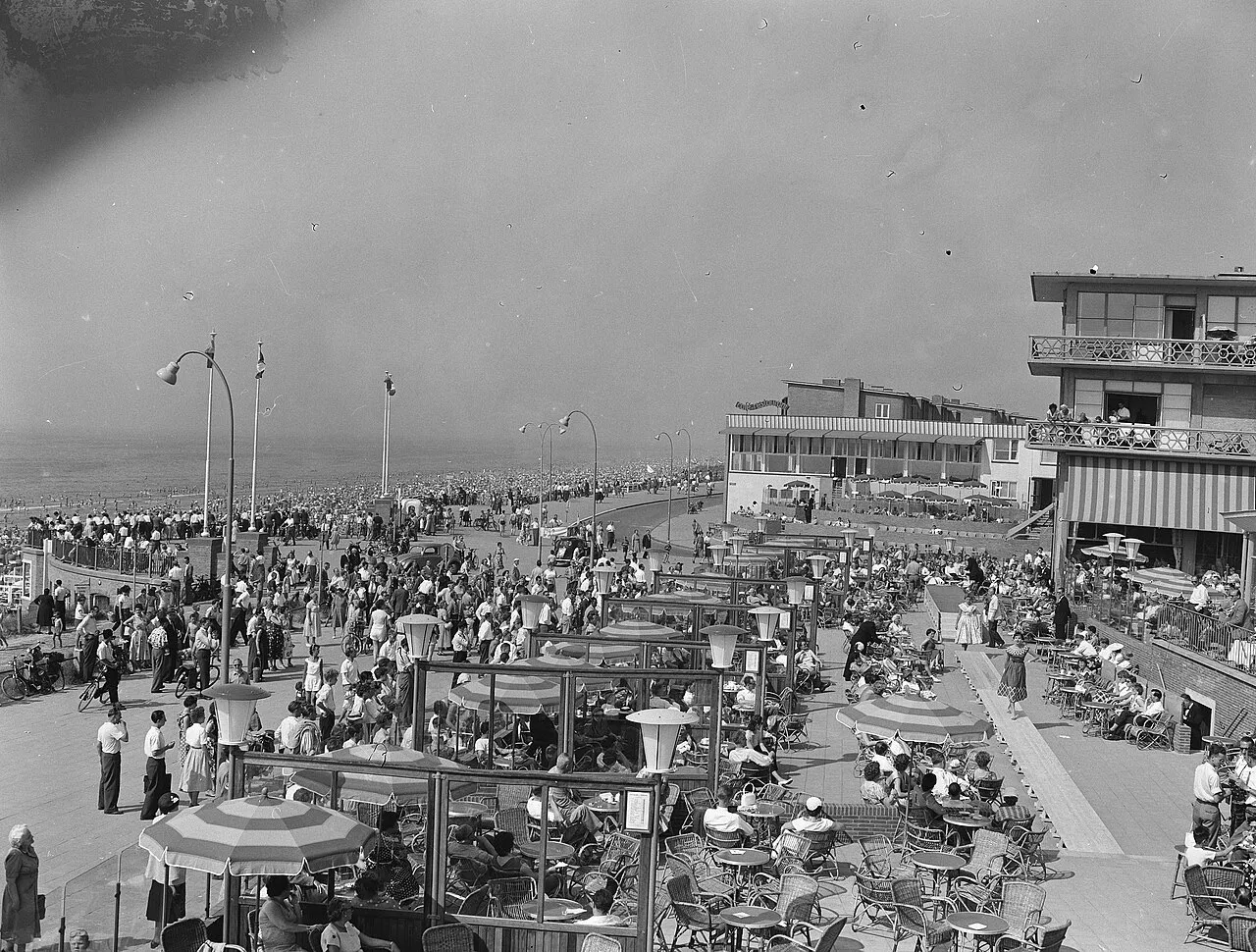
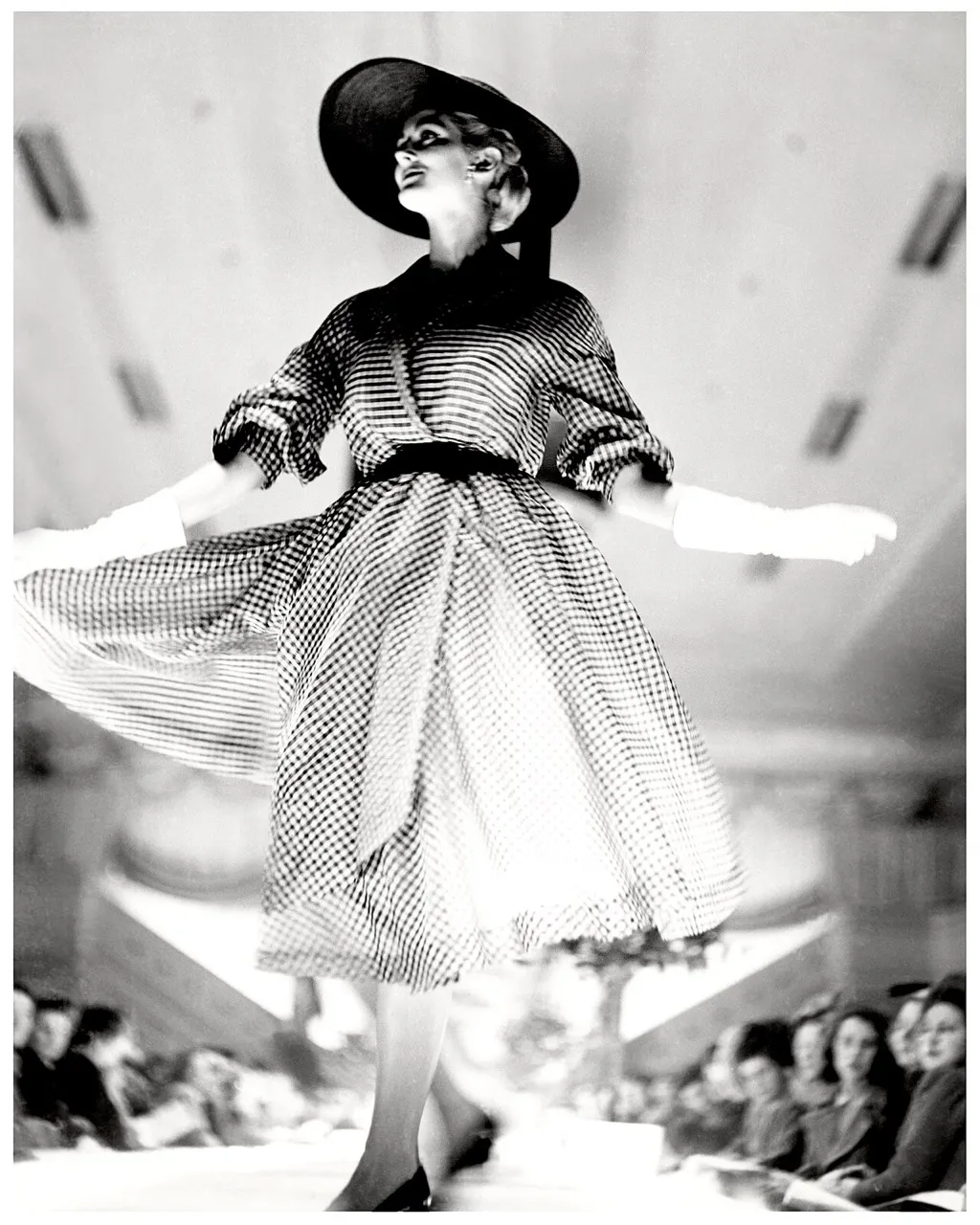
The story of the first model is a story about how fashion always sells more than cloth. Marie Vernet showed a shawl on her shoulders, and the shawl came alive. Worth’s doubles walked through the salon, and the client saw herself in a new dress. The digital twin of 2026 solves the same task faster and cheaper. The question worth asking is not technical but human: are we ready to buy a dream that has no living face? Judging by how the industry keeps returning to live shows, the answer so far is no.