The Powder Tax
Elaborate hairstyles, wigs and volume are back in fashion. In the eighteenth century a hairdo could carry a model ship, and the British government taxed hair powder, changing fashion for ever.
Elaborate styling, hair extensions, wigs and voluminous hairdos are appearing again on runways and social media. Hair has become a space for self-expression: colour, shape, accessories, whole sculptures on the head. But all this looks modest beside the eighteenth century. Then fashionable women wore hairdos several tens of centimetres high, with feathers, flowers and even model ships, while men and women dusted their hair with starch powder. The fashion for powder was so widespread that the British government decided to make money from it. The history of powdered hair is a story about status, extravagance, politics and how a tax can change fashion.
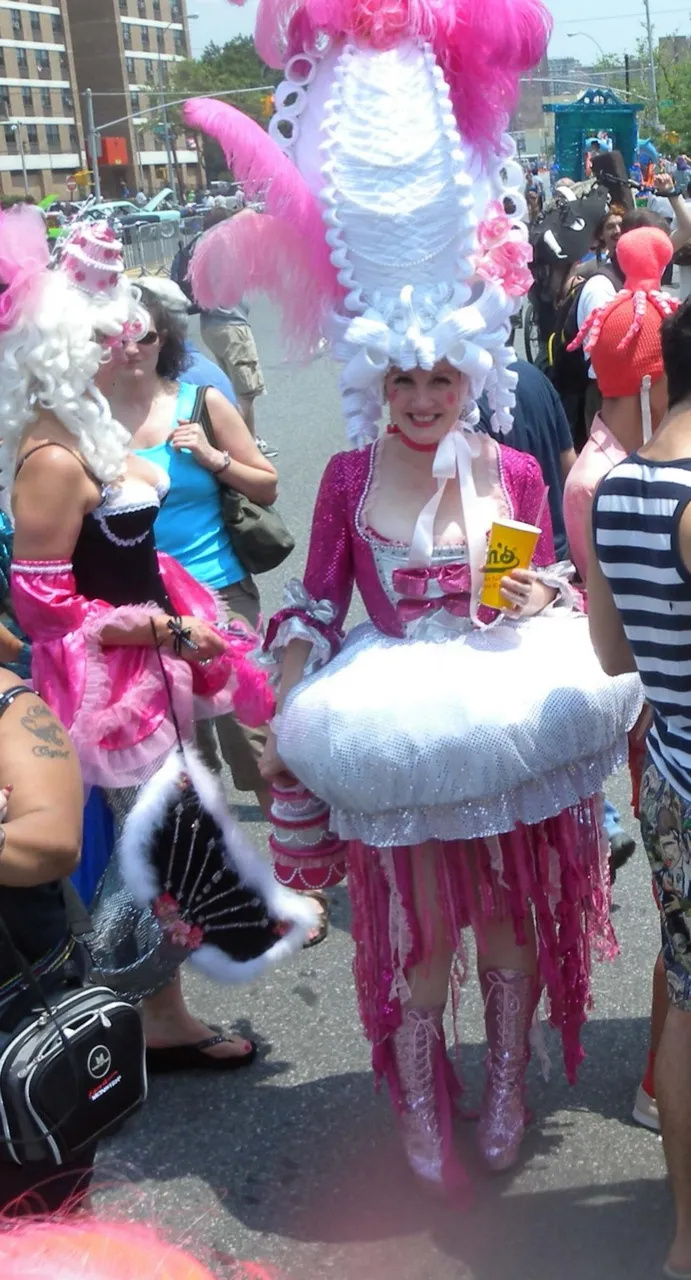
Towers of Hair
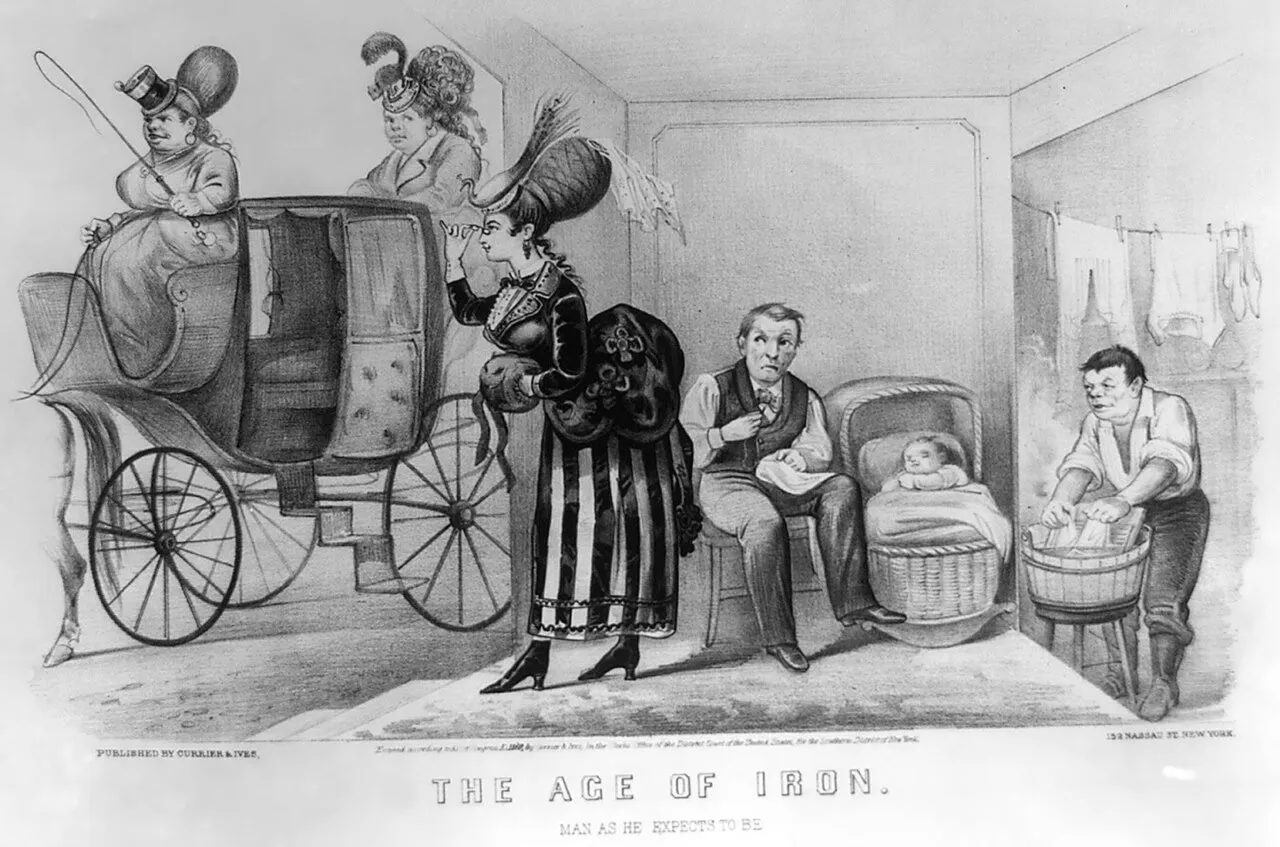
In the 1770s the fashion for the “pouf” flourished at the French court: a tall hairstyle on a framework, supplemented by false hair, pads and ornaments. The chief arbiter of this fashion was Queen Marie Antoinette and her hairdresser Léonard Autié. Hairdos became real installations: gardens, scenes from life, political symbols. The most famous example is the “à la Belle Poule” hairdo with a model of the frigate celebrated in the naval battle of 1778. To preserve such a construction women slept half-sitting, and the hairdo itself lasted for weeks. Satirists on both sides of the Channel drew ladies whose hair brushed chandeliers.
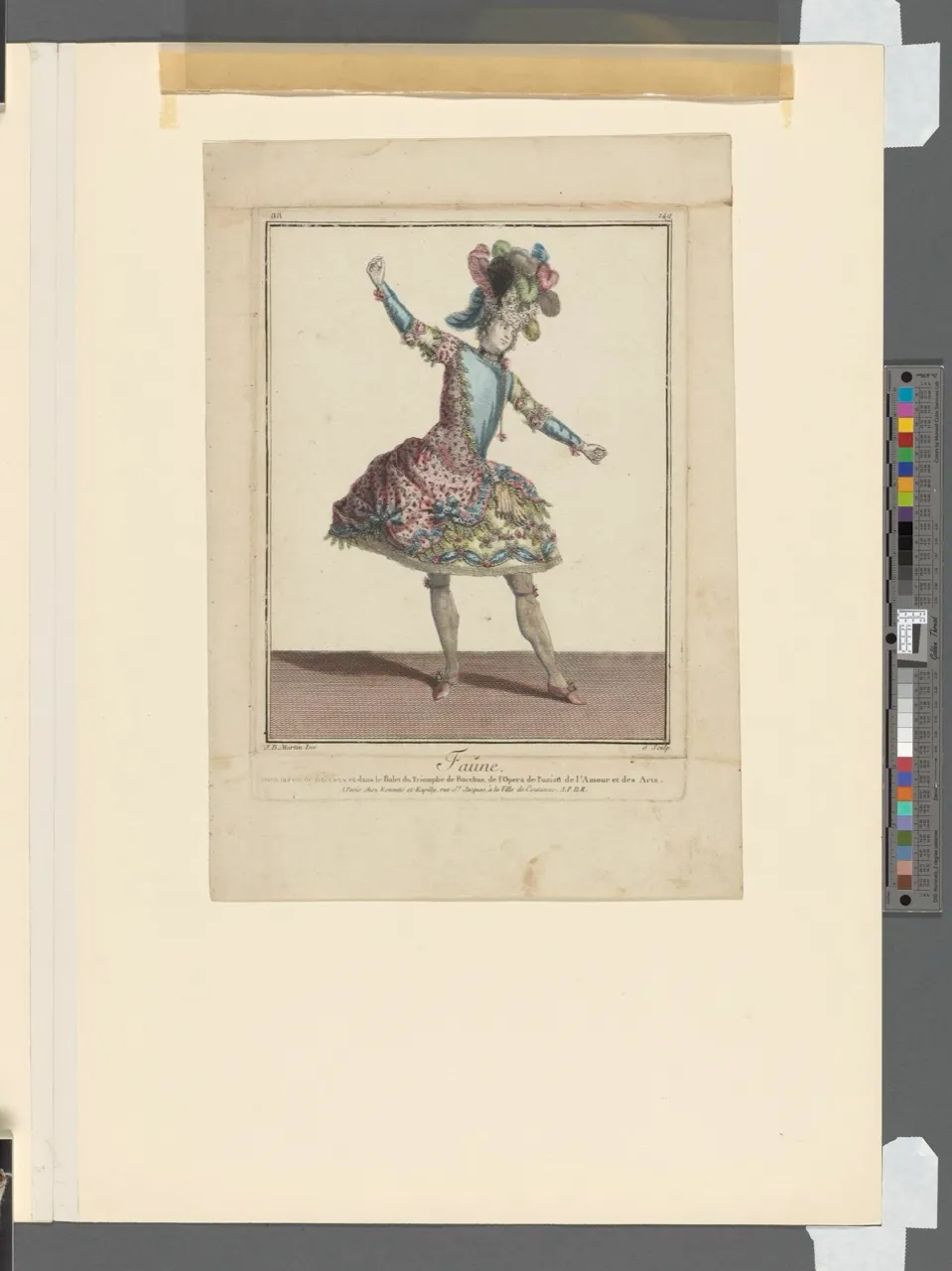
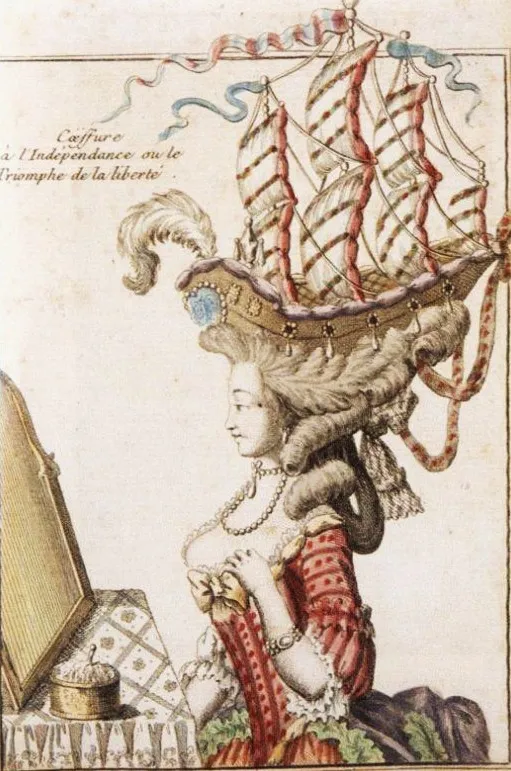
Hairdos of the age
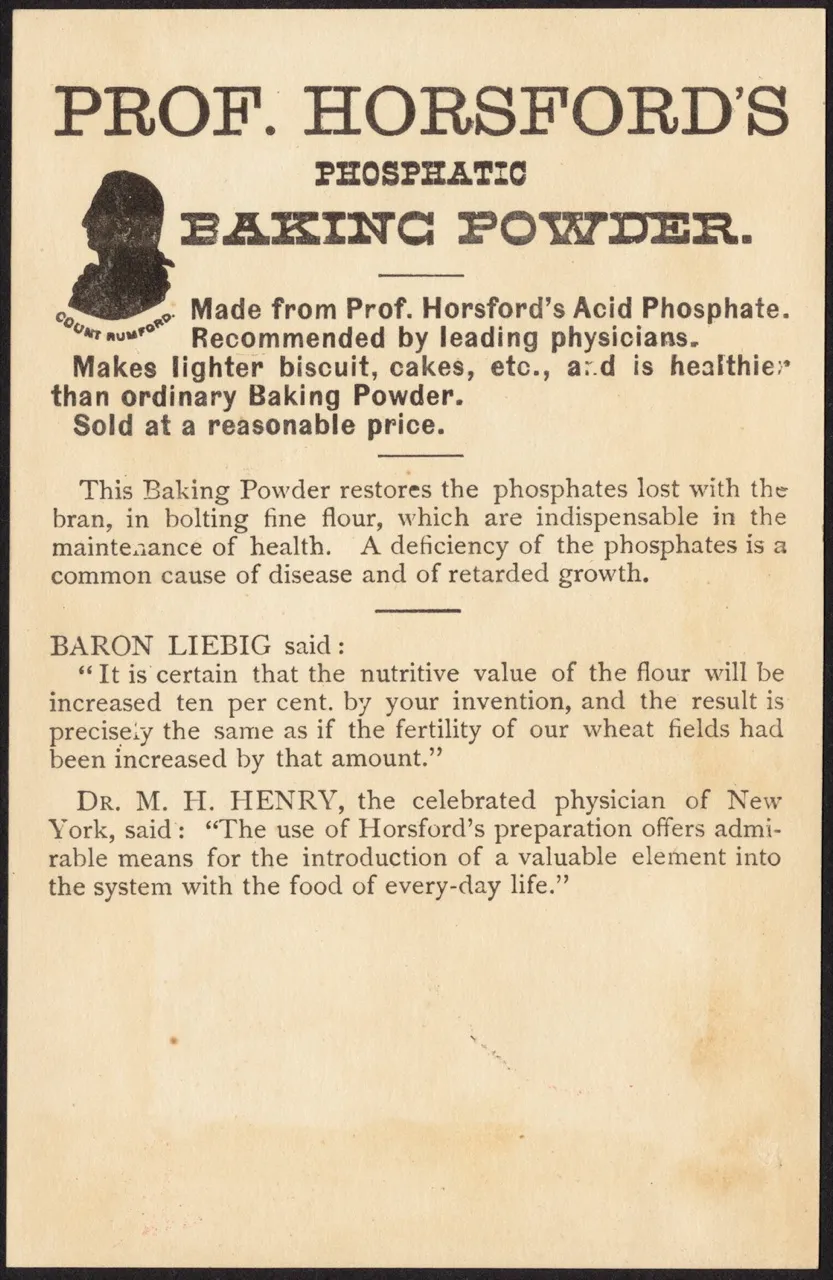
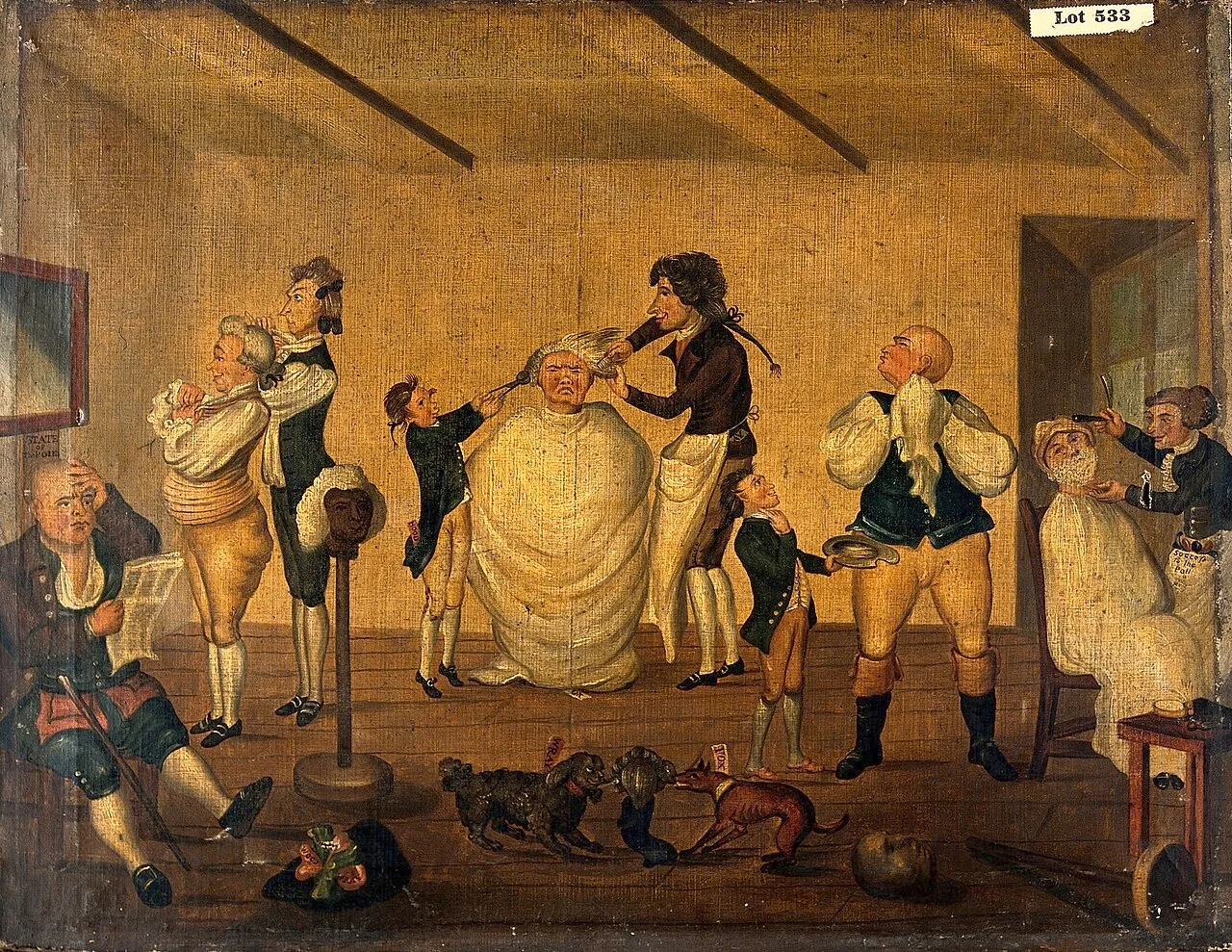
Powder was an obligatory part of the look. Hair and wigs were smeared with a fat-based pomade and then dusted with powder, most often starch or flour, sometimes with added scents and colourings. The procedure was noisy and dusty: a person put on a special cape, covered the face with a mask or a cone, and a servant blew powder on the hair with bellows. In wealthy houses there were separate rooms for this. Powder gave a fashionable white or greyish tint, hid grey hair and made the look uniform. Men also wore wigs, from long curls to neat pigtail wigs.
Hair Powder
Composition: starch or flour, sometimes scents and dyes
How it was applied: with bellows, the face covered by a mask
1795: a tax on hair powder is introduced in Britain
Taxpayers were nicknamed “guinea pigs”
Guinea Pigs
In 1795 the British government of Prime Minister William Pitt the Younger introduced a tax on hair powder. Anyone who wanted to powder their hair had to buy a certificate each year for one guinea. Wits at once nicknamed the payers “guinea pigs.” The tax had an economic background too: a war was on with revolutionary France, the state needed money, and the country was short of grain, so spending flour on hair seemed wasteful. The tax worked in an unexpected way: the fashion for powder rapidly declined. Many gave it up to save money, and some did so demonstratively, as a symbol of the old order.
At the same time in France the revolution made lavish hairstyles dangerous: they were associated with aristocracy and the court. Young people began to cut their hair short in the antique spirit, and the “à la Titus” cut imitated Roman busts. Natural hair and simplicity came into fashion along with new political ideals. By the early nineteenth century powder and wigs survived only on special occasions: for judges, for footmen in livery, in ceremonies. British judges and barristers still wear wigs, one of the last living reminders of the age of powder.
An eighteenth-century hairdo was not just fashion but a statement: I can afford to spend time, servants and flour on my head.
Volume Returns
Today’s fashion for elaborate styling and wigs has different reasons but a similar logic. Wigs and extensions have become the norm thanks to pop stars, drag culture and beauty bloggers. Hair is turning into an art object again: coloured strands, sculptural styling, accessories. Interestingly, the dry shampoos we use for volume and freshness are in essence distant relatives of eighteenth-century powder: also starch, also for hair. The difference is that today nobody pays a tax on them and nobody considers a hairstyle the symbol of a political regime.
Hair in the archives
The history of powdered hair shows how closely fashion, economics and politics are linked. Tall hairdos were a symbol of aristocratic extravagance, the tax made them an expensive pleasure, and the revolution made them politically dangerous. As a result fashion changed faster than any designers could have changed it. The next time you see a gigantic hairdo on a runway or use dry shampoo, remember the “guinea pigs” of 1795: sometimes fashionable change begins not in a salon but in the Treasury.