Weapon and Comfort
In hard times women buy more lipstick, and economists have even coined a term for it. A timeline of the most political item in the make-up bag: from Mesopotamia to patriotic red.

Economists noticed long ago a curious pattern: in a crisis people cut back on big purchases but go on buying, and sometimes buy more eagerly, small pleasures such as lipstick. The effect was simply named the “lipstick effect.” Lipstick turned out to be much more than a lip product: it was worn by priestesses and queens, banned by moralists, handed out to suffragettes, made for the army and called a weapon of morale. It was a sign of rebellion, status, confidence and comfort. The history of lipstick is the story of how the smallest thing in a make-up bag turns into a political and emotional symbol. Here is its timeline.
Antiquity. Colour From Stone
People coloured their lips long before cosmetics in the modern sense existed. In ancient Mesopotamia, according to archaeologists, crushed semi-precious stones were used for this. In ancient Egypt cosmetics were part of everyday and ritual life: Egyptians lined their eyes, used lip colourants and kept cosmetics in elegant vessels that now adorn museum collections. For red they used ochre, plant dyes and even insects. Lip colour was a sign of status and beauty, but sometimes of danger too: some pigments contained toxic substances.
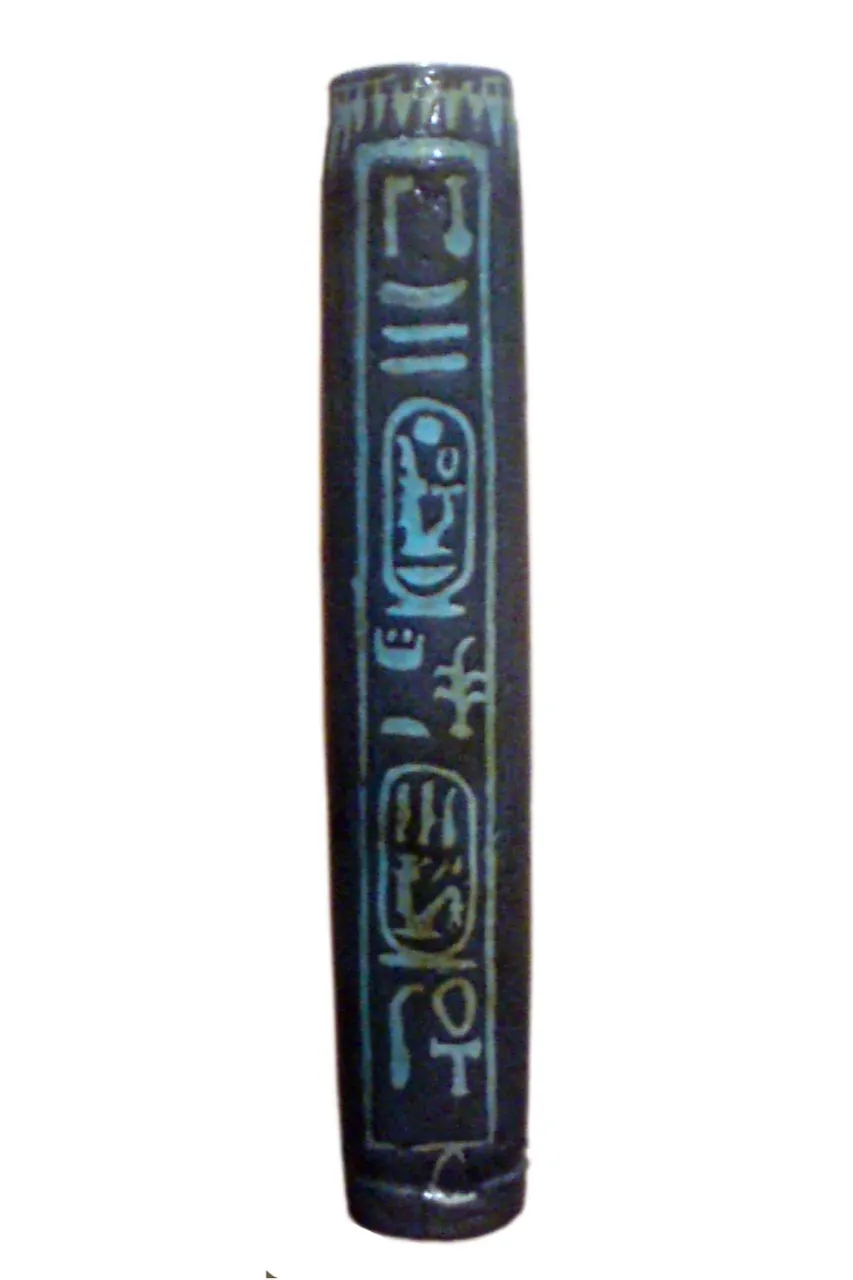
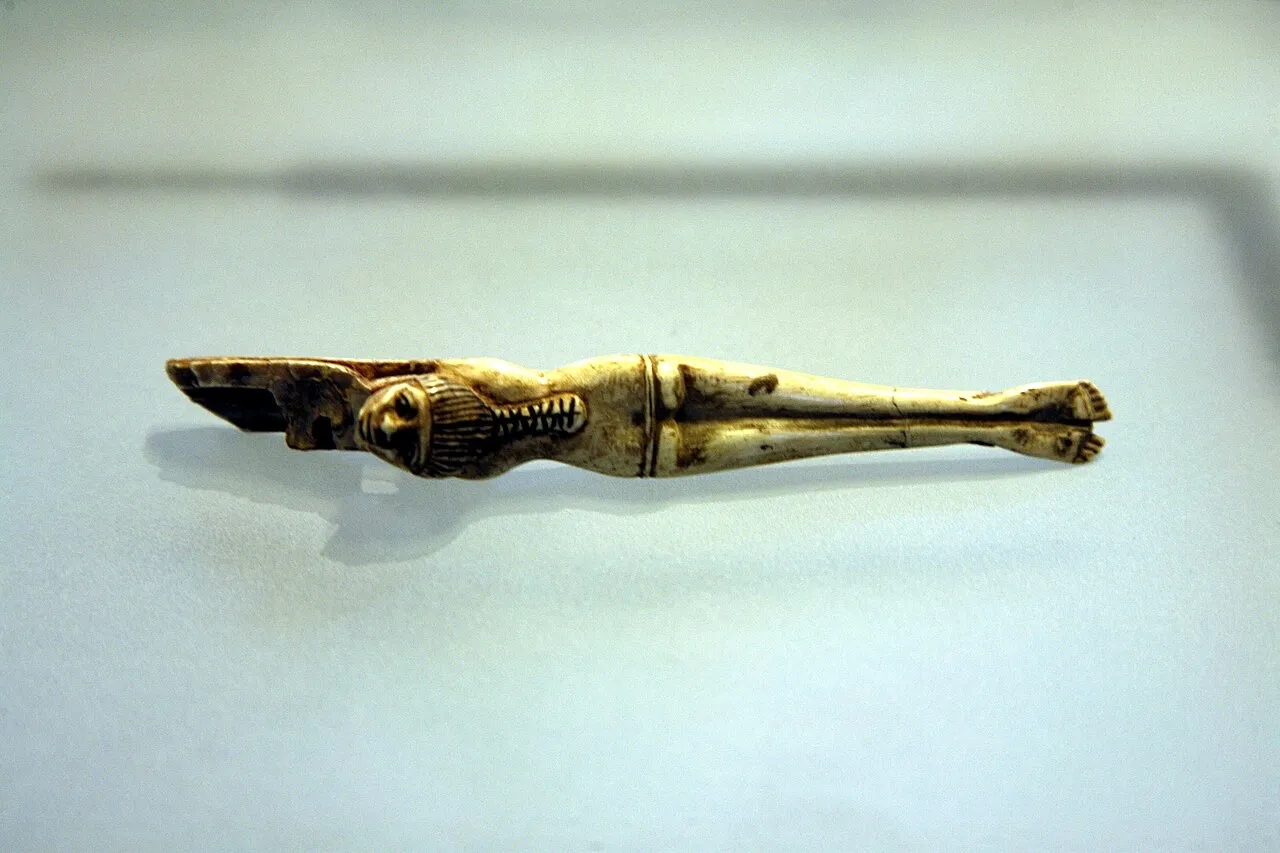
Cosmetics of the ancient world
Sixteenth to Nineteenth Centuries. Queens and Moralists
In the age of Elizabeth I in England bright red lips against a pale face were the fashion at court. But at different times lipstick was alternately accepted and condemned. Churchmen and moralists linked bright cosmetics with deceit and licentiousness, and in the nineteenth century, in Victorian Britain, a “respectable” woman was supposed to look natural. Cosmetics were used in secret: a little rouge, a lip salve, the touch of coloured paper. Bright lipstick was associated with actresses and women who broke the rules. That is exactly why it later became a symbol of freedom.
Lipstick in Dates
Antiquity: lip colourants in Mesopotamia and Egypt
Sixteenth century: red lips at the court of Elizabeth I
1915: lipstick in a metal tube
1920s: the push-up tube, lipstick becomes mass-market
2000s: economists speak of the “lipstick effect”
The Twentieth Century. The Tube and Freedom
Modern lipstick was born in the early twentieth century. Around 1915 the metal lipstick tube appeared, and in the 1920s the push-up mechanism we still use. Lipstick became convenient, compact and mass-market. The age of jazz, emancipation and cinema made bright lips a symbol of the modern woman. By a well-known story, in 1912 Elizabeth Arden handed out red lipstick to the women of the suffragette march in New York. Red lips turned into a sign of courage: a woman who paints her lips openly declares that she decides how she looks.
The Second World War. Patriotic Red
During the Second World War lipstick became almost a patriotic duty. Governments understood that cosmetics support morale, and in the advertising of the time red lipstick was shown as a symbol of fortitude. Brands brought out shades with patriotic names. By a popular story, Elizabeth Arden created a special shade of red lipstick for the women’s reserve of the US Marine Corps so that it would match the uniform. Women in factories and in the army painted their lips, showing that war would not take away their femininity and dignity.
Lipstick is the smallest form of resistance: you can carry it with you even when everything else has been taken away.
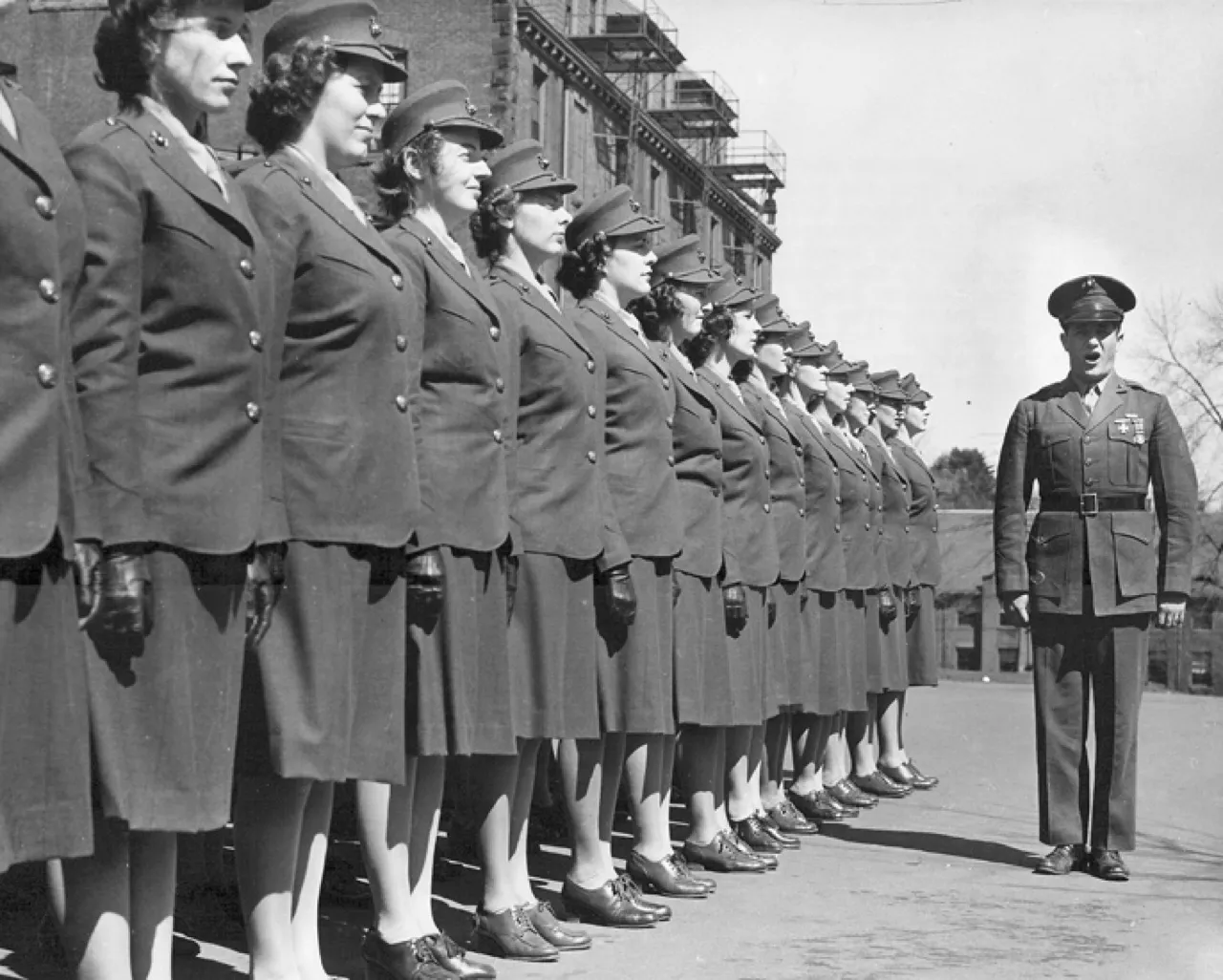
Lipstick in the archives
Today. The Lipstick Effect
In the early 2000s Leonard Lauder, head of the cosmetics company Estée Lauder, noticed that lipstick sales rise in periods of economic uncertainty, and began to speak of a “lipstick index.” Economists argue about how universal the rule is, but the idea itself explains the psychology well: when big purchases are out of reach, people choose small joys that give a sense of control and celebration. Today this role is played not only by lipsticks but also by skincare, scents and small accessories. And lipstick itself remains the fastest way to change mood and image in a second.