Mirror, Mirror
Filters and AI retouching change our reflection in real time. Yet once a good mirror was a state secret of Venice, and France lured away craftsmen to build the Hall of Mirrors.
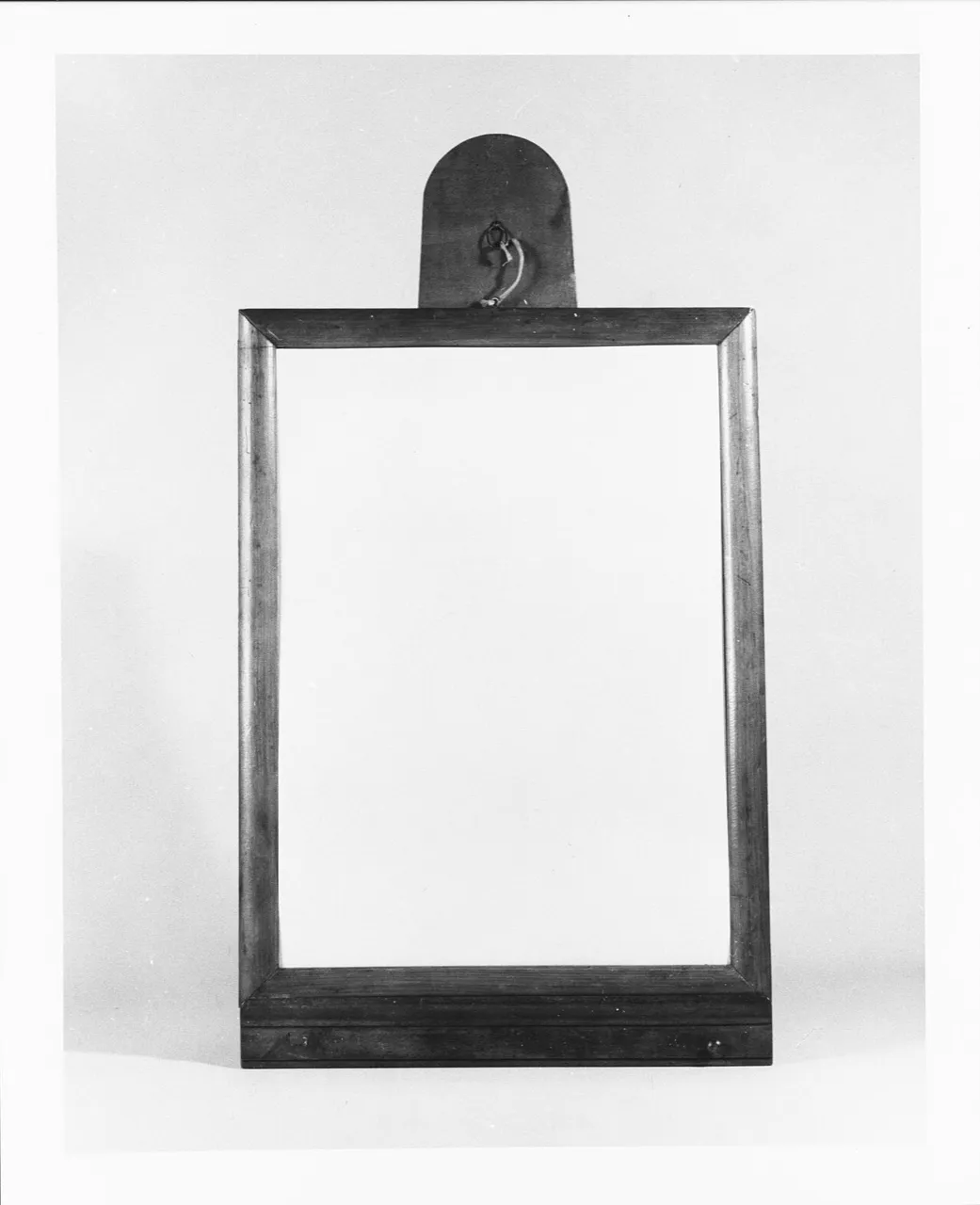
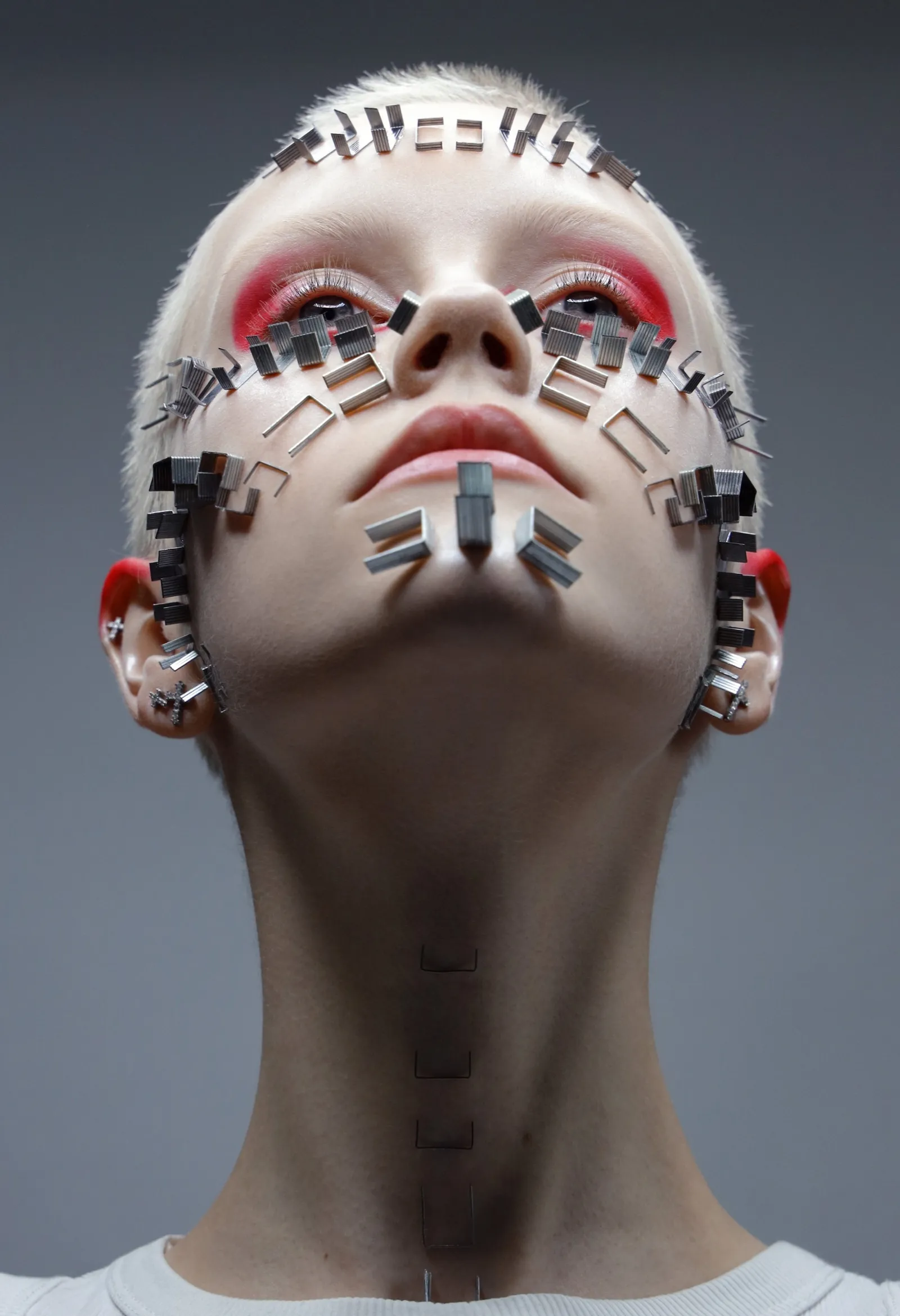
We look at ourselves more often than any generation before us: in mirrors, on phone screens, in video-call cameras. Beauty filters smooth the skin, change the shape of the face and even “add” make-up in real time, while AI retouching does it unnoticed. Psychologists say that people find it harder and harder to accept their own unfiltered reflection. But the very idea of seeing yourself is quite new in history. For a long time most people hardly knew what they looked like, and a good mirror was a luxury on the level of jewels. The history of the mirror is a story about technology, espionage, power and how our attitude to our own face has changed.
Bronze and Obsidian
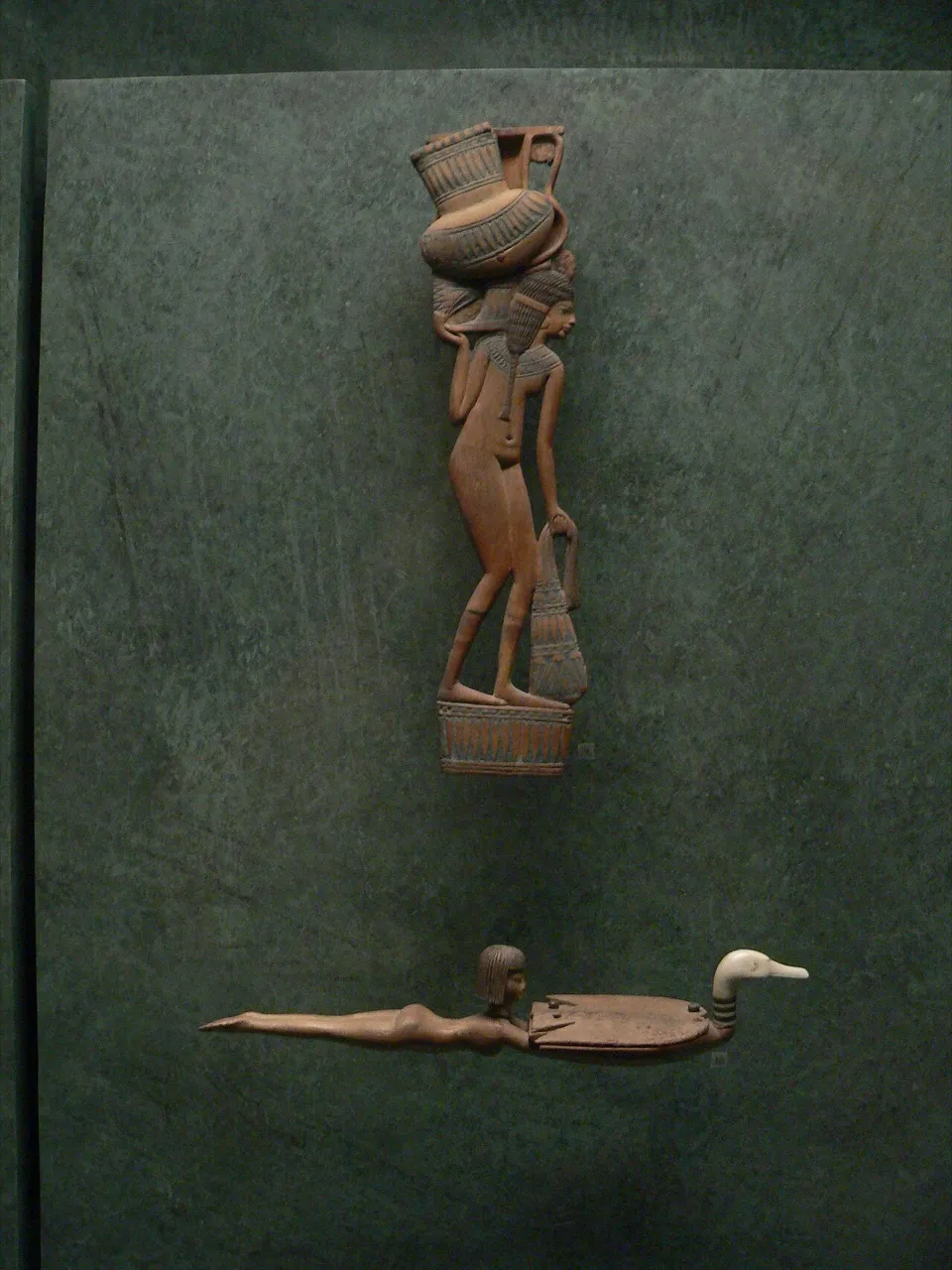
The first mirrors were made of polished stone, for example the volcanic glass obsidian, several thousand years ago. Later came metal mirrors of polished bronze, copper and silver. In ancient Egypt, China, Japan and classical Europe such mirrors were objects of status and ritual: they were placed in tombs and decorated with carving and patterns on the back. The reflection in them was dim and distorted, and the metal needed constant polishing. Most people saw their own face only in water. Imagining oneself “from the outside” was almost impossible.
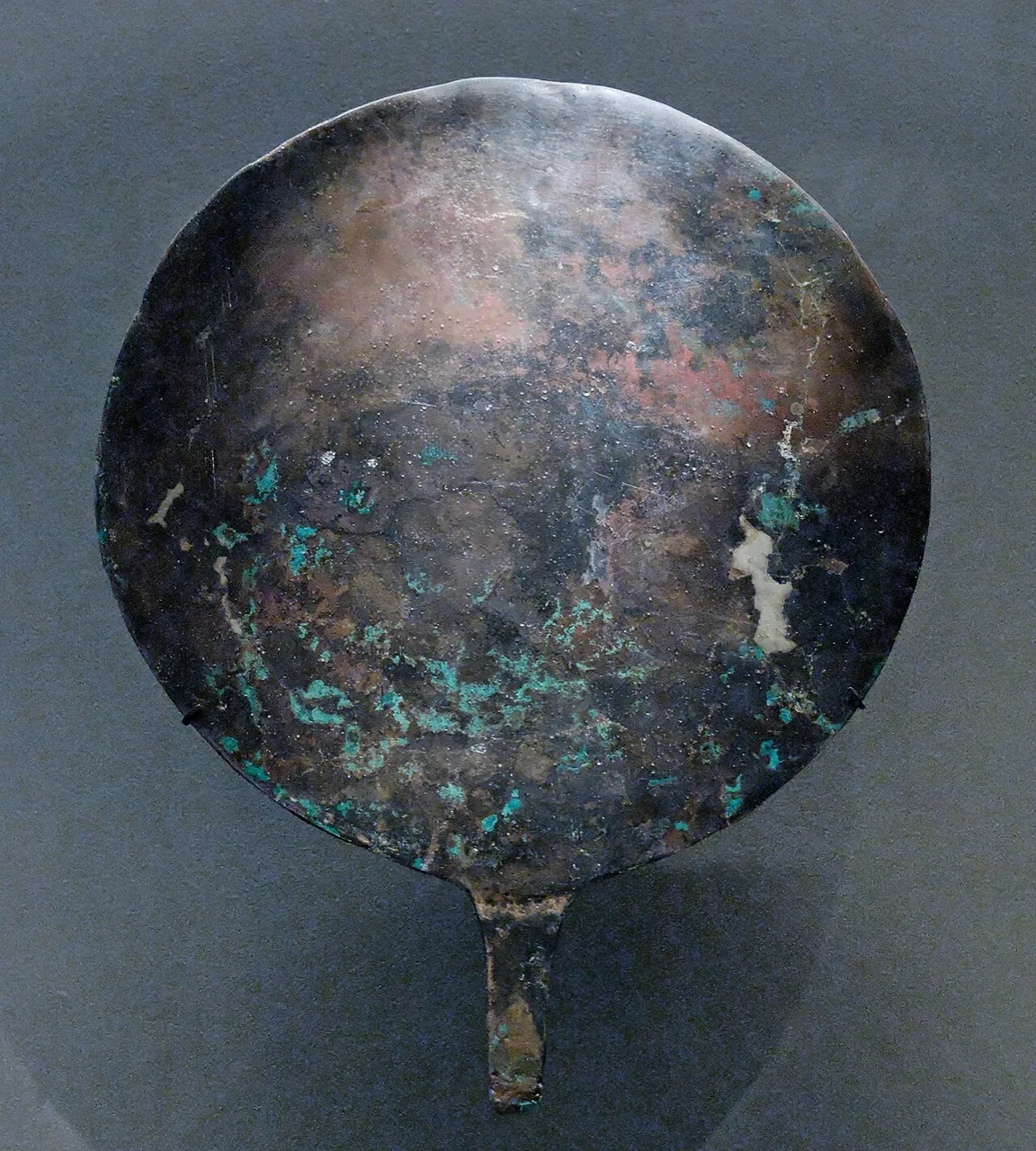
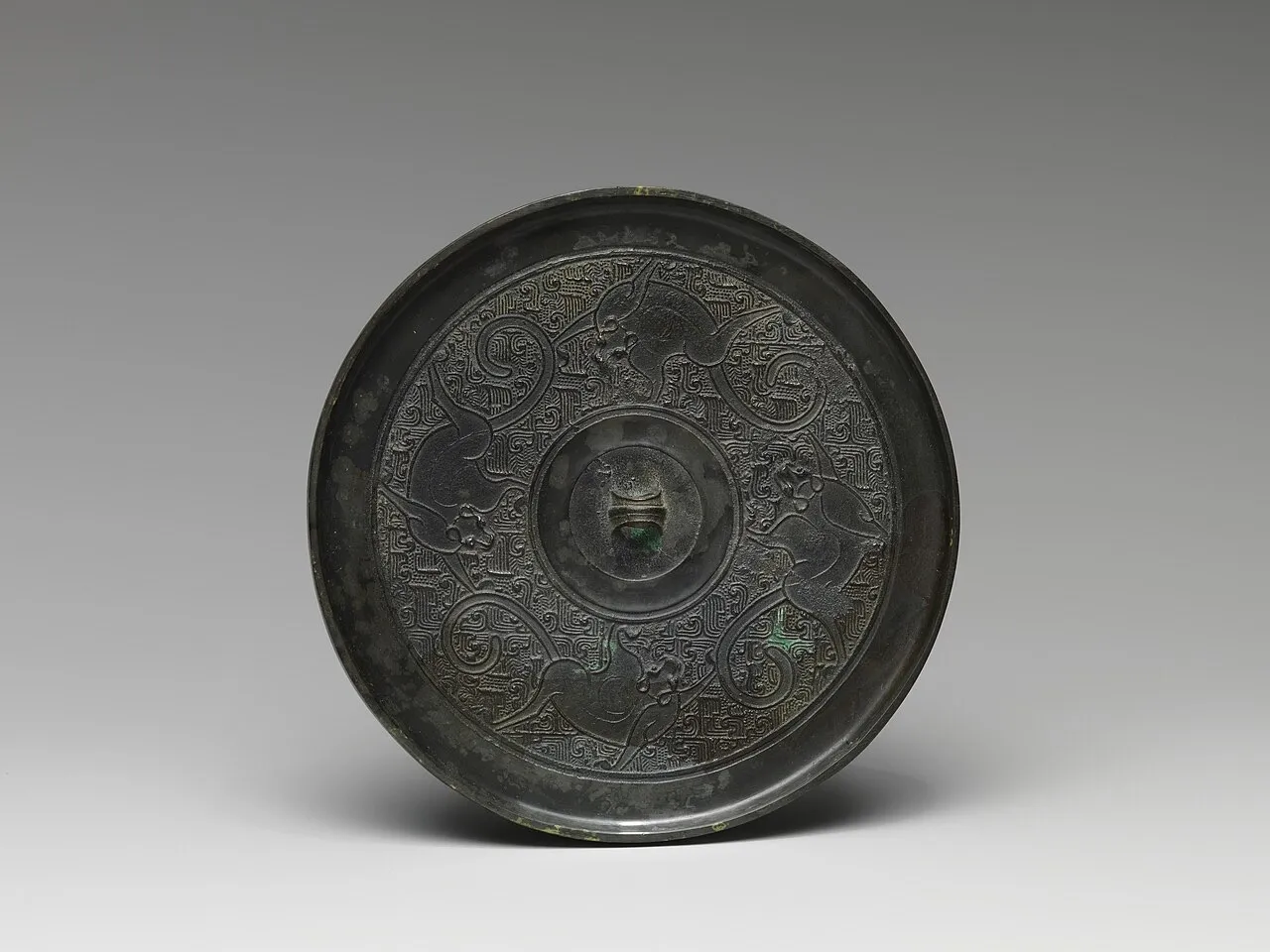
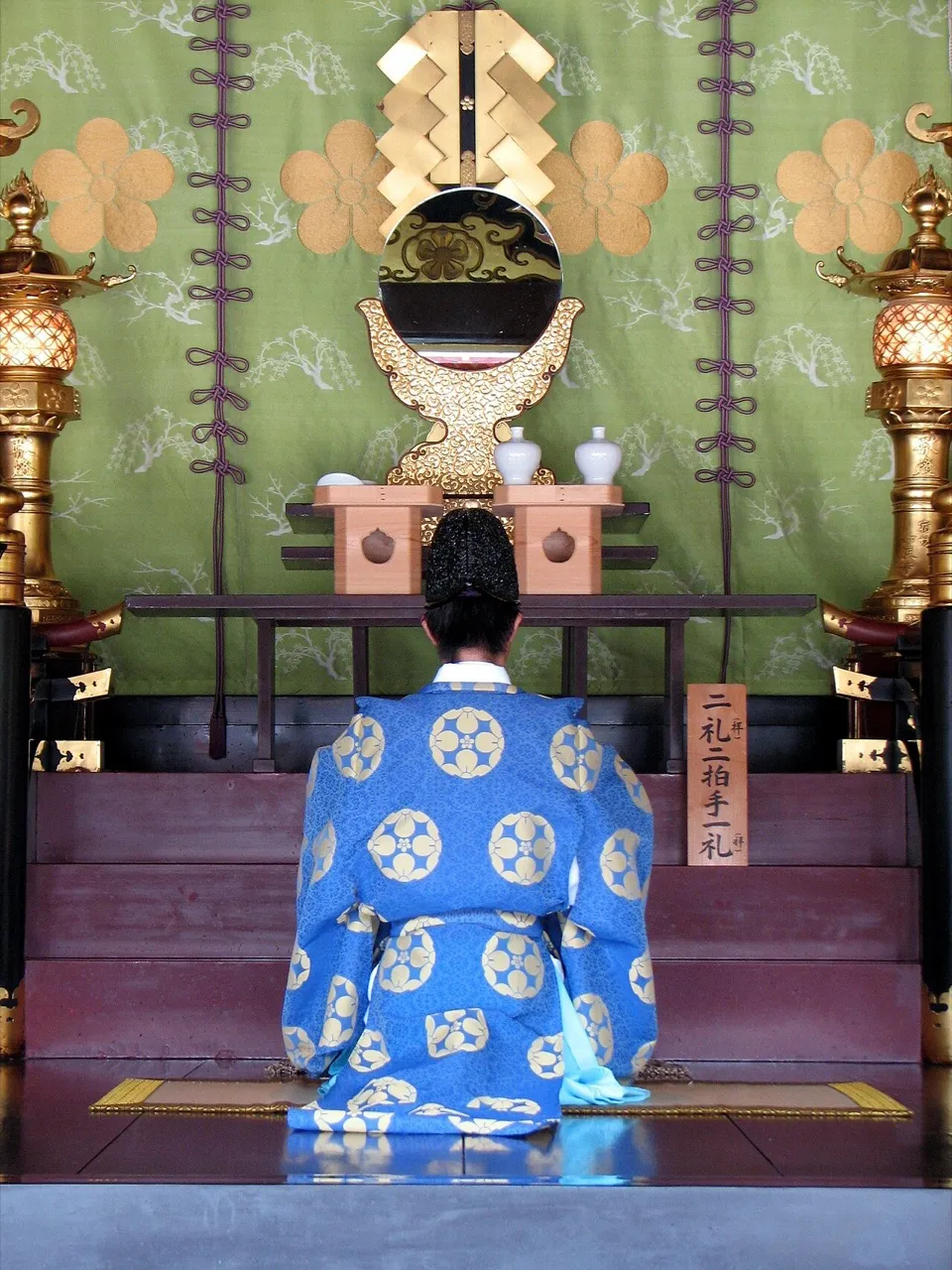
Ancient mirrors
The real revolution was made by the Venetians. In the sixteenth century the masters of the island of Murano learned to make high-quality glass mirrors, coating the glass with an amalgam of tin and mercury. Venetian mirrors became the most desired in Europe and cost enormous sums. The Republic guarded the secret of production as a state secret: craftsmen were forbidden to leave Venice, and those who tried to leave and reveal the technology could be cruelly punished. The mirror became a symbol of wealth: a good large mirror could cost more than a painting by a famous artist.
The Mirror in History
Antiquity: polished stone, bronze, silver
Sixteenth century: Venetian glass mirrors from Murano
1665: the royal mirror manufactory founded in France
1678–1684: the Hall of Mirrors at Versailles
1835: Justus von Liebig proposes silvering glass
The King’s Industrial Espionage
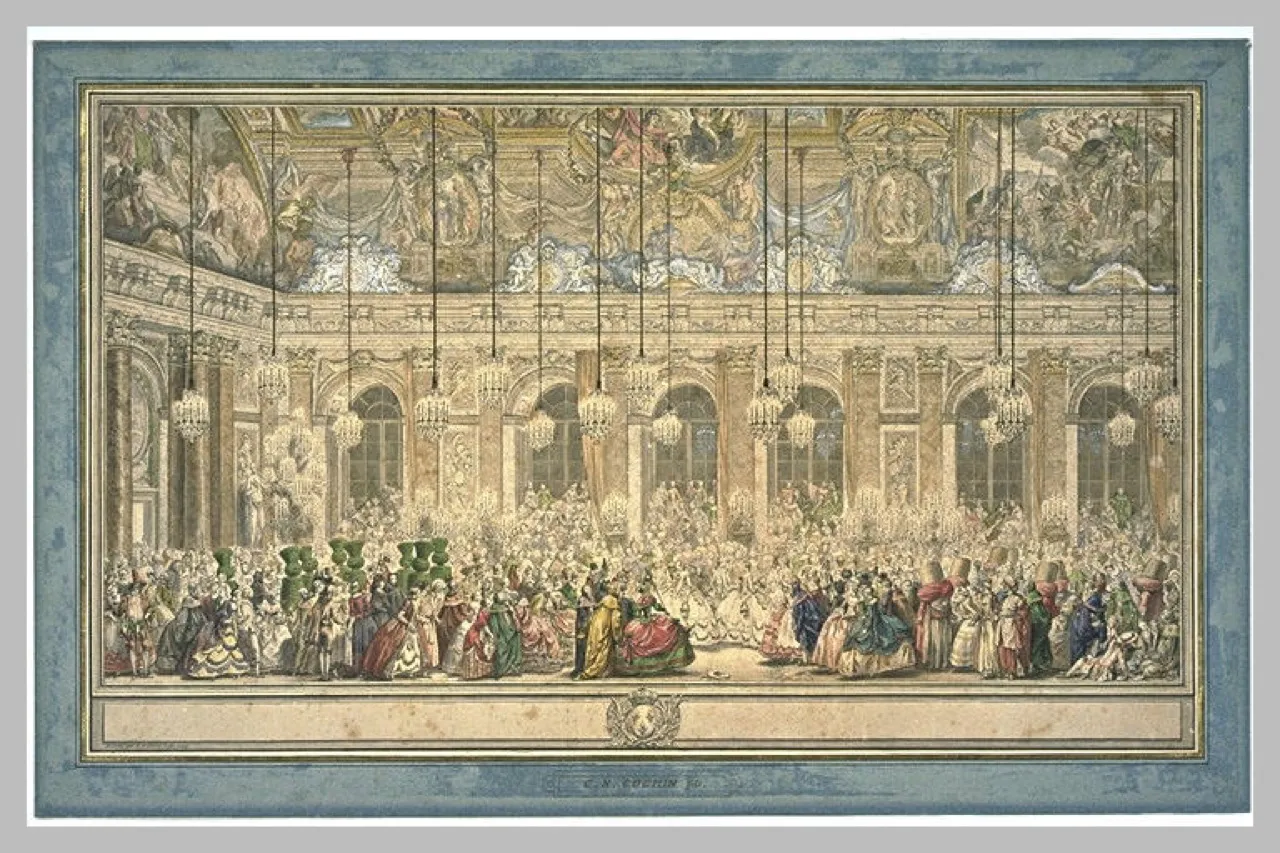
The French king Louis XIV did not want to depend on Venice. His minister Jean-Baptiste Colbert in 1665 founded a royal mirror manufactory and secretly lured several masters from Murano to France. The story reads like a spy novel: the Venetian authorities tried to get the fugitives back, and some of them, by accounts, died in mysterious circumstances. But the technology passed to France. In time the manufactory turned into the company Saint-Gobain, which still exists. And the main monument to this victory became the Hall of Mirrors at Versailles, built in 1678–1684, with hundreds of mirrors reflecting the windows and the garden.
In the nineteenth century the chemist Justus von Liebig proposed a method of silvering glass that made mirrors safer, without poisonous mercury, and cheaper. The mirror came into every home. Dressing tables, mirrored wardrobes and bathroom mirrors appeared. People began to see themselves constantly, and that changed culture: attention to appearance, make-up and clothes grew. Historians link the mass spread of mirrors with the rise of individualism: a person increasingly thought about how they looked in the eyes of others. The mirror became an instrument of self-control and self-confidence at the same time.
Every technology of reflection changes not only how we look but also how we think about ourselves.
A Filter Instead of a Mirror
Today the main mirror is the screen. The front camera and beauty filters show us not how we look but how we could look. Psychologists and doctors discuss how constant comparison with a filtered image affects self-esteem, and some patients come to plastic surgeons with photographs of themselves in a filter. At the same time a movement for “unfiltered” beauty is growing: bloggers show skin without retouching, and some countries require retouched advertising to be labelled. The mirror has become political again: the question is not only what we see but who controls the reflection.
The history of the mirror is a story about how technology changes our idea of ourselves. Polished bronze gave a vague image, Venetian glass luxury, silvering accessibility, and the smartphone endless versions of ourselves. Perhaps the main question of our time is not “who is the fairest of them all” but “which reflection is real.” And perhaps it is worth looking sometimes in an ordinary mirror without filters, just to remember what we actually look like.