Under the Parasol
A generation that applies SPF every morning is returning to the fashion for pallor, only now for the sake of health. How a tan went from disgrace to status and then to risk.
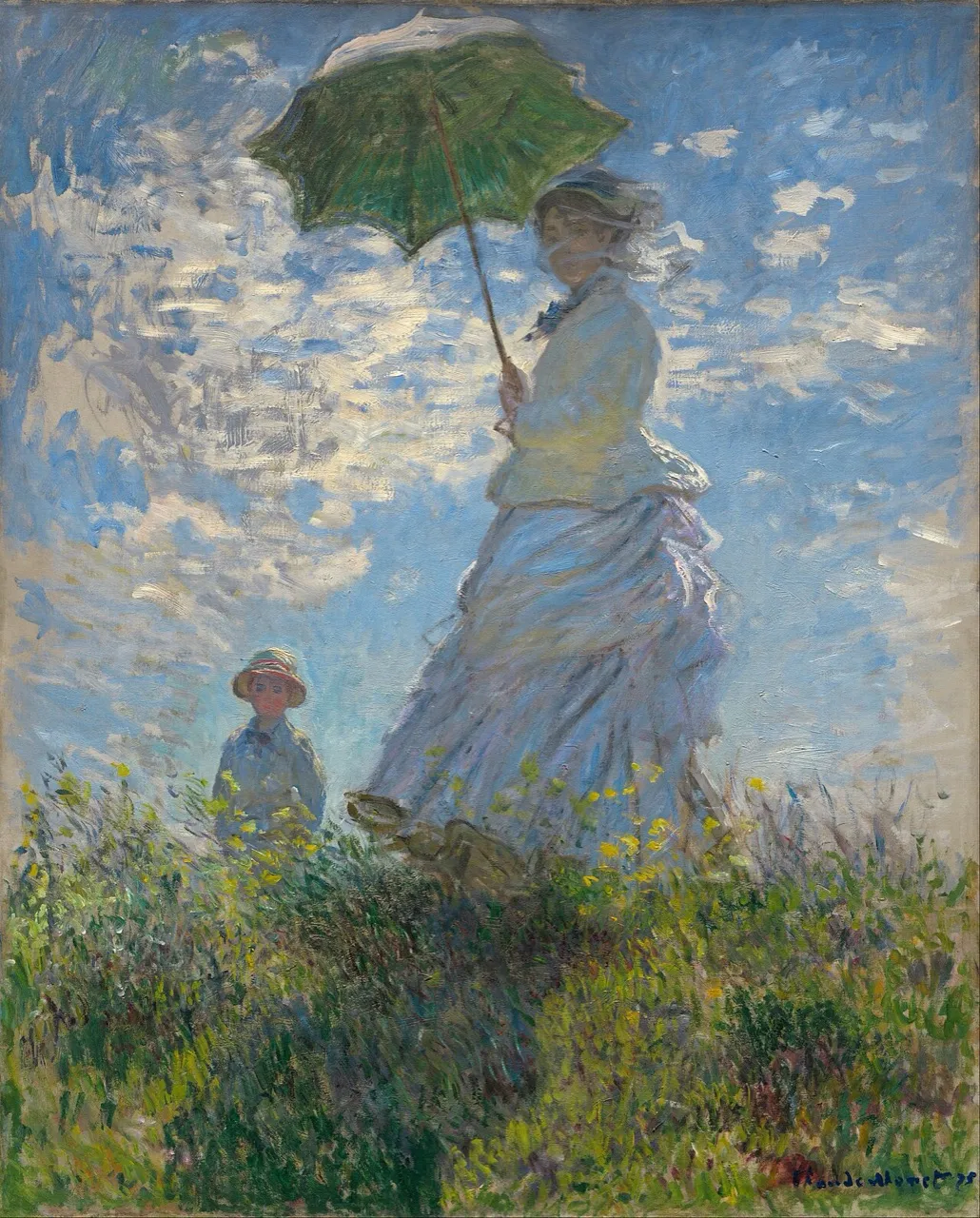
Young people today put on sunscreen even on a cloudy day, and beauty bloggers talk about the harm of ultraviolet as often as about new lipsticks. At the same time self-tan, bronzers and “glowing” skin are in fashion. Our attitude to the sun is one of the clearest examples of how ideas of beauty change. For centuries pallor was a sign of nobility, then a tan became a symbol of leisure and wealth, and now we are hiding from the sun again, this time for the sake of health. This story has resorts, tuberculosis sanatoria, couturiers, the first tanning oil and the scientist who devised SPF.

Pallor as a Privilege
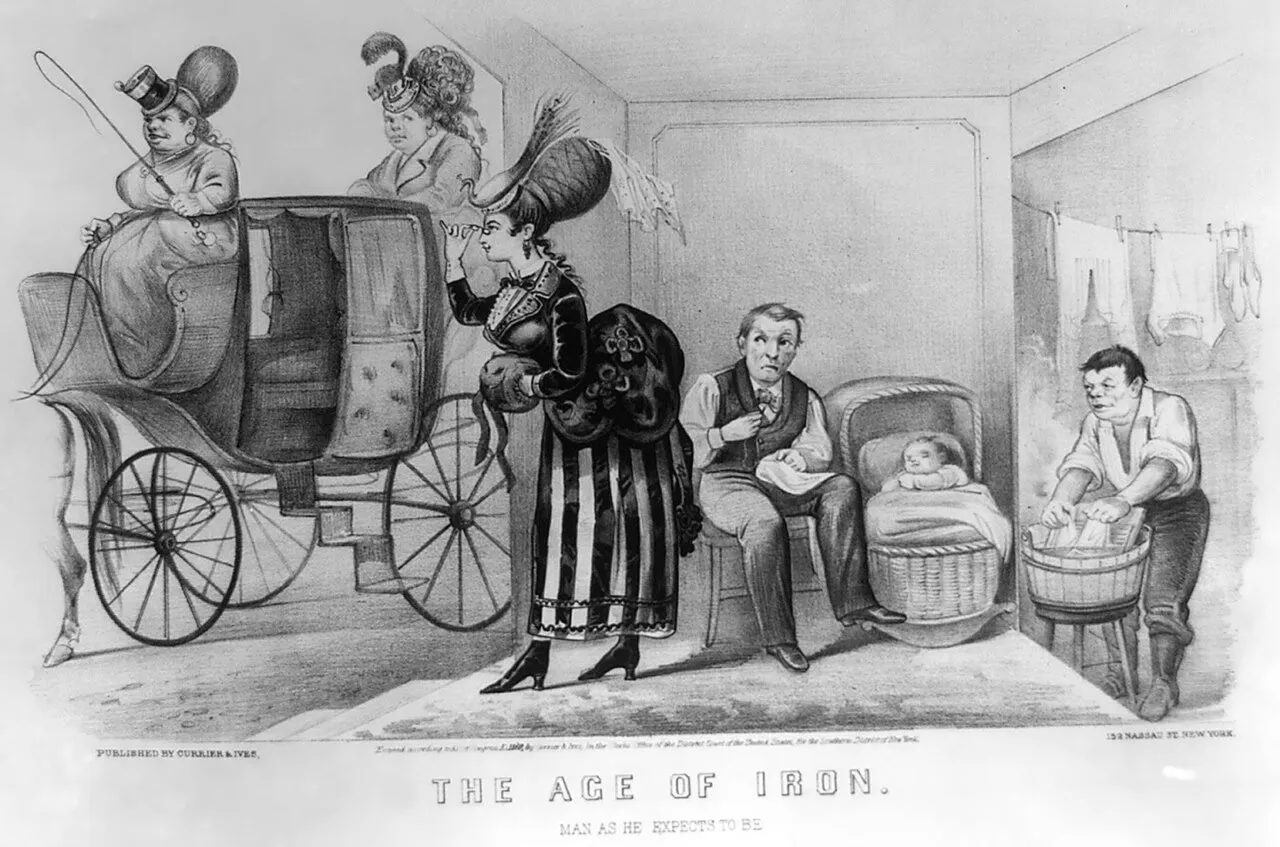
In the pre-industrial world a tan meant working in the fields. Peasants and labourers spent their days in the sun, aristocrats indoors and in carriages. That is why pale skin was for centuries a sign of high position. Women hid under parasols, veils and wide hats, powdered their faces and, in the most extreme cases, used dangerous products such as white lead. In the nineteenth century the parasol became a must-have accessory of the fashionable woman: lace, silk, with a carved handle. Pallor was associated with refinement and even with a romantic frailty sung by poets.
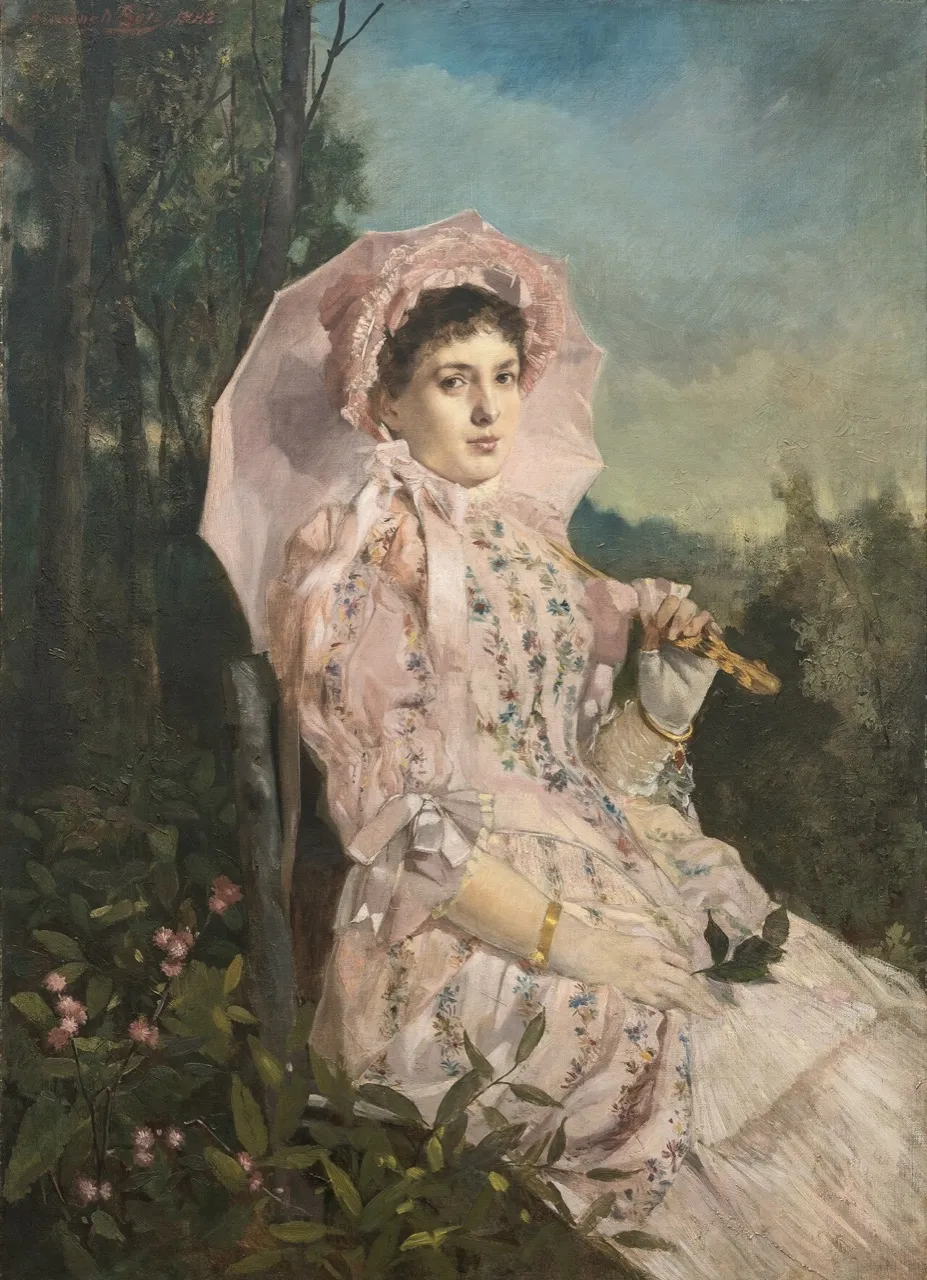
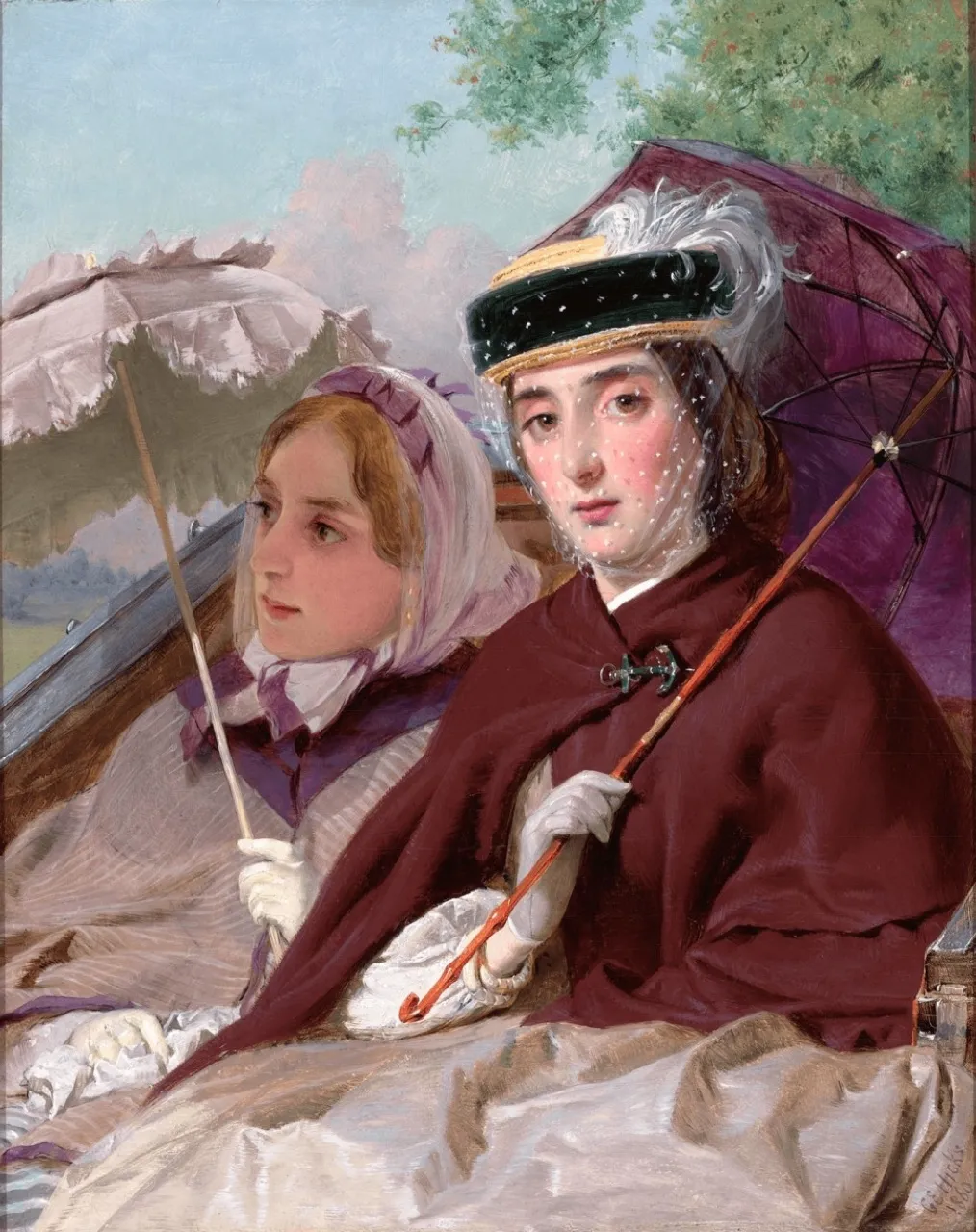
The age of parasols
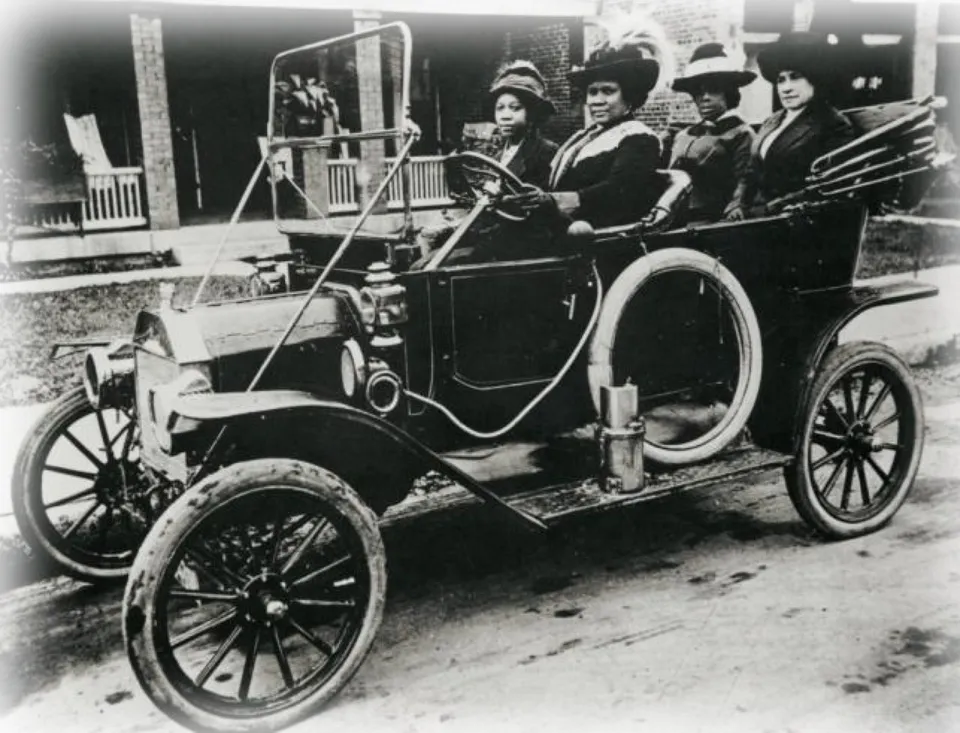
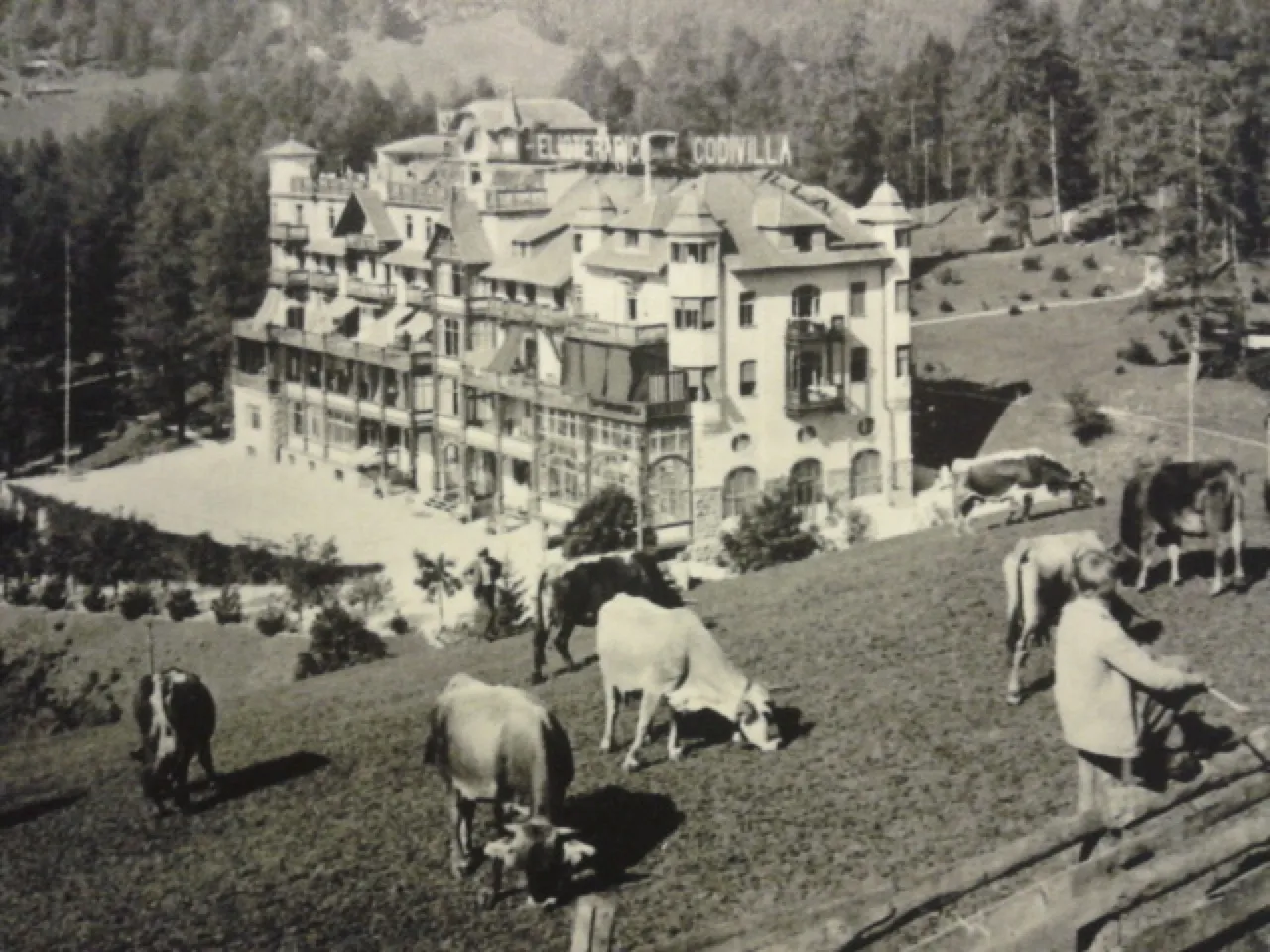
Everything began to change at the turn of the nineteenth and twentieth centuries. Industrialisation moved workers from fields to factories, so now the poor were pale and a tan meant that a person had the time and money for leisure in the open air. Medicine contributed too: doctors began treating tuberculosis with sun. The Swiss physician Auguste Rollier opened a clinic in the Alps in the early twentieth century where patients took sunbaths. Heliotherapy became fashionable and the sun a symbol of health. Artificial-sun lamps appeared, and tanned skin came to be associated with strength and vigour.
The Sun and Beauty
Before the twentieth century: pallor is a sign of aristocracy
Early twentieth century: heliotherapy, treatment by sun
1920s: the tan becomes fashionable
1927: Jean Patou brings out the tanning oil Huile de Chaldée
1970s: the concept of SPF appears
A Couture Tan
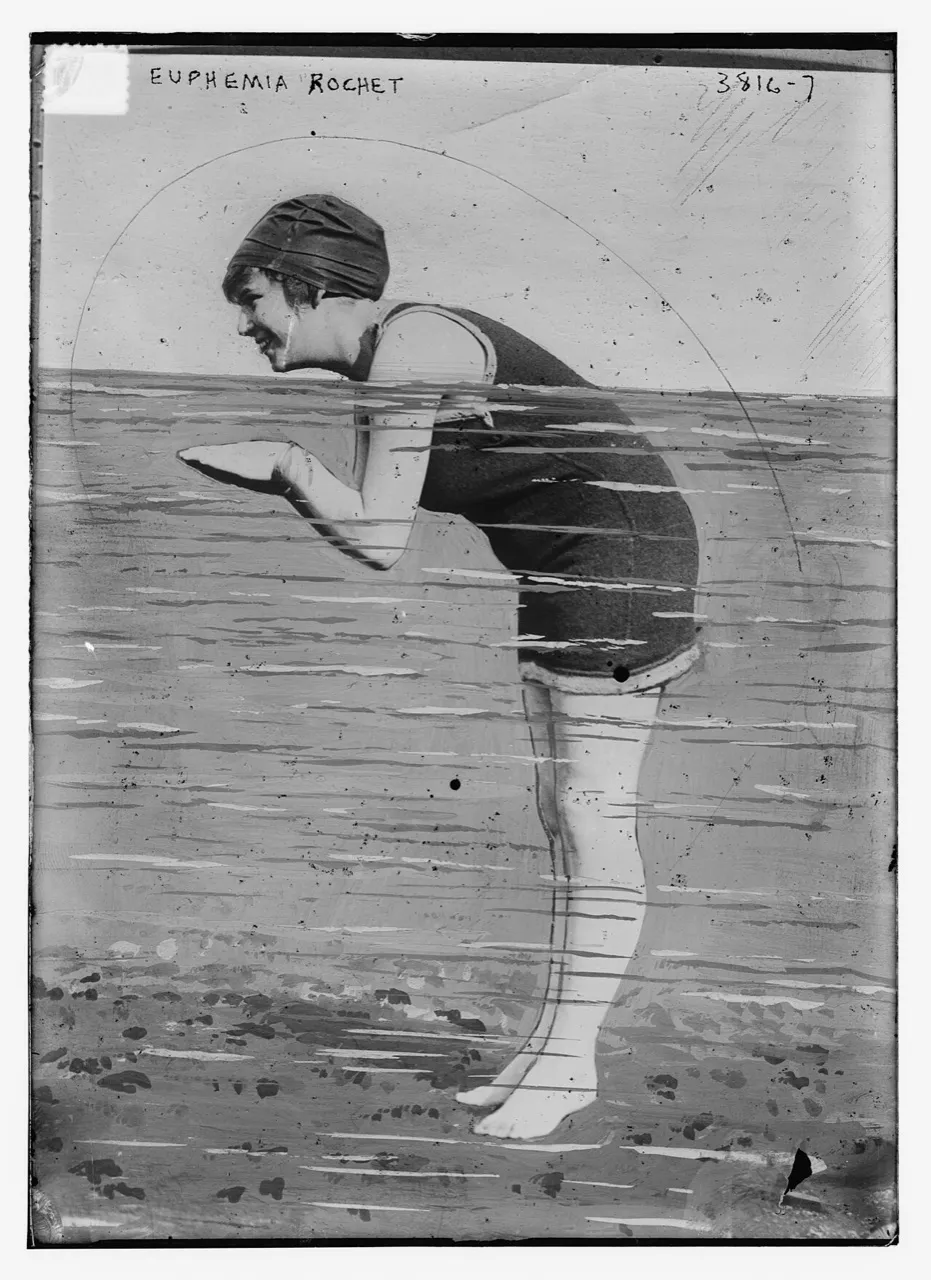
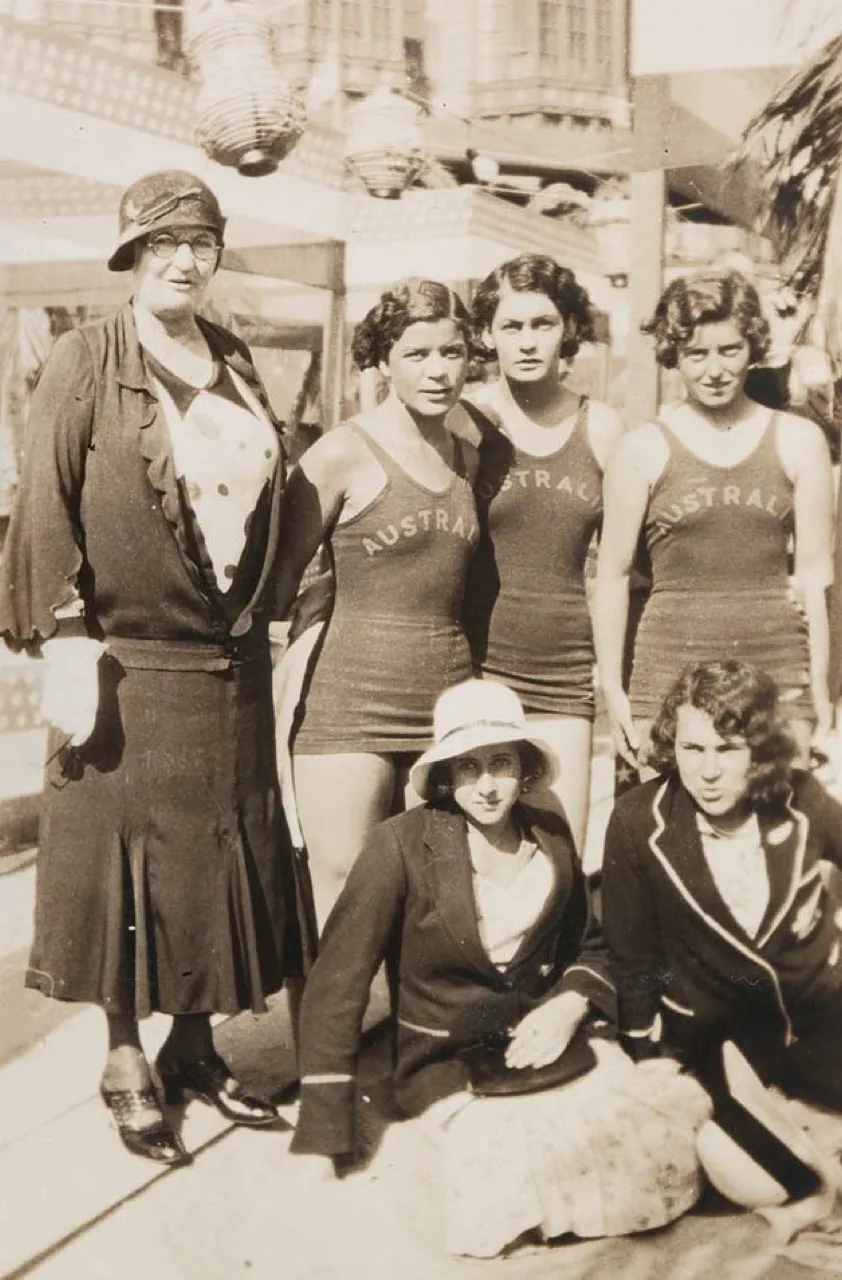
In the 1920s a tan became fashion. Popular history credits Coco Chanel, who supposedly returned from a Mediterranean trip with tanned skin and made it fashionable. Historians think it was more complicated: the fashion for sun and the Riviera was already gathering strength, and Chanel was just one of its stars. The couturier Jean Patou in 1927 brought out Huile de Chaldée, one of the first tanning oils. Swimsuits were becoming more revealing, and a seaside holiday turned into a symbol of modern life. A tan showed that a person could afford a holiday on the Riviera; pallor now meant the office and the factory.
The middle of the twentieth century was the era of the tan cult. Beach culture, cinema, advertisements for suntan oils with bronzed beauties, and tanning beds at the end of the century: bronze skin seemed a sign of health and attractiveness. But evidence of ultraviolet’s harm gradually accumulated: cases of skin cancer rose, and it became clear that the sun speeds up skin ageing. In the 1970s the Austrian chemist Franz Greiter popularised the concept of the sun protection factor, SPF. Sun products turned from tanning oils into means of protection, and doctors began campaigns for a careful attitude to the sun.
The skin colour we consider beautiful almost always tells us how work and leisure are arranged in our society.
The SPF Generation
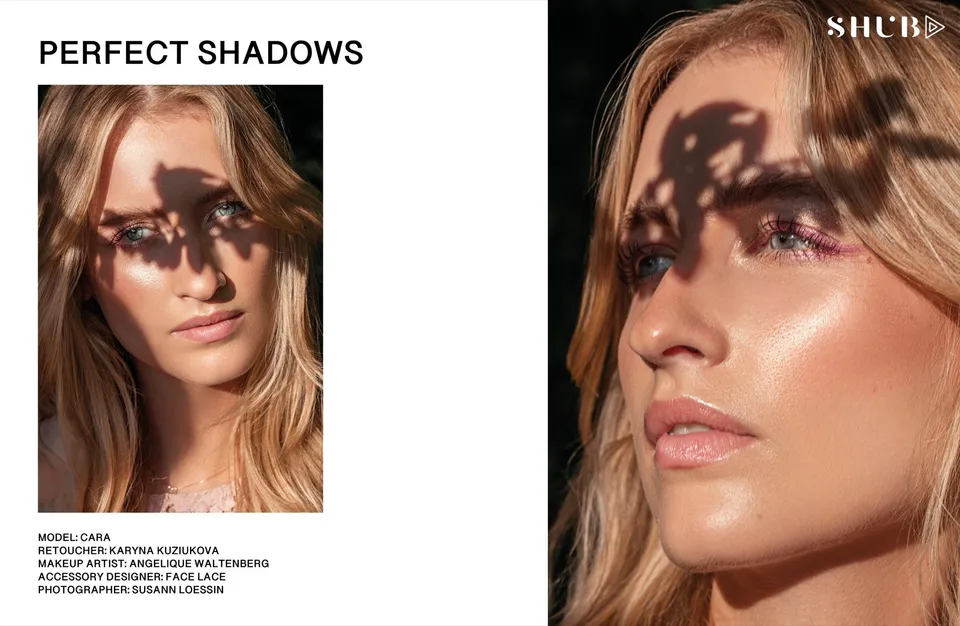
Today attitudes to the sun are changing again. The young generation treats daily SPF as basic care and a tan as a conscious risk. At the same time the aesthetic of “sun-kissed” skin has not gone anywhere: it is created with bronzers, self-tan and glowing textures. We want to look as if we have just come back from the sea, but do not want to pay for it with the health of our skin. In a sense we are hiding under a parasol again, only now not for the sake of aristocratic pallor but for the sake of science. History has come full circle, but the reasons are entirely different.
The sun in the archives
The history of the tan teaches that beauty is never “natural.” It always reflects the economy, medicine, fashion and technology of its time. Pallor was a luxury while people worked in the fields. A tan became a luxury when people moved into offices. Today healthy skin and the time to care for it are becoming the luxury. When you put on sunscreen in the morning, you take part in a story that has lasted for centuries. And, perhaps for the first time in that story, the choice is based not on status but on knowledge.