A Nose for the Empress
Niche perfumery is booming, and buyers study notes the way sommeliers study wine. From the eau de Cologne of 1709 to the Moscow perfumers who gave the world the creator of Chanel No. 5.
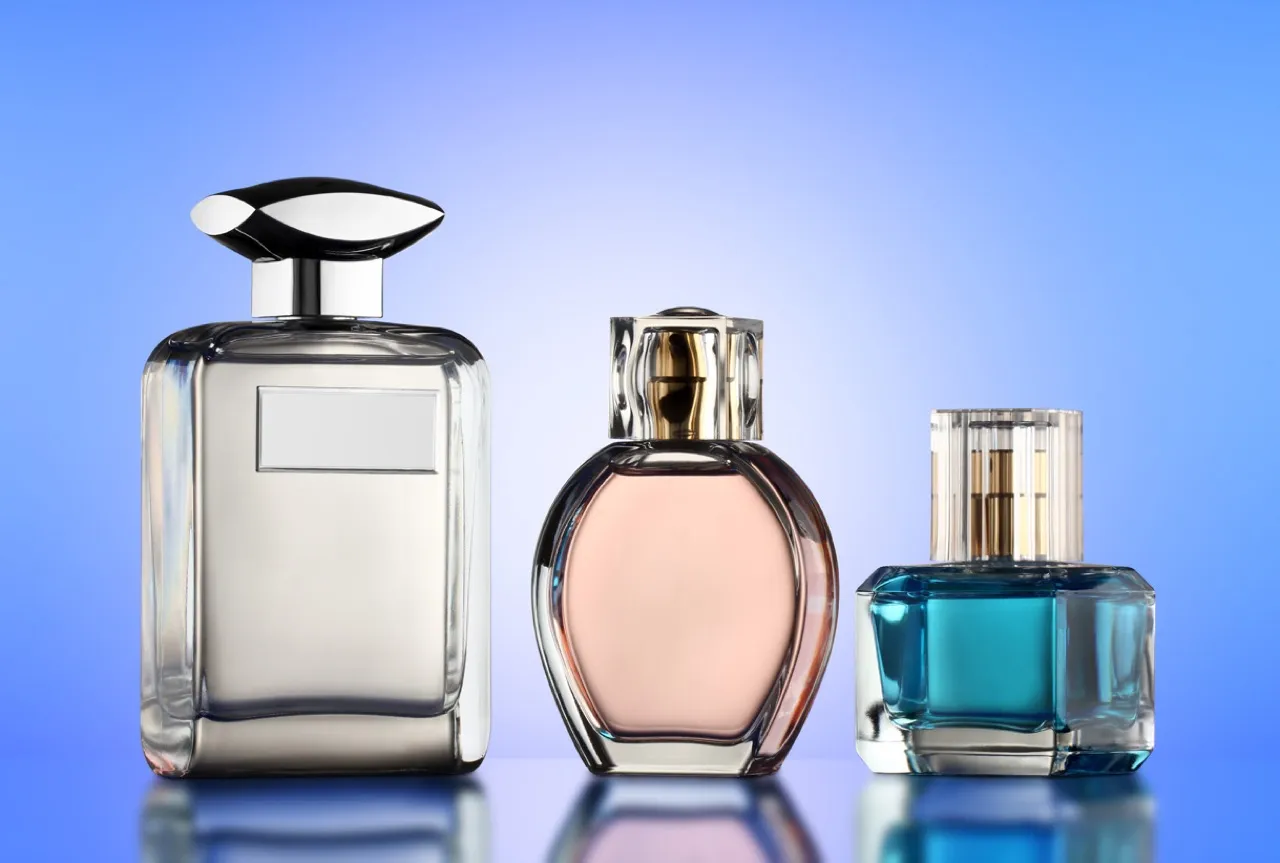
Niche scents, sample sets, talk of notes and “sillage”: perfume has become one of the most discussed categories of beauty. Buyers know the names of perfumers, not just brands, and study scents as eagerly as people once studied wine. But modern perfumery has a remarkable history, with an Italian in Cologne, a French dynasty, a synthetic revolution and an unexpected Moscow chapter. The man who created the most famous scent of the twentieth century learned his craft in Moscow. The history of perfume is the story of how smell turned from medicine and hygiene into art and a way of telling who you are.
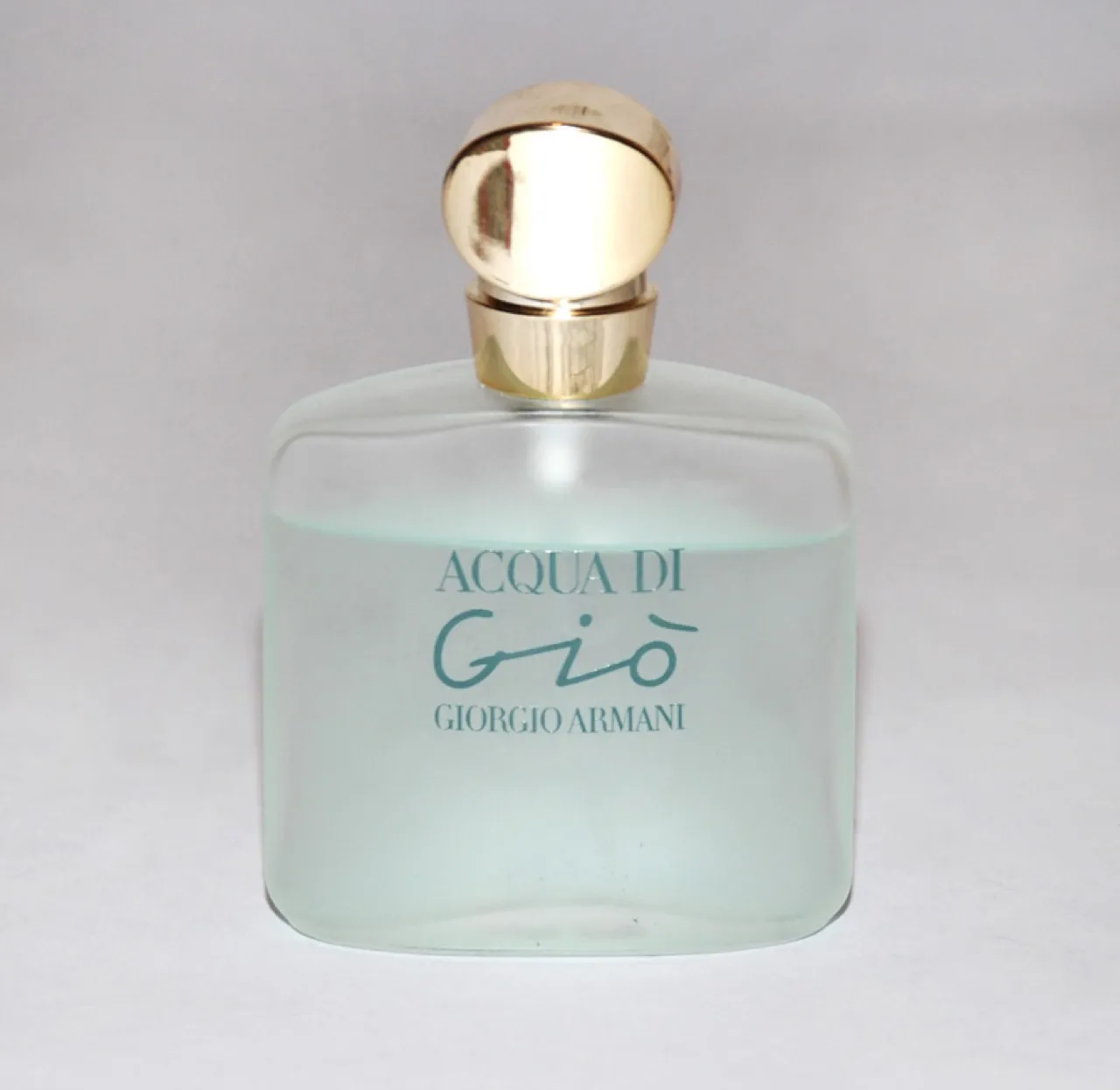
Water From Cologne
In 1709 the Italian perfumer Johann Maria Farina founded in the German city of Cologne a business that is today considered the oldest working perfume factory in the world. His “eau de Cologne,” a light scent of citrus and herbs, seemed incredibly fresh against the heavy musk smells of the time. It was drunk as medicine, added to baths and, of course, applied to the skin. The scent conquered the courts of Europe; by popular legend, Napoleon used enormous quantities of it. The name eau de Cologne became generic, and light scents are still called that. Later other makers appeared in Cologne, including the famous “4711.”
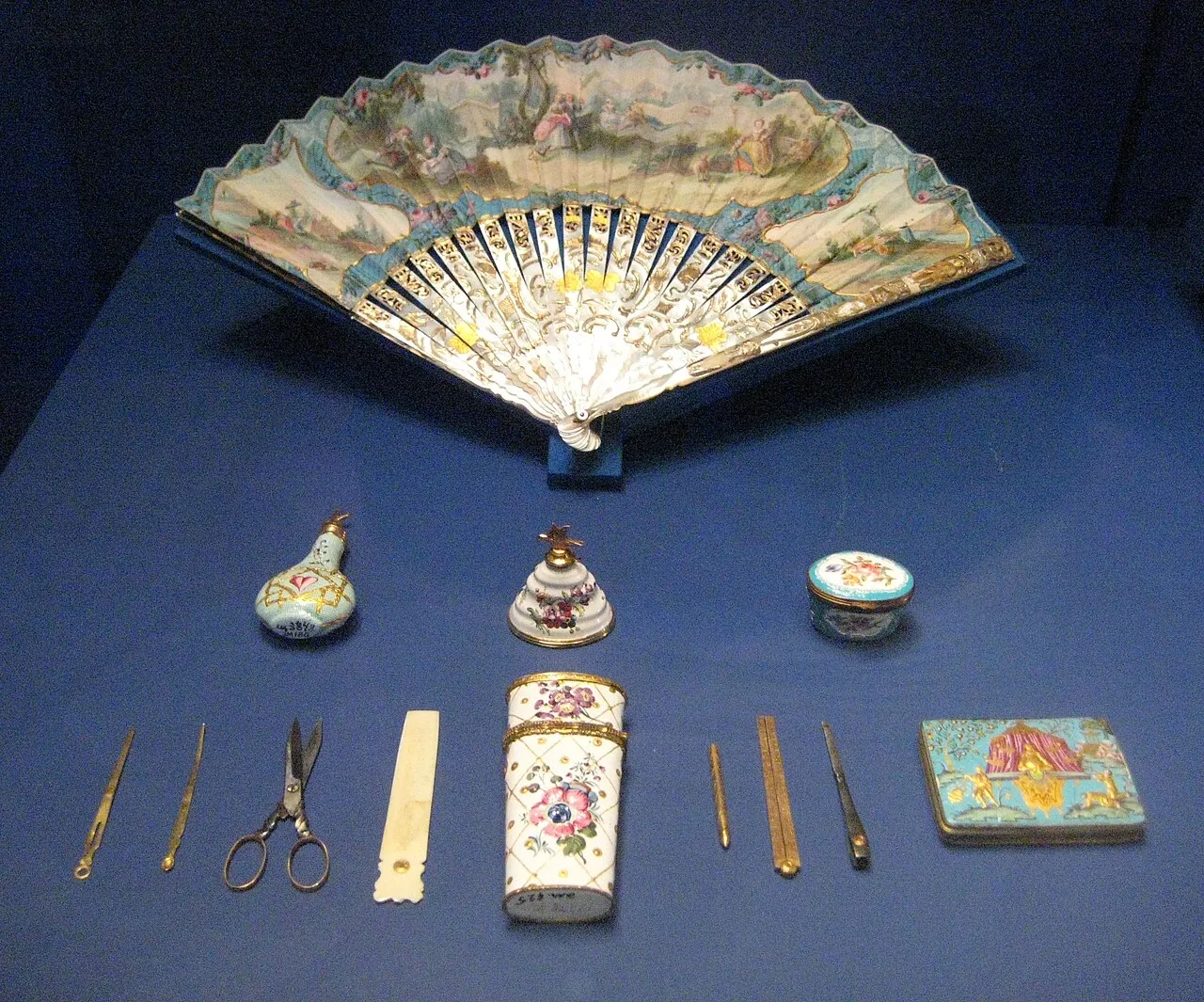
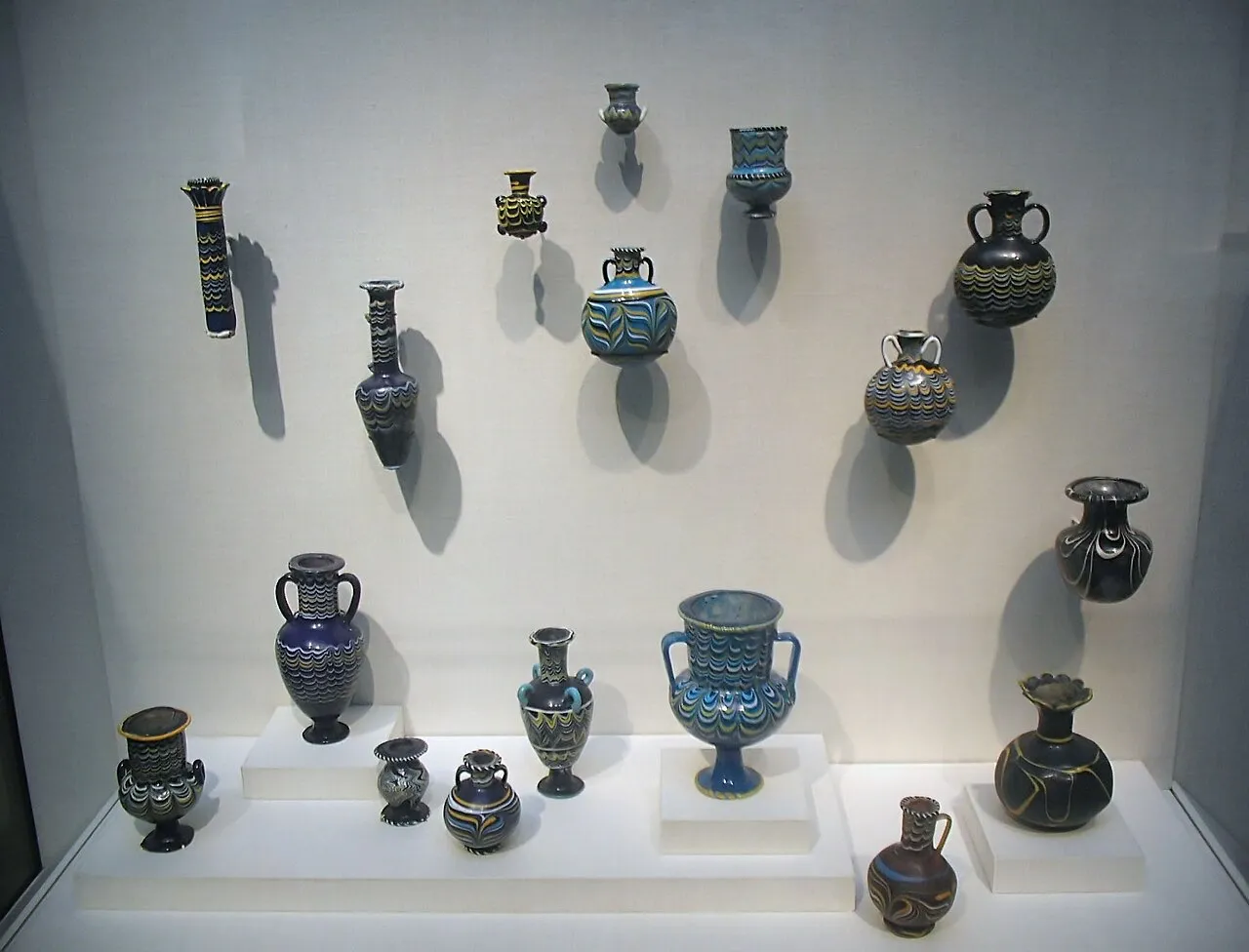
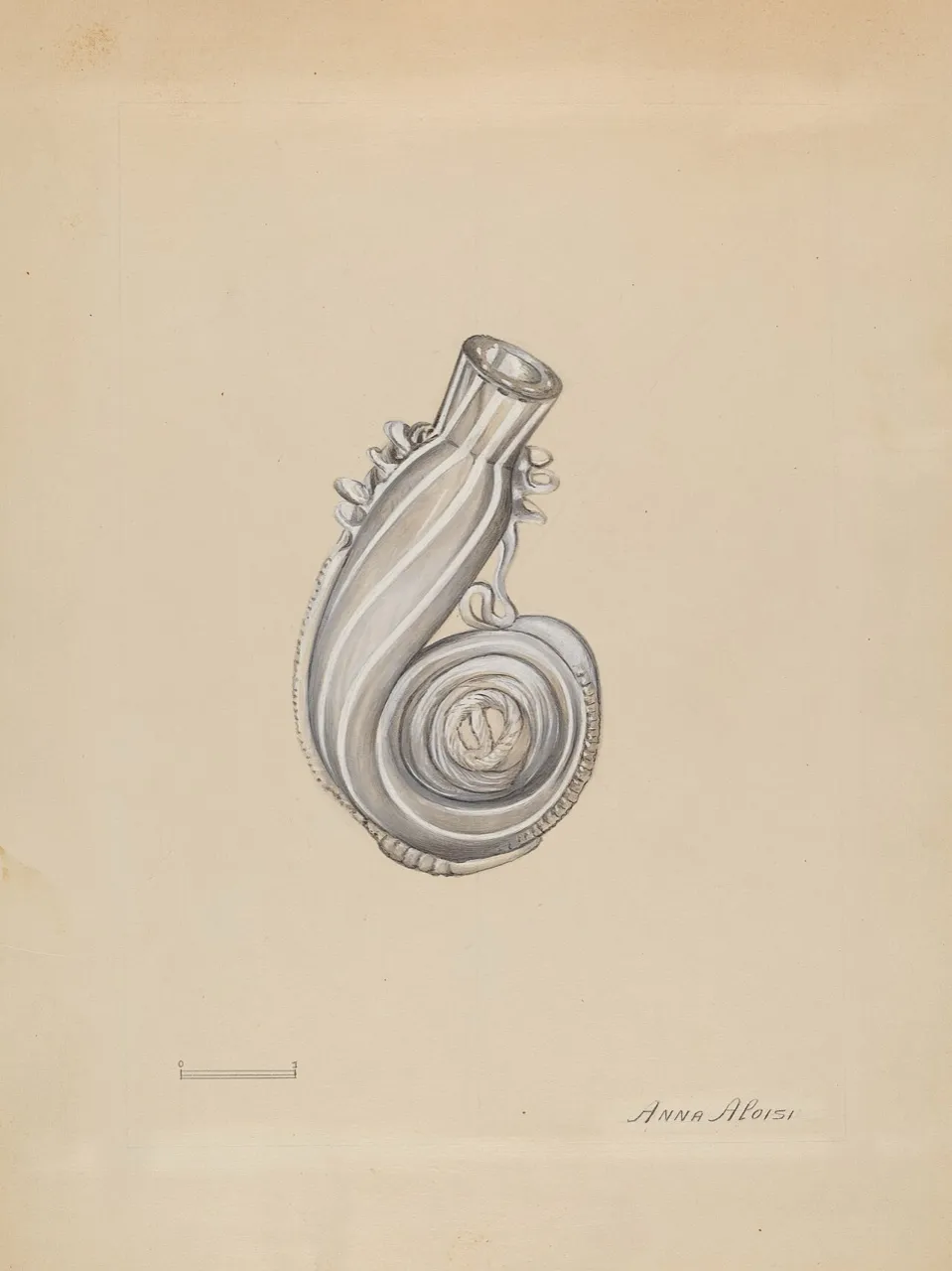
Bottles through the centuries
In the nineteenth century Paris became the centre of perfumery. In 1828 Pierre-François-Pascal Guerlain opened a perfume house that served Empress Eugénie and royal courts. But the real revolution was made by chemistry. Scientists learned to synthesise aromatic substances: coumarin with the smell of freshly mown hay, vanillin, musk. In 1882 Houbigant’s Fougère Royale used synthetic coumarin and gave its name to a whole family of “fougère” scents. In 1889 came Guerlain’s Jicky, one of the first compositions in which synthetics became a full part of the artistic idea. Perfumery stopped being merely a copy of nature.
The Main Milestones of Perfumery
1709: Johann Maria Farina’s eau de Cologne
1828: the house of Guerlain founded in Paris
1882: Fougère Royale, synthetic coumarin
1889: Jicky by Guerlain
1921: Ernest Beaux’s Chanel No. 5
The Moscow Chapter
At the end of the nineteenth century Moscow was one of the perfume capitals of Europe. The Frenchman Henri Brocard founded a factory in Moscow that made soap, colognes and perfumes for the whole empire and won awards at international exhibitions. Another large producer was the firm A. Rallet & Co., supplier to the imperial court. It was there that Ernest Beaux worked, born in Moscow to a French family. For Rallet he created scents, including ones dedicated to the centenary of the war of 1812. After the revolution Beaux left for France, where in the early 1920s he met Gabrielle Chanel. In 1921 he presented her with several samples, and she chose the fifth: so Chanel No. 5 appeared.
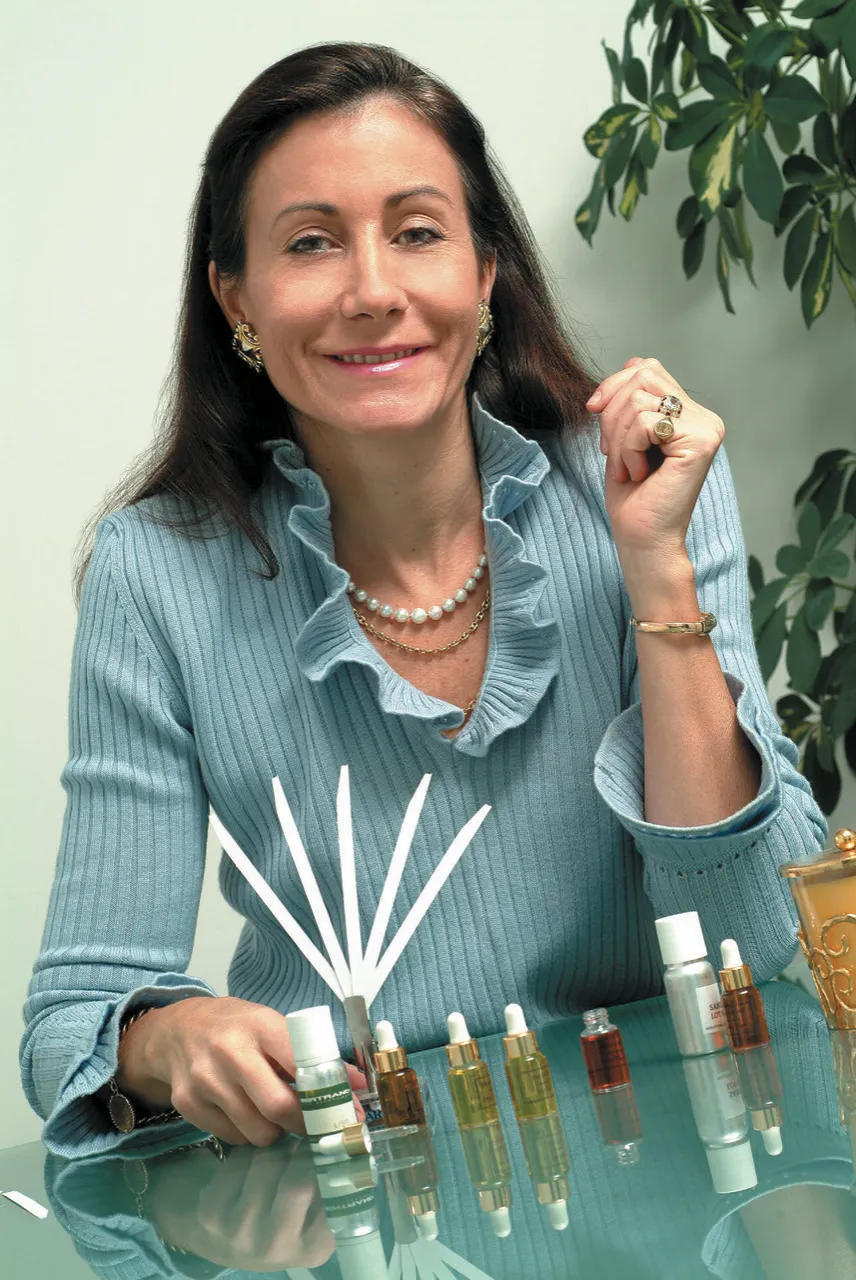
Chanel No. 5 was a revolution: it boldly used aldehydes, synthetic substances that gave the scent radiance and abstraction. It was a smell that resembled no single flower, the smell of the modern woman. Brocard’s factory was meanwhile nationalised and became the famous Novaya Zarya, and Soviet perfumery produced scents such as Red Moscow, whose history is often linked with pre-revolutionary recipes. So the Moscow school of perfumery left its mark on Soviet everyday life and on the most famous French scent. This plot is one of the most unexpected in the history of beauty.
Scent is the only adornment that cannot be photographed, and so it always says more about a person than it seems.
Why Everyone Loves Niche
Today the scents of mass-market brands are created for huge markets and tested by focus groups, and many buyers want something special. Niche brands offer bold, sometimes strange compositions, rare materials and the names of perfumers on the bottles. Buyers discuss notes, collect sample sets, look for “their” scent. In essence this is a return to the nineteenth century, when the perfumer was an artist and created scents for particular people. The difference is that today everyone can feel like an empress for whom a personal scent is being composed.
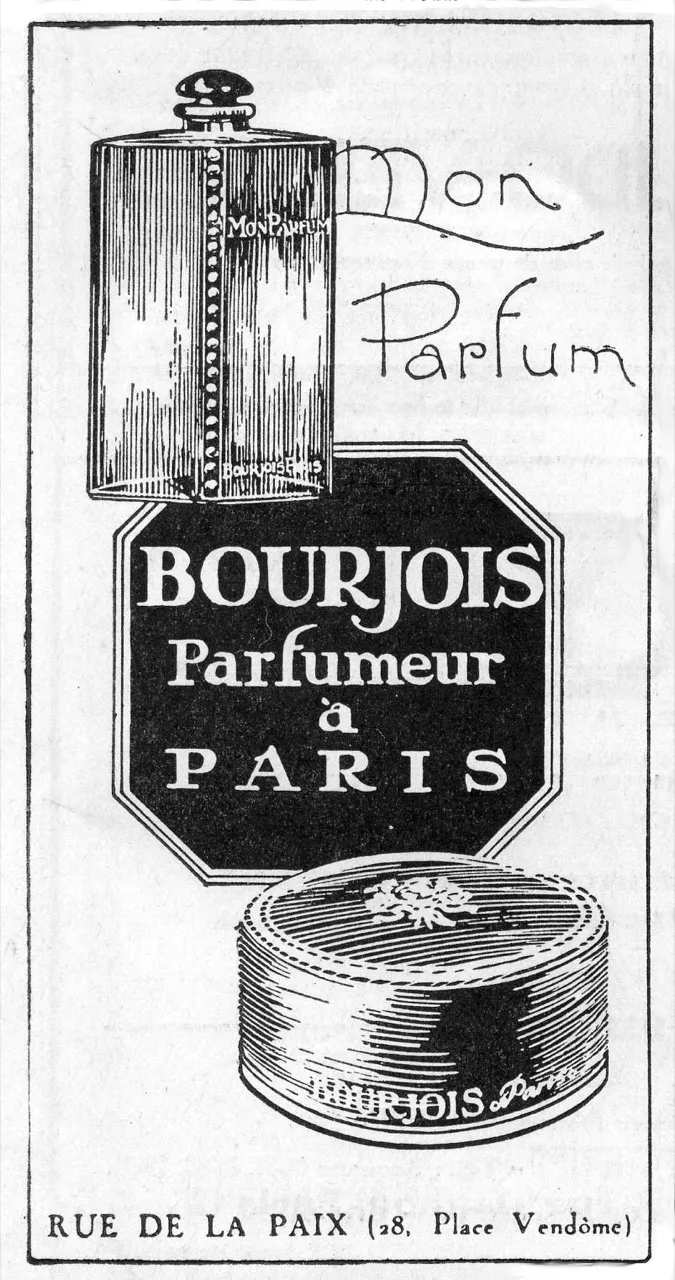
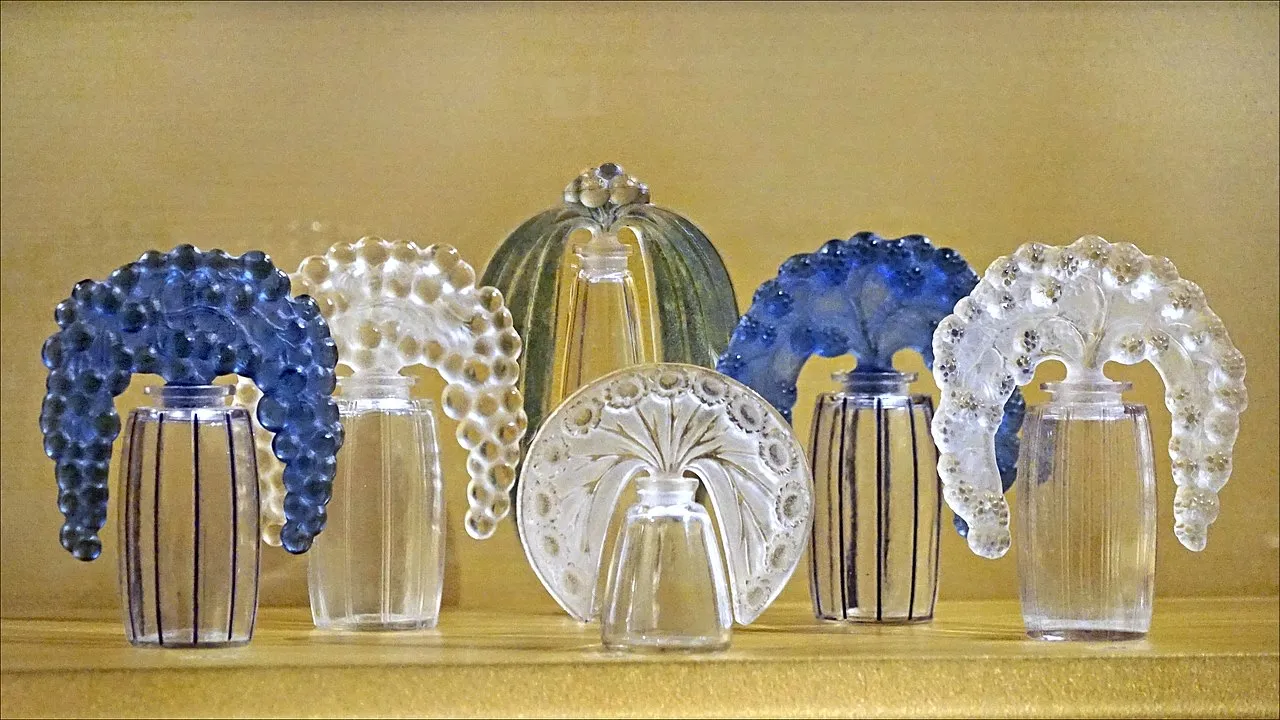
Perfumery in the archives
The history of perfume is a journey from the apothecary to the artist’s studio. Eau de Cologne healed and refreshed, Guerlain served emperors, chemists taught us to smell of things that do not exist in nature, and Moscow masters prepared the creator of a legend. The next time you choose a scent, think how much history can fit into a small bottle. And perhaps choose not what is fashionable but what tells your story, as Chanel No. 5 once told the story of a new age.