The War for Beauty
Today celebrities launch their own beauty brands every month. A hundred years ago the beauty industry was built by three women with no capital: the daughter of former slaves, an emigrant from Kraków and a Canadian nurse.
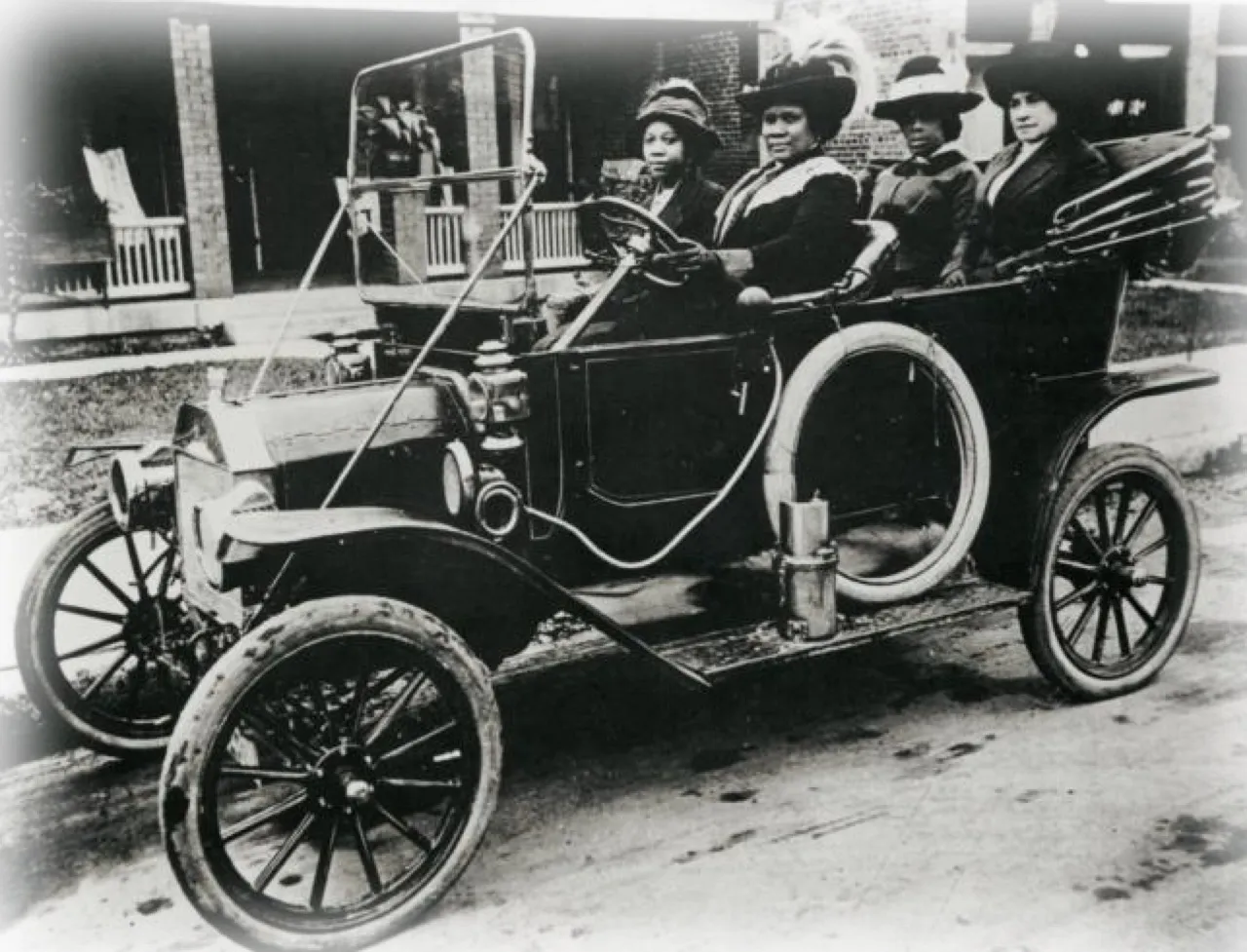
Celebrity-founded brands have become the main trend of the beauty industry in recent years: singers, actresses and bloggers launch their own lines, and some turn into billion-dollar companies. It seems it has always been like this: a face, a story, a product. But a hundred years ago a woman entrepreneur was almost impossible: without the vote in many countries, without access to credit, without support. And yet it was women who built the modern beauty industry. The three main heroines of this story are Madam C. J. Walker, Helena Rubinstein and Elizabeth Arden. The first changed the lives of thousands of Black women; the other two fought for decades one of the most famous wars in business history.
The Daughter of Former Slaves
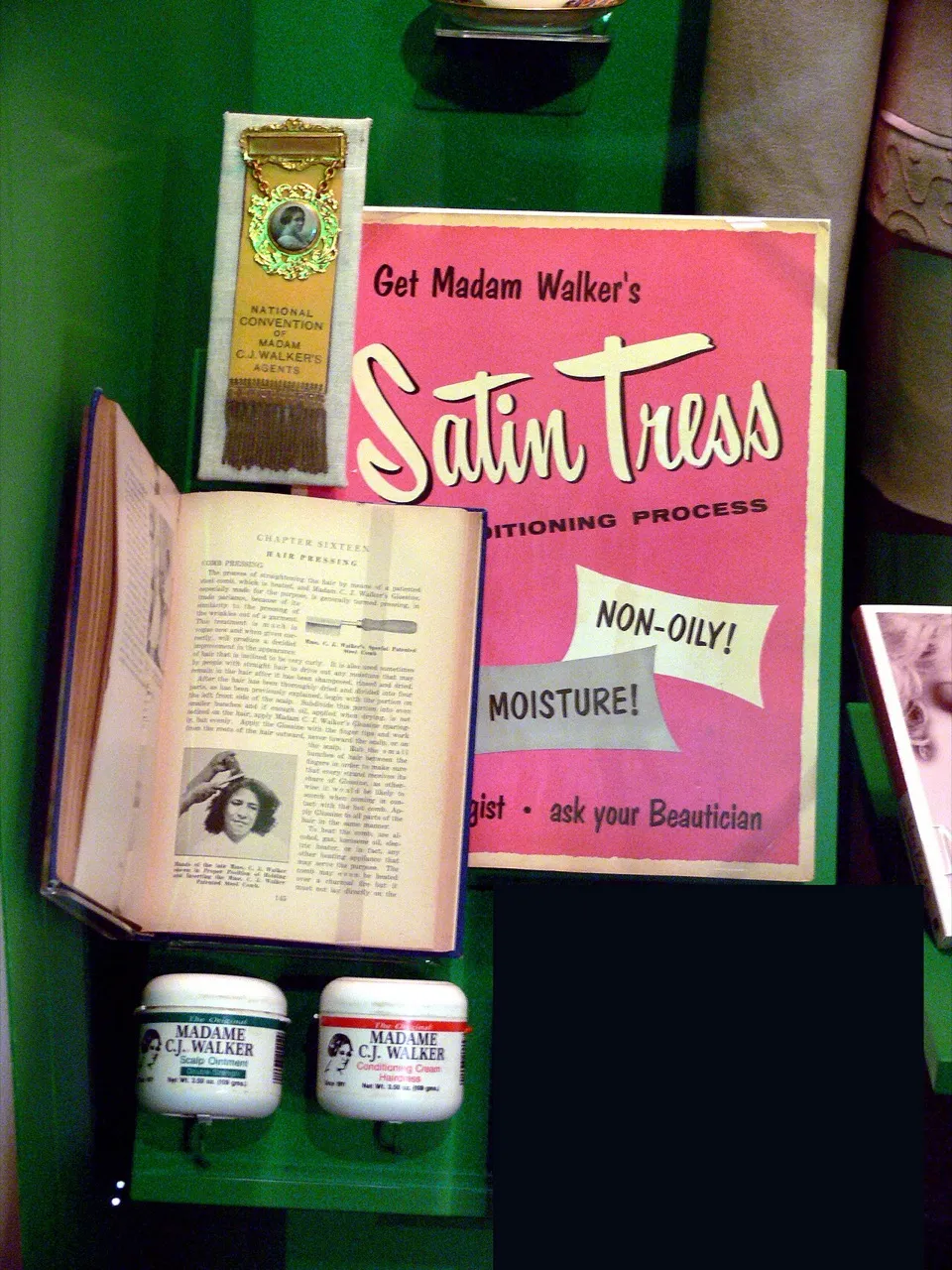
Sarah Breedlove was born in 1867 in Louisiana to parents who had been slaves, was orphaned early and worked as a laundress. She developed problems with her hair, a common trouble at the time because of poor hygiene and harsh products. She began selling hair products and then developed her own line for Black women. Taking the name Madam C. J. Walker, she built an enormous network of sales agents: thousands of women sold her products and earned an income of their own. She is often called the first American woman to earn millions by her own efforts. Walker gave money to education and the fight against racism and proved that beauty can be an instrument of freedom.
Helena Rubinstein was born in 1872 in Kraków, went to Australia and there, by legend, began selling a cream whose recipe she had brought from home. Her cream Valaze became a hit, and she opened salons in Melbourne, London, Paris and New York. Rubinstein was one of the first to talk about a “scientific” approach to skin, dividing it into types and teaching women skincare. Elizabeth Arden, born Florence Nightingale Graham, grew up in Canada, moved to New York and in 1910 opened a salon on Fifth Avenue with a red door that became her symbol. Both built luxury brands, both were perfectionists, and both could not stand each other.
Three Founders
Madam C. J. Walker (1867–1919): hair products for Black women, a network of agents
Helena Rubinstein (1872–1965): the cream Valaze, salons on three continents
Elizabeth Arden (1881–1966): a salon with a red door on Fifth Avenue, 1910
The Longest War
The rivalry between Rubinstein and Arden lasted half a century. They copied each other’s products and poached staff; by a well-known story, Arden hired Rubinstein’s manager, and Rubinstein in reply lured away Arden’s former husband. Each opened salons next door to her rival’s. They say the two never met in person. Their story became the basis of the 2017 Broadway musical War Paint. The war had a positive effect too: thanks to competition the industry grew quickly, with new products, salons and methods of care appearing. Cosmetics turned from a pharmacy item into a luxury ritual and a powerful economy.
Arden and Rubinstein were not only rivals but also participants in big events. By a popular story, in 1912 Arden handed out red lipstick to the women of the suffragette march in New York, and the lipstick became a symbol of women’s courage. Rubinstein, by a well-known legend, sold her American business to an investment bank shortly before the stock market crash of 1929, and then bought it back much cheaper. Both women became among the richest in the world. Their brands outlived their creators and still exist, though they have long belonged to large corporations.
The beauty industry was built by women whom society gave no voice, and that is why they spoke through a product.
What Has Changed After a Hundred Years
Today’s celebrity brands largely repeat the model of Walker, Rubinstein and Arden: the founder’s personality, a story, emotion, a community of customers. But there are differences too. Walker created products for those the big industry did not notice, and today inclusive brands that release dozens of foundation shades carry on her work. Rubinstein and Arden sold the dream of luxury, while modern brands sell belonging to the circle of an idol. The main thing that unites these eras is that the beauty industry remains one of the few big businesses where women have historically been not only customers but founders.
The story of the three founders is a story of how beauty became a business, and business a way of changing a life. Sarah Breedlove began as a laundress, Helena Rubinstein as an emigrant with no money, Florence Graham as a nurse. Each turned self-care into an empire. In an age when anyone can launch a brand on social media, their example is a reminder that behind a successful product there is always not only packaging but an understanding of what people want and what they lack. Perhaps that is exactly what separates brands that live for a hundred years from those that vanish in a season.