Deadly Beautiful
White lead, drops of belladonna, arsenic “complexion wafers” and radioactive powder. We read the ingredients of creams in apps, but once beauty could literally kill.
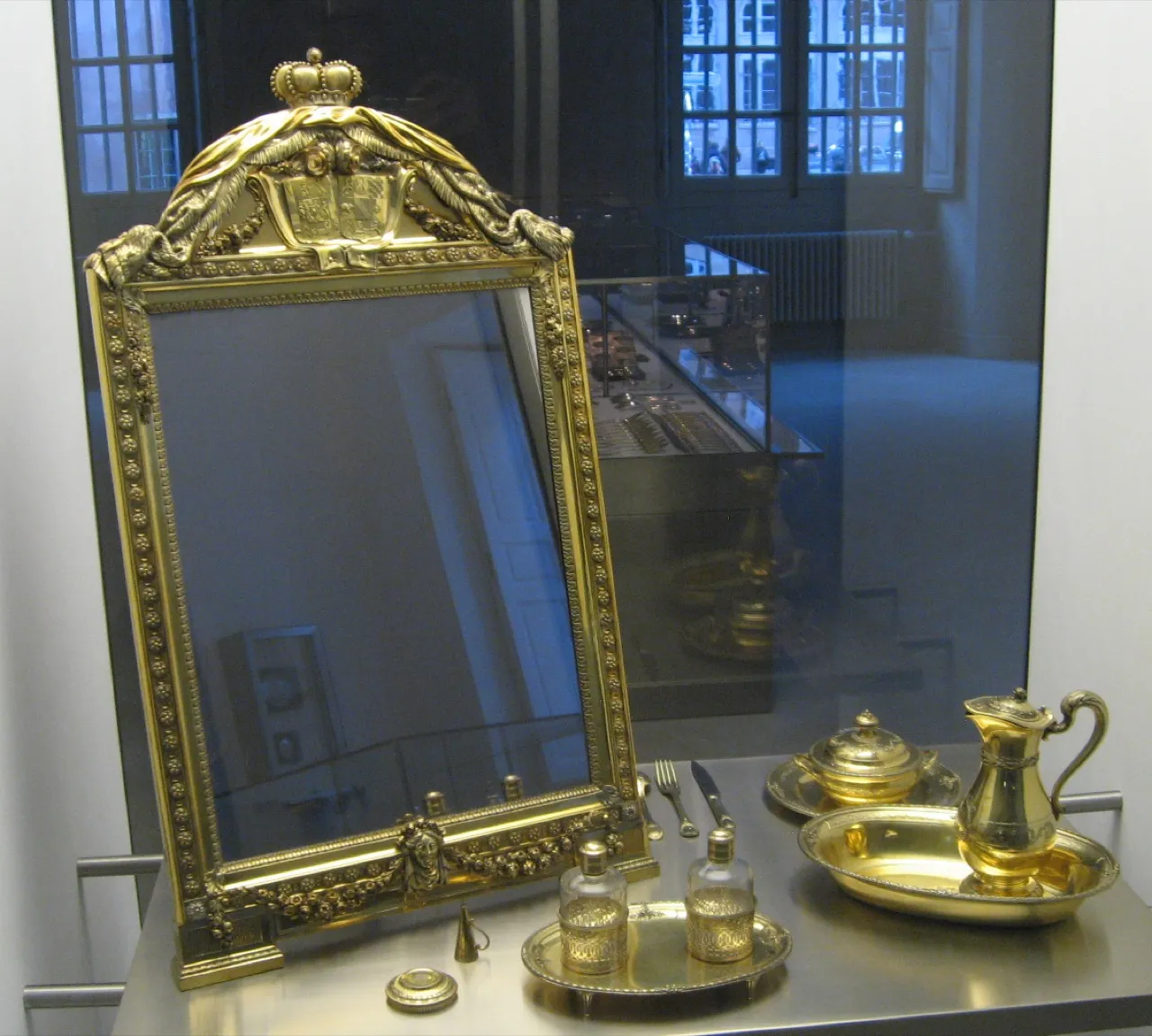
Today we scan the ingredients of creams in apps, argue about parabens and silicones and choose “clean” cosmetics. It can look like the paranoia of the social-media age. But the history of cosmetics explains where this anxiety came from: for centuries people put lead, mercury and arsenic on their faces, dripped poisonous plants into their eyes and, in the twentieth century, even used radioactive substances. Some dangers they did not understand, others they knowingly ignored for the sake of the result. The laws that protect buyers today largely came about after notorious tragedies. This article is about the price people paid for beauty, and about why caution in choosing cosmetics has a very long history.
The White Face
For centuries pale skin was regarded as a sign of aristocracy: it showed that a person did not work in the sun. To achieve perfect whiteness women and men used lead-based white paint, called ceruse in England. Such paint went on well and hid the marks of smallpox, but lead slowly poisoned the body, destroyed skin and teeth and caused hair loss. Beneath the layer of paint the skin deteriorated even more, and more had to be applied. Queen Elizabeth I is often portrayed with a bright white face, and historians link her image with the fashion for white paint. By a widespread version, in the eighteenth century the society beauty Maria Gunning, Countess of Coventry, died of lead cosmetics.
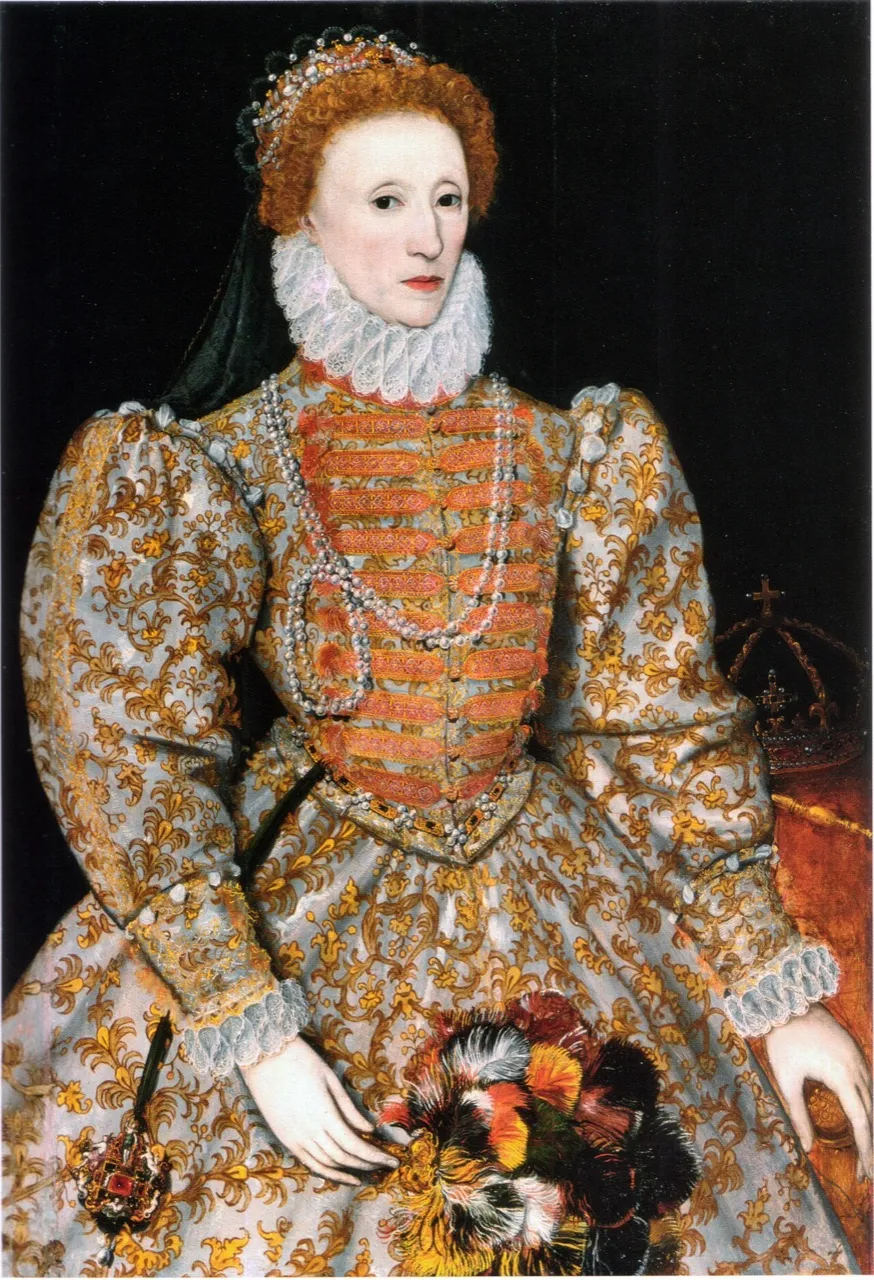

Beauty at risk
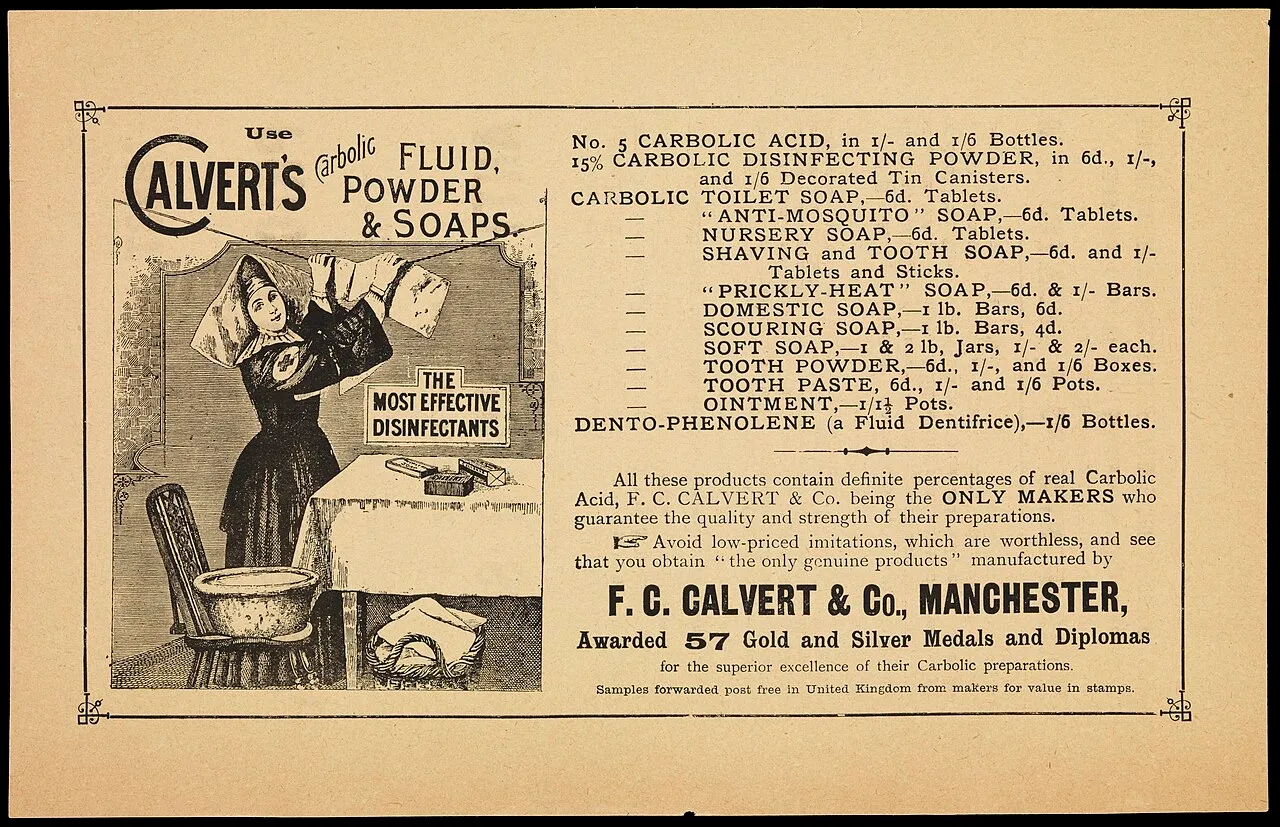
The eyes demanded sacrifices too. Italian fashionable women of the Renaissance dripped belladonna juice into their eyes to dilate the pupils: large dark eyes were considered especially attractive. The very name of the plant in Italian means “beautiful woman.” Belladonna does dilate the pupils, but frequent use can cause visual impairment and poisoning. Antimony and other metals were used for lashes and brows, and dyes of dubious origin for rouge. Cosmetics long remained the business of apothecaries and perfumers, who sold products without any checks. Recipes were passed by word of mouth along with superstitions.
Dangerous Cosmetics in History
White lead: lead poisoning, destruction of the skin
Belladonna: dilated pupils at the cost of risk to eyesight
Mercury: for “whitening” the skin
Arsenic: the “complexion wafers” of the nineteenth century
Radium: the “rejuvenating” cosmetics of the 1930s
Arsenic for Breakfast
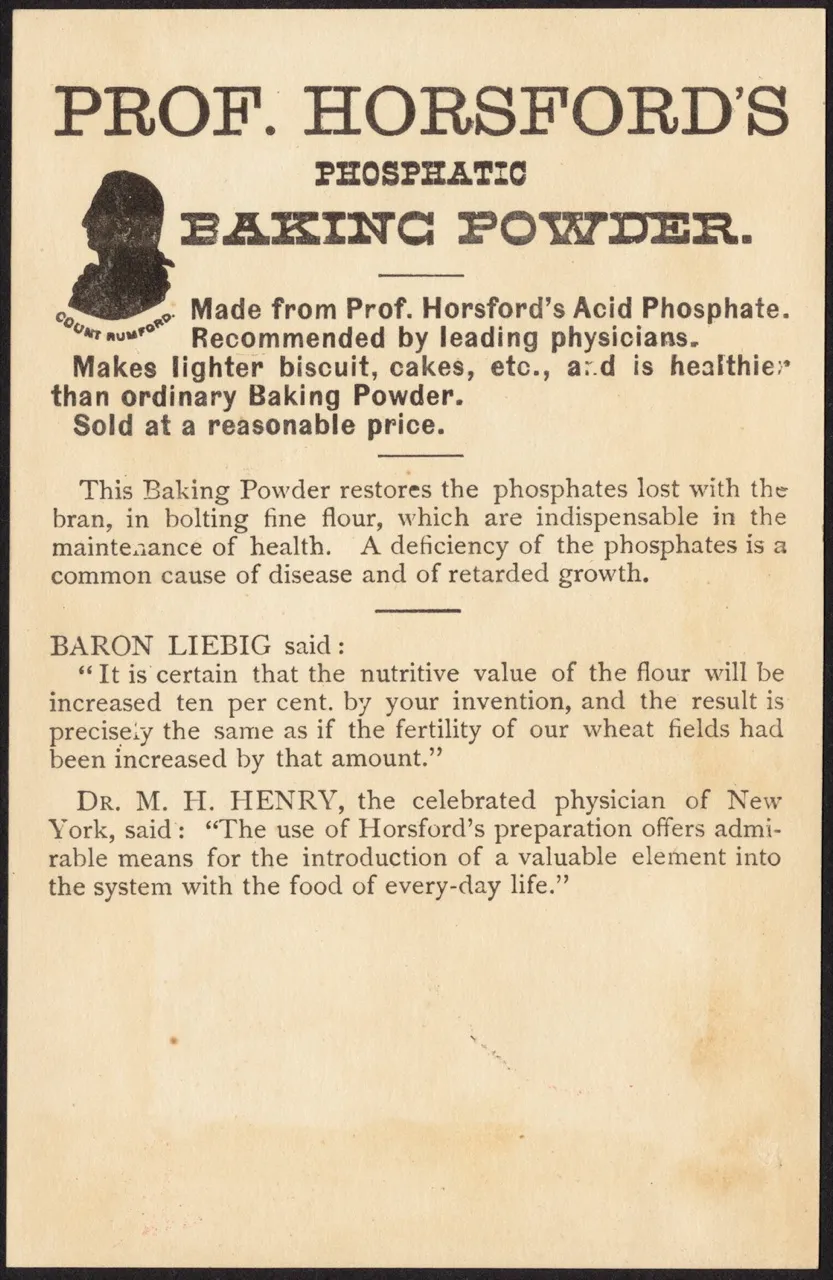
In the nineteenth century newspapers advertised “arsenic complexion wafers” that promised to make the skin transparently pale. They had to be taken by mouth. Arsenic in small doses could indeed produce pallor, through poisoning and damage to blood vessels. At the same time creams with mercury, whitening agents and “miracle” elixirs of unstated composition were on sale. In the early twentieth century the discovery of radioactivity gave rise to a new fashion: radium seemed a source of energy and youth. In France in the 1930s cosmetics were sold under the Tho-Radia brand, which advertised radium and thorium in its composition. Today it sounds like fantasy, but then science seemed a guarantee of benefit.
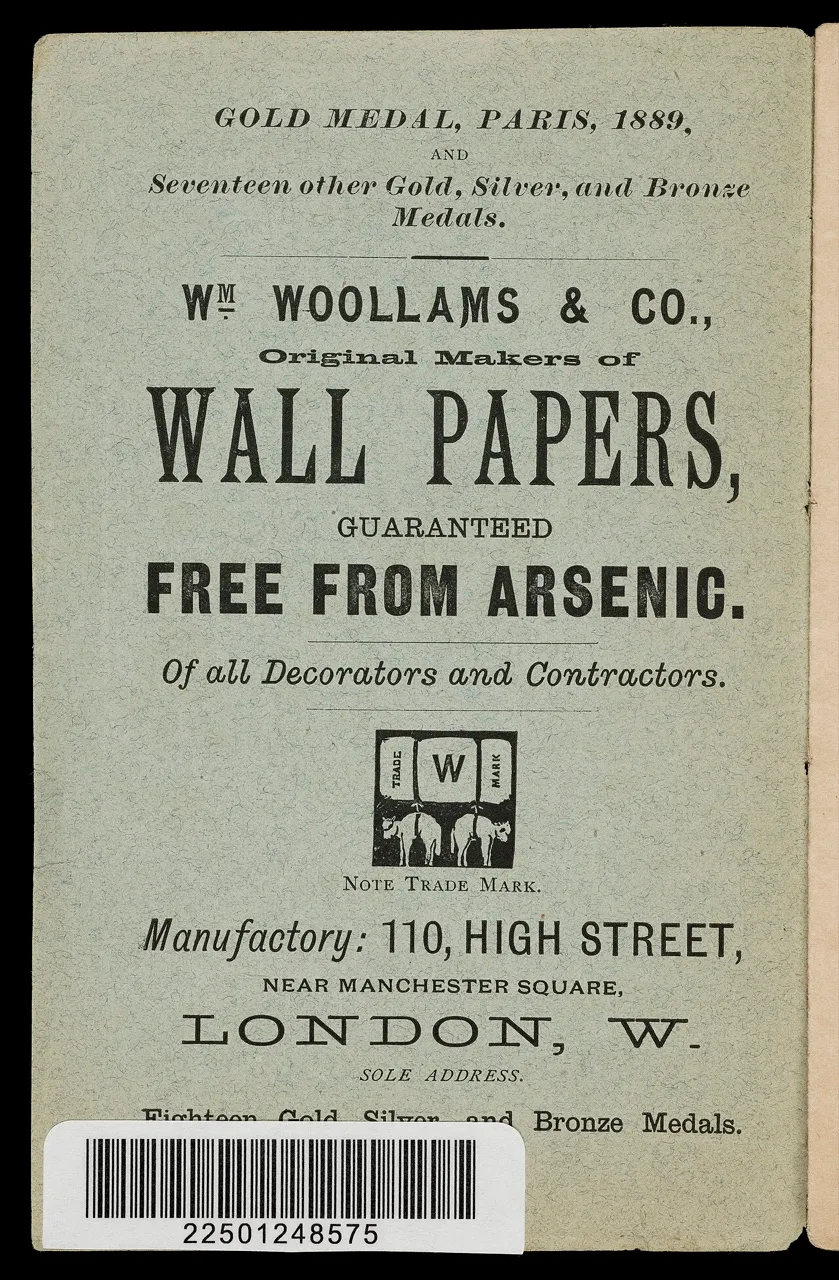
The turning point was the Lash Lure affair in the United States in the early 1930s. A product for dyeing lashes and brows caused severe burns, ulcers and blindness: several women lost their sight and one died. Photographs of the victims were shown in Congress and became one of the arguments for a new law. In 1938 the United States passed the Federal Food, Drug, and Cosmetic Act, which for the first time gave the state the right to control the safety of cosmetics. The tragedy turned into a system of rules. Since then many countries have drawn up lists of banned substances and labelling requirements.
Almost every safety rule in cosmetics was written by someone’s pain.
Clean Beauty Today
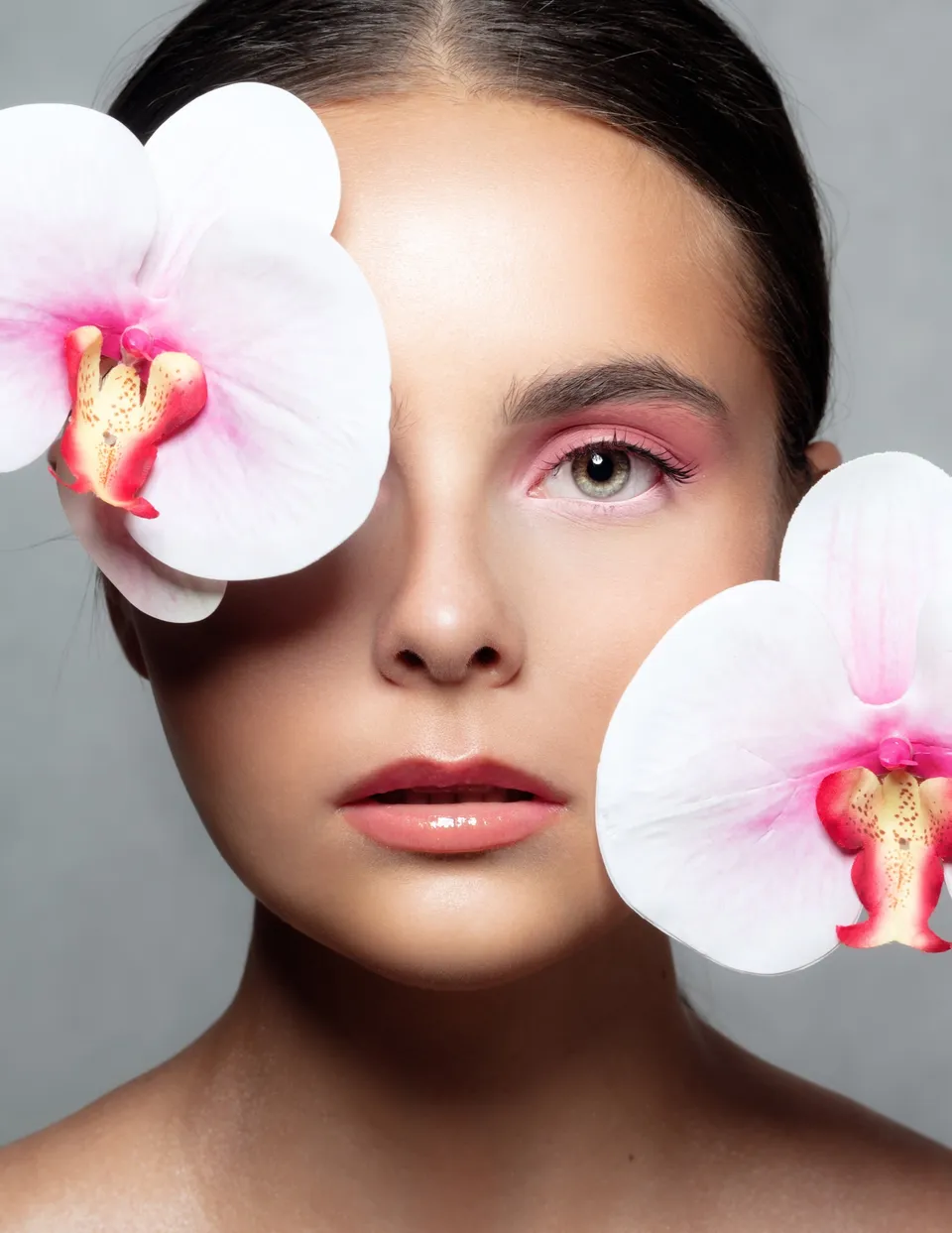
Today cosmetics are one of the most regulated consumer categories. In the European Union hundreds of substances are banned, manufacturers must state the ingredients, and new ingredients undergo safety assessment. But consumers still worry, and this anxiety is in large part a legacy of the past. The fashion for “clean” cosmetics sometimes goes too far, demonising safe ingredients, and marketing is happy to exploit it. The main lesson of history is not to fear chemistry but to trust verified data rather than promises. As in the nineteenth century, the loudest words on a label do not always mean the safest product.
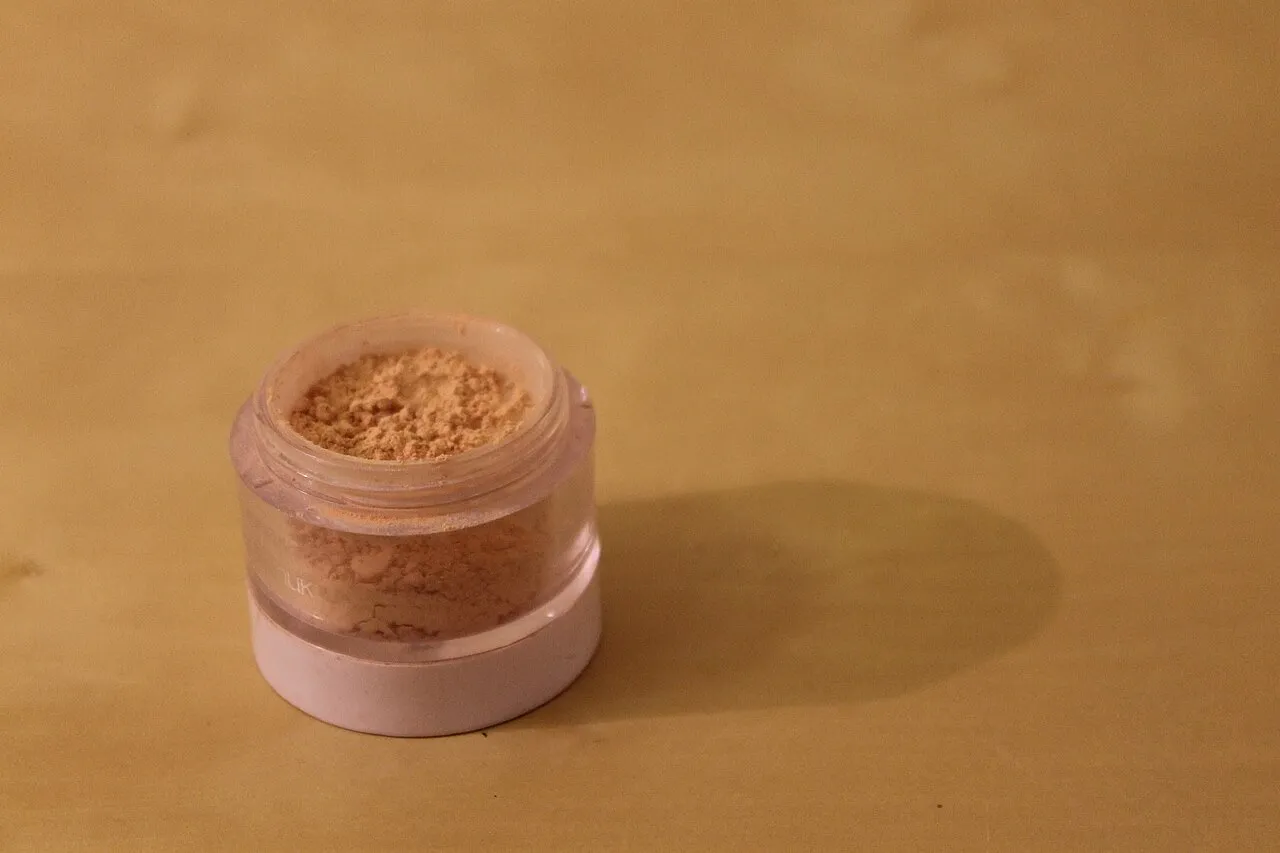
Cosmetics in the archives
The story of deadly beauty is no reason to laugh at our ancestors. They wanted the same thing as we do: to look better, younger, fresher. They simply had no knowledge, laws or laboratories. White lead, arsenic wafers and radioactive powder remind us that the wish to be beautiful can make people very trusting. Today we have the tools to check. Perhaps the best beauty advice from this history is: read the ingredients, trust science and remember that beauty should not cost your health.