Men in Powder
Men’s cosmetics is one of the fastest-growing markets in the beauty industry. But men wore make-up before: the story of the British “macaronis” of the eighteenth century, whom all of England laughed at.
Foundation for men, concealer, lip balm, eyebrow care: until recently all this seemed exotic, and today the men’s segment of cosmetics is growing faster than many others. Male celebrities wear manicures and make-up on red carpets, and beauty brands bring out separate lines. To many it seems a wholly new phenomenon. But in eighteenth-century London there was a whole group of young men who powdered, rouged, wore enormous wigs and bright suits. They were called “macaronis,” and all of England laughed at them. Their story shows that men’s beauty is not an invention of our time but an old argument about where masculinity ends.
Pasta From the Grand Tour
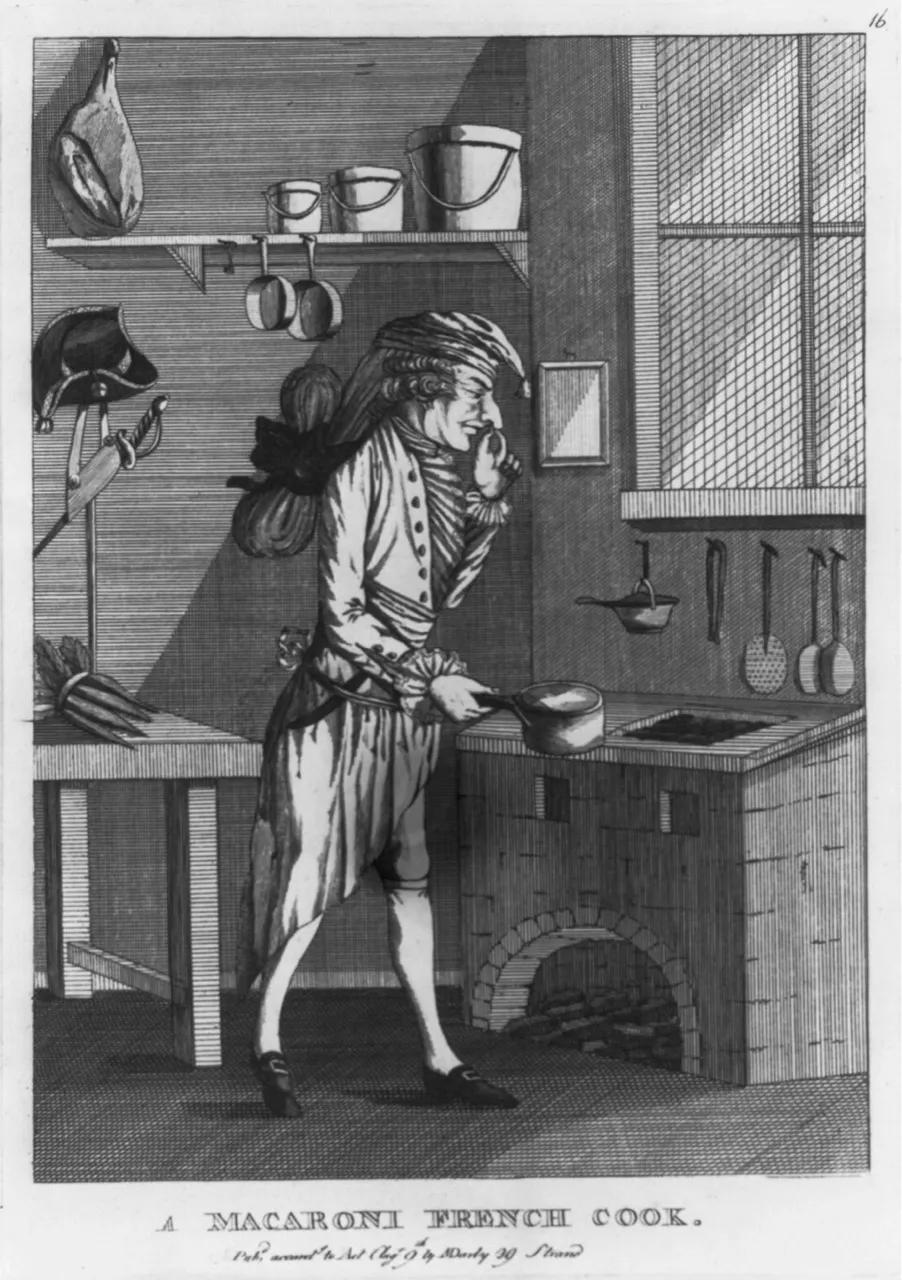
In the eighteenth century young British aristocrats completed their education with the “Grand Tour,” a long journey around Europe, above all Italy. There they got to know art, fashion and cuisine, and came home with new tastes. Some of them grew so fond of Italian food that, by a popular version, they founded a club in London that served macaroni, hence the nickname. In the 1760s and 1770s the word “macaroni” came to mean a young man who dressed in a pointedly fashionable and extravagant way. The writer Horace Walpole mentioned a “Macaroni Club” as early as the 1760s, and by the early 1770s everyone knew the word.
The macaroni fashion
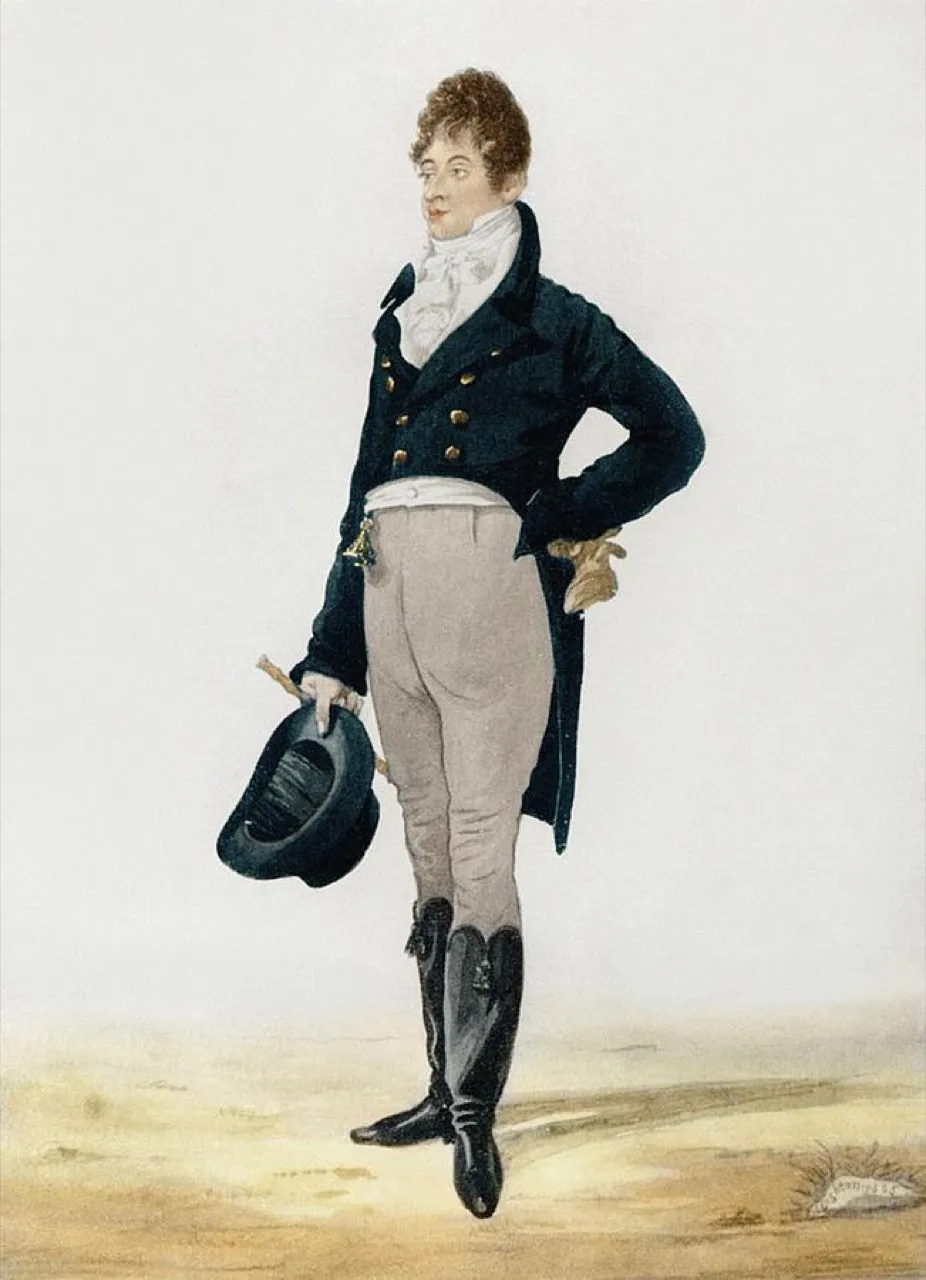
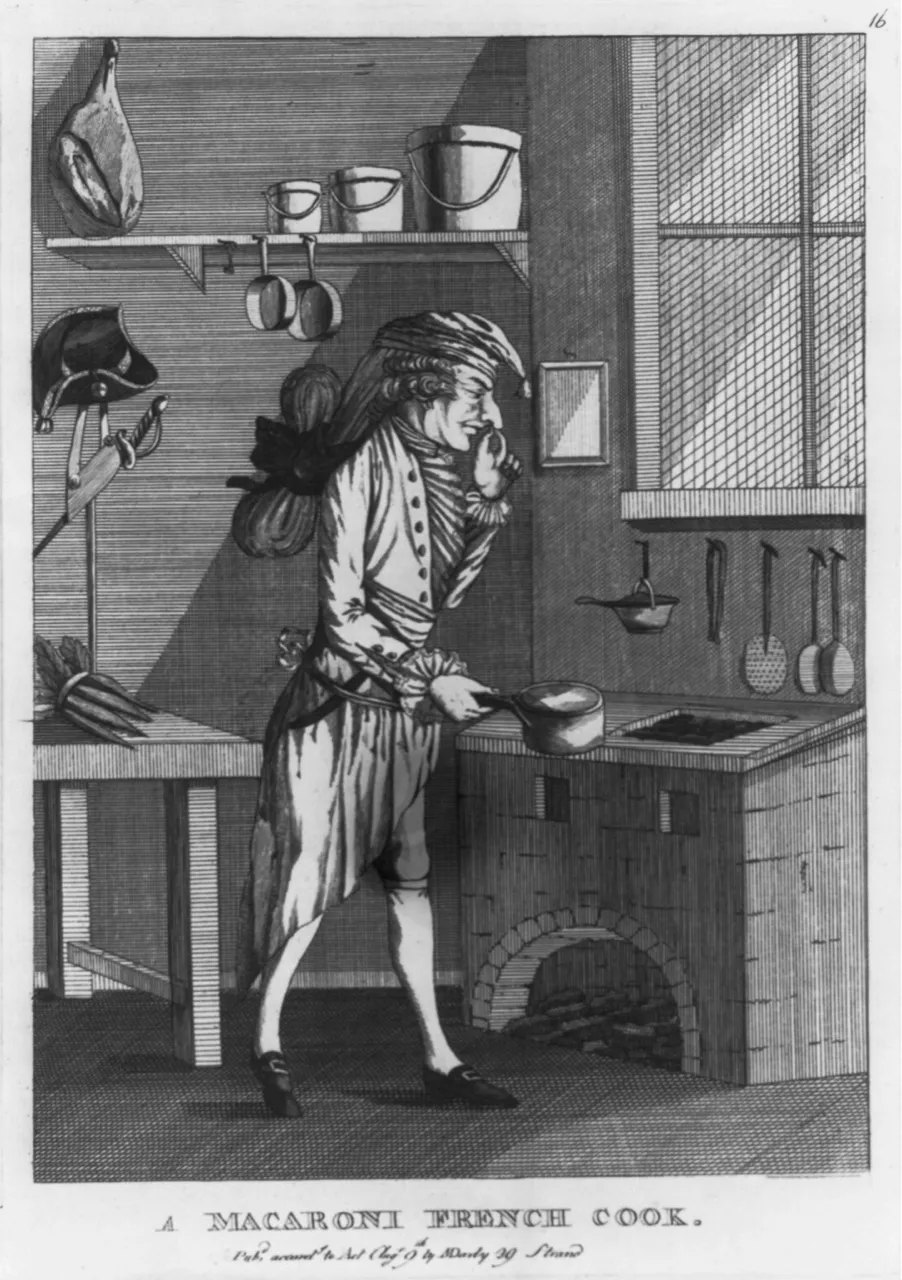
What did a real macaroni look like? An enormous powdered wig, sometimes tens of centimetres high, and a tiny tricorn hat on top that had to be knocked off with a cane. A close-fitting suit in bright colours, pink, striped, flowered, with huge buttons. Buckled shoes, a sword, a cane, a lorgnette, a little bouquet in the buttonhole. And, of course, the face: powder, rouge, beauty patches, small spots of fabric stuck on the skin. In the eighteenth century men of high society in general used cosmetics freely, but the macaronis took it to the limit. It was precisely the extremity that caused annoyance.
Who Were the “Macaronis”
Time: 1760s–1770s, London
Who: young men back from the “Grand Tour” of Italy
Signs: a tall wig, a tiny hat, a bright suit, powder and rouge
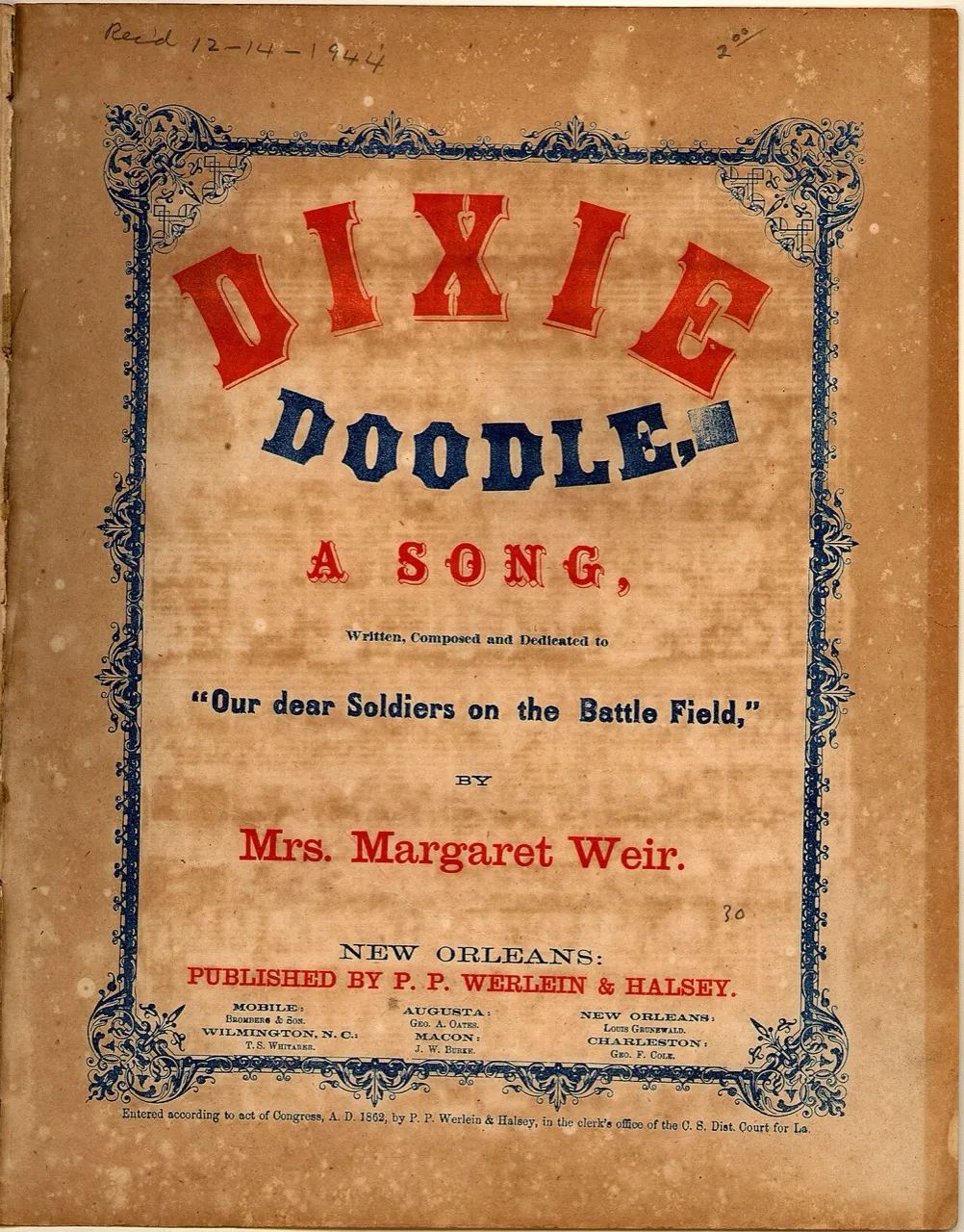
Where they survive: in hundreds of satirical prints and in the song Yankee Doodle
Memes of the Eighteenth Century
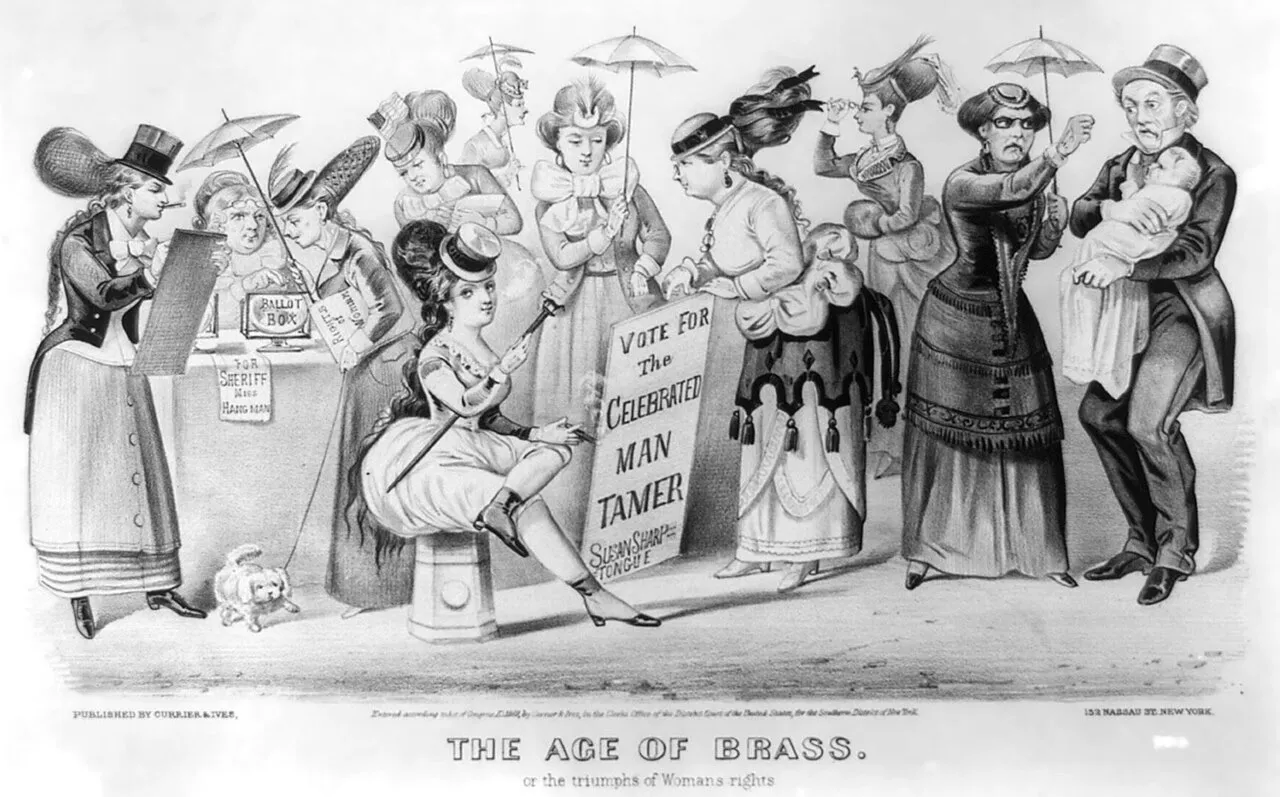
Macaronis became a favourite subject of satirists. The London print publisher Matthew Darly in the early 1770s brought out whole series of caricatures of fops, and people bought them as we share memes today. In the prints macaronis were shown with gigantic wigs in which birds could nest, with thin legs and haughty poses. Critics accused them of effeminacy, extravagance and “foreign” influence, in an era when England was competing with France and a love of continental fashion looked almost like treason. In the caricatures it is easy to recognise today’s arguments that a “real man” must not worry too much about his looks.
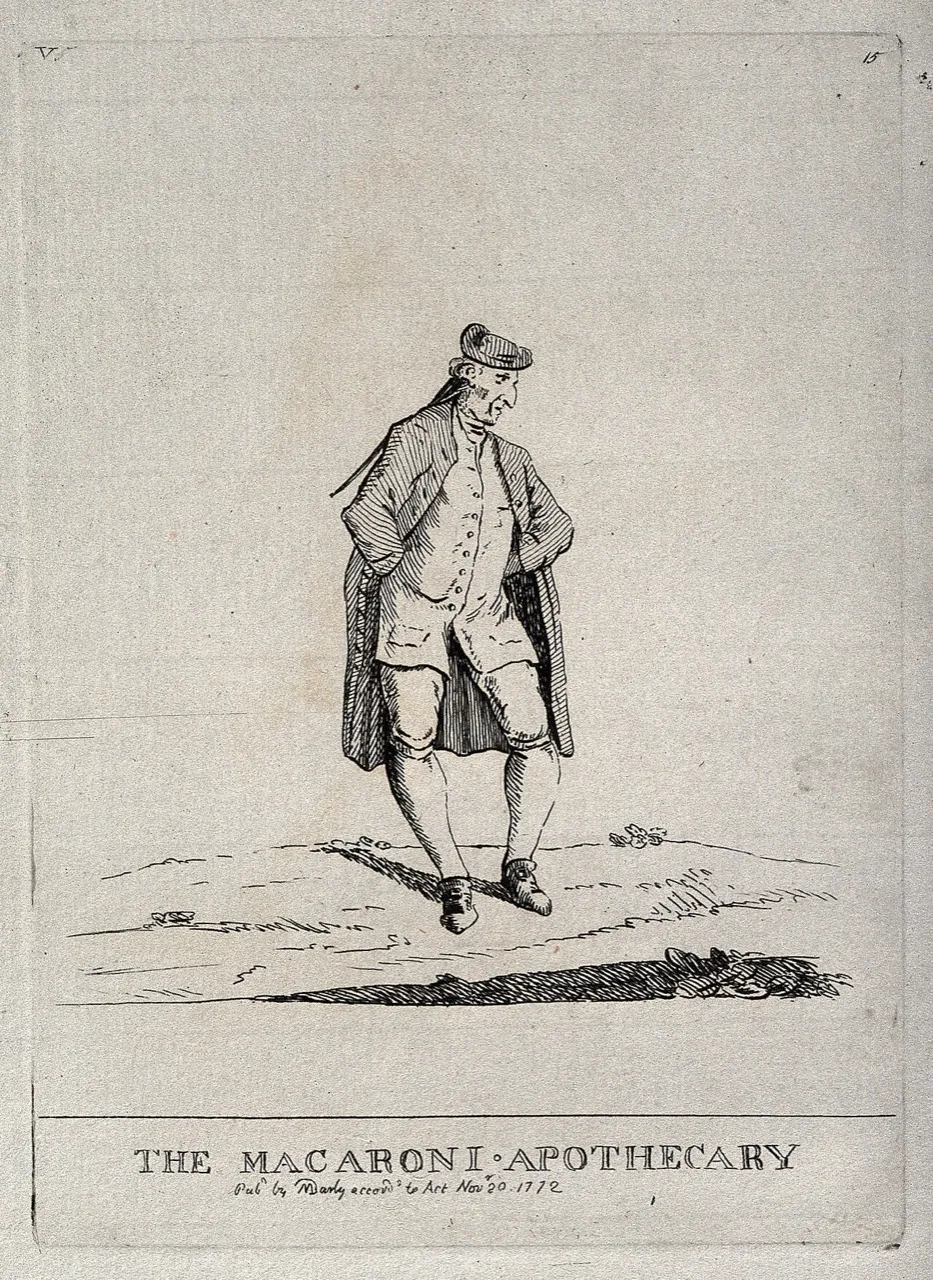
The most famous mention of the macaroni is one everyone knows but few understand. In the American song Yankee Doodle, which British soldiers sang even before the War of Independence, there is a line about a simpleton who “stuck a feather in his hat and called it macaroni.” The British were mocking provincial colonists: they think a feather in a hat makes them fashionable. Later the Americans turned the mockery into pride, and the song became patriotic. So a word that meant a London fop remained for ever in American culture.
Men’s beauty is laughed at in every century, and every time it comes back anyway.
Men’s Beauty Today
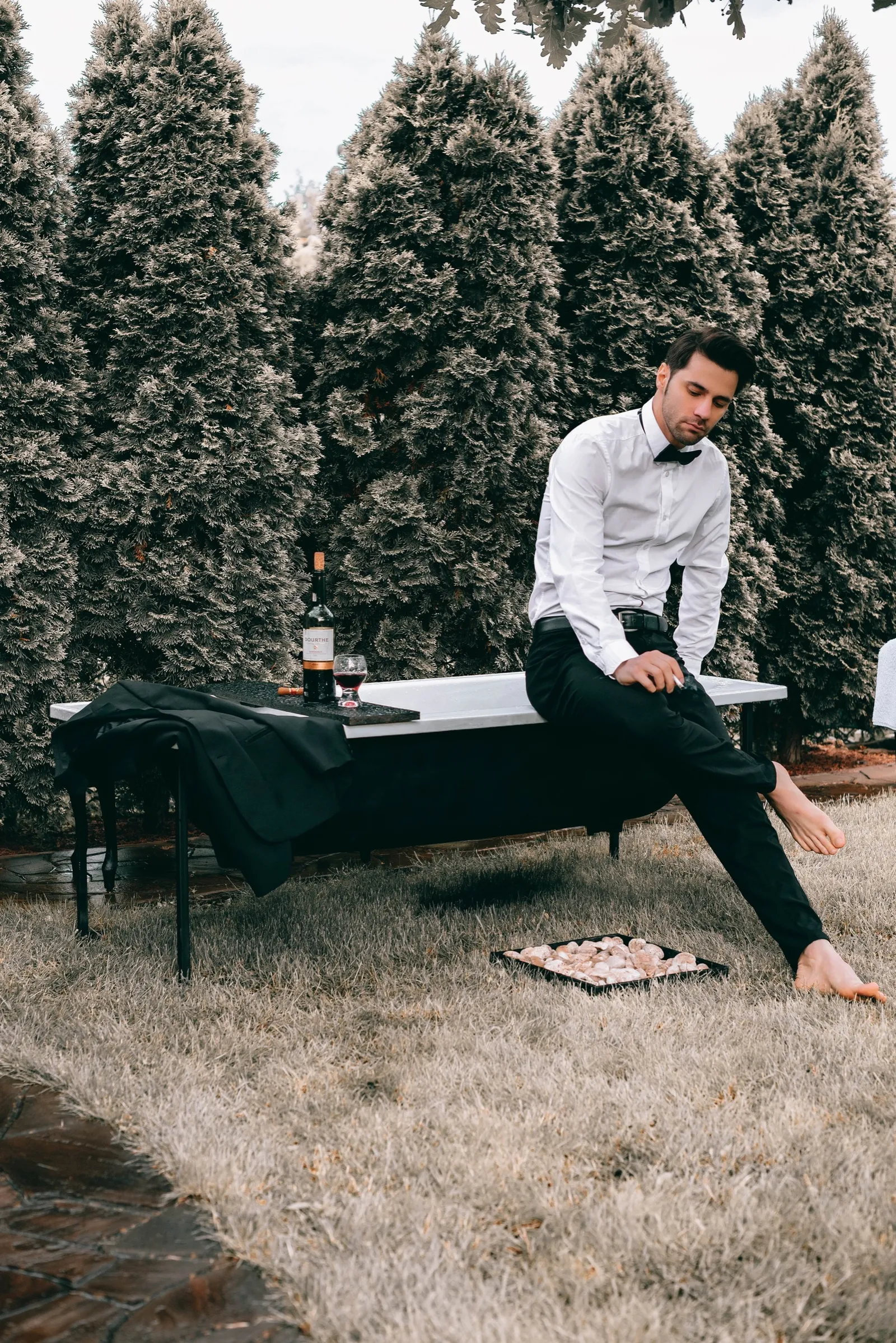
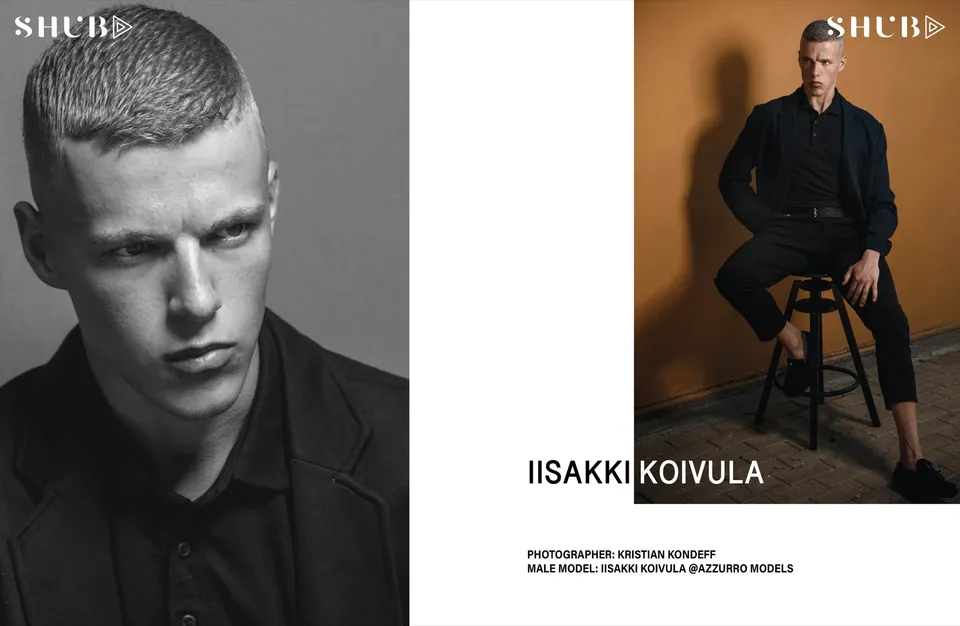
After the age of the macaronis, men’s fashion went through the “Great Male Renunciation”: men gave up bright colours, jewellery and cosmetics, leaving all of it to women. For almost two hundred years a man’s face had to look “natural,” and any intervention was considered a sign of vanity. Today this boundary is blurring again. Skincare has become the norm, and make-up for men a matter of choice rather than scandal. Korean pop culture, social media and celebrities unafraid to experiment have played an enormous role. The beauty industry has seen new customers in men, and men’s lines grow year after year.
Men’s beauty in history
The story of the macaronis is a reminder that ideas of the “masculine” and “feminine” in beauty are constantly changing. Powder and rouge were the norm for an eighteenth-century aristocrat, then became a sign of effeminacy, and today are turning into a personal choice again. Darly’s caricatures are funny even now, but one can see something touching in them too: young men who wanted to look bright and were not afraid of ridicule. If you use men’s cosmetics, you are not inventing anything new; you are continuing an old tradition that simply had a two-hundred-year break.