How a King Invented the Suit
The classic suit is returning to the men’s wardrobe. And it began with a royal decree of 1666, a plague, a fire and an English king’s wish not to dress like the French.
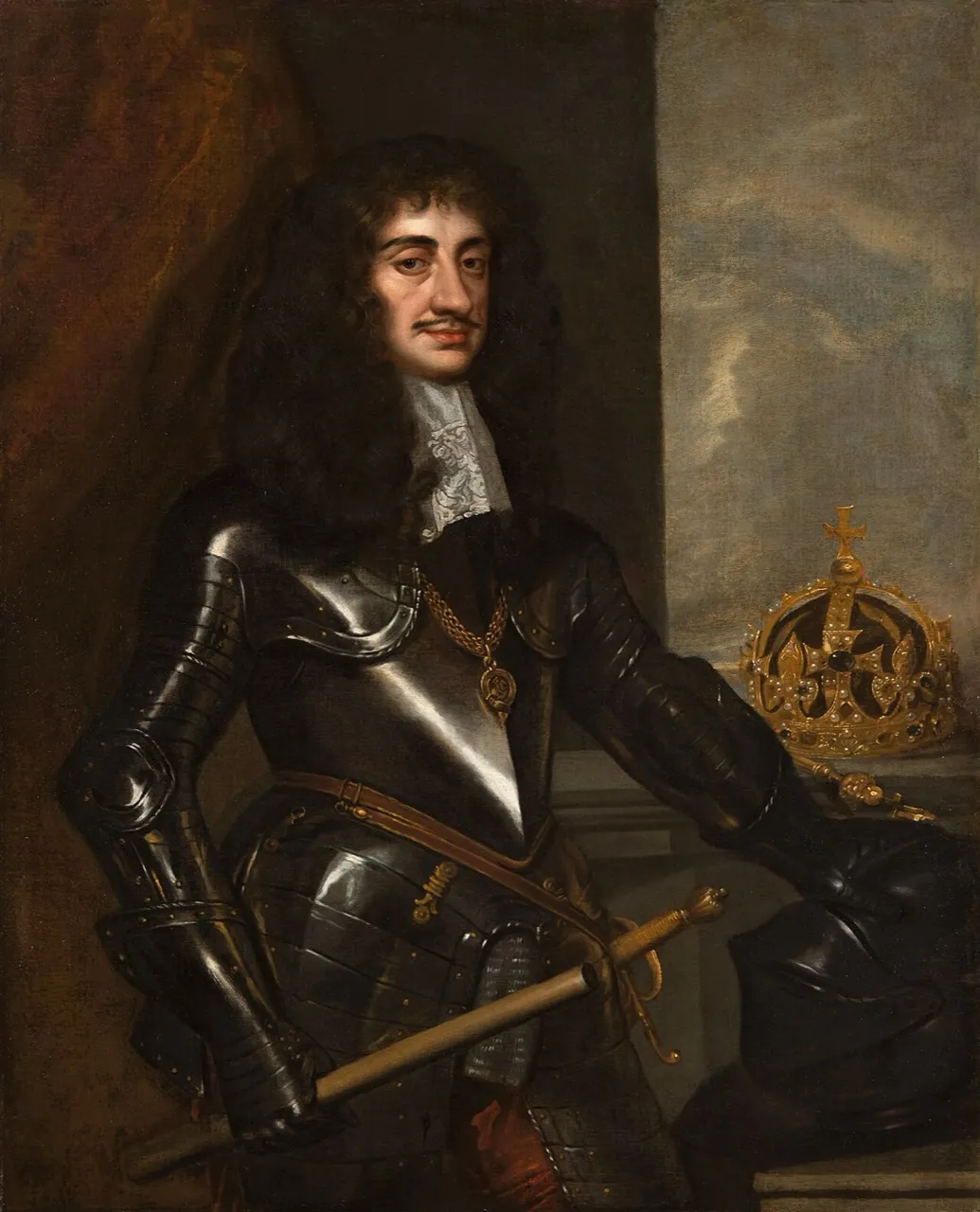
It seems the suit has always existed: jacket, trousers, sometimes a waistcoat, the most conservative clothing in the world. But it has an exact birth date, and it is tied to one of the most dramatic years in the history of London. In 1665 plague ravaged the city, in 1666 the Great Fire. And in the autumn of 1666 King Charles II announced that he was introducing a new fashion and would never change it. We know this from the diary of Samuel Pepys, the most famous London chronicler of his time. That is how the set that historians call the ancestor of the modern suit came about. Today, as tailored suits enjoy another comeback, it is worth recalling that they were devised as a response to a crisis.
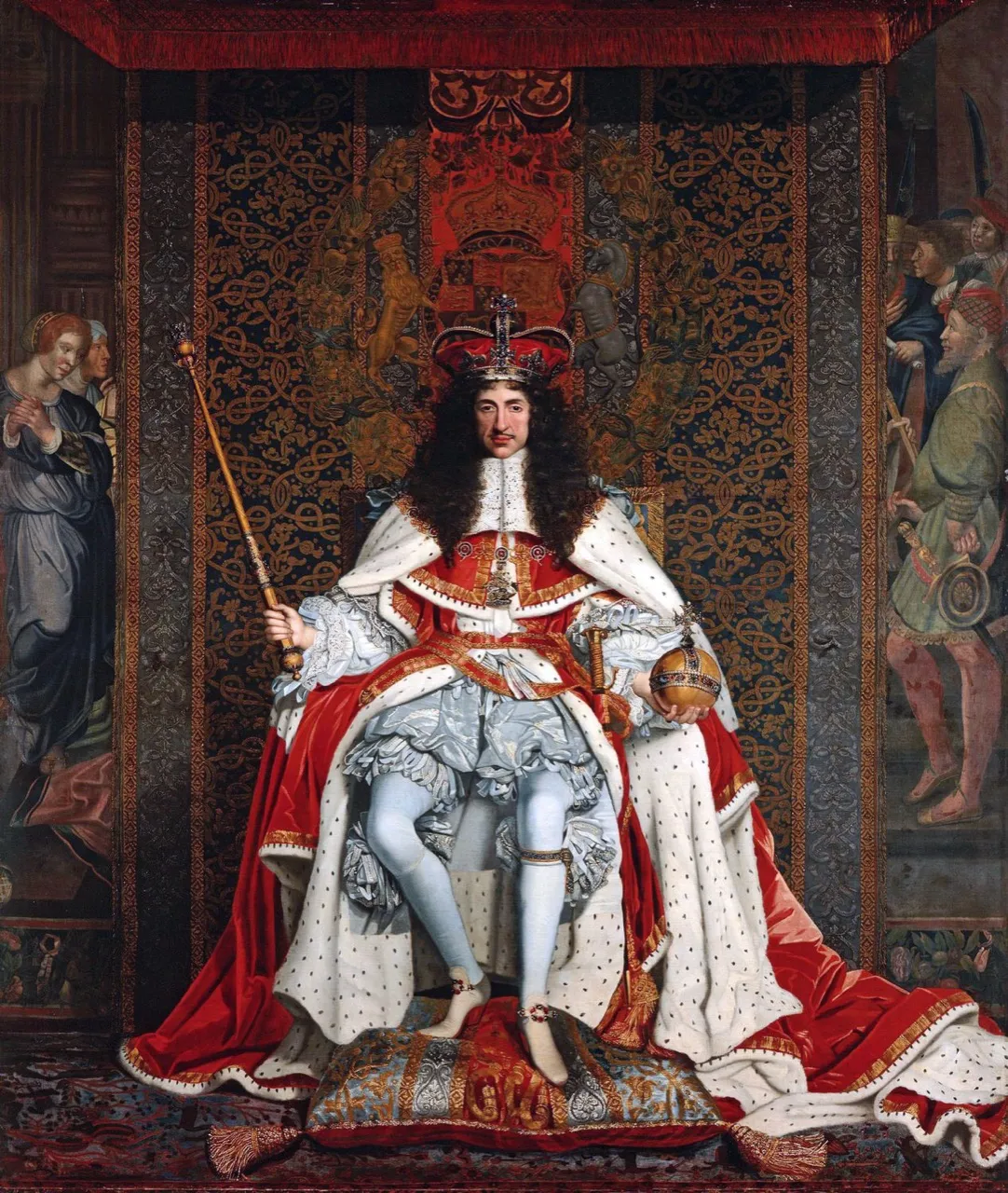
The Decree of the Waistcoat
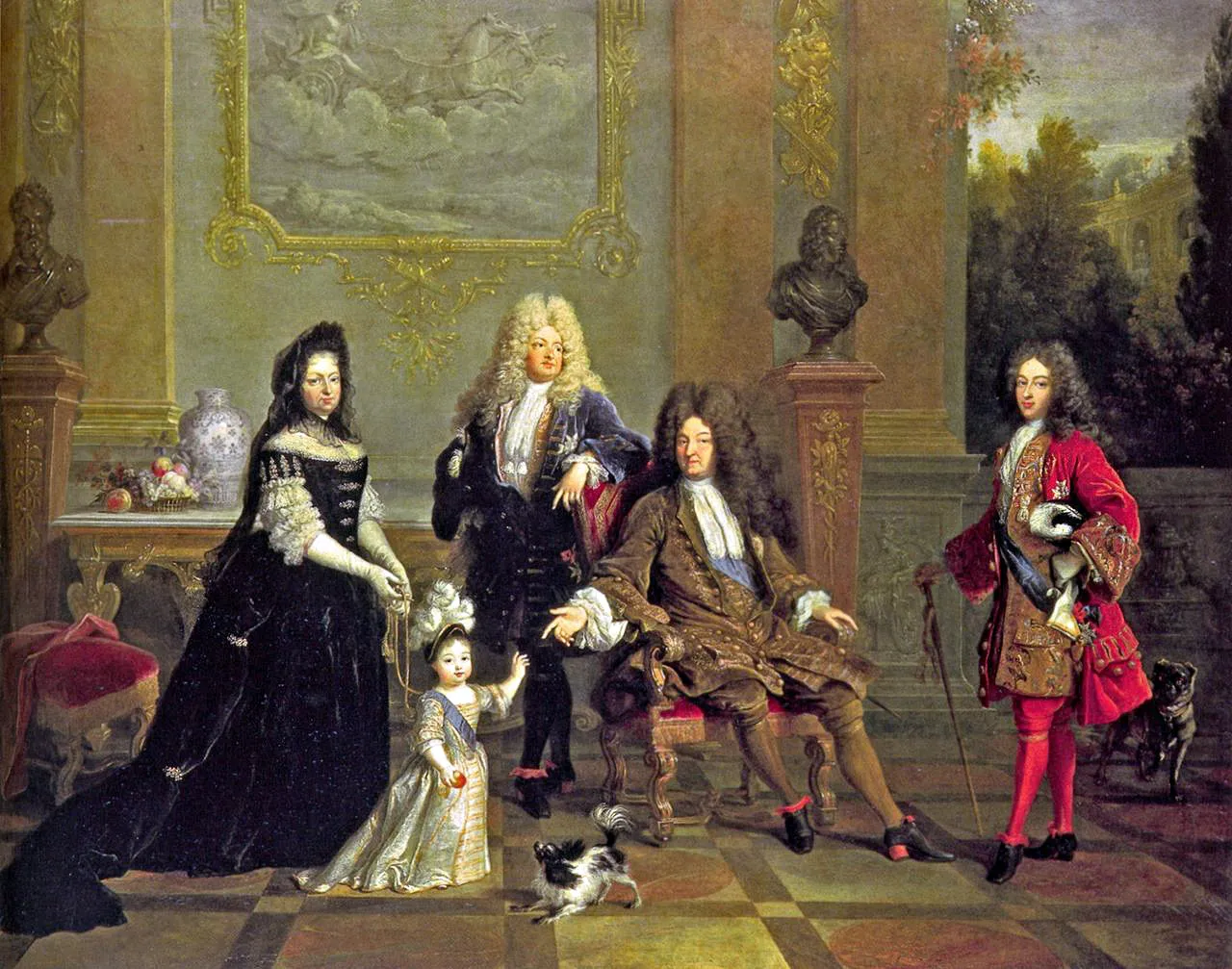
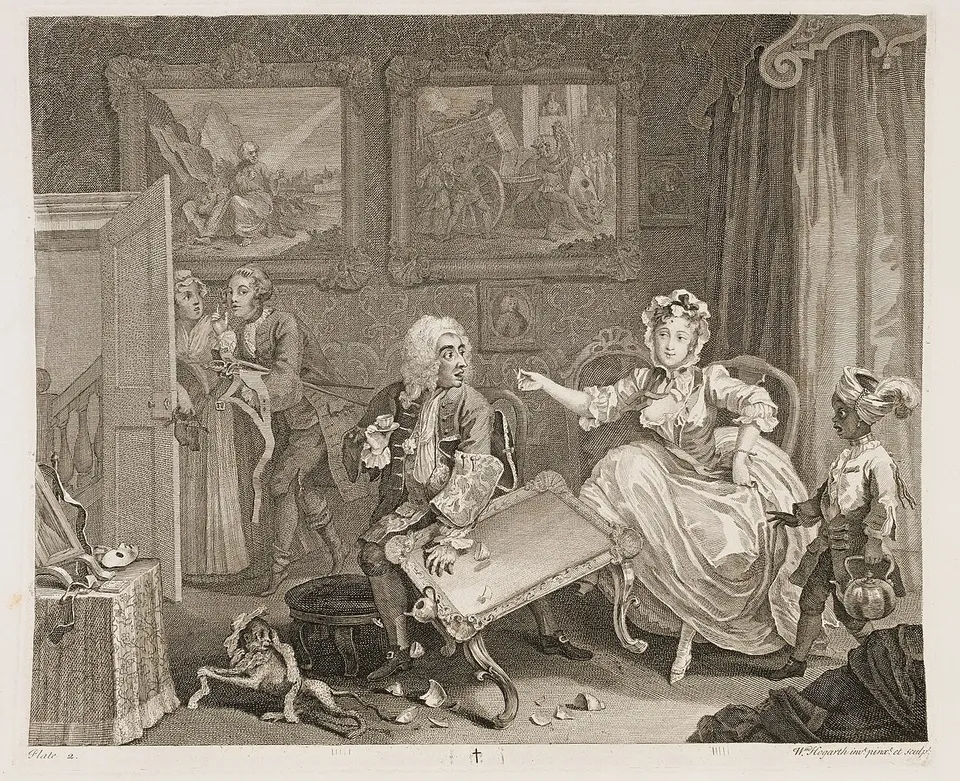
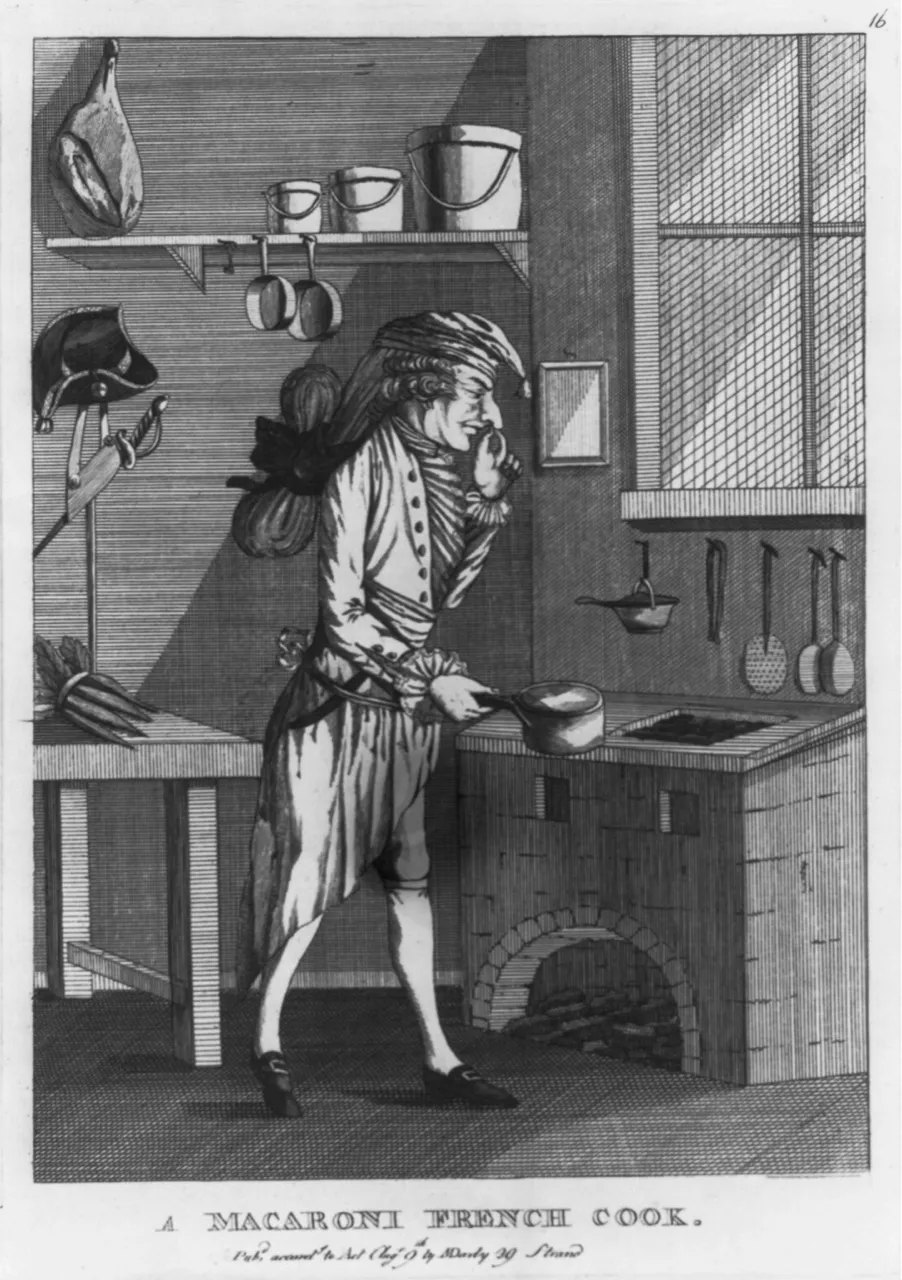
The court of Charles II, who had returned to the throne after the revolution, dressed in the French fashion: lavish, expensive and bright. After the plague and the fire excess luxury looked out of place, and dependence on French fabrics and tastes irritated the English. The king decided to introduce a fashion of his own. In October 1666 Pepys noted that the king had announced his intention to set a fashion in clothes that he would never change. A week later Charles appeared in a long, close-fitting waistcoat of dark cloth under a long coat. The writer John Evelyn, another witness of the age, also described the new outfit. Coat, waistcoat and breeches: that is the formula from which the men’s suit grew.
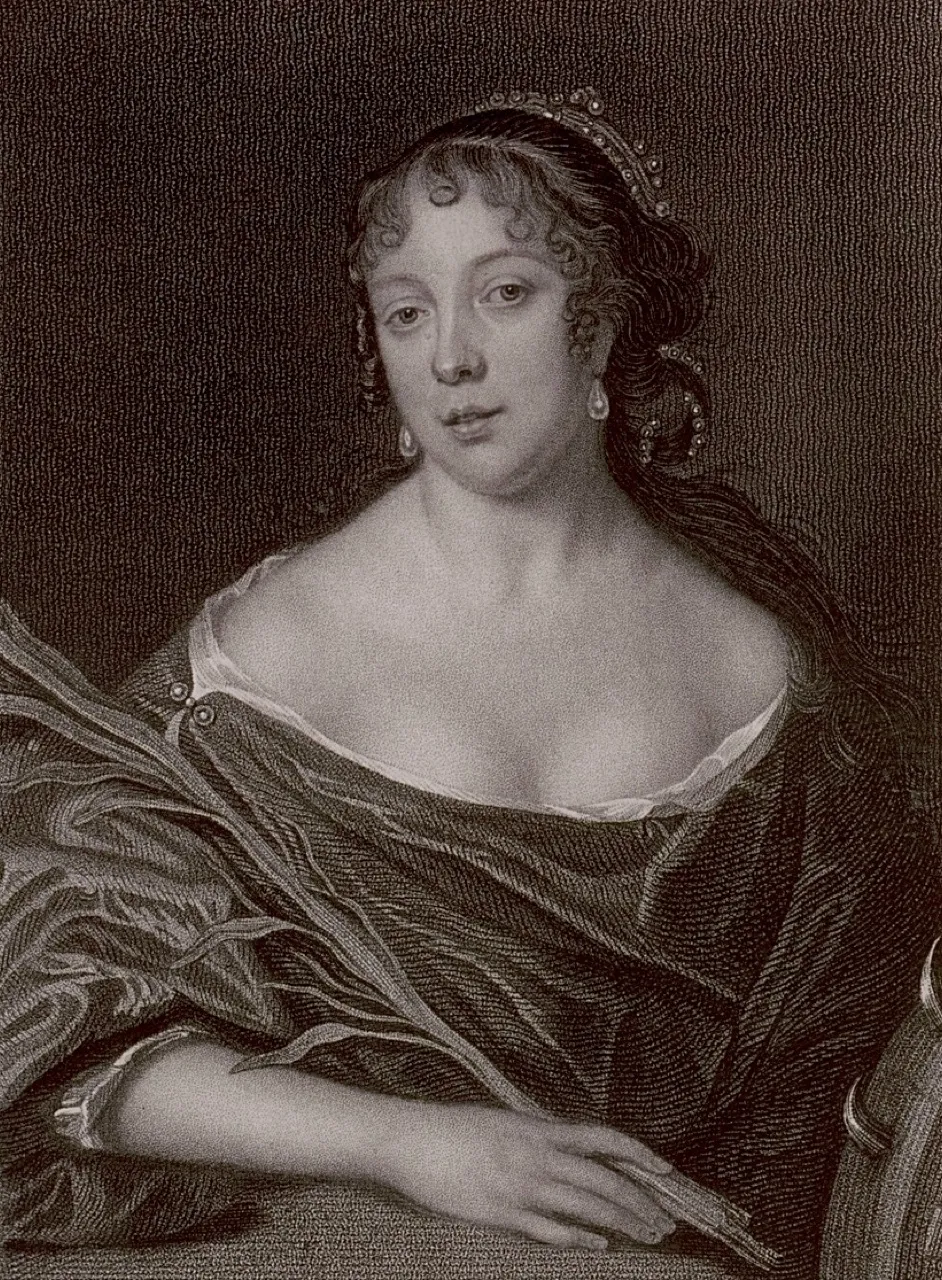
The birth of the set
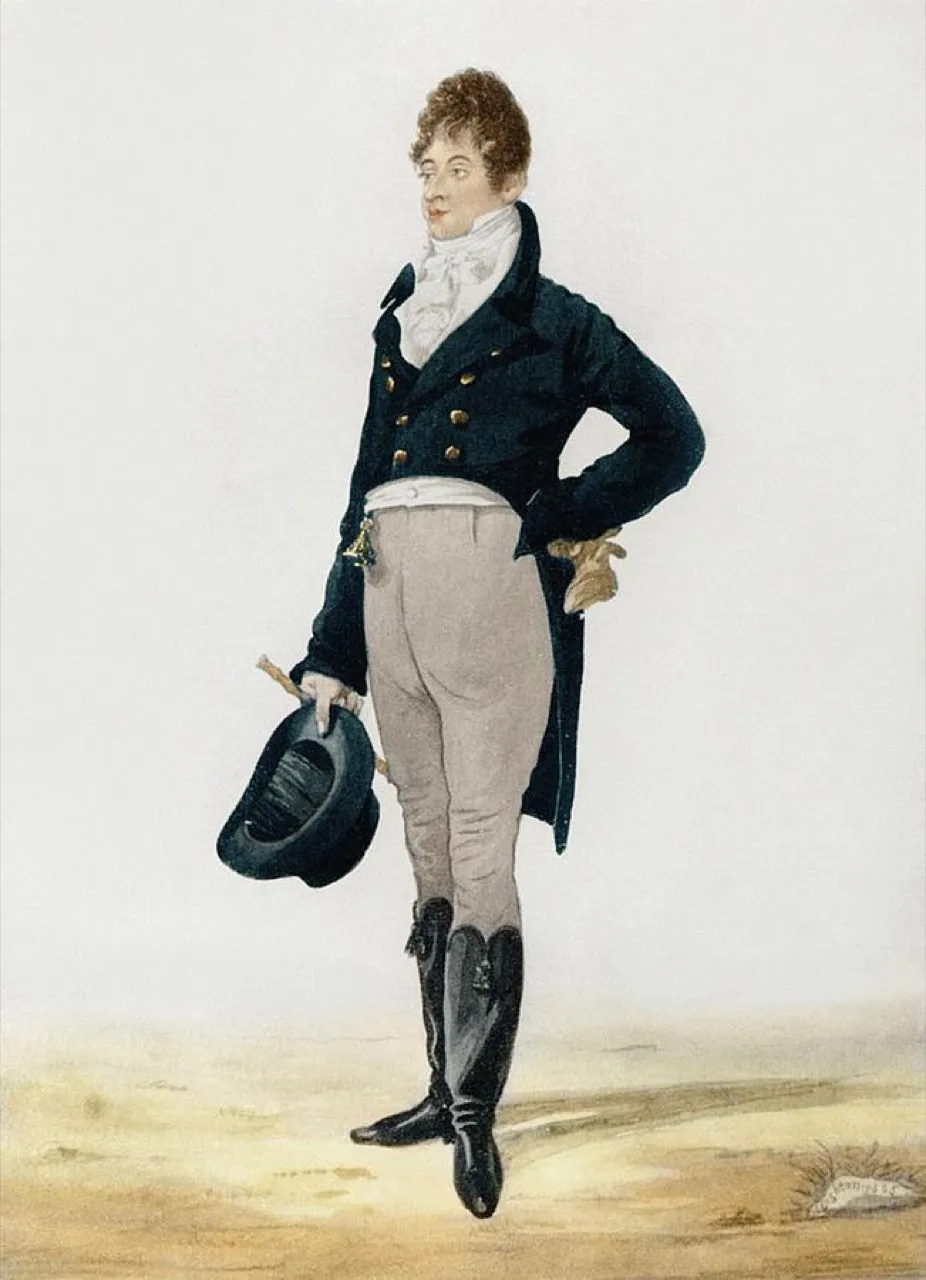
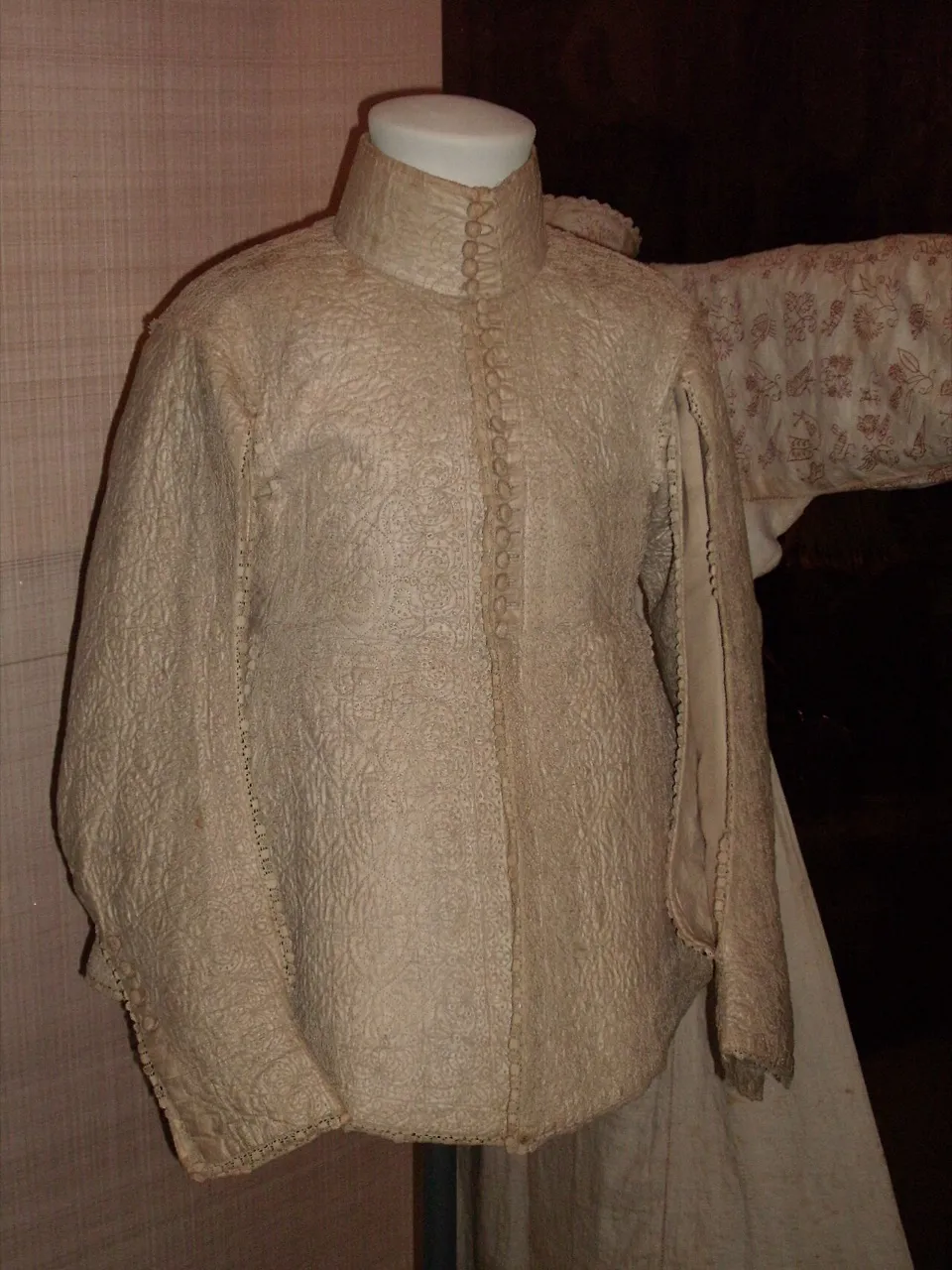
The idea took hold. In the eighteenth century the set of coat, waistcoat and breeches became the standard for men all over Europe, though colours and trimmings remained luxurious for a long time: embroidered silk waistcoats are today among the most beautiful exhibits in costume museums. Gradually the fabrics darkened and the silhouette simplified. In the early nineteenth century Beau Brummell bet on dark wool and perfect fit, and the suit became restrained. London’s Savile Row became the capital of men’s tailoring: the tailors who gathered there in the nineteenth century created what is now called the English school of tailoring.
The Main Milestones of the Suit
1666: Charles II introduces the long waistcoat under the coat
Eighteenth century: coat, waistcoat and breeches become the standard
Early nineteenth century: Brummell makes the suit dark and restrained
Mid-nineteenth century: the loose “lounge” suit appears
From Frock Coat to Jacket
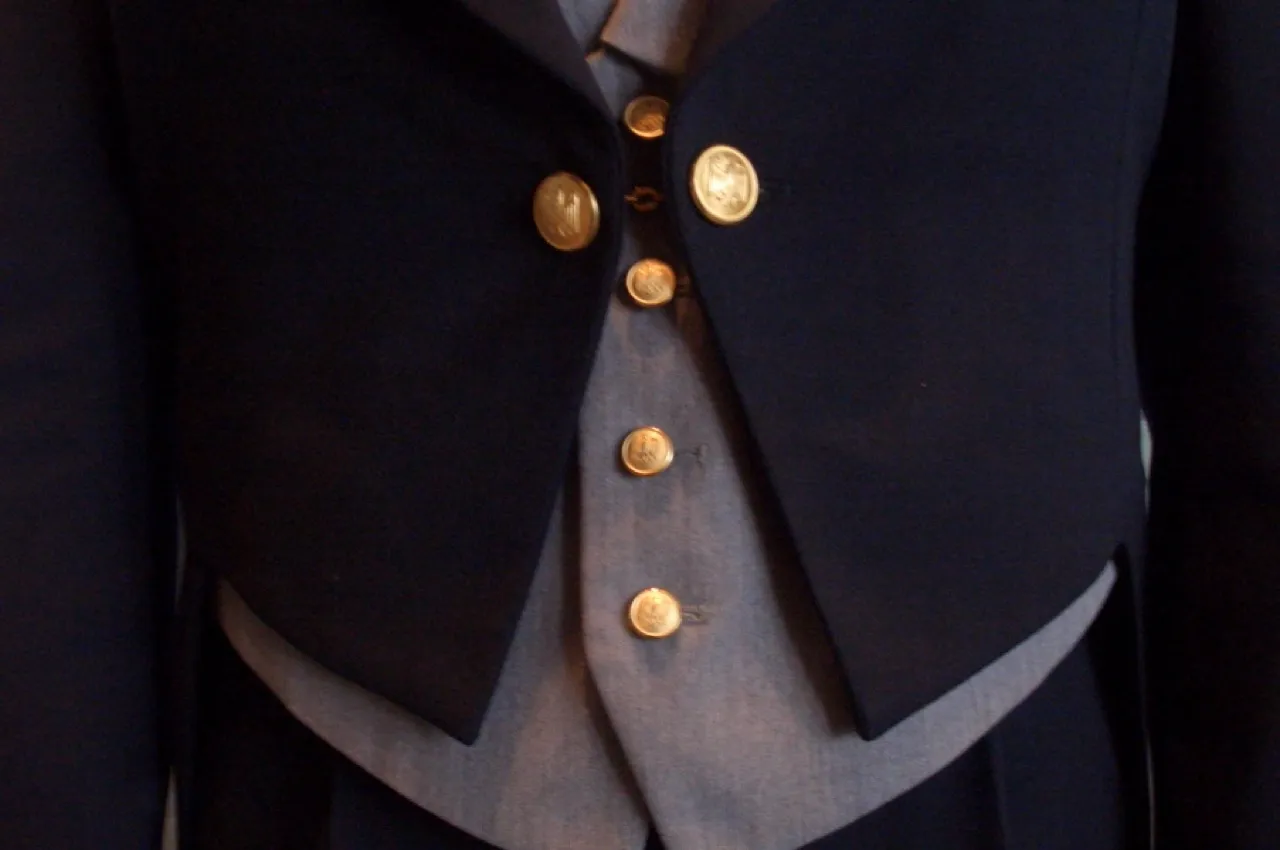
In the nineteenth century a gentleman had several kinds of dress for different occasions: a tailcoat for the evening, a frock coat for the day, a morning coat for calls. In parallel a looser and more comfortable jacket appeared, the lounge suit, as it was called in England. At first it was worn for leisure, in the countryside and at the club, but by the end of the century it had conquered the cities. Trousers finally displaced breeches, the waistcoat grew shorter, and a suit of a single cloth became commonplace. The dinner jacket, by a popular story, got its American name from the Tuxedo Park club, where it was worn in the 1880s. Each new generation made the suit a little simpler and more comfortable.
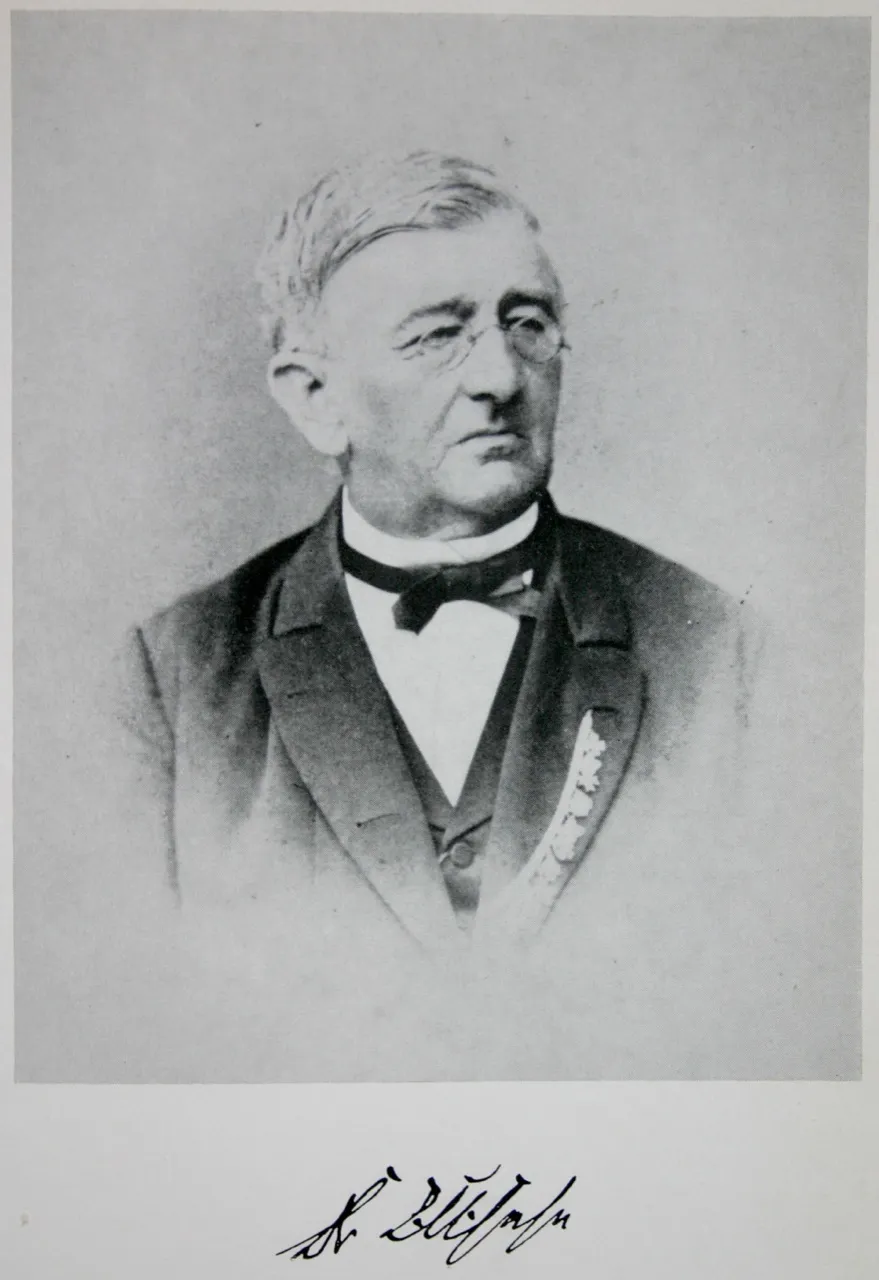
The twentieth century made the suit a uniform. Clerks, politicians, bankers, workers on Sundays: everyone wore suits, and that was when it came to seem boring. But within this uniform there was a constant game: the width of lapels, the number of buttons, the fit of the trousers, the line of the shoulder changed every decade. Italian tailors in the middle of the century made the suit softer and lighter, designers of the 1980s wider and freer, and in the 2000s it became narrow and short. The suit is a perfect example of how a thing can remain itself and yet be constantly changing.
The suit was born as a rejection of excess, and that is why it has survived three and a half centuries.
The Return of Tailoring
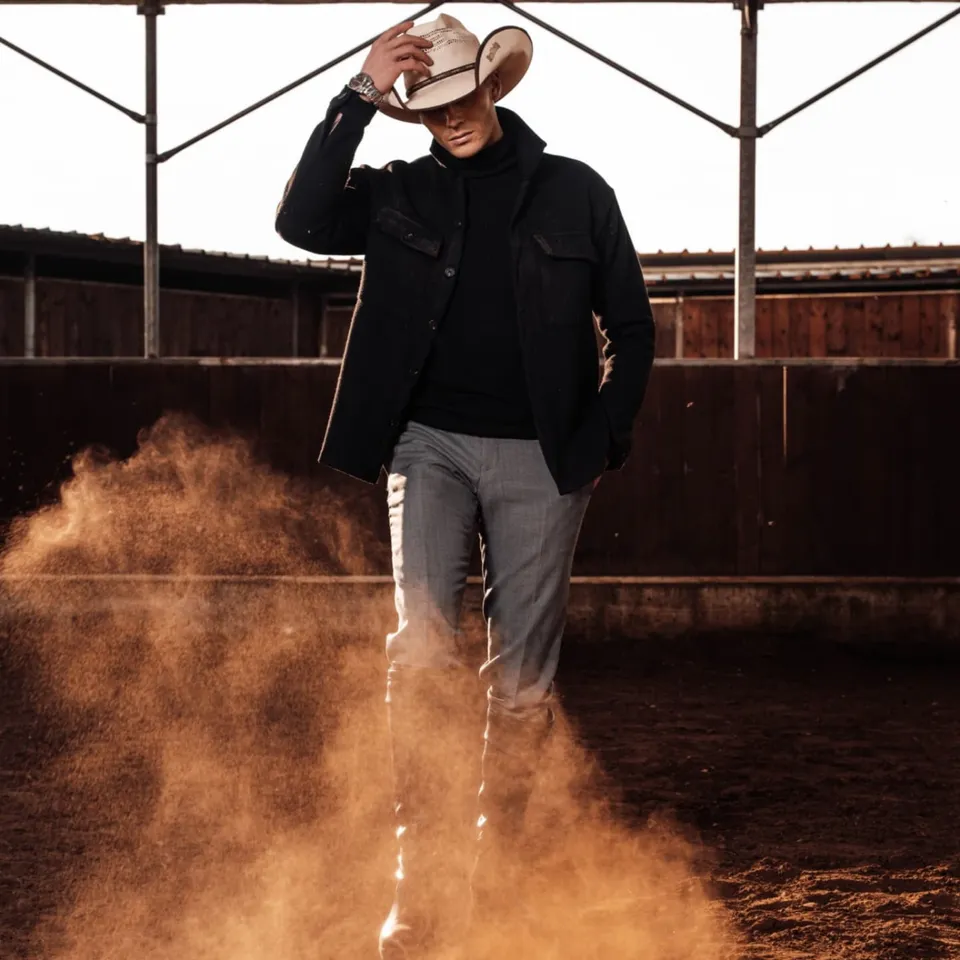
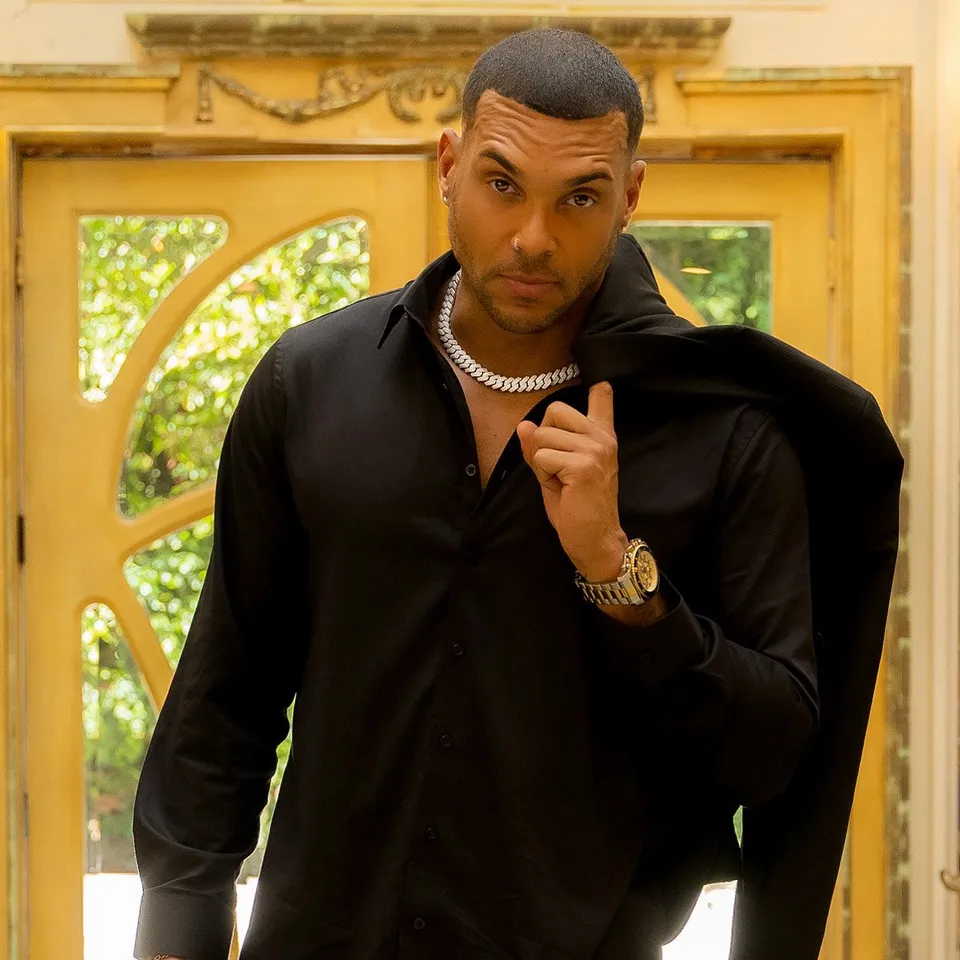
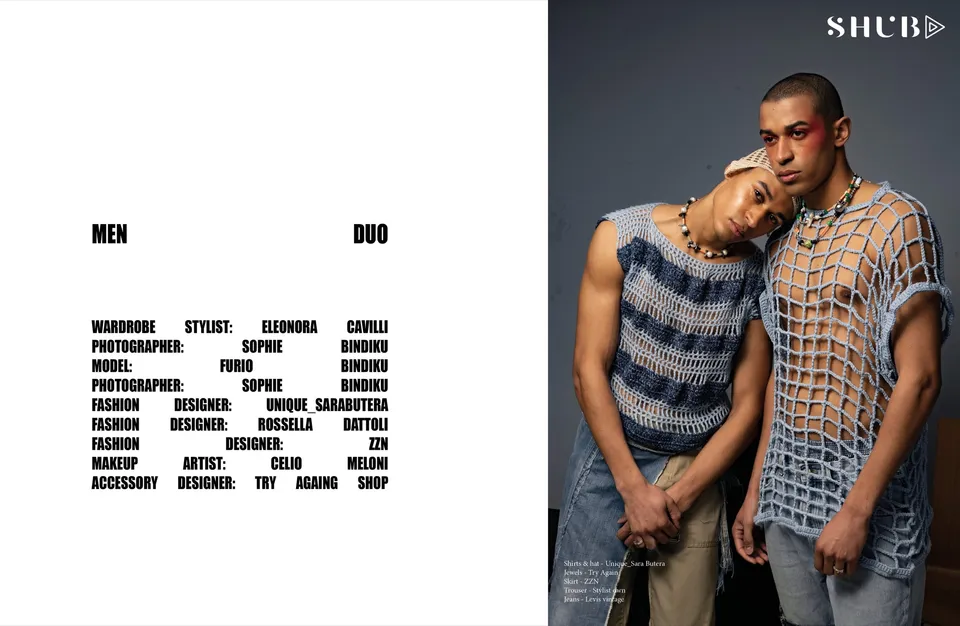
For several years in a row men’s fashion lived in tracksuits and hoodies, and the office dress code collapsed. Now the pendulum has swung back: men are interested in tailoring, fabrics and fit again, and the suit, no longer compulsory, has become desirable. It is worn with a T-shirt and trainers, in a loose fit, in soft fabrics, without a tie. This suit is no longer a uniform but a choice. And there is something in this of Charles II’s original idea: clothing as a way of saying which values you share, in his case restraint after a crisis, in ours awareness and quality instead of endless shopping.
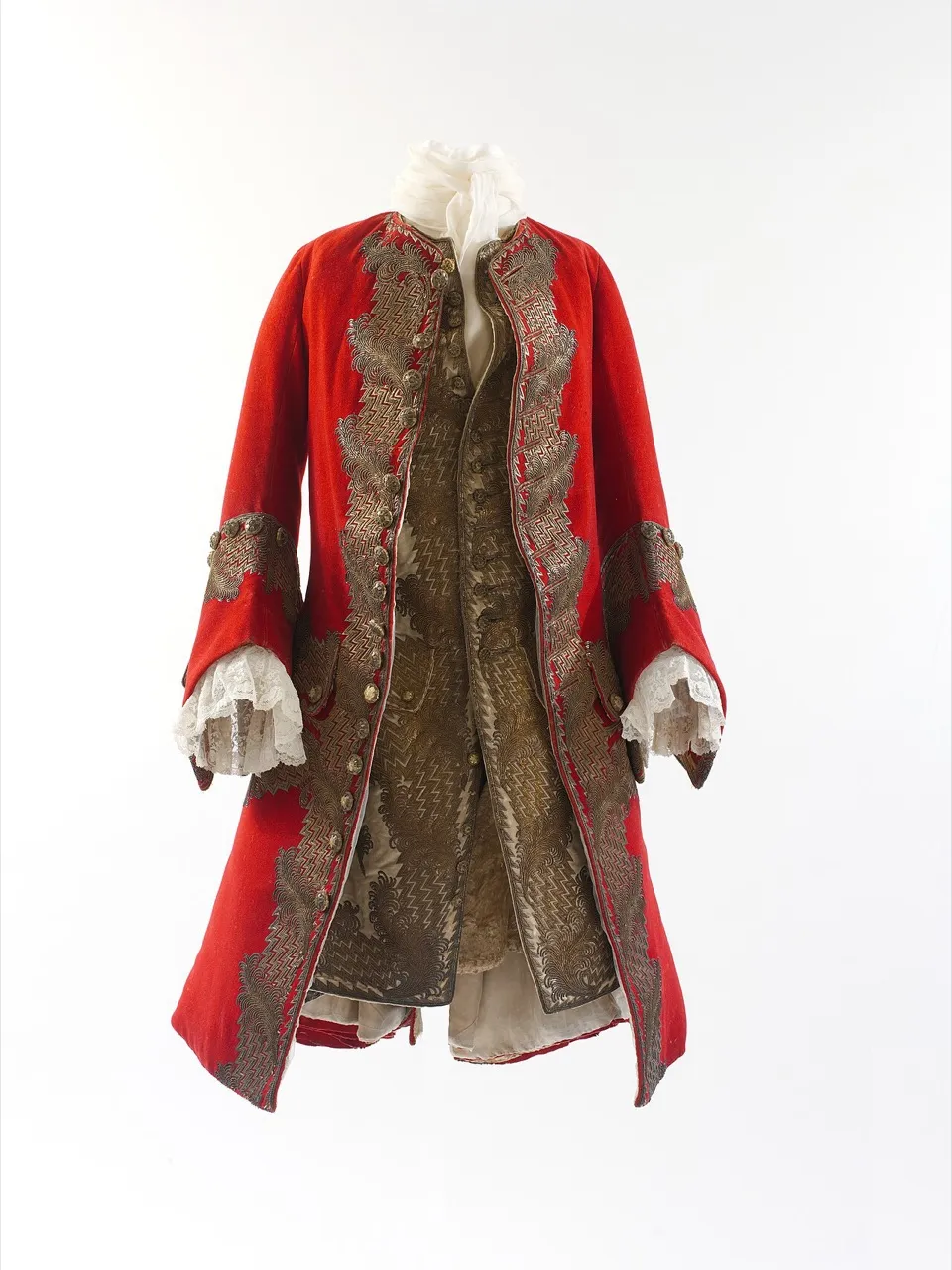
The suit in museums
The history of the suit is a history of compromise between luxury and restraint, fashion and tradition. A king who wanted to be rid of French influence laid the foundation of the clothing now worn all over the world. The tailors of Savile Row turned it into an art, the twentieth century into a uniform, and the twenty-first century into a choice again. If you are thinking about your first tailored suit, remember the autumn of 1666: the most conservative item of the men’s wardrobe was once a fashion revolution, devised in a matter of weeks.