The Beard Is a Superfluous Burden
Barbershops, beard oils and balms have grown into a whole industry. In Russia, though, people once paid a tax on their beards and carried a copper token. The story of how facial hair became politics.
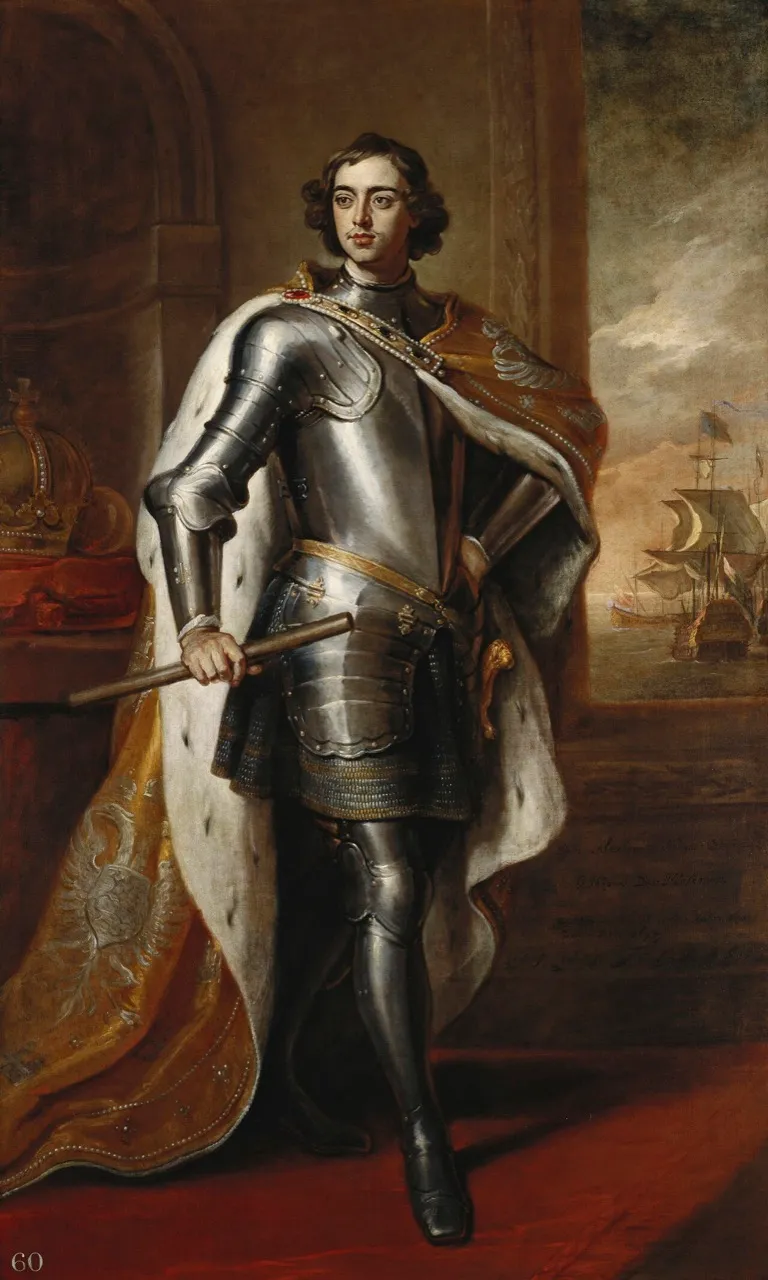
The beard long ago stopped being just a matter of laziness or taste. A whole industry has grown around it: barbershops, oils, waxes, balms, special combs and craftsmen who make “beard architecture.” The fashion for beards comes and goes, and each time people try to explain it: masculinity, nostalgia, protest against the office look. But in history the beard has more than once become a matter of state importance. The best-known example is Russia under Peter I, where the beard was taxed and its owner had to carry a copper token inscribed “The beard is a superfluous burden.” It is the story of how facial hair becomes a political symbol.
The Tsar With Scissors
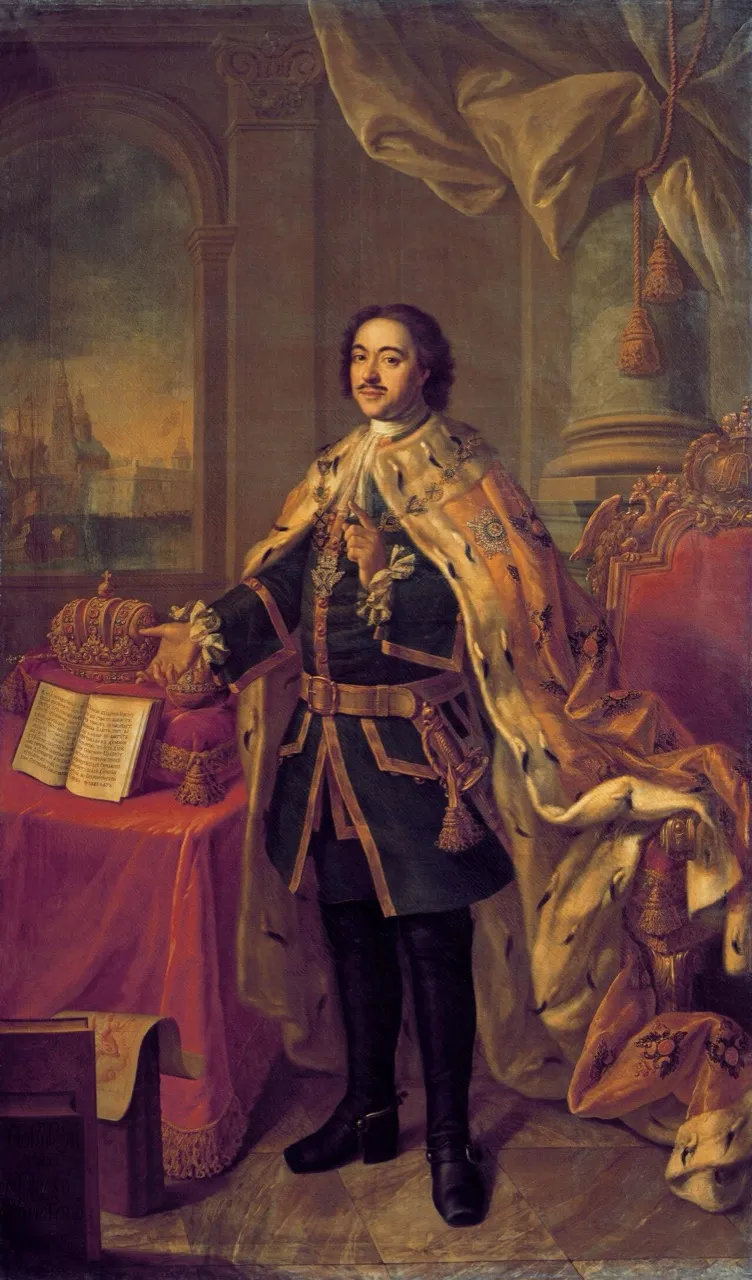
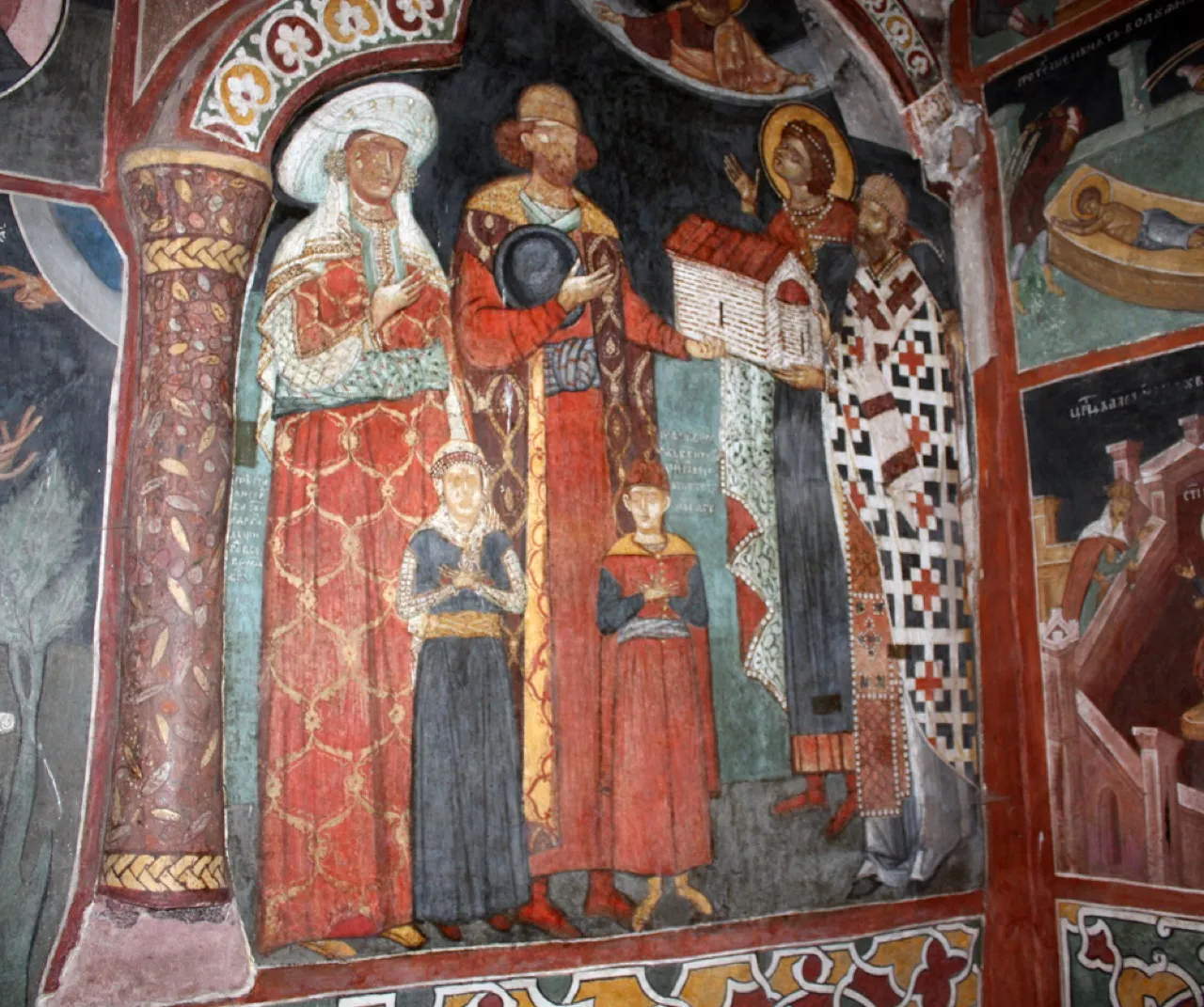
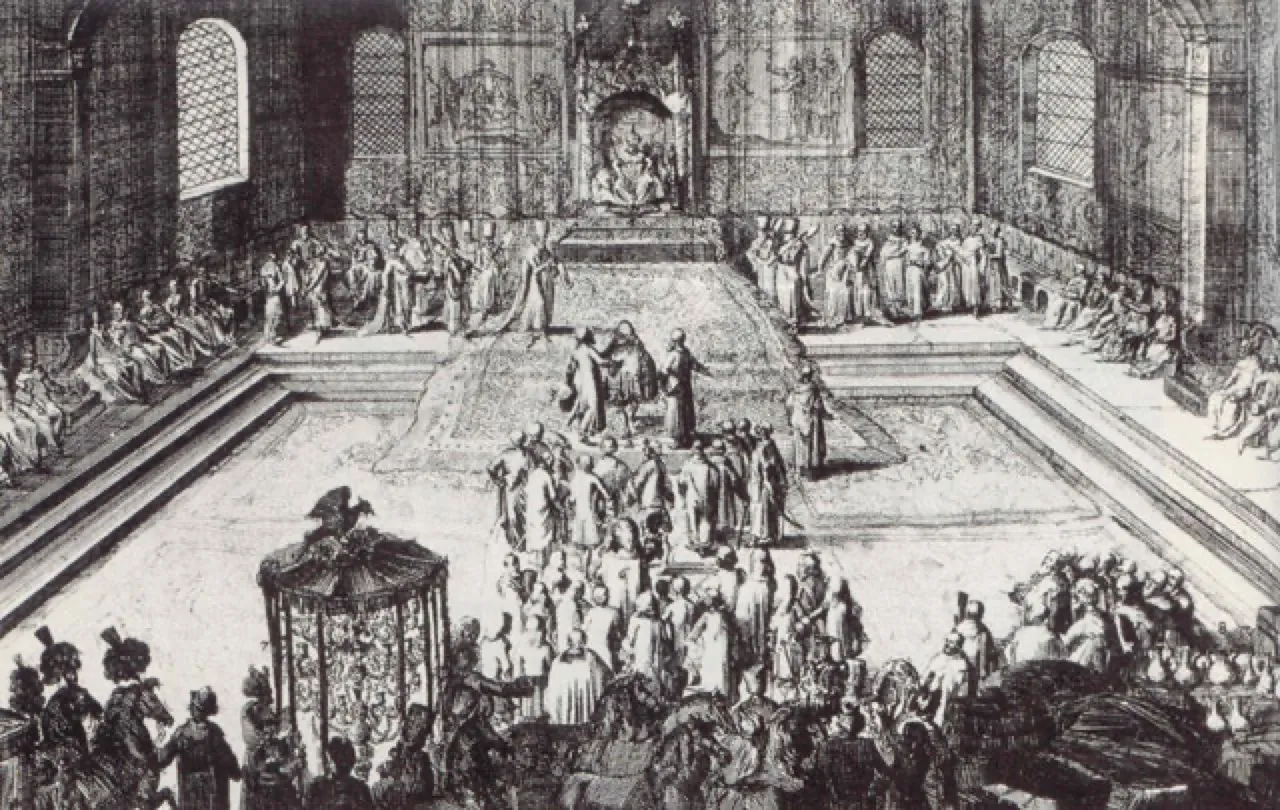
In late August 1698 Peter I returned to Moscow from the Grand Embassy, a long journey across Europe where he studied shipbuilding, science and ways of life. According to contemporaries, the very next day at a reception in Preobrazhenskoye the tsar personally cut off the beards of several noble boyars. For old Moscow it was a shock: the beard was considered a sign of piety and dignity, and Orthodox tradition linked it with the image of God. But for Peter a clean-shaven face was a symbol of a new, European Russia. He wanted his courtiers to look like the Dutch and German merchants and officers he had dealt with in Europe.
Russia at a turning point
Peter could not ban beards altogether, as too many people were attached to them. So he did what states do with unpopular habits: he taxed them. A decree of 1705 introduced a fee for the right to wear a beard, and the amount depended on rank and wealth: from the kopeck that a peasant paid on entering a city to large annual sums for rich merchants and courtiers. Whoever paid received a copper “beard token”: a medal with a picture of a beard and an inscription. The tokens of 1705 were stamped with the phrase “The beard is a superfluous burden.” The tax lasted for several decades and was abolished only under Catherine II.
The Beard Tax
1698: Peter I personally shaves the boyars after the Grand Embassy
1705: the beard tax decree, the amount depending on rank
The beard token: a copper tag confirming payment
The inscription on the token: “The beard is a superfluous burden”
The Beards of Europe
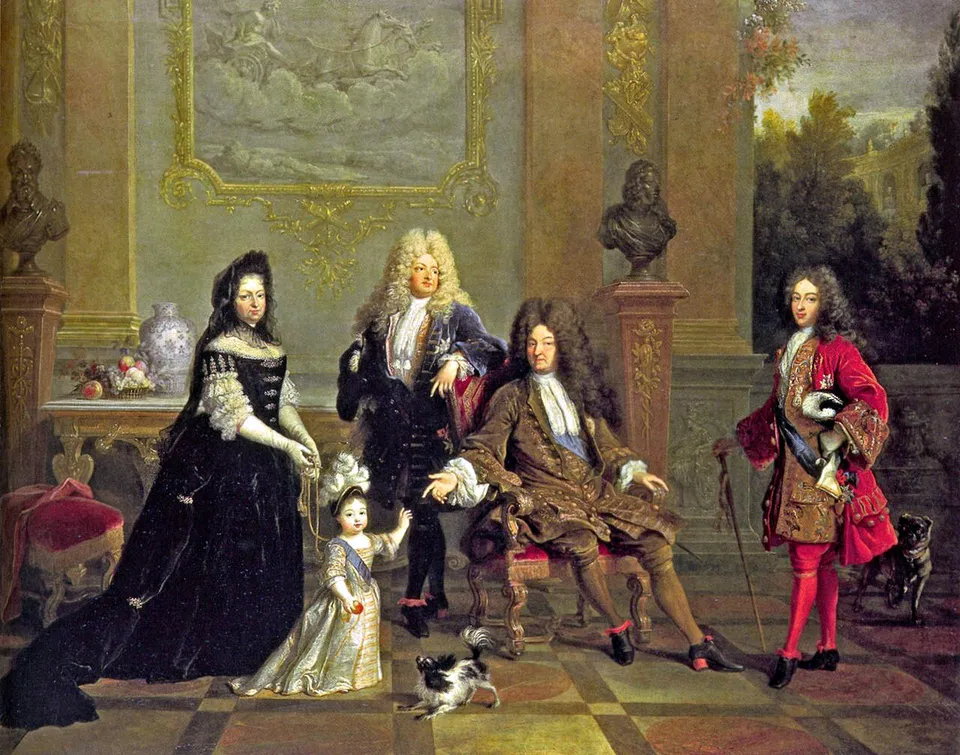
Europe also lived through bearded and clean-shaven ages. In the eighteenth century aristocrats all over Europe went clean-shaven, in wigs, and a beard was considered a mark of the common man. In the mid-nineteenth century everything changed: British soldiers came back from the Crimean War with beards they had grown in harsh conditions, and a bearded face became a symbol of manliness and heroism. The Victorian era was a time of luxuriant beards and side-whiskers, worn by writers, scientists and politicians. The beards of Charles Darwin and Leo Tolstoy became as much a part of their image as their works.
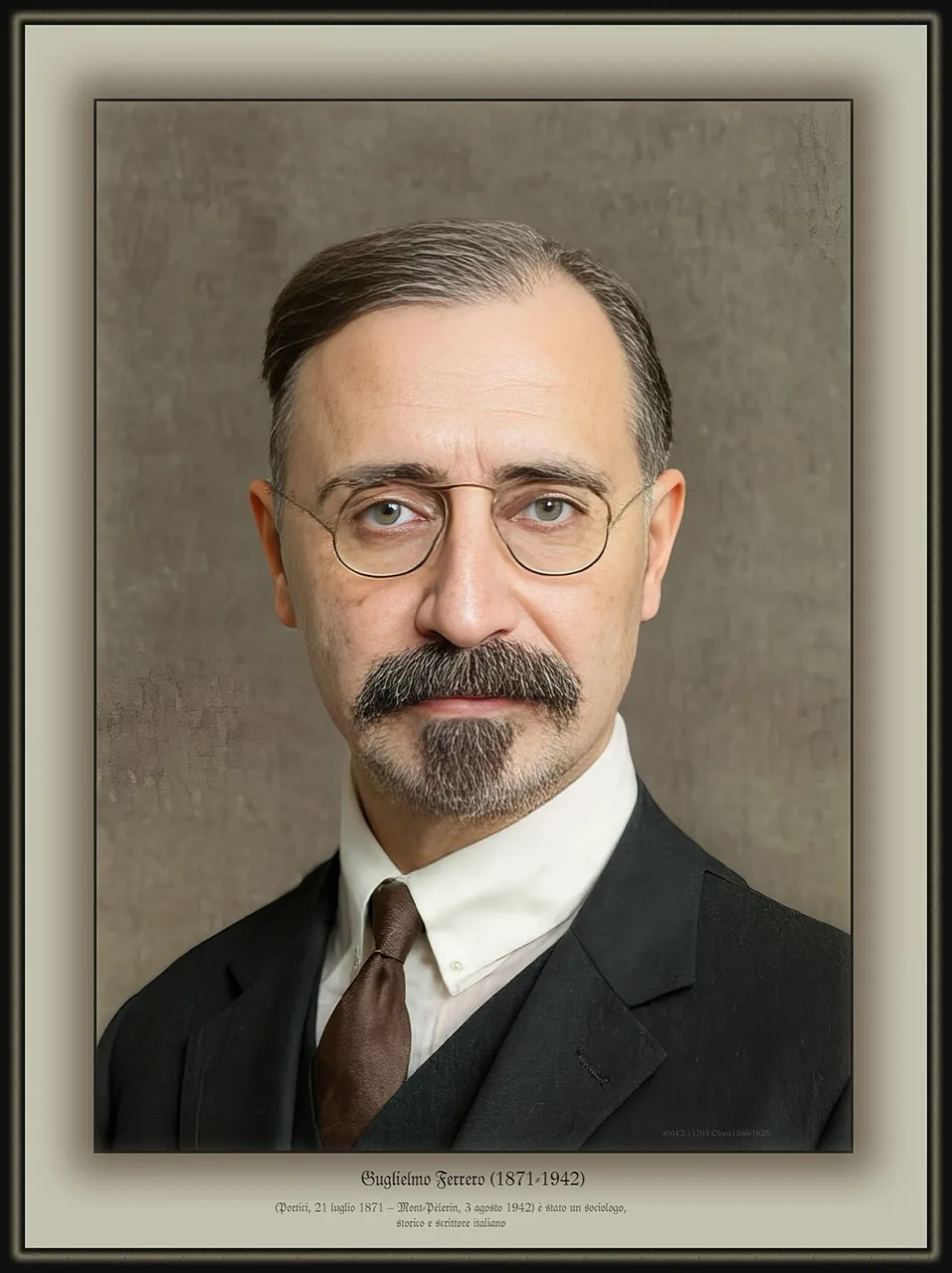
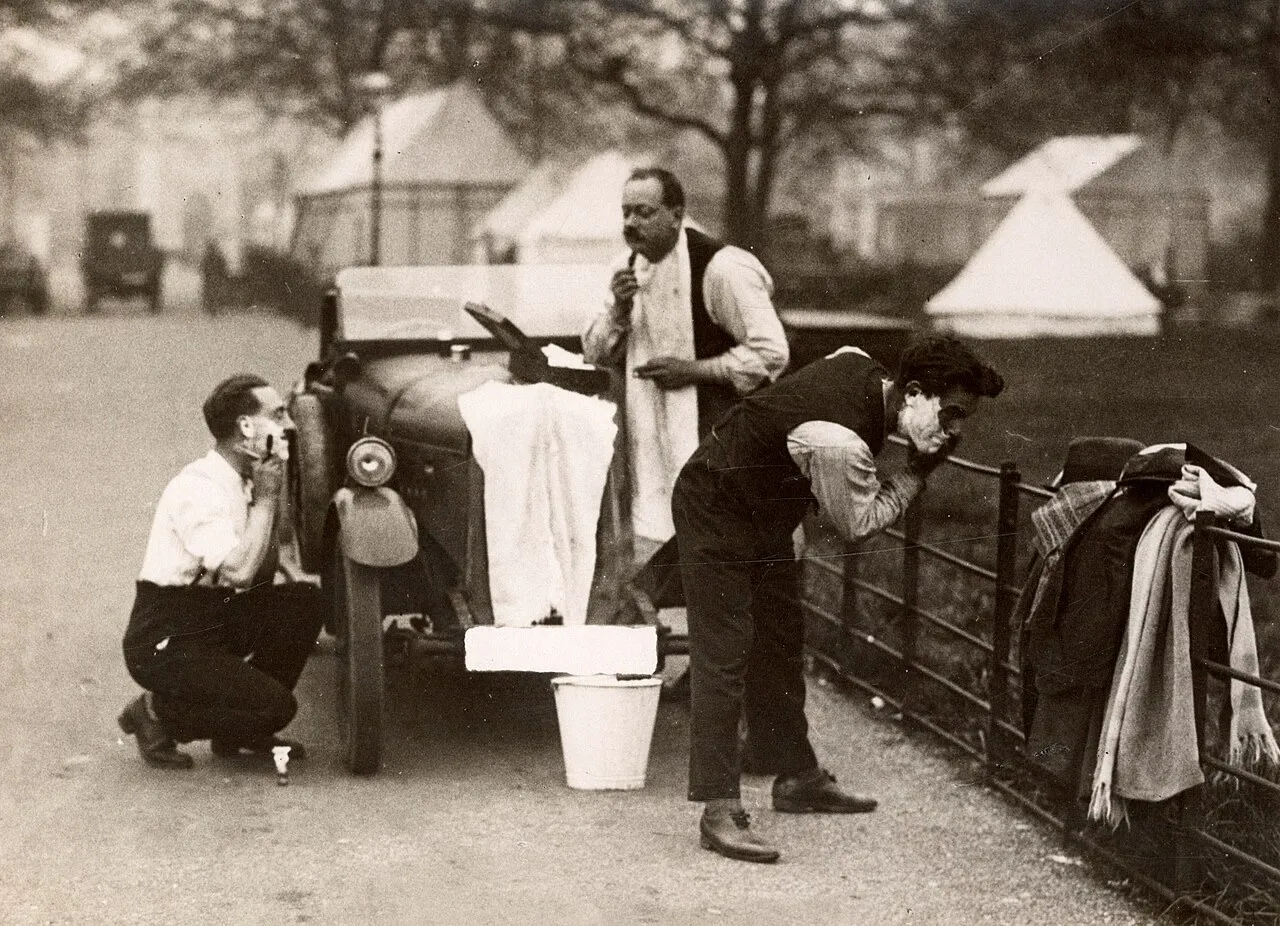
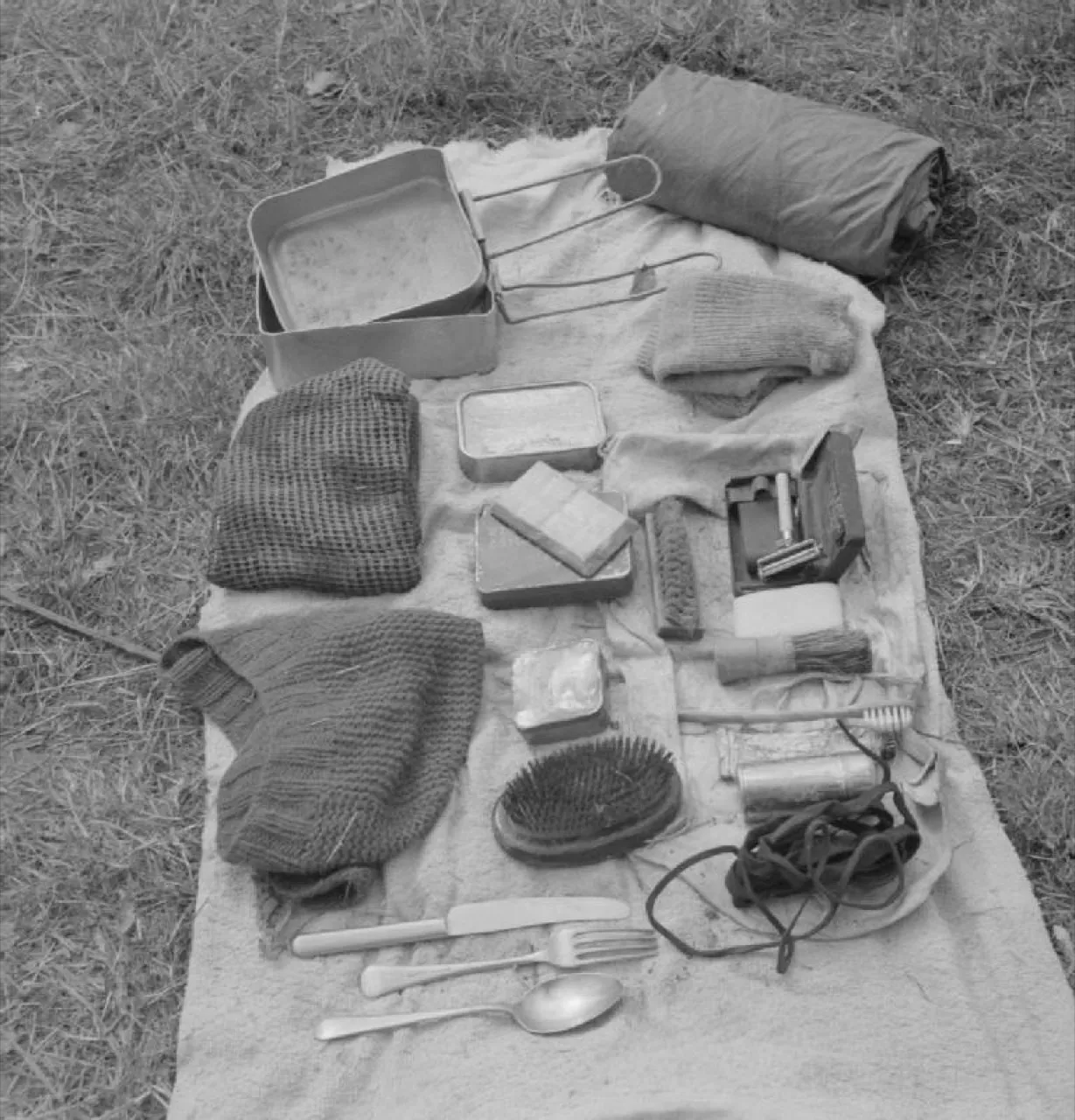
Two things brought the bearded age to an end: the razor and war. In 1901 King Camp Gillette founded the company that began selling safety razors with disposable blades, making shaving at home simple and safe. And during the First World War soldiers needed a tight seal for gas masks, and a clean-shaven face became a matter of survival. The US Army bought millions of razors for its soldiers. After the war the shaven face became the norm of the twentieth century: the businessman, the officer, the film star all shaved. The beard came back in the 1960s and 1970s with the hippies and protest, and in the 2010s with the hipsters.
The beard has never been just hair: every generation decides what it means, whether piety, rebellion or a brand.
The Beard as a Brand
Today the beard is a matter of choice and care. Barbershops have turned into men’s clubs where a haircut is a ritual and the barber almost a psychologist. Cosmetics brands bring out whole lines for beards, and men’s grooming has become one of the fastest-growing segments of the beauty industry. In a way we have returned to Peter’s logic, only the other way round: then people paid the state for a beard, now they pay the barber. And if Peter wanted the shaven face to make Russia European, today a well-kept beard has become a universal sign that a man takes care of himself.
Shaving and beards in the archives
The history of the beard shows how easily appearance becomes politics. Peter I used shaving as a tool of reform, the Victorians as a symbol of manliness, the army as a safety requirement, and marketers as a reason to sell new products. The beard itself remains the same thing throughout, just hair on a face. Only what we put into it changes. If you wear a beard, you are heir to a long tradition of argument. If you shave, so are you. And perhaps the best thing that can be said about the beard today is that at last you can simply wear it or not wear it, without paying a tax.