Dressed Like a London Dandy
The Metropolitan Museum’s Costume Institute exhibition “Superfine: Tailoring Black Style” brought dandyism back to the centre of fashion in 2025. From Beau Brummell and Onegin to the sapeurs of Congo: the story of men who made the suit a statement.
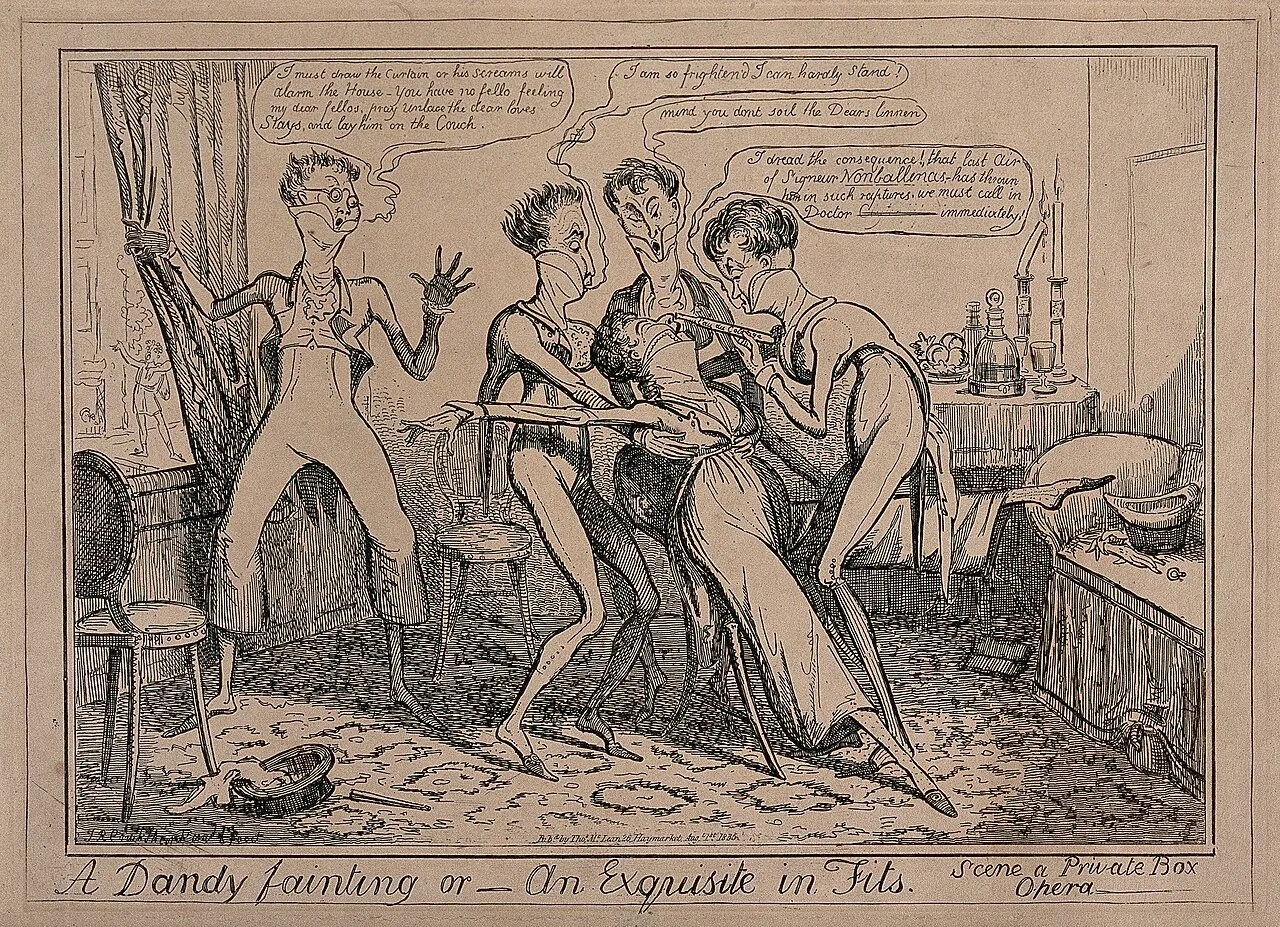
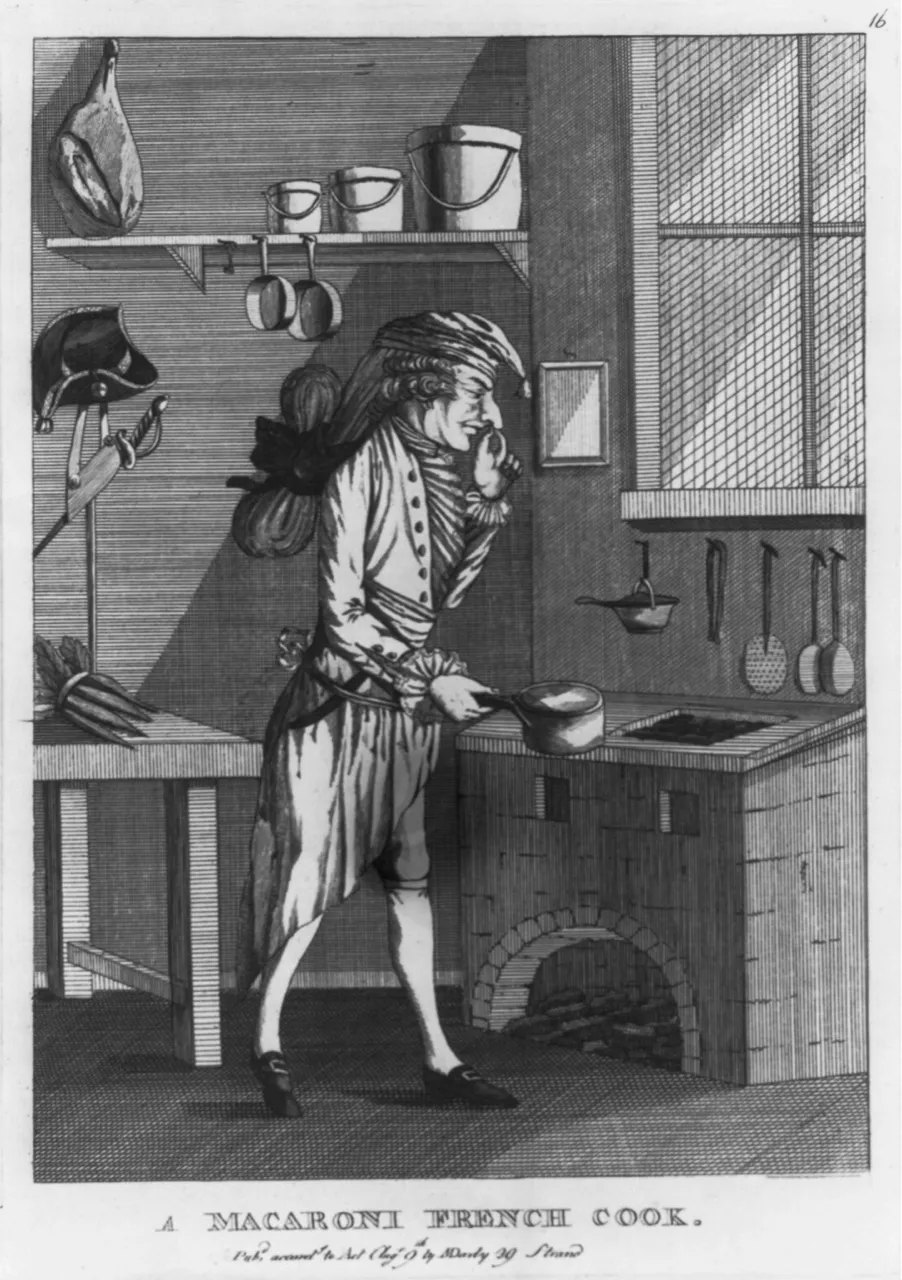
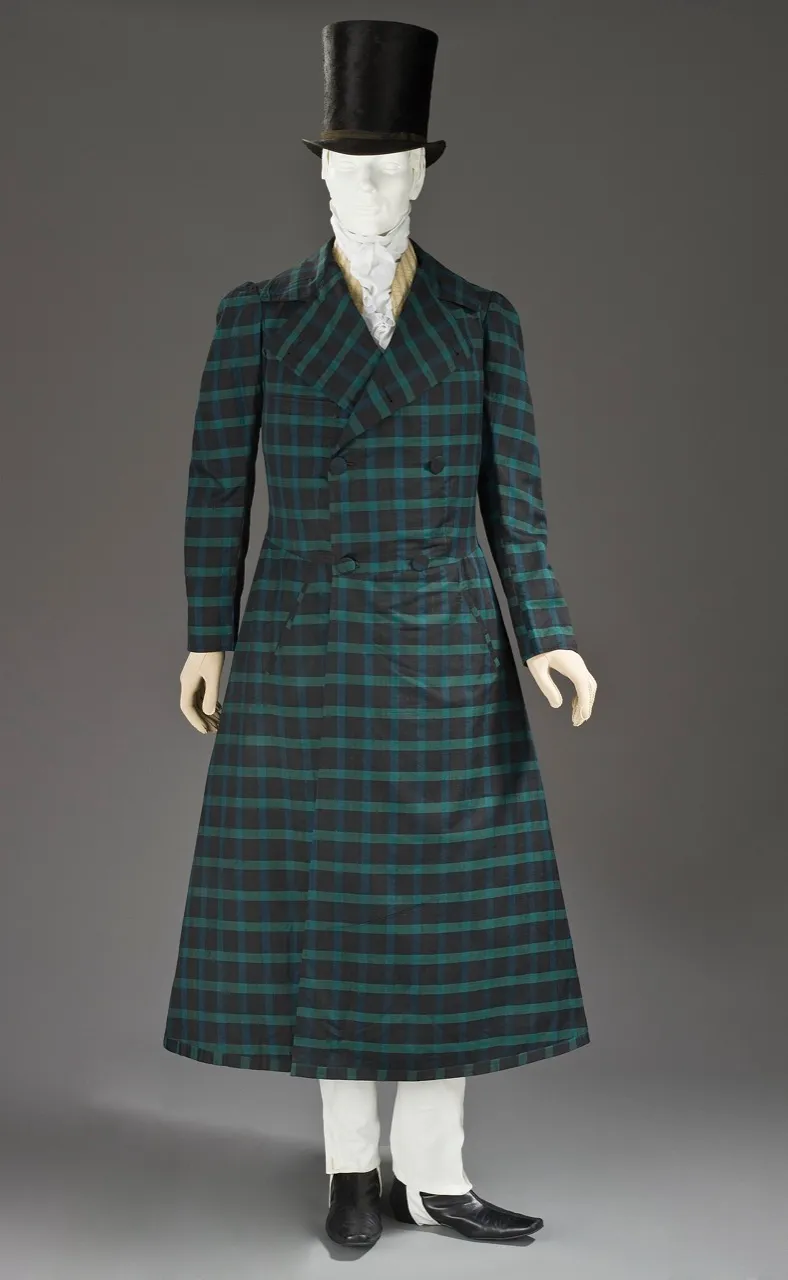
“Cropped in the latest fashion, / Dressed like a London dandy”: Pushkin described Onegin with a word that did not need translating then, as all educated Europe knew who the London dandies were. Two hundred years later dandyism is in the spotlight again. In 2025 the Costume Institute of the Metropolitan Museum opened the exhibition “Superfine: Tailoring Black Style,” devoted to Black dandies and the history of their style, and the Met Gala was held with a dress code built around impeccable tailoring. Fashion suddenly began to say that a suit is not a uniform but a language: it can assert dignity, argue with rules and rewrite ideas of masculinity. But it all began with one very neat Englishman.

The Man Who Gave Up Lace
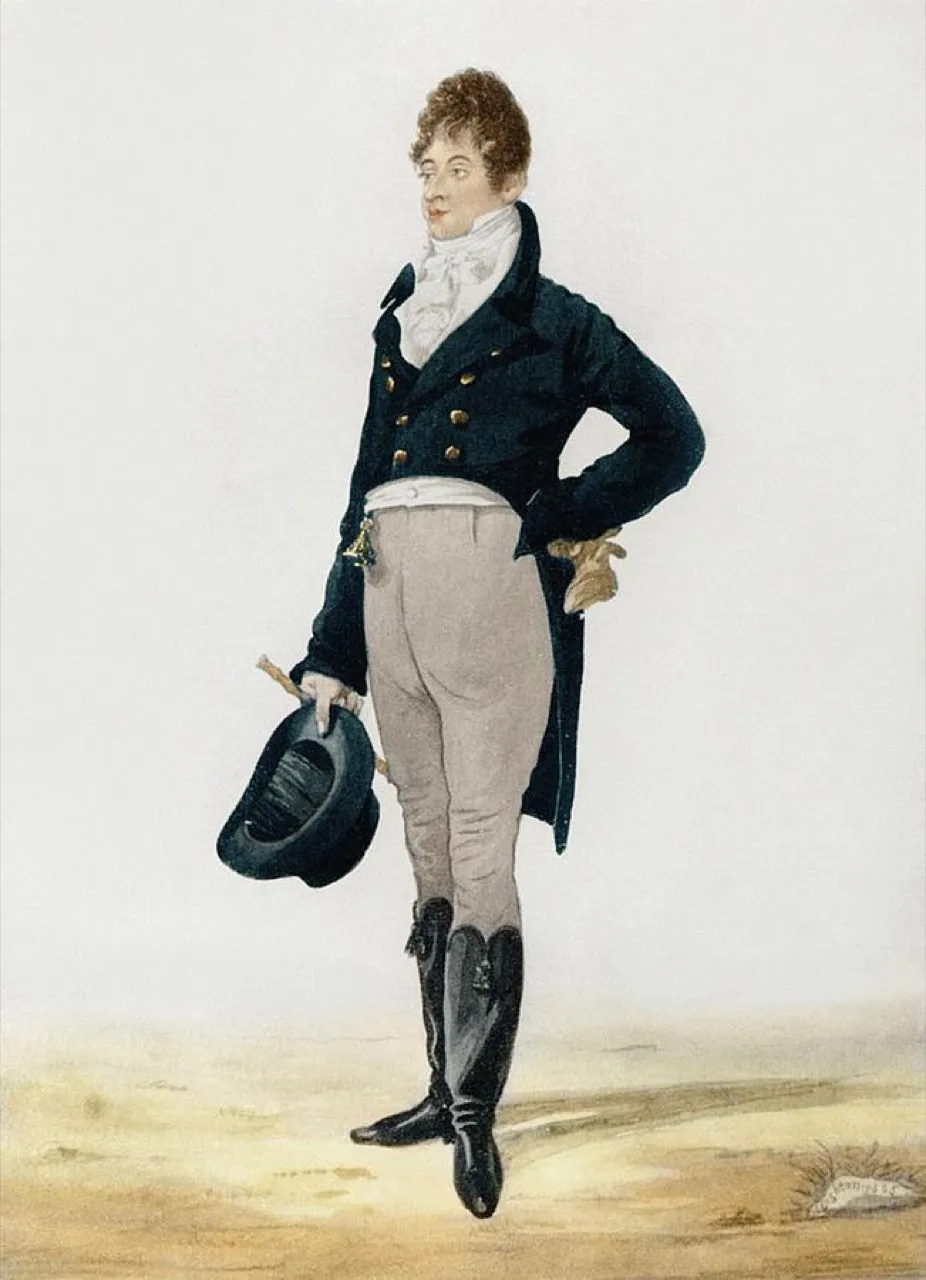
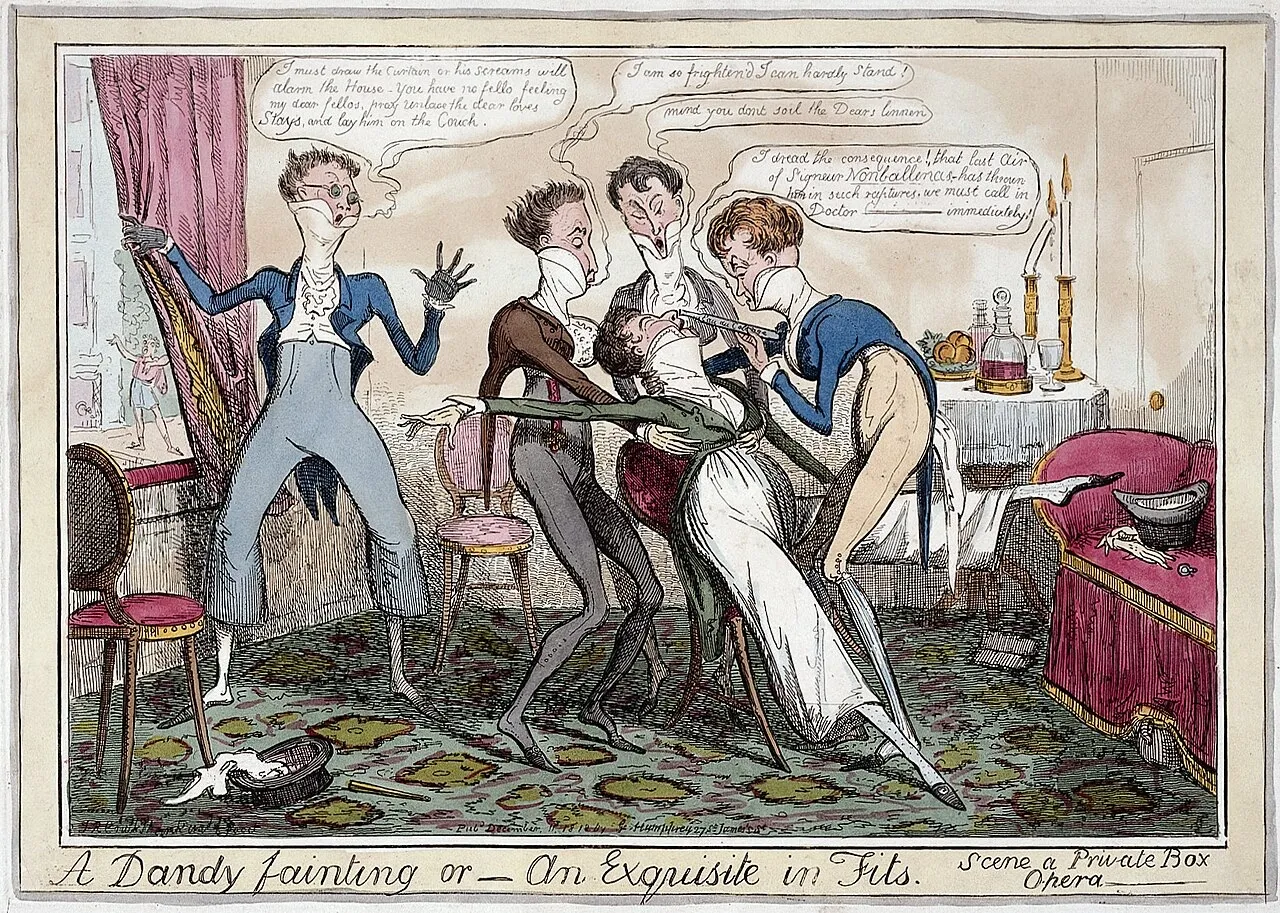
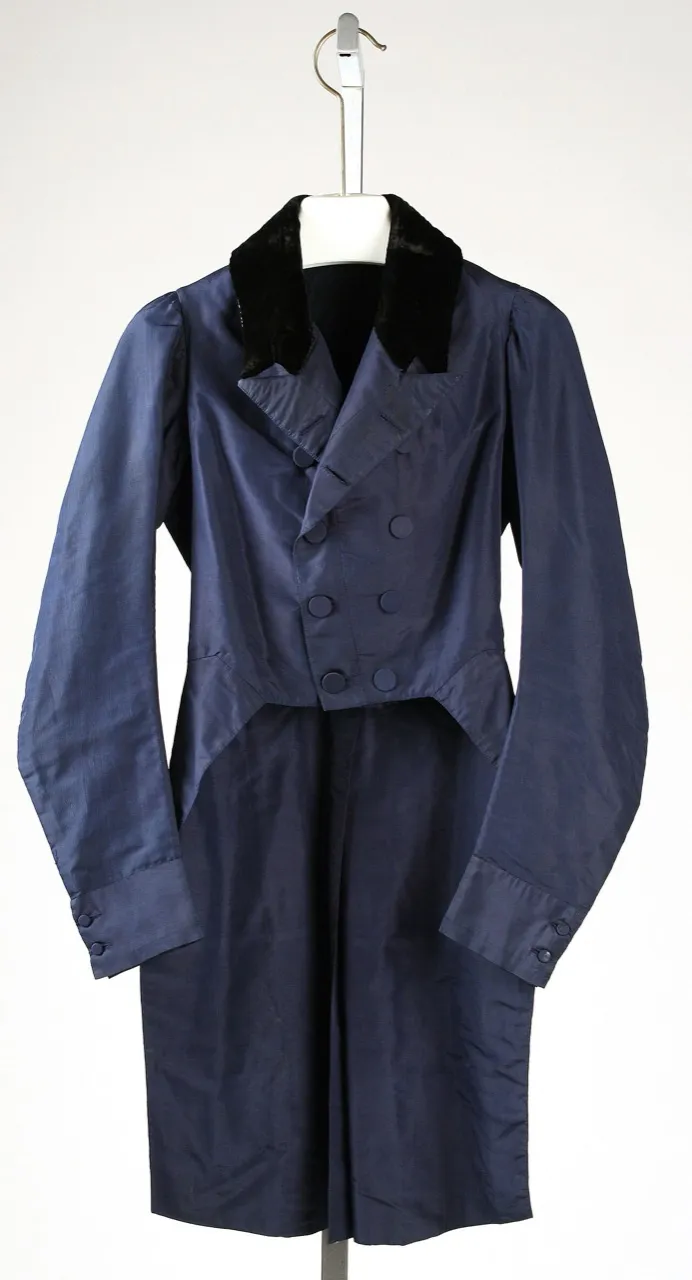
George Bryan Brummell, known as Beau Brummell, was born in 1778 and was not an aristocrat, but he became the arbiter of taste at the court of the future King George IV. In an era when men’s fashion still remembered the silk, lace and bright colours of the eighteenth century, Brummell proposed the opposite: a dark coat of perfect cut, light close-fitting trousers, tall boots, an immaculately starched neckcloth. What mattered was not decoration but fit, cleanliness and detail. According to contemporaries, Brummell washed every day and spent hours tying his neckcloth, which at that time was almost eccentric. He turned restraint into luxury.
The age of the dandy
Brummell’s fate was dramatic. He quarrelled with the Prince Regent, by legend after an insolent joke about his weight, ran up huge debts and fled to France in 1816. He spent his last years in Caen in poverty and died in 1840 in an asylum. But his style outlived its master. The restrained dark suit became the basis of the men’s wardrobe for the next two hundred years. And the word “dandy” turned into a concept: a person for whom clothing is an art form and a way of holding oneself in the world. The French poet Charles Baudelaire later wrote of dandyism as the last flash of heroism in an age of decline.
George “Beau” Brummell
Lived: 1778–1840
Style: dark coat, light trousers, starched neckcloth
Main idea: not decoration but perfect fit and cleanliness
Legacy: the basis of the classic men’s suit
The Suit as Dignity
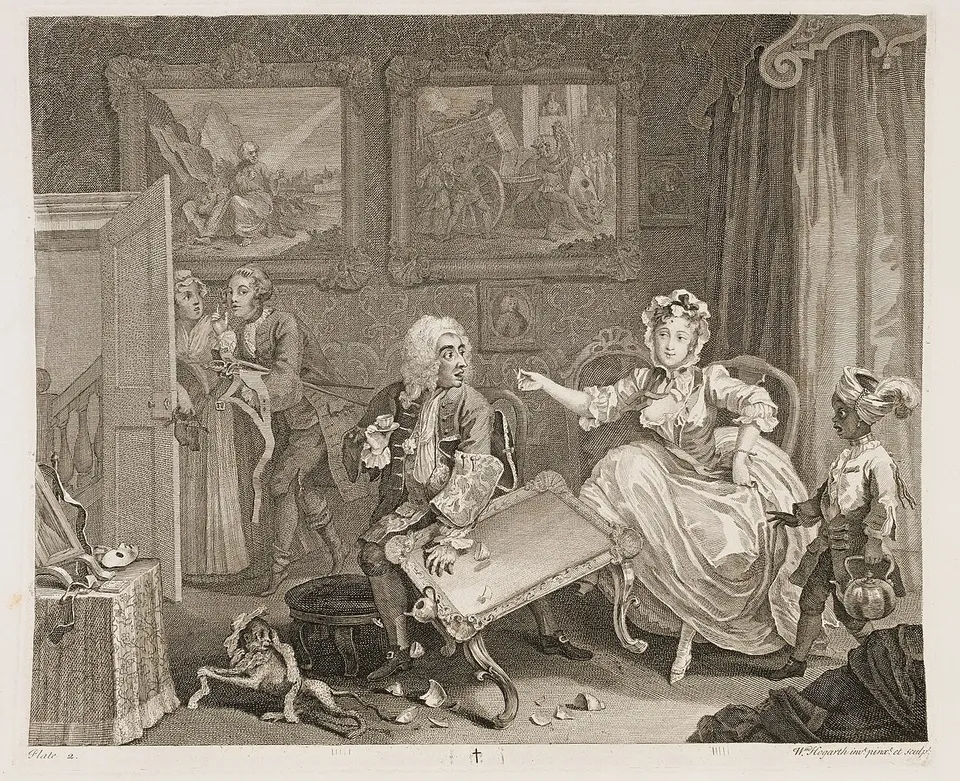
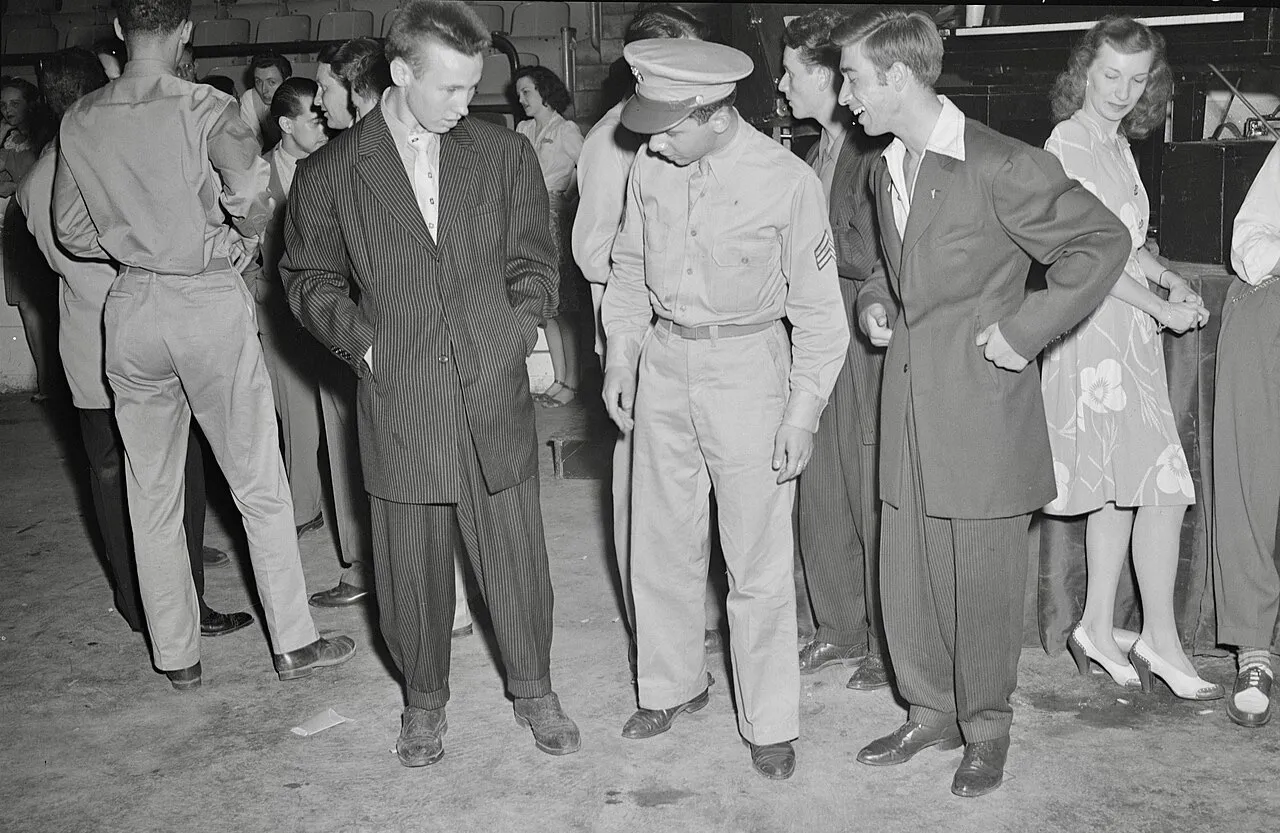
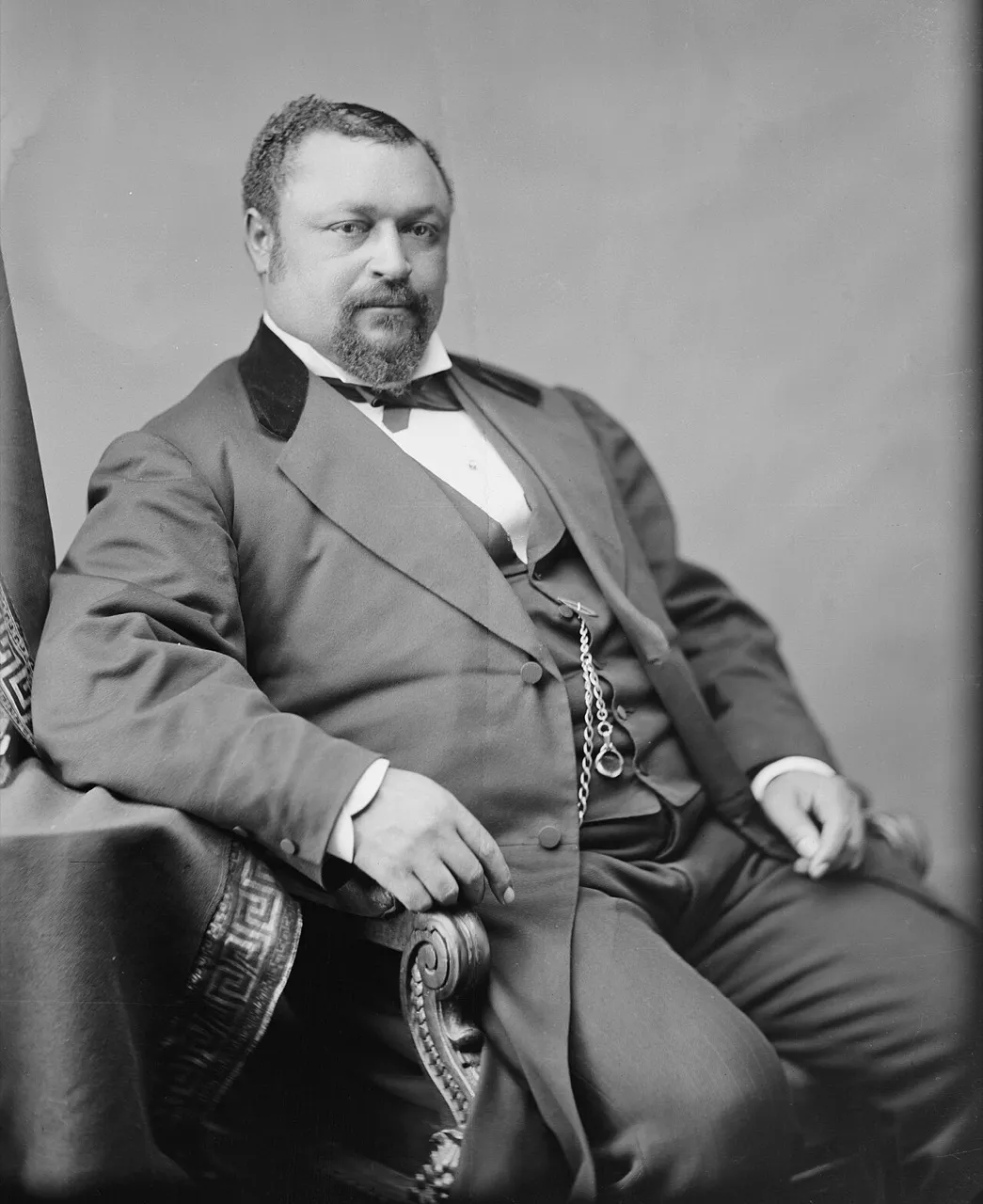
The Metropolitan Museum’s exhibition drew on the book Slaves to Fashion by the scholar Monica L. Miller, about Black dandyism. Her main idea is that for people whom society tried to deprive of dignity, an impeccable suit became a way of declaring themselves. As early as the eighteenth century Black servants in Europe were dressed in lavish liveries as an “exotic” ornament, but over time Black men appropriated elegance for themselves and made it a weapon. In Harlem in the 1920s and 1930s elegant suits were part of a cultural renaissance, and in the 1940s young African Americans and Mexican Americans wore flamboyant zoot suits with broad shoulders and wide trousers, and became the target of racist attacks.
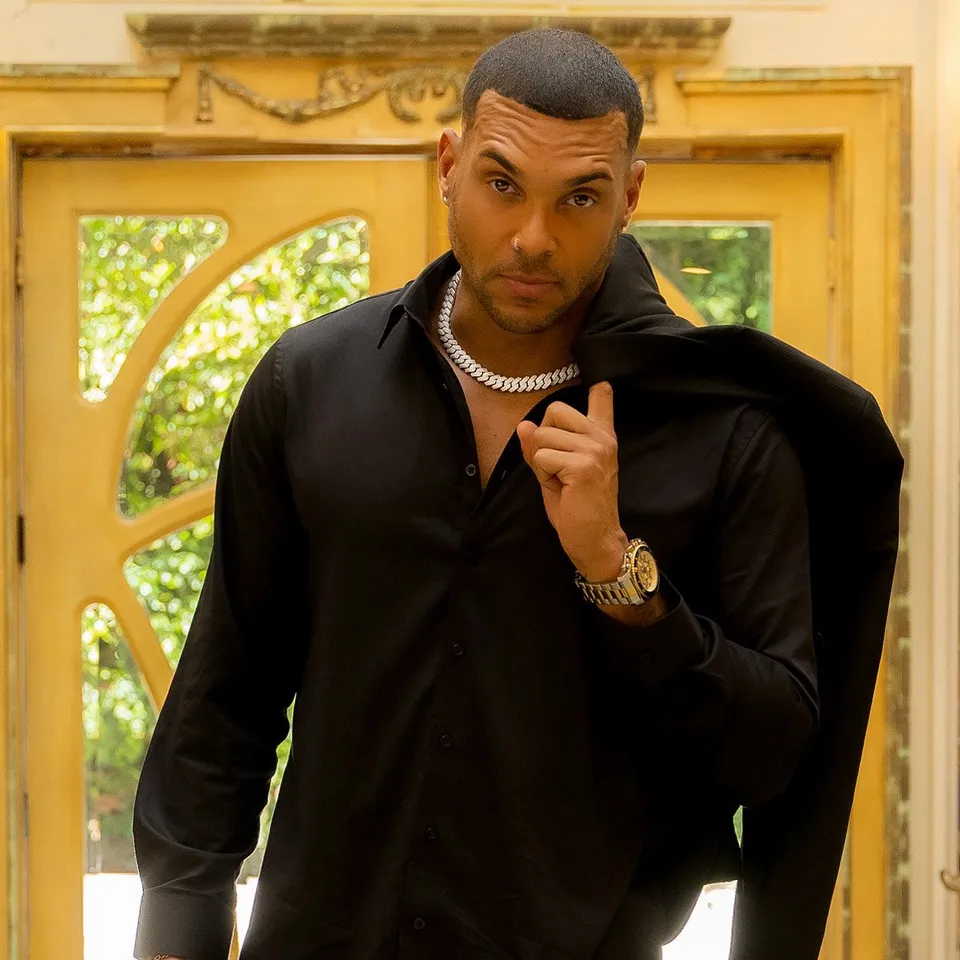
One of the brightest chapters in this story is the sapeurs of Congo. Members of the La Sape movement in Brazzaville and Kinshasa wear designer suits in incredible colours, expensive shoes and carefully chosen accessories, turning the street into a runway. For them elegance is a philosophy, almost a religion: to be impeccably dressed in a poor country is to assert joy and one’s own dignity. These men prove what Brummell already understood: a suit speaks louder than words. The difference is that Brummell spoke about taste, and the sapeurs speak about freedom.
A dandy is not someone who dresses expensively but someone who turns clothing into a point of view of their own.
Dandyism Today
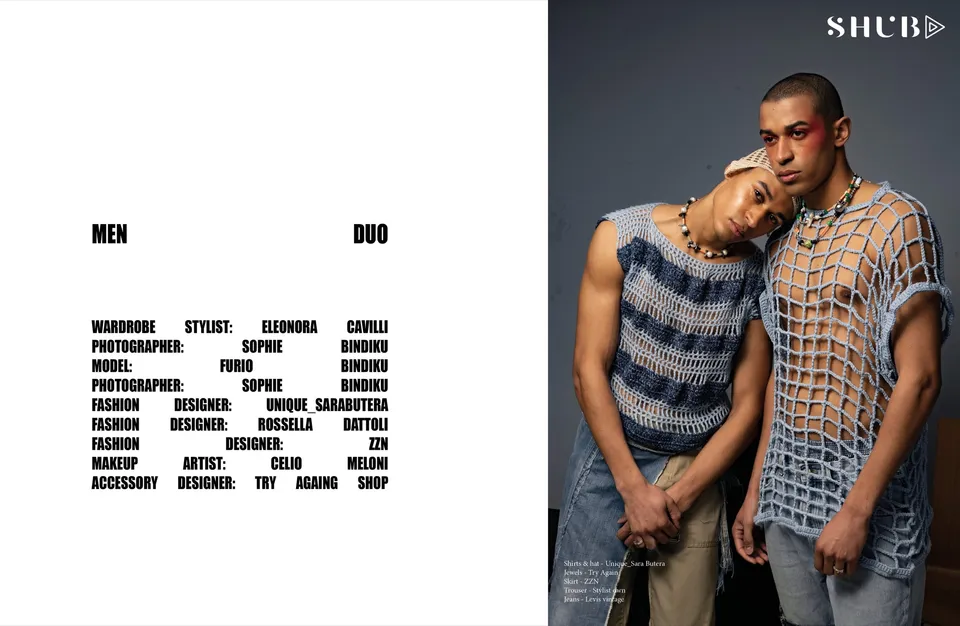
Modern dandyism is not necessarily a three-piece suit and a cane. It is attention to detail, play with the classics, bright colours and the breaking of rules you know to perfection. Today’s men on red carpets experiment with cut, fabrics, jewellery and silhouettes, and the “Superfine” exhibition reminded us that this freedom has a long history. Moreover, dandyism has always been a reaction to boredom and uniformity: in an age of identical hoodies and trainers, a person in a perfectly fitting suit looks like a rebel again. As two hundred years ago, style becomes a way of saying: I choose how I am seen.
Heirs of the dandy
Pushkin dressed Onegin “like a London dandy” for a reason: in Russia too they knew that appearance is a position. Dandyism has travelled from London clubs to the streets of Brazzaville and the halls of the Metropolitan Museum, and each time it has meant the same thing: a way of living beautifully in spite of circumstances. The 2025 exhibition added an important chapter to this story, showing that elegance can be an act of resistance. If this season you decide to put on a bright suit or an unusual tie, know that you are continuing a tradition more than two hundred years old.