The Legend of the Croatian Scarf
The tie is leaving offices but not history. We test the best-known legend of its origin and tell how the neckcloth became the main men’s accessory.
The tie has been having a hard time in recent years: the office dress code has softened, politicians speak without ties, and in IT companies nobody wears one at all. Yet the tie is not disappearing: it returns in fashion collections, at weddings, in the looks of those who want to appear put together. Its history is much longer and more interesting than it seems. The best-known version of its origin concerns the Croatian soldiers of the seventeenth century and is even reflected in the word itself: many connect the French cravate with the word “Croat.” In Croatia, 18 October is celebrated as Cravat Day. Let us work out where the fact is and where the beautiful legend.
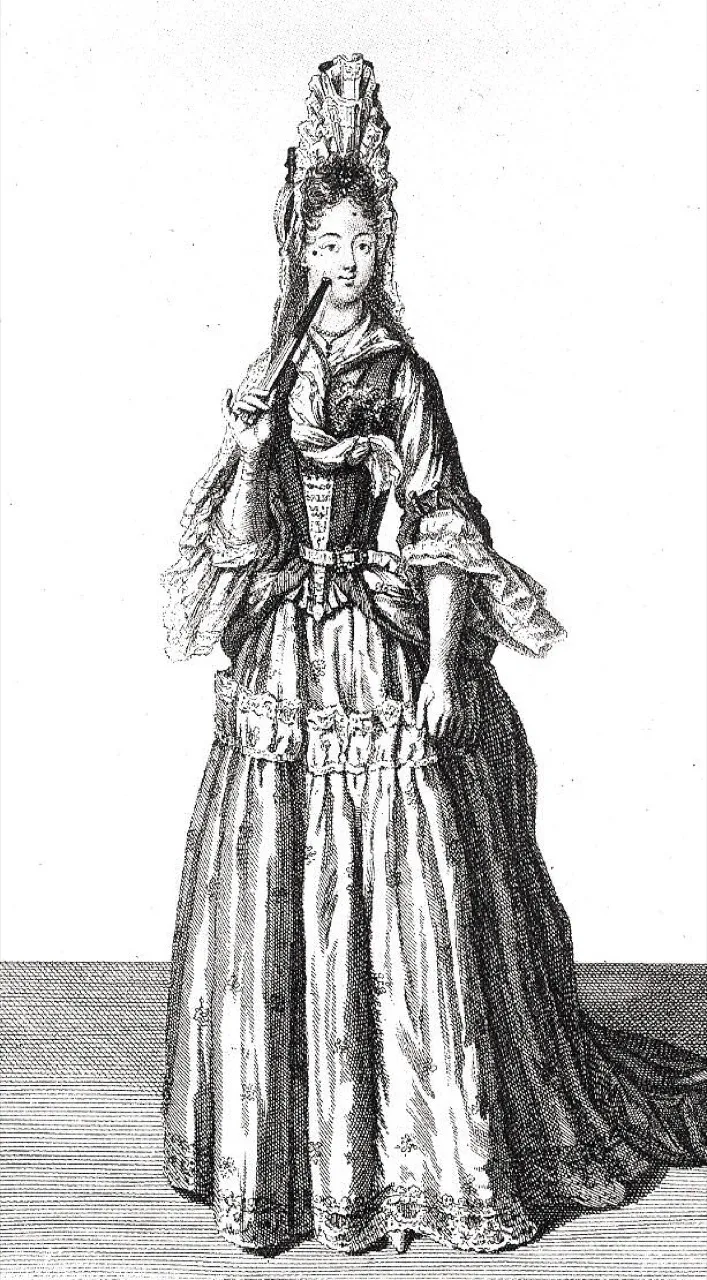
Croats in Paris
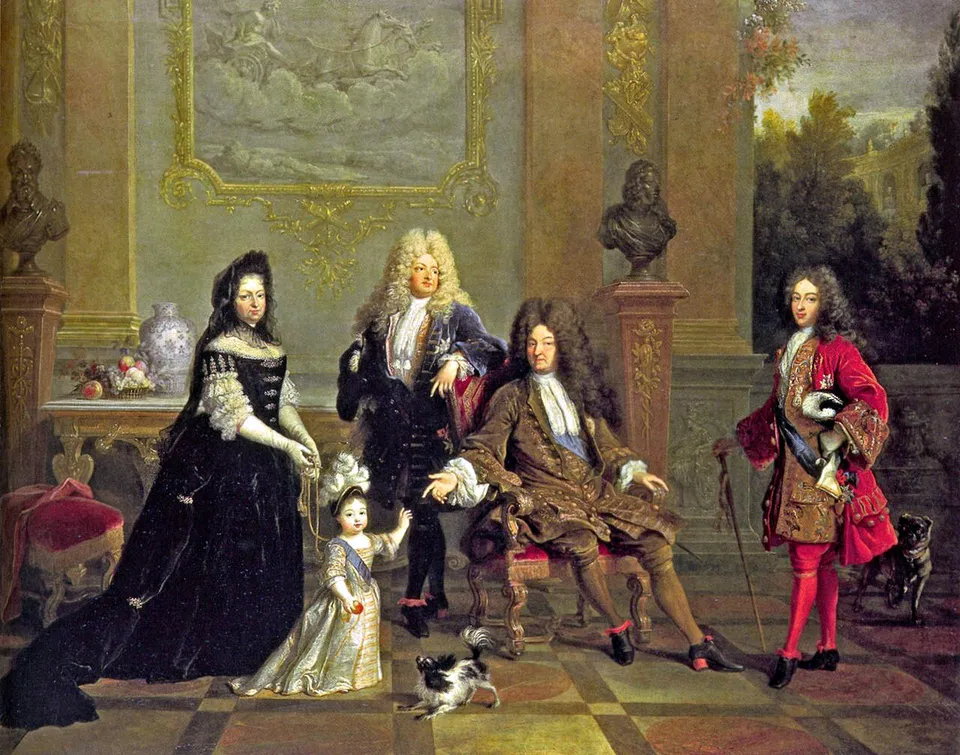
By the widespread version, during the Thirty Years’ War in the seventeenth century Croatian mercenaries served in France. They wore tied scarves round their necks, part of their national dress and a practical detail that protected against cold and dirt. The French, especially courtiers, noticed the striking scarves and began to copy them. So a fashion arose that was called cravate: “in the Croatian manner.” Historians in general accept this link between the words, though of course neckcloths and bands existed earlier, for instance among Roman legionaries. But it was the seventeenth century that made the scarf a fashionable accessory of the European man.
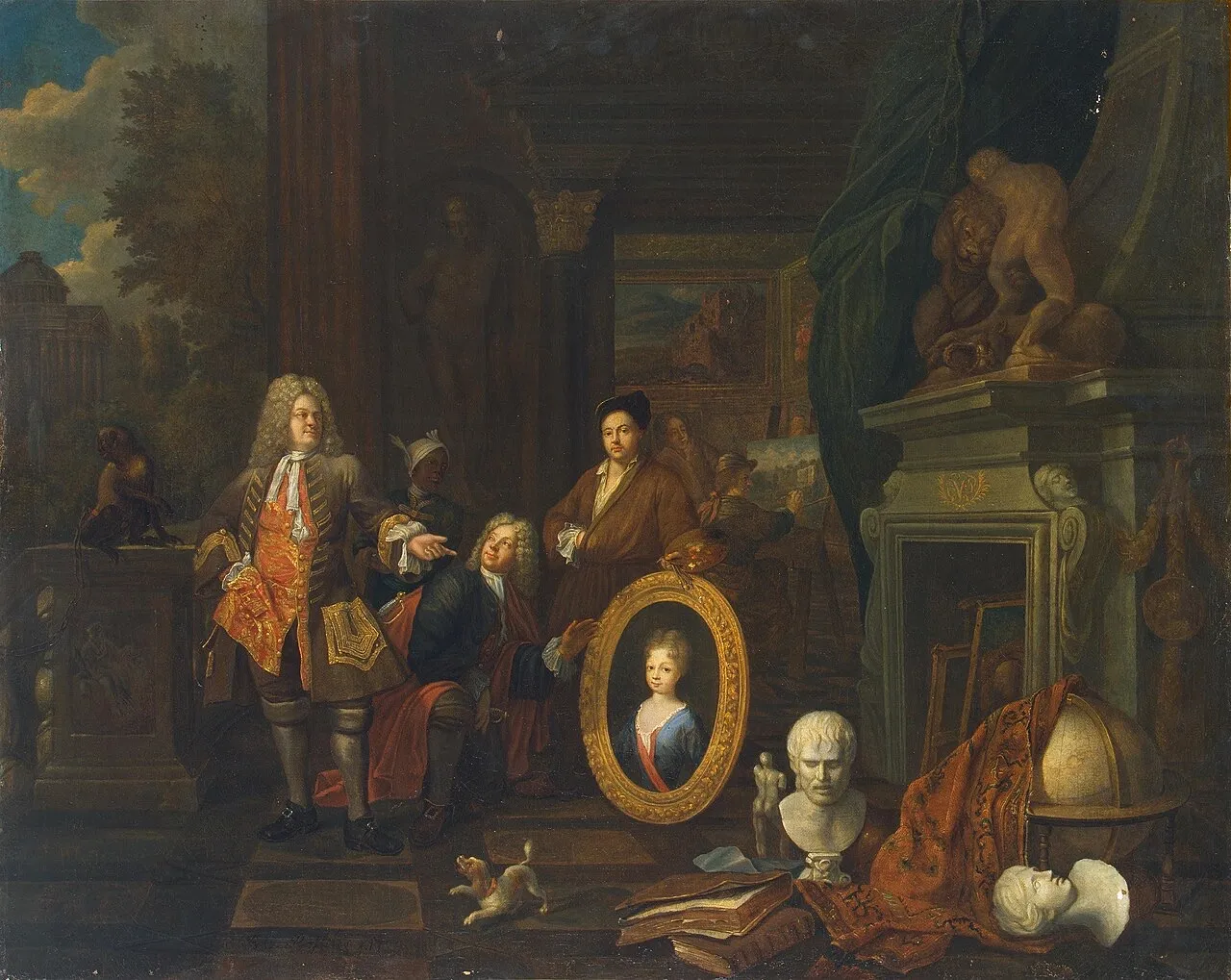
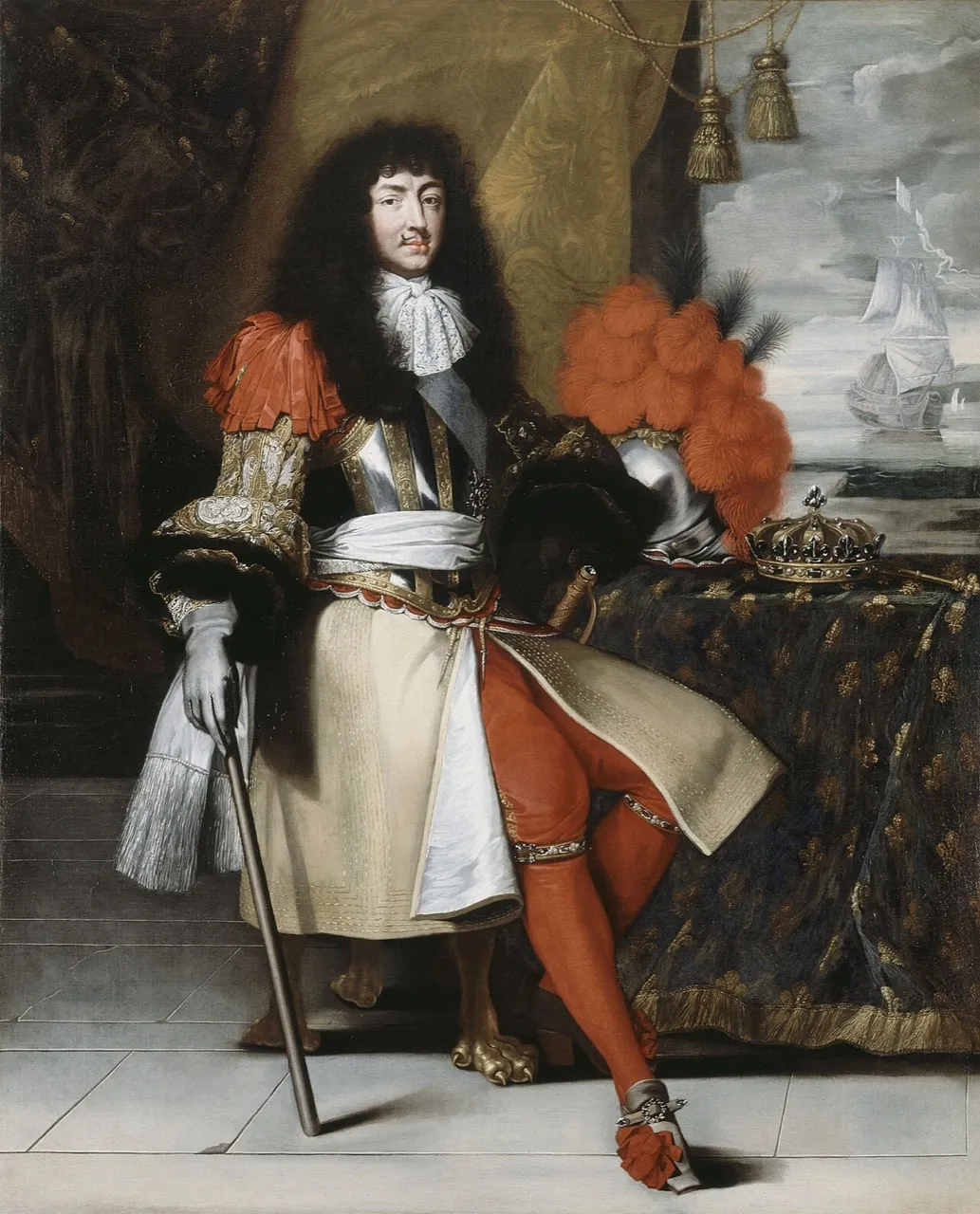
The neckcloth in portraits
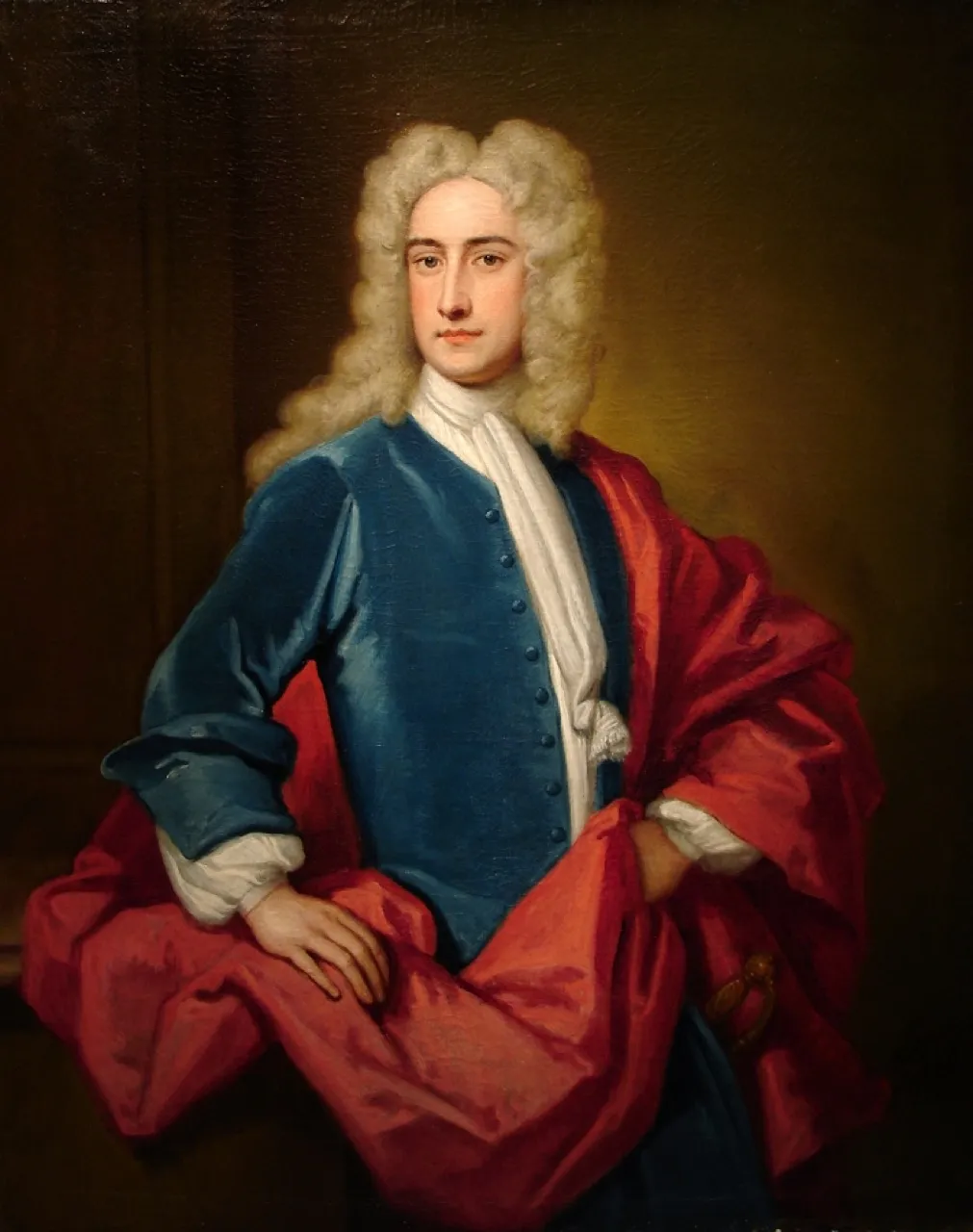
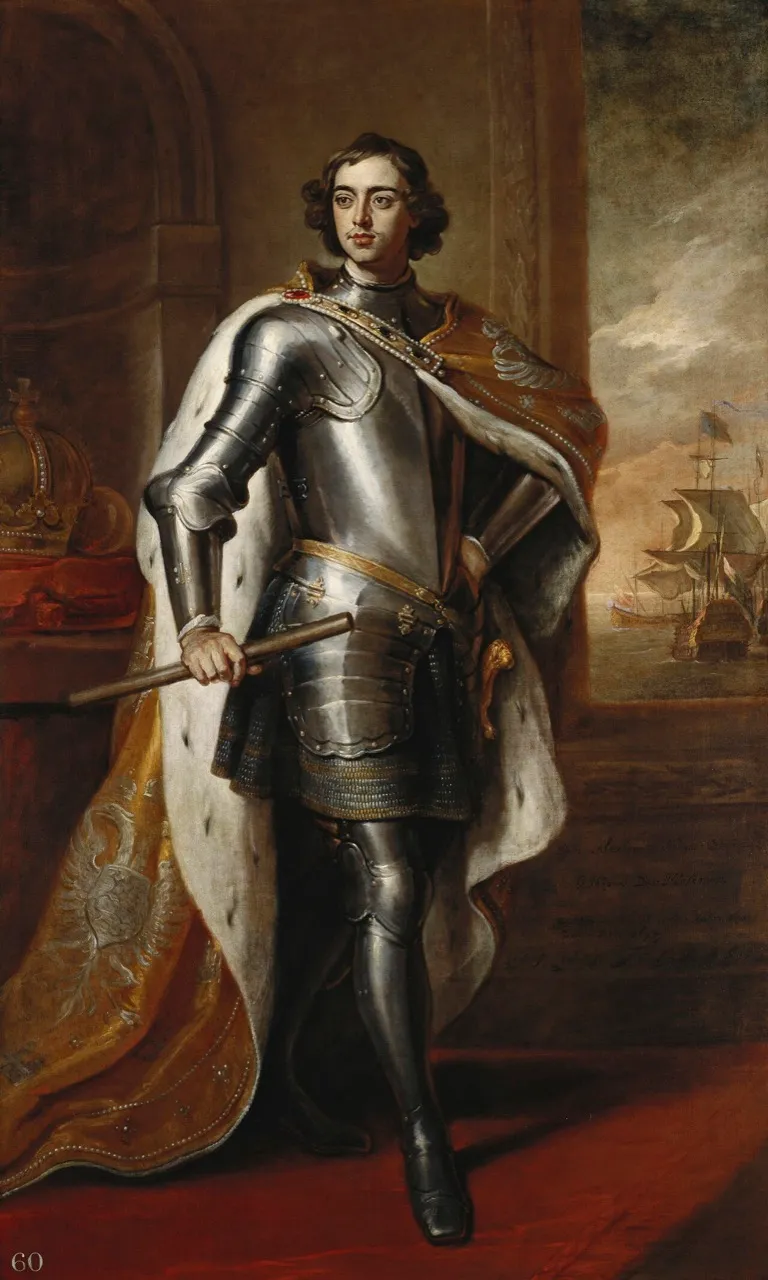
By the end of the seventeenth century neckcloths grew ever more refined. The so-called Steinkirk appeared: a carelessly tied cloth whose ends were pulled through a buttonhole. The name is traditionally linked with the Battle of Steenkerque in 1692, where French officers supposedly had no time to tie their cloths properly before the fight. Lace neckcloths cost enormous sums, and tying them correctly became an art. By the early nineteenth century Beau Brummell had made the starched neckcloth the main detail of the dandy’s look: it was said that he could spend a morning tying it perfectly, throwing away failed attempts one after another.
The Tie: The Essentials
The word “cravate” is linked to Croatian mercenaries of the seventeenth century
18 October is Cravat Day in Croatia
1818: the book “Neckclothitania” on ways of tying the cloth is published
Mid-1920s: New York maker Jesse Langsdorf invents the tie cut on the bias
The Art of the Knot
In 1818 a satirical booklet, Neckclothitania, came out in England, describing several ways of tying a neckcloth and mocking the fashion for them. By the middle of the nineteenth century the cloth had gradually turned into a narrower strip, and then into the tie as we know it. The modern tie, which does not twist and holds its shape well, owes a great deal to the New York maker Jesse Langsdorf: in the mid-1920s he devised and patented a way of cutting a tie on the bias from three pieces. Knots got names too: the four-in-hand, the Windsor, the half-Windsor. A popular story links the Windsor knot with the Duke of Windsor, although the duke himself, they say, simply wore thick ties.
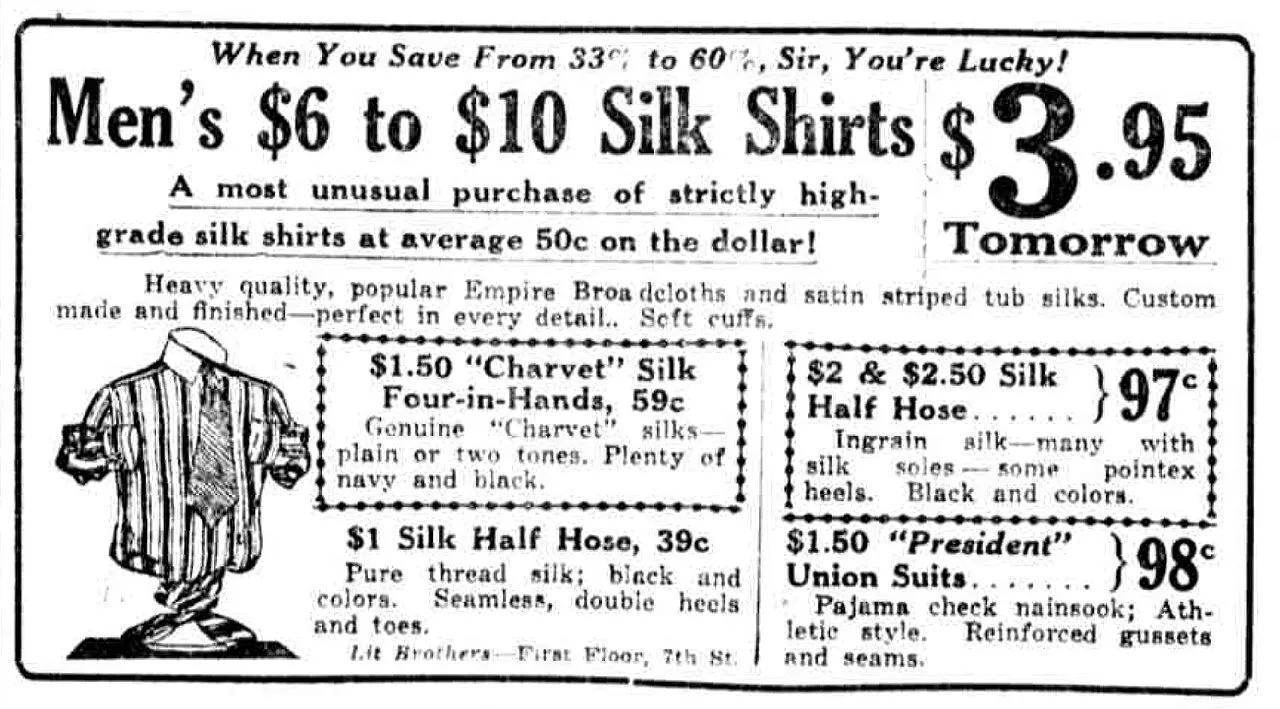
In the twentieth century the tie became a mandatory part of the men’s wardrobe: without it you were not admitted to restaurants and offices. At the same time it became a space for self-expression, the only bright element in a strict suit. Patterned ties, club stripes, the “fun” ties of the 1950s, wide ties of the 1970s, narrow ones of the 1960s and 2000s: a photograph can be dated by the width of the tie. For many men the tie was the only chance to show character within a business dress code.
The tie is the only item in a man’s suit that has never been useful. That is exactly why it says so much about us.
Life After the Office
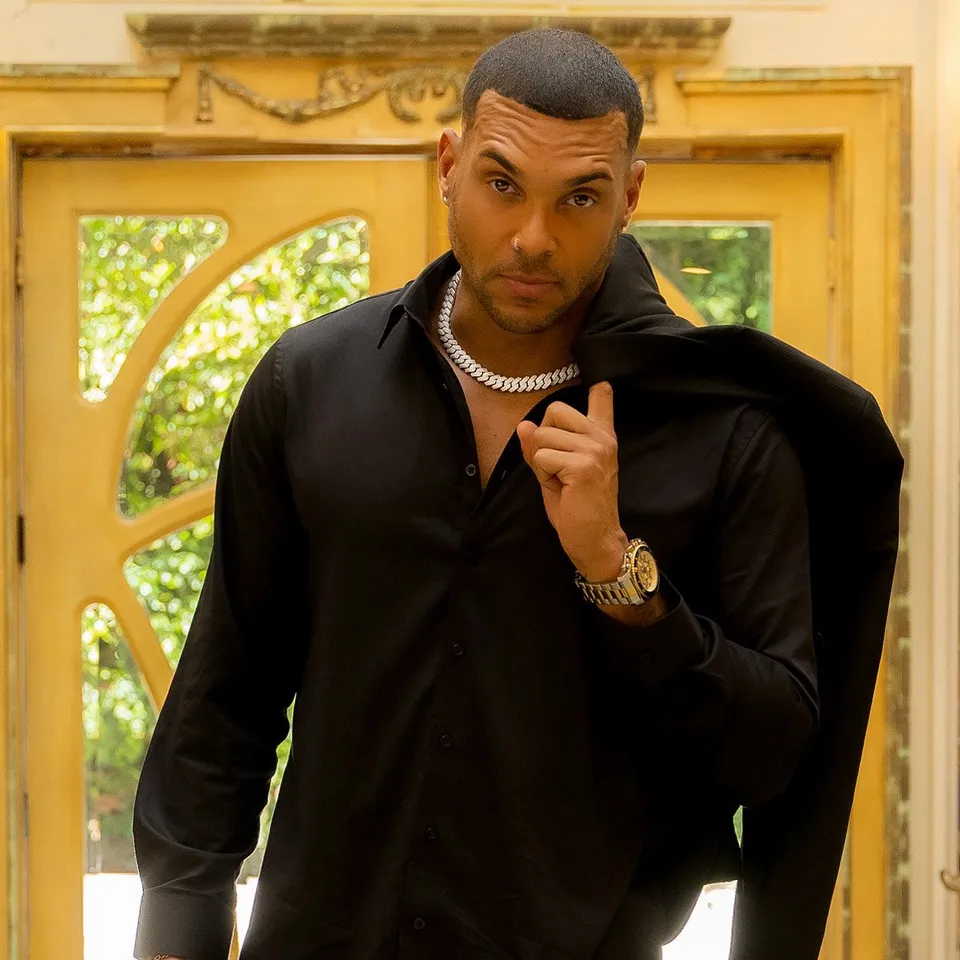
Today the tie has lost its status as compulsory, and that may be the best thing that ever happened to it. Now it is put on by choice: for a wedding, for an important meeting, in a fashionable look with a 1970s-style shirt or even with a T-shirt. Designers play with width and shape, bring back neckerchiefs and bandanas, and young men discover the pleasure of tying a knot. The tie is an accessory again rather than a uniform, exactly what it was when French courtiers first saw the Croatian horsemen.
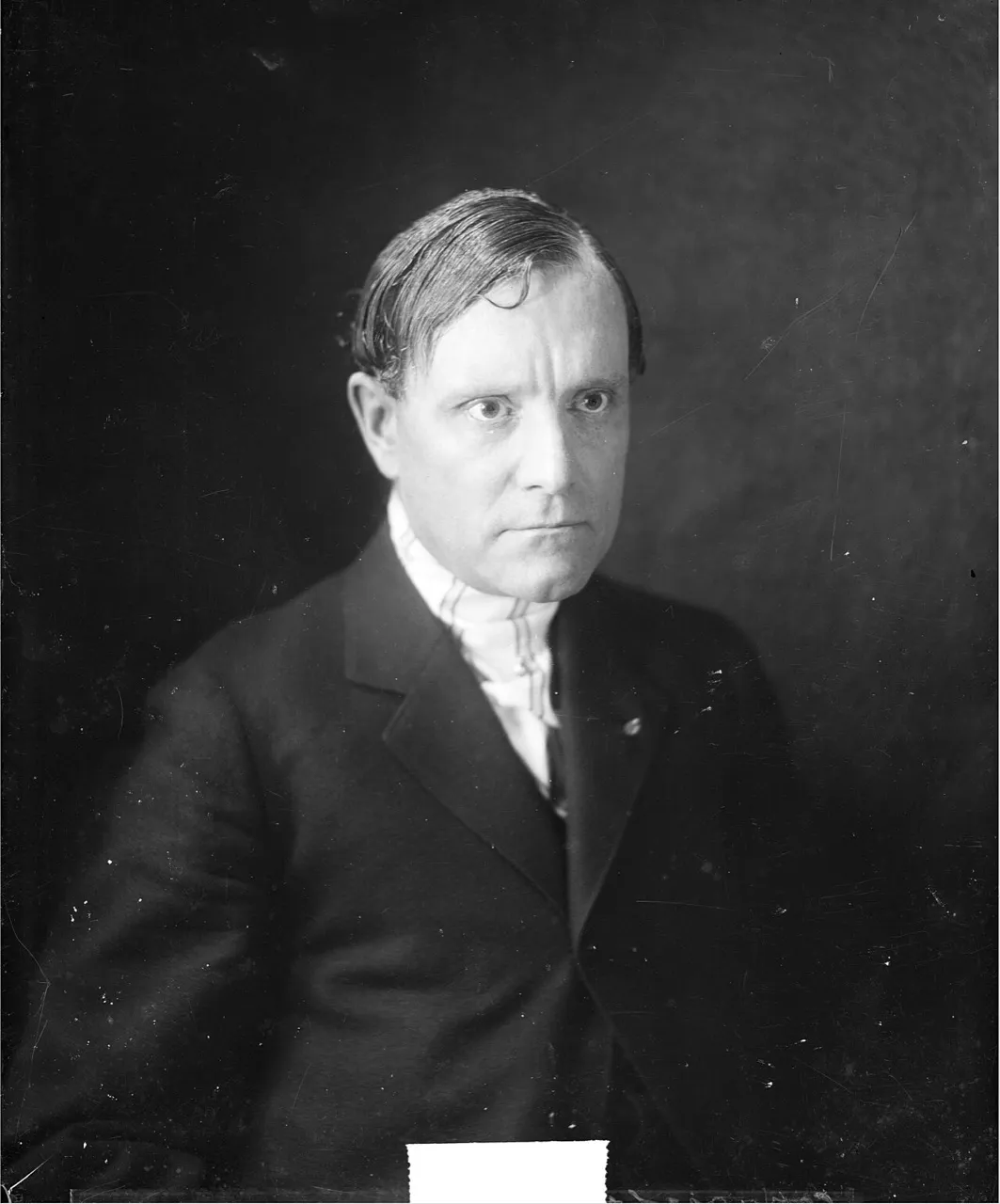
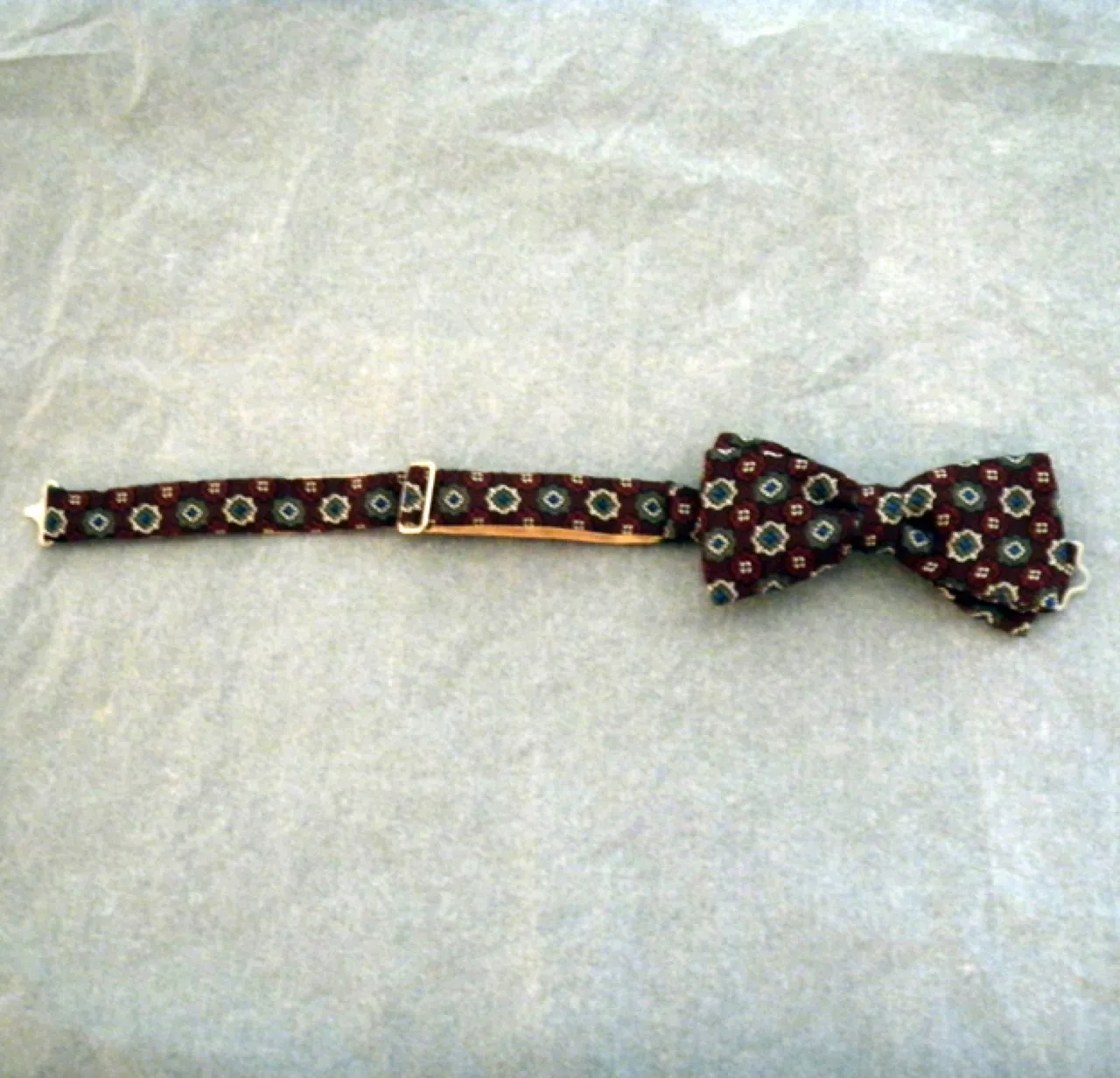
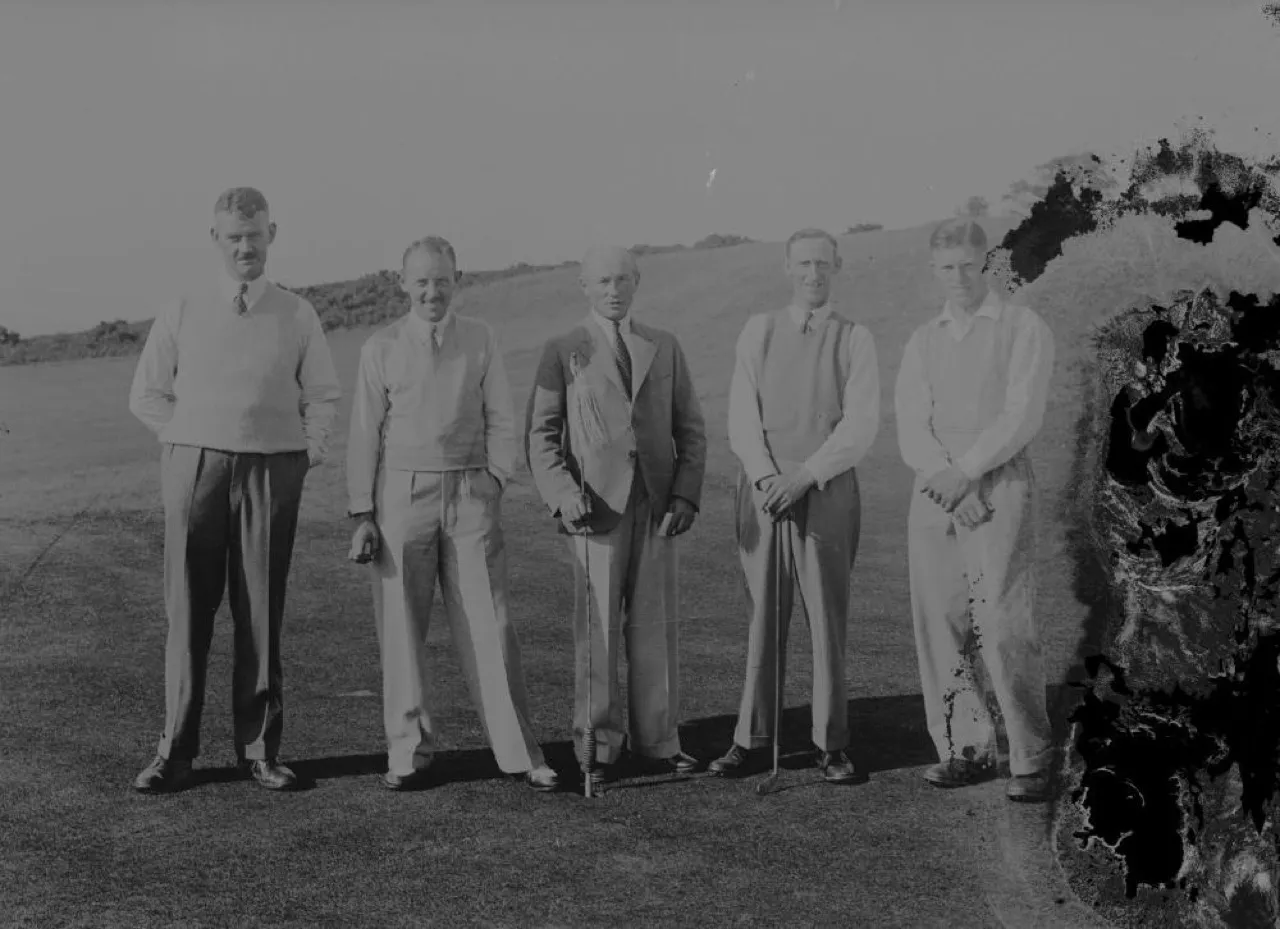
The tie in the archives
The history of the tie is the story of how a functional detail turns into a symbol. A scarf that protected a soldier’s neck became a sign of aristocracy, then of bourgeois solidity, then of office boredom, and now of free choice. The Croatian legend may not be the whole truth, but it explains the main thing beautifully: fashion is often born of the meeting of cultures and of the wish to copy what looks striking. If there is a tie hanging in your wardrobe that you have not worn for a long time, perhaps it is time to give it a new chance.