Time on the Wrist
The wristwatch was considered a woman’s ornament until wars, aviators and a Channel swimmer made it the main men’s accessory. Why mechanics still beat the smartwatch.
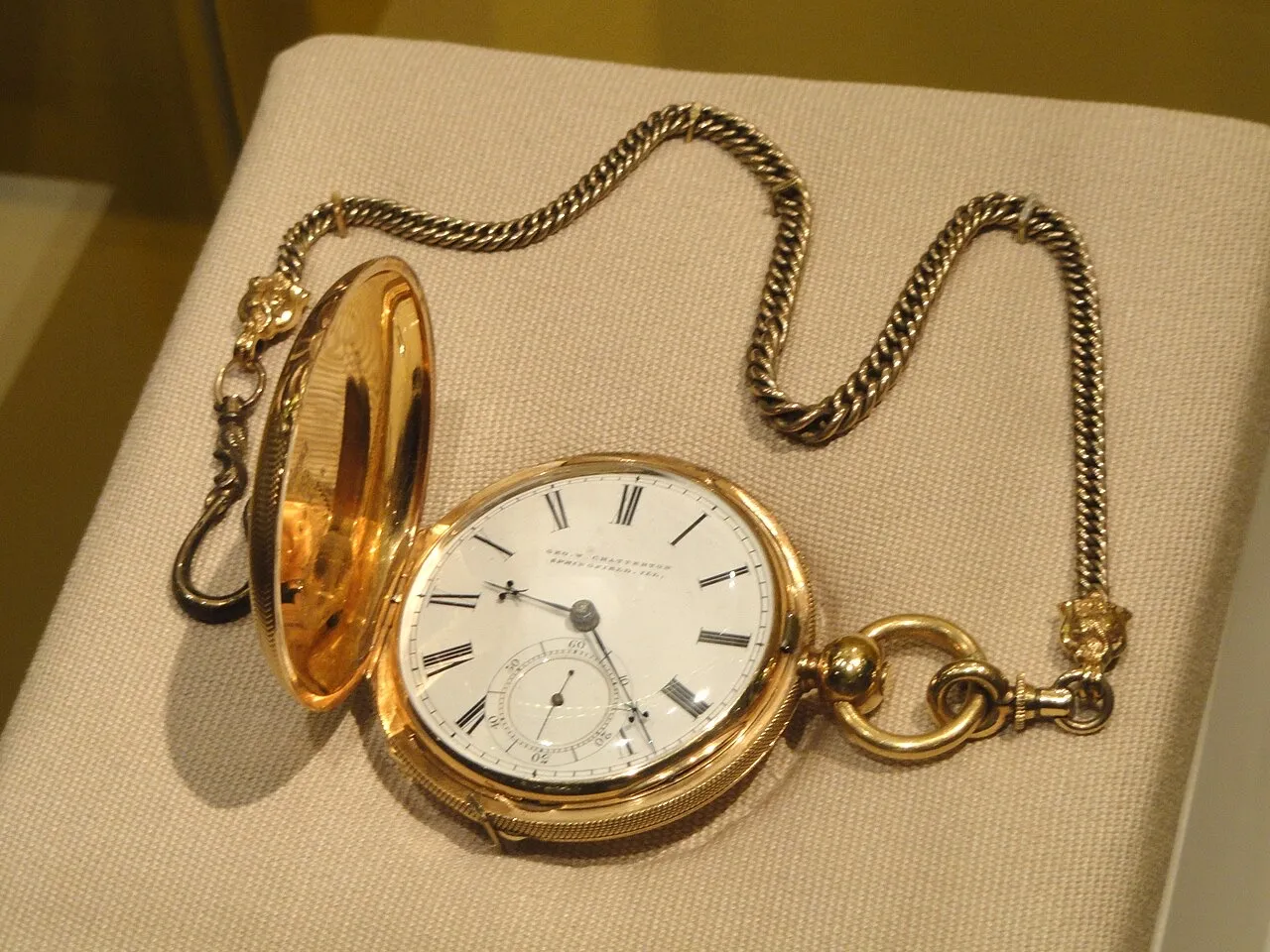
Smartwatches count steps, show messages and measure the pulse, but the cult of the mechanical watch has not gone anywhere. On the contrary: men collect models, study movements, discuss calibres and the histories of brands, and auctions set records. The wristwatch seems the most masculine accessory of all. Remarkably, only a little over a hundred years ago a true gentleman carried his watch in a waistcoat pocket on a chain, and a watch on the wrist was considered a woman’s ornament or something not quite serious. Wars, aviation and sport changed everything. The history of the wristwatch is the story of how practicality beats propriety and how a thing becomes a symbol of manliness.
A Bracelet for a Lady
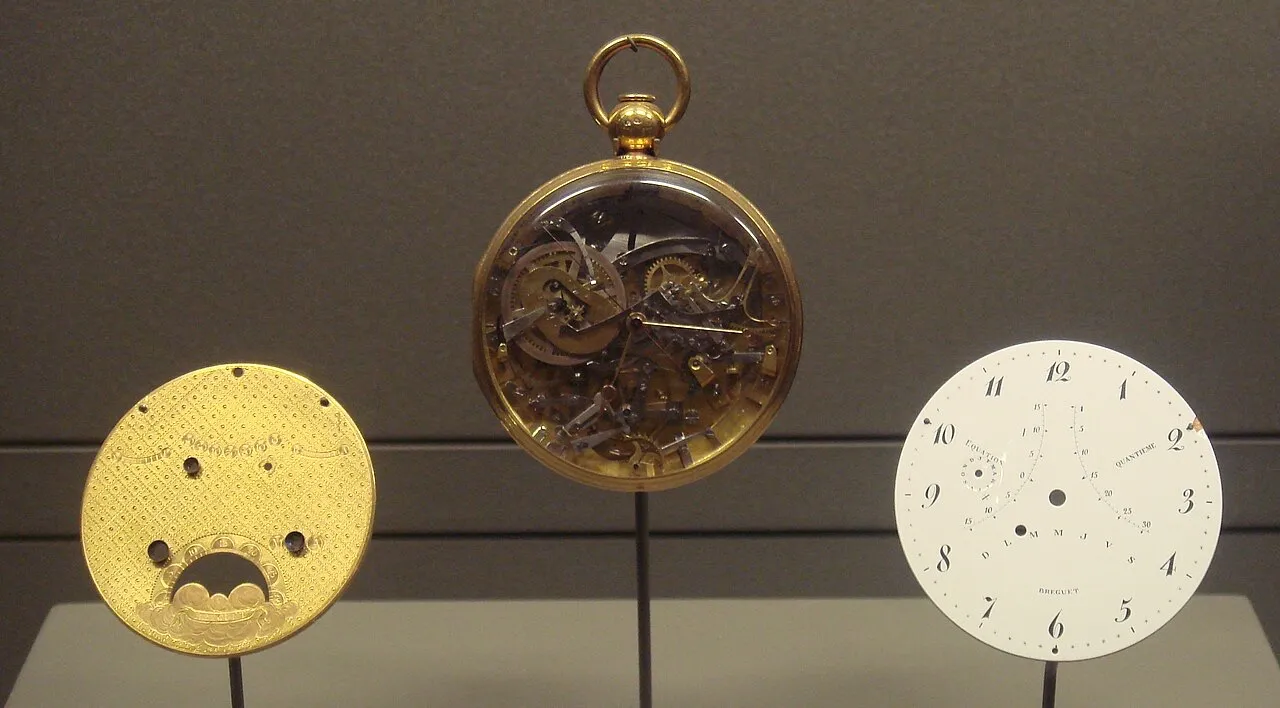
The first watches worn on the arm were made for women. Among the first known examples is the bracelet watch that the famous watchmaker Abraham-Louis Breguet made for Caroline Murat, Queen of Naples and sister of Napoleon, on an order of 1810. In 1868 the Swiss manufacturer Patek Philippe made a wristwatch for the Hungarian Countess Koscowicz. Such watches were rather items of jewellery: a small dial, precious stones, a delicate bracelet. To men of that time a watch on the wrist seemed frivolous: a serious man took a solid chronometer on a chain out of his pocket.
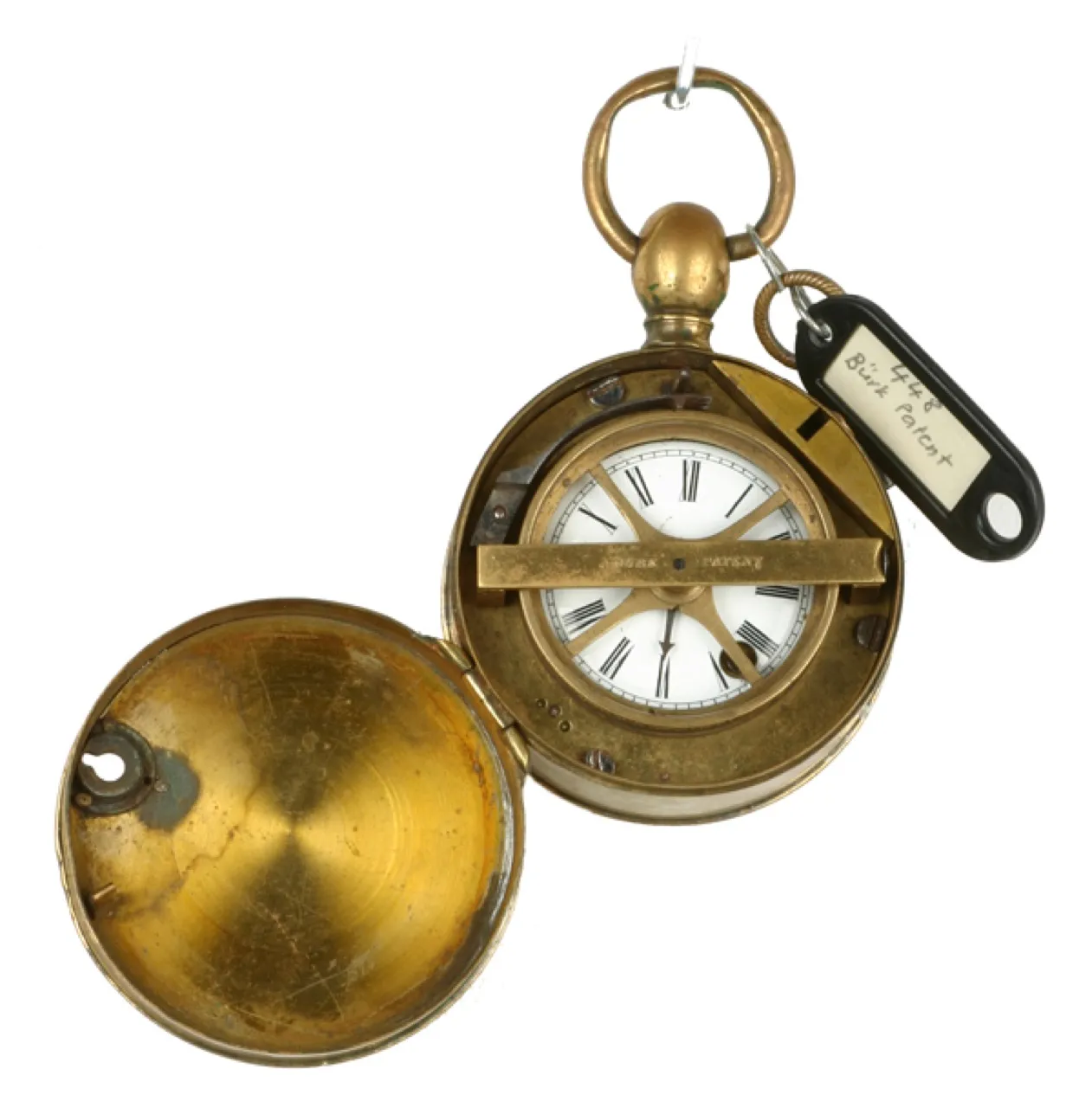
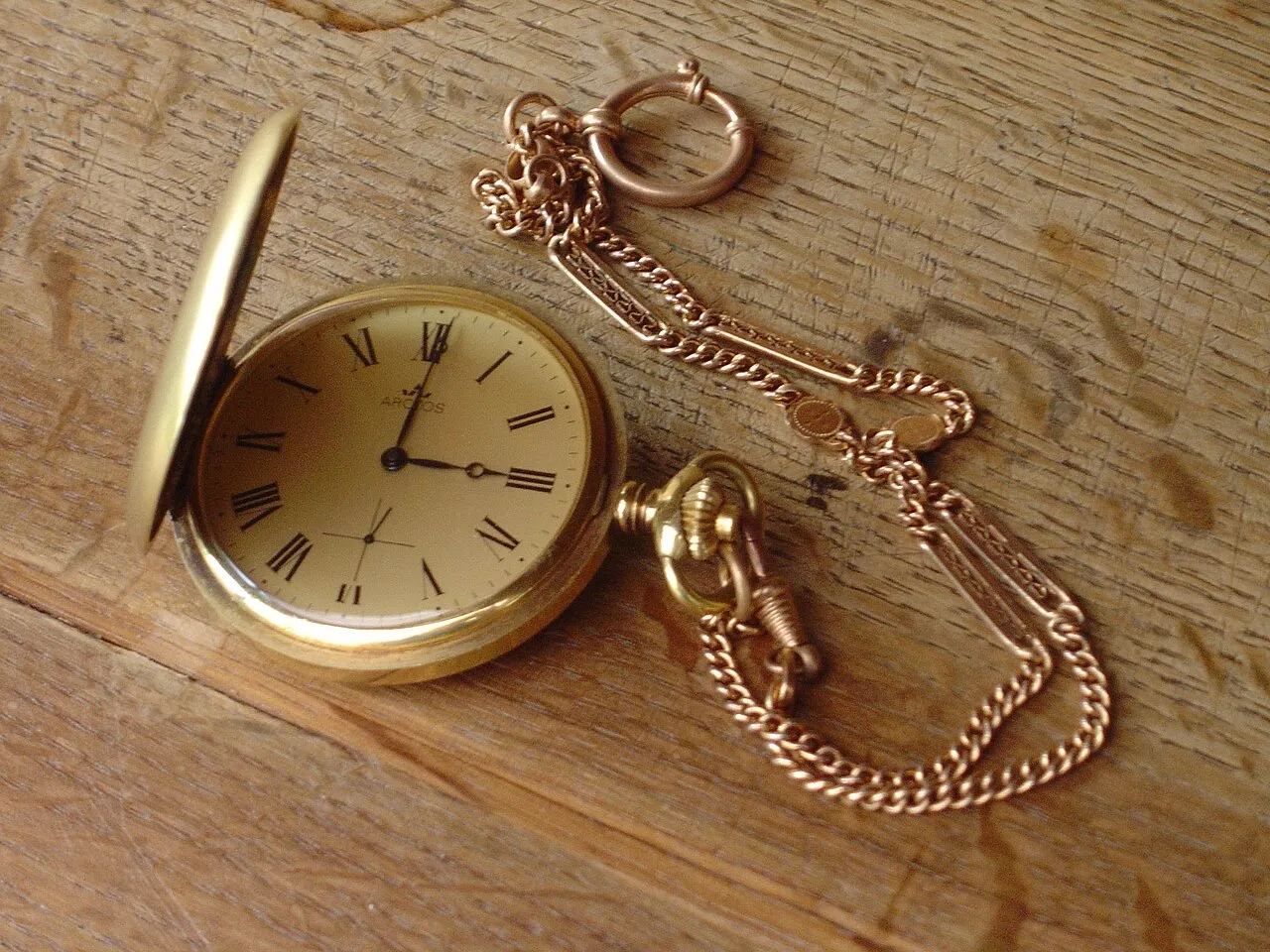
The era of the pocket watch
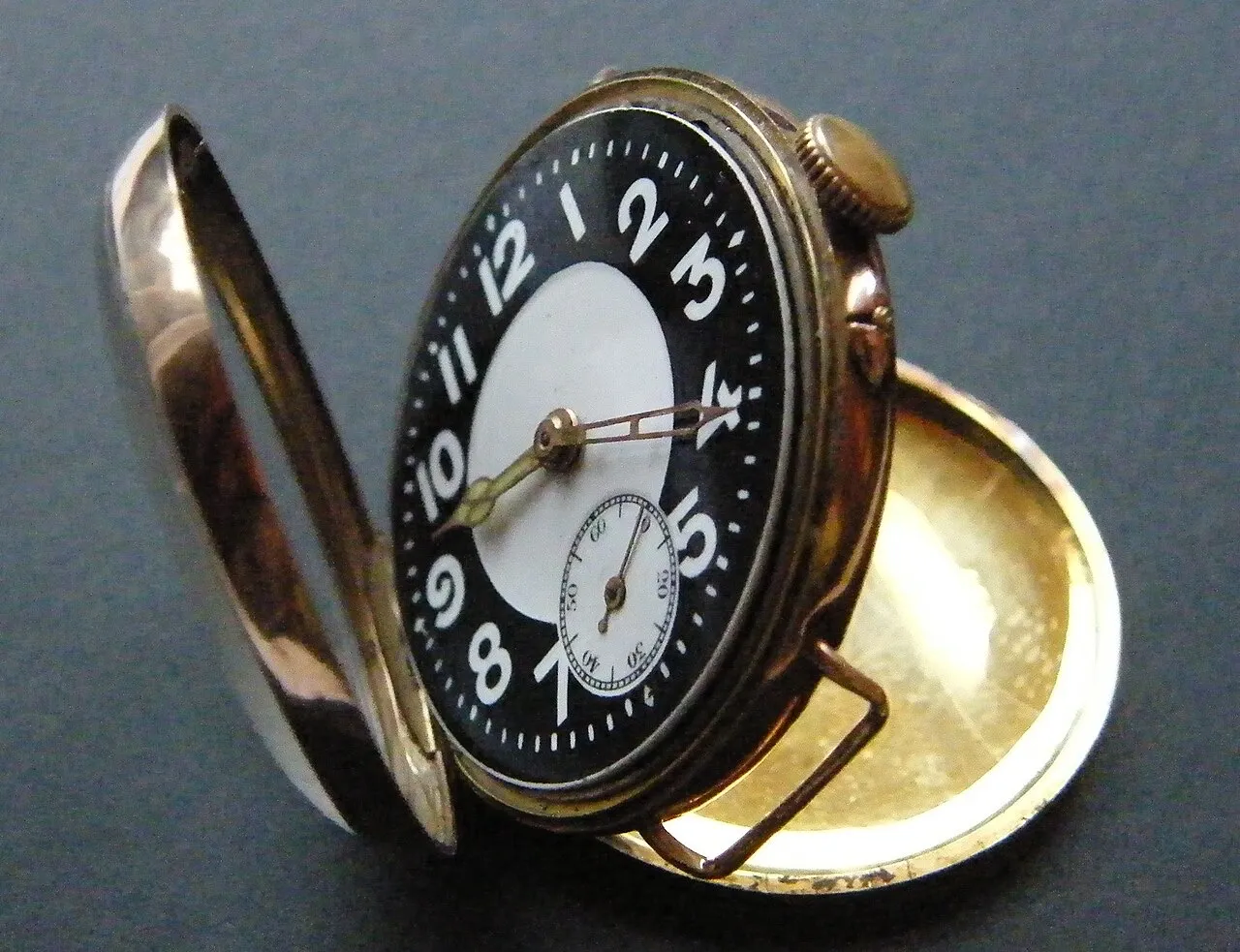
Wars changed everything. Already during the colonial conflicts of the late nineteenth century soldiers realised that pulling a watch from a pocket in battle was awkward and began strapping them to the wrist. The First World War fixed the new format for good. In the trenches attacks and artillery strikes had to be synchronised to the minute, while holding a weapon or binoculars. “Trench watches” appeared: pocket movements in a case with lugs for a strap, often with a protective grille over the glass and luminous numerals. Soldiers came home with a watch on the wrist, and what had been a woman’s ornament became the mark of a front-line veteran.
The Main Milestones of the Wristwatch
1810: Breguet makes a wristwatch for Caroline Murat
1868: a Patek Philippe wristwatch for Countess Koscowicz
1904: Cartier makes a watch for the aviator Alberto Santos-Dumont
1926: the waterproof Rolex Oyster case
1969: the Omega Speedmaster on the Moon
The Aviator and the Swimmer
Alongside war, aviation moved the watch to the wrist. The Brazilian aviation pioneer Alberto Santos-Dumont complained to his friend the jeweller Louis Cartier that in flight he could not take out a pocket watch without letting go of the controls. Cartier made him a watch on a leather strap with a square case; the model, later known as the Santos, became one of the first men’s wristwatches conceived as an item of style. In the 1920s Hans Wilsdorf, founder of Rolex, introduced the waterproof Oyster case, and for advertising he used the feat of the British swimmer Mercedes Gleitze, who in 1927 swam the English Channel with such a watch on her neck.
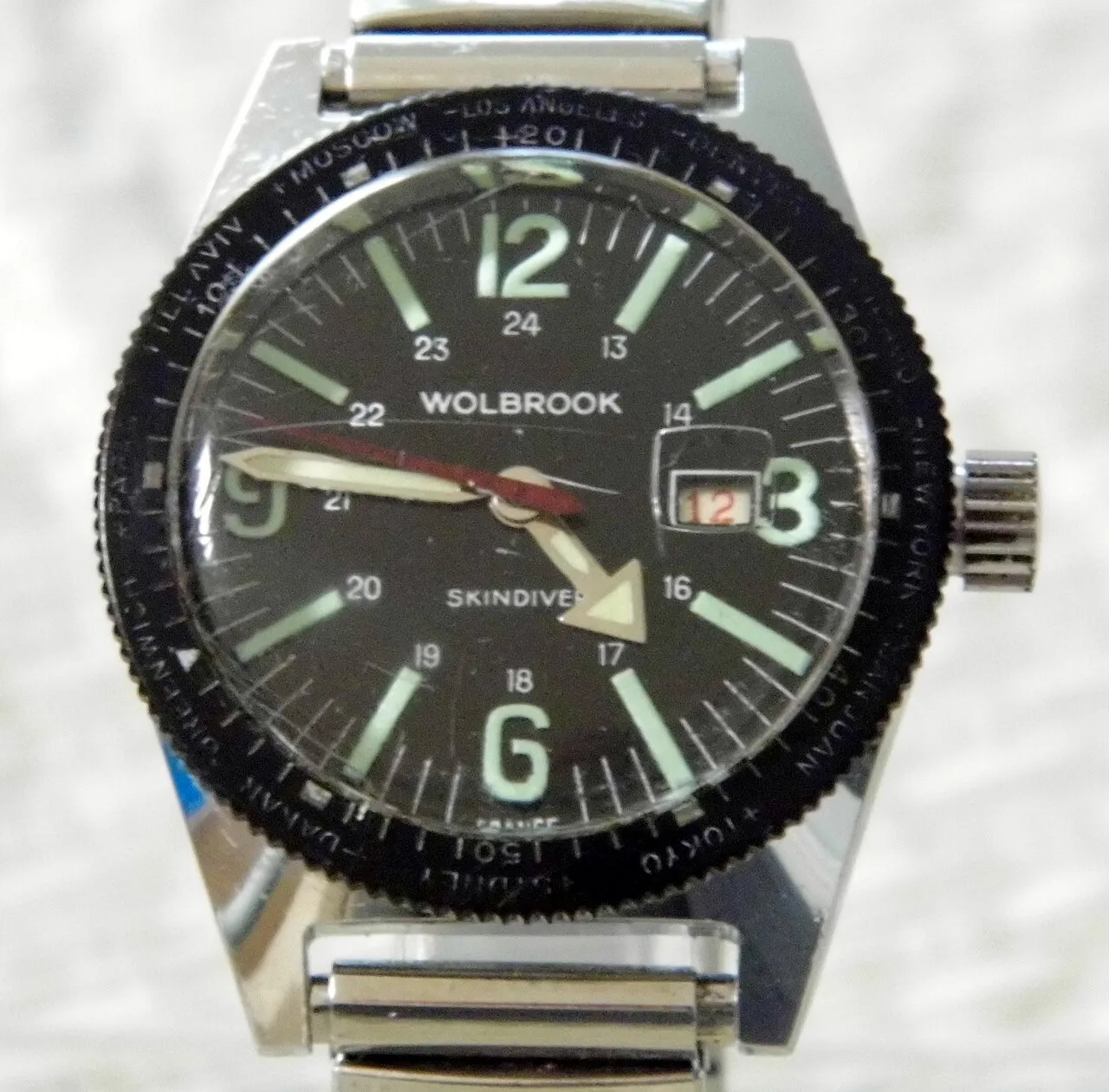
The twentieth century made watches specialised. Watches appeared for pilots, divers, racing drivers and mountaineers. In 1969 the astronauts of the Apollo programme wore Omega Speedmaster chronographs on the Moon, which became one of the most famous stories in watchmaking. In the 1970s the Swiss industry went through the “quartz crisis”: cheap quartz watches from Japan were more accurate than mechanical ones and cost next to nothing. Many manufacturers closed. But mechanics survived, turning from an instrument into an object of luxury and craftsmanship. Today a phone shows accurate time, and mechanical watches are worn for history, beauty and a complicated movement.
Mechanical watches lost to the phone in accuracy long ago, and that is exactly why they became a symbol that what is valuable is not only what is useful.
Mechanics Against the Smartwatch
Smartwatches have become the best-selling watches in the world, and that is logical: they are useful. But the market for mechanical watches is not disappearing; it is growing at the top end. Men buy mechanics as an heirloom, an investment, a mark of taste or a way to disconnect from the digital world. A movement that works without a battery, from the motion of the hand, is a small marvel of engineering that can be passed to a son. In a sense the wristwatch has returned to its starting point: like the bracelets of the nineteenth century, it is an ornament again, only now a masculine one. The practical function has been taken over by the gadget.
Watches in the archives
The history of the wristwatch is a fine example of how ideas of the masculine and feminine change. A thing considered a lady’s ornament became a symbol of the front-line soldier, the aviator, the astronaut and the businessman. Then it lost in functionality and became an ornament again, now for men. If you have a watch from your father or grandfather, it holds not only a movement but part of this history. And if you are choosing your first mechanical watch, remember Santos-Dumont: sometimes the most beautiful things are born of a very practical problem.