A Hundred Years of Glitter
In 2025 Art Deco turned one hundred, and it seems never to have gone out of fashion. Why the style of skyscrapers, ocean liners and jazz bars is alive again in interiors, jewellery and advertising.
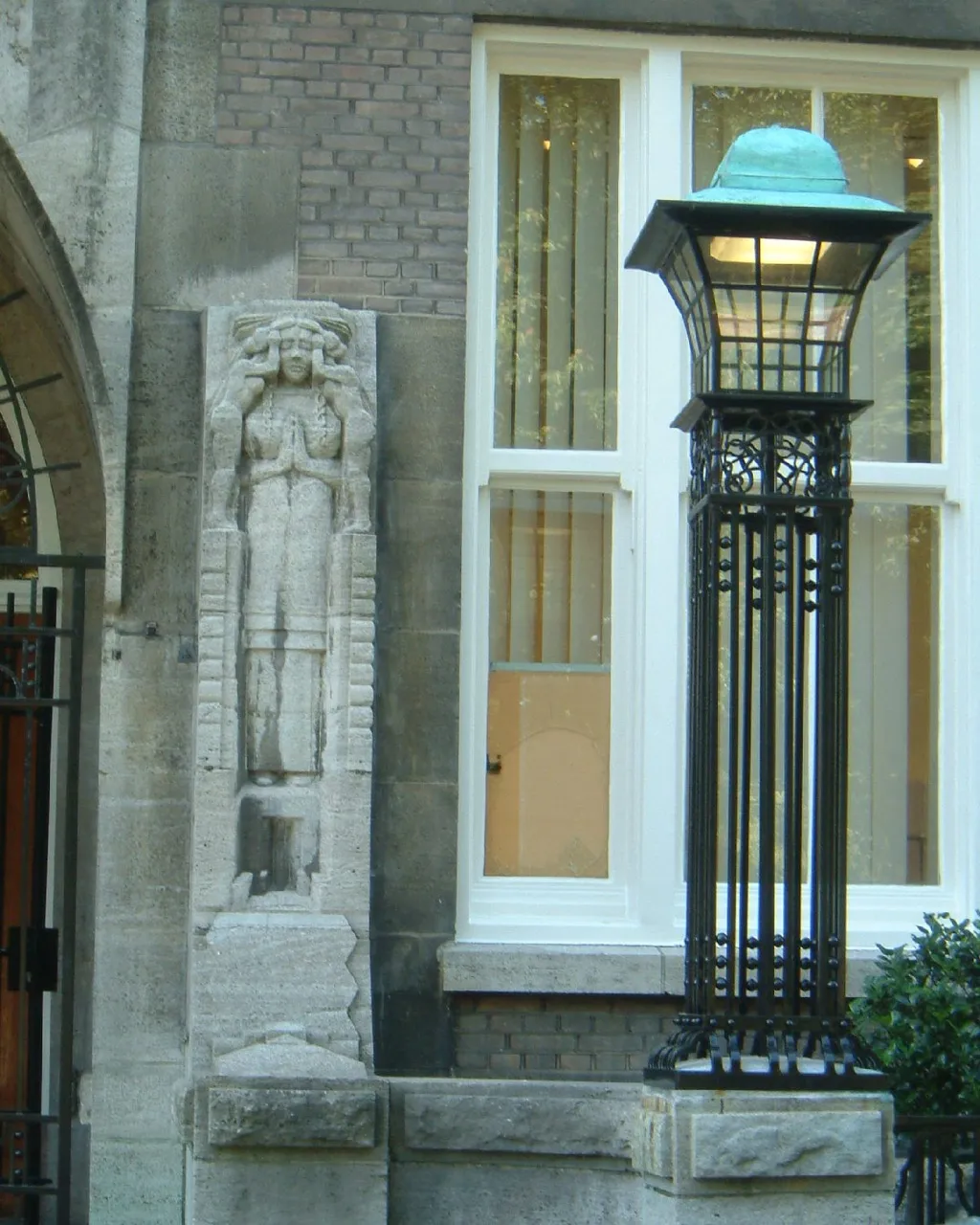
Geometric sunburst patterns, brass and black lacquer, stepped silhouettes, velvet in deep colours: if you have walked into a new restaurant or hotel in recent years, you have almost certainly seen Art Deco. The style was born a century ago and has come back so many times since that it has become a kind of “permanent celebration.” In 2025 it was a hundred years since the Paris exhibition of decorative arts that gave it its name, and museums around the world marked the anniversary. But Art Deco is not just a pretty picture. It is the style of an age that for the first time believed in speed, electricity and mass production, and wanted technology to look luxurious.
The Exhibition That Gave the Name
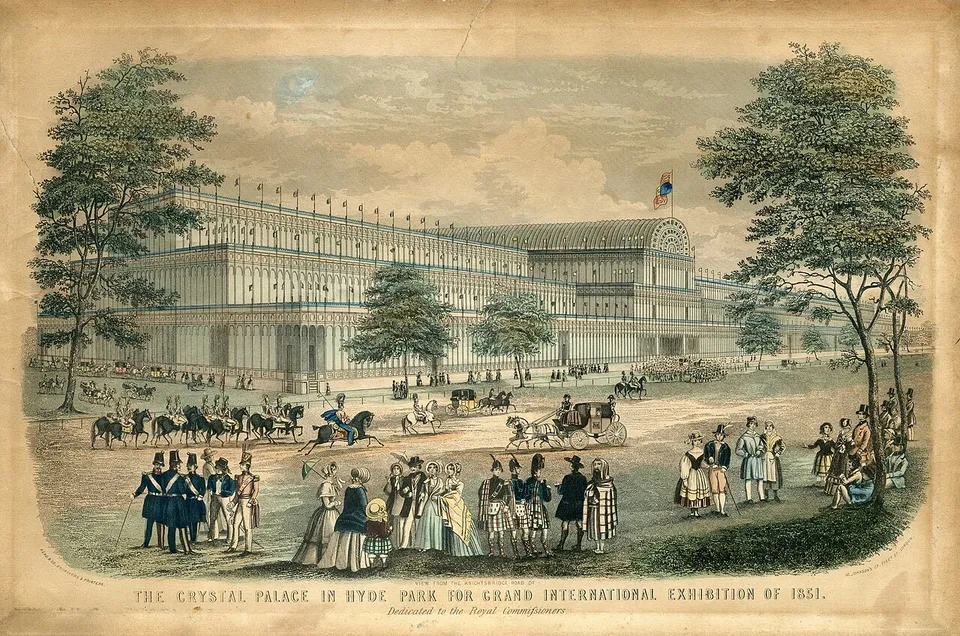
From April to October 1925 Paris hosted the International Exhibition of Modern Decorative and Industrial Arts. Pavilions stood between the Esplanade des Invalides and the Grand Palais, and visitors saw furniture, textiles, glass, jewellery, fashion and architecture of a new generation. The main rule was: no copying of historical styles, only the modern. Interestingly, the very term “Art Deco” was hardly used then: it was shortened from the exhibition’s title much later, when historians and collectors turned back to the style in the 1960s. The people of the 1920s simply called all of it the “modern” style.
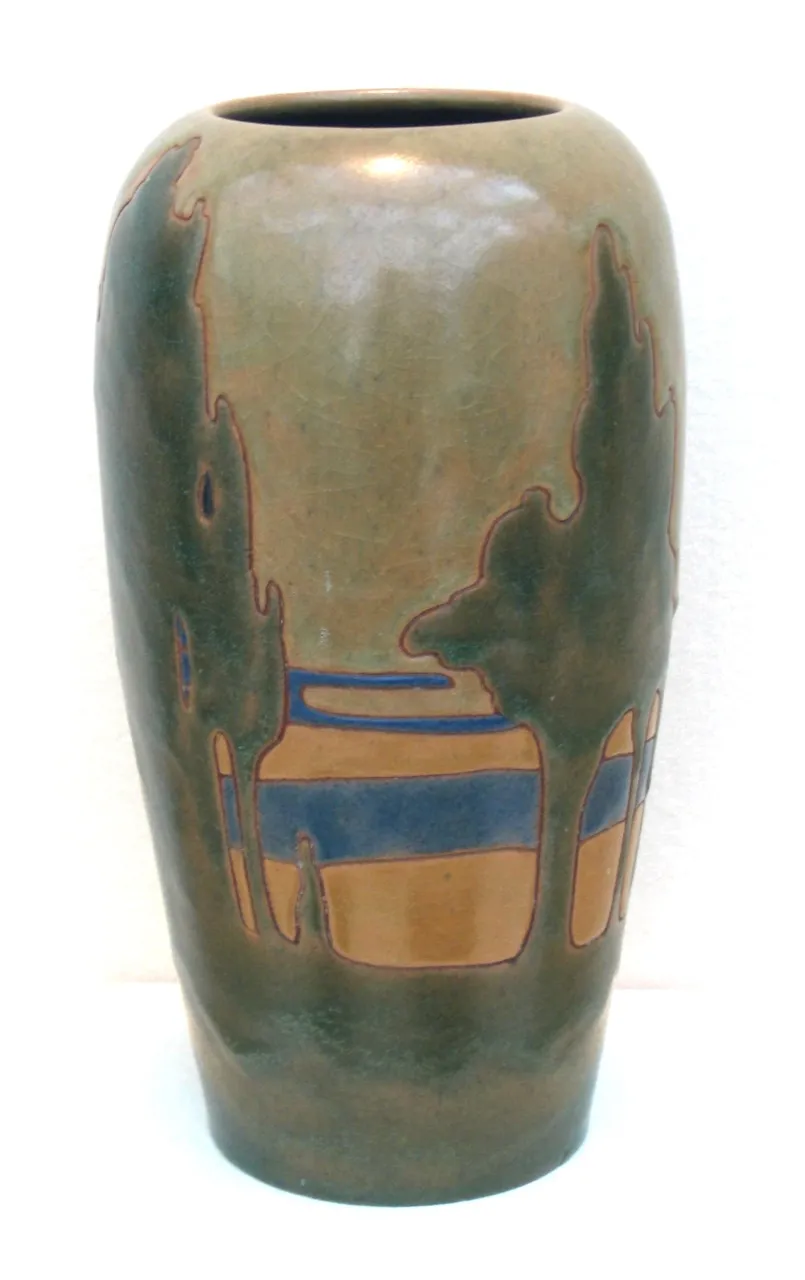
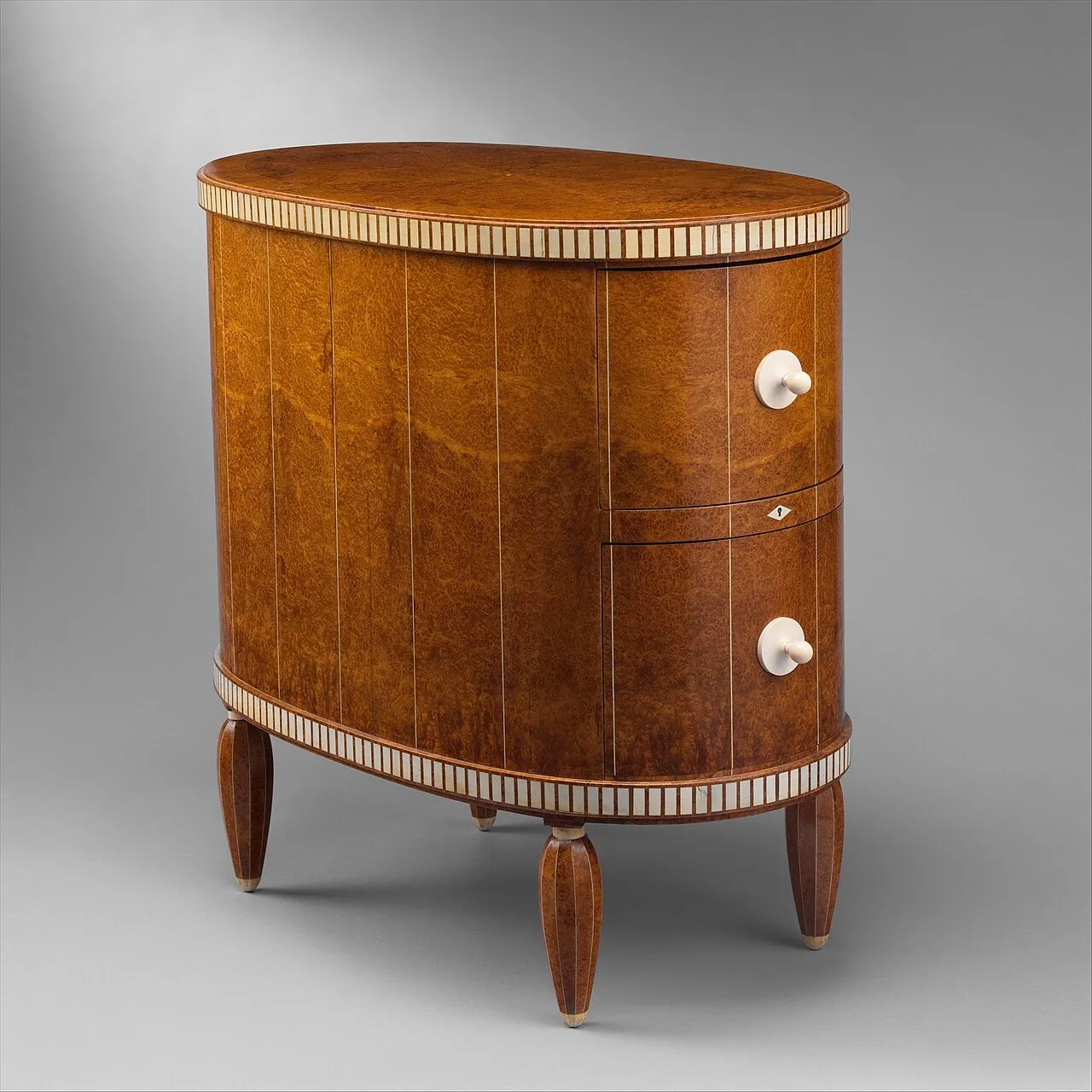
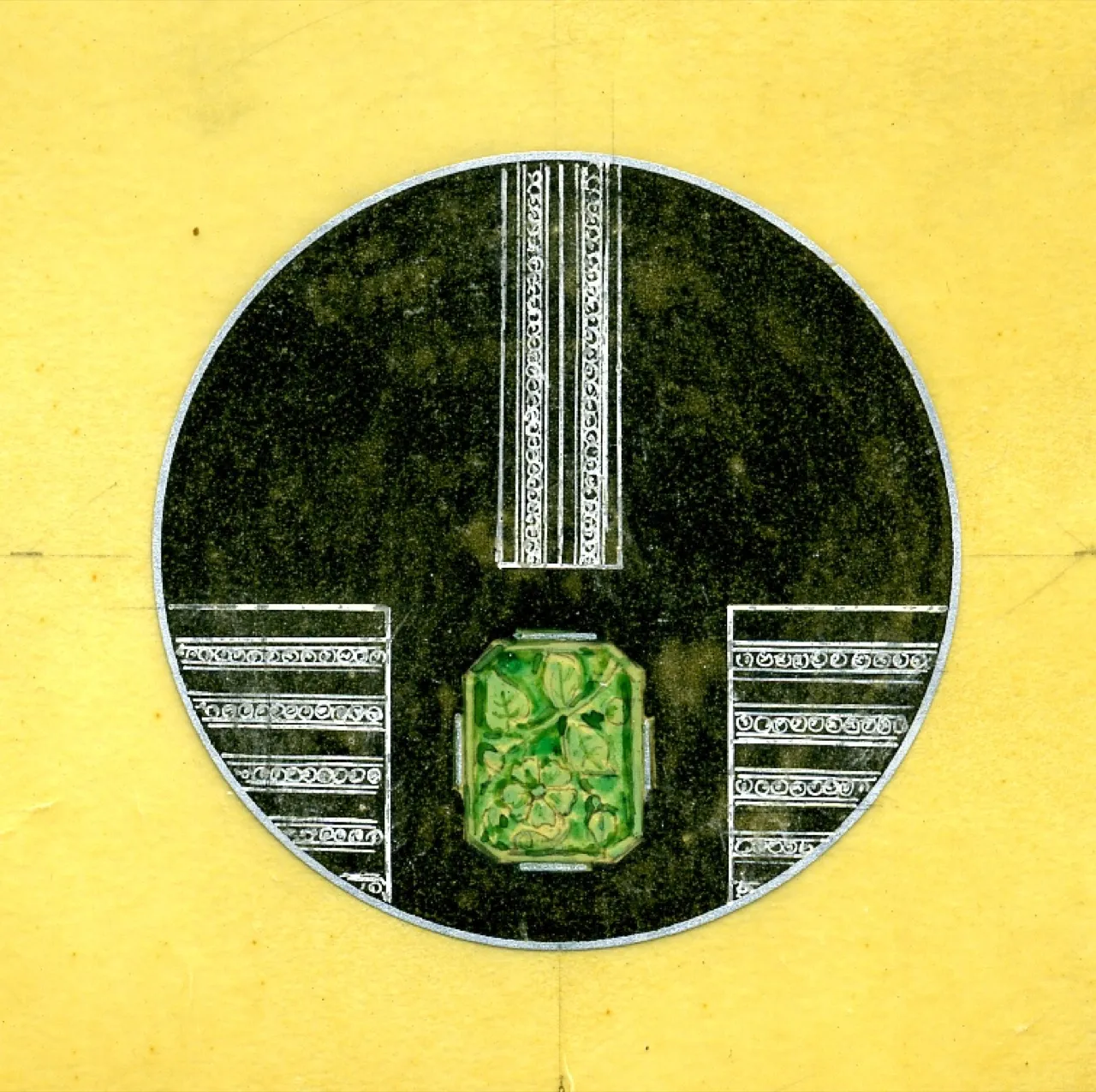
Objects of the age
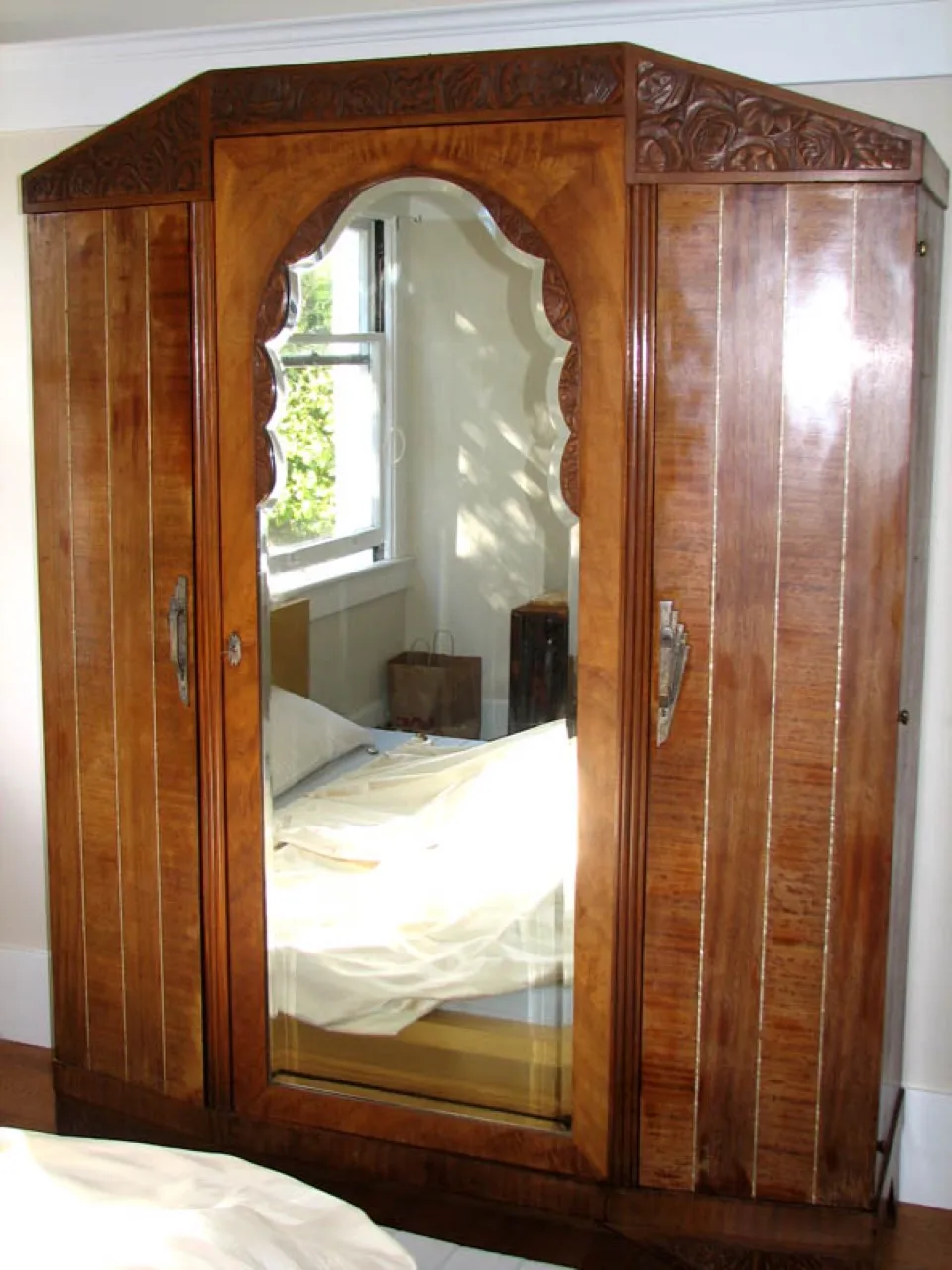
Art Deco absorbed everything that was fashionable in the 1910s and 1920s: the geometry of Cubism, the bright colours of Diaghilev’s Ballets Russes, motifs of ancient Egypt after the discovery of Tutankhamun’s tomb in 1922, the art of Africa and Asia. All of this mixed with the cult of the machine: aeroplanes, cars, trains. Hence the characteristic “streamlined” forms, sunrays and zigzags. The style was expensive in its materials, with exotic wood, ivory, lacquer and silver, but it quickly reached the masses: the same motifs decorated cinemas, radios, powder compacts and perfume bottles.
Art Deco: The Essentials
Year of birth: 1925, the International Exhibition of Decorative Arts in Paris
The name “Art Deco” took hold in the 1960s
Key motifs: rays, zigzags, stepped forms, streamlining
Materials: lacquer, chrome, brass, glass, exotic wood
Skyscrapers and Ocean Liners
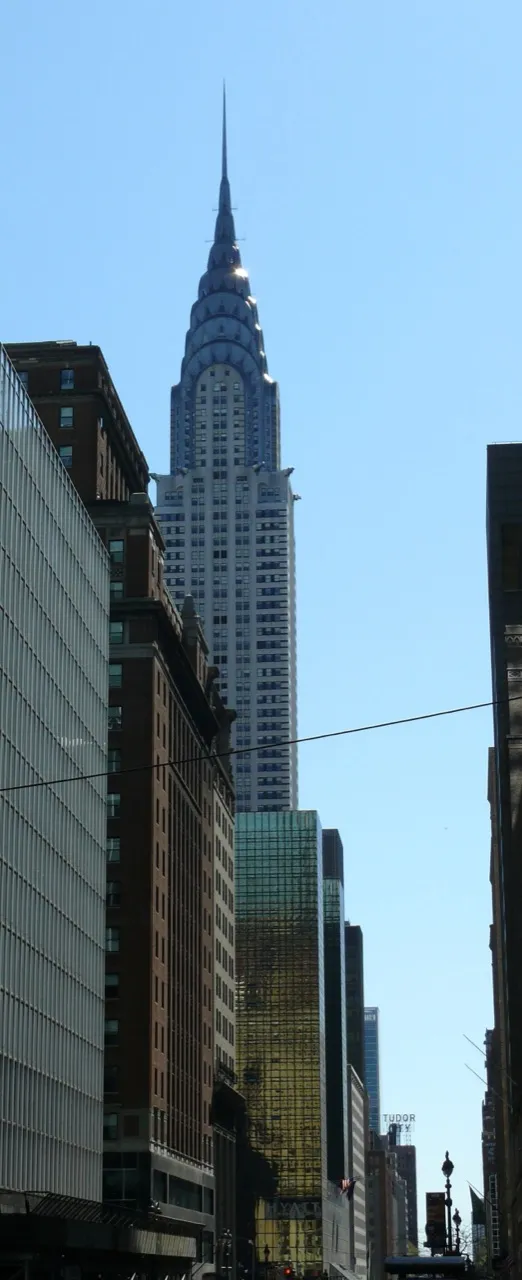
The most famous monuments of Art Deco are American skyscrapers. The Chrysler Building in New York, completed in 1930, with its stainless-steel spire and decoration in the form of car parts, was for a few months the tallest building in the world, until the Empire State Building overtook it. The French liner Normandie, launched in the 1930s, was called a floating Art Deco museum: its halls were designed by the country’s finest decorators. In Moscow the spirit of the style can be seen in the metro stations of the 1930s, for example at Mayakovskaya with its stainless steel and mosaics. Art Deco became the language of progress on both sides of the ocean.
Fashion spoke the language of Art Deco too. Straight dresses with dropped waists, embroidered with beads and sequins, echoed the geometry of interiors. Jewellery became long and graphic: sautoirs, cuff bracelets, drop earrings. Women cut their hair short and smoked through long cigarette holders; everything in this look was about speed and freedom. French jewellery houses made brooches and watches with the same geometric rhythm as the façades of buildings. It was one of the first times that fashion, architecture and product design looked quite literally like a single whole.
Art Deco is the moment when technology first wanted to look like a jewel.
Why It Keeps Coming Back
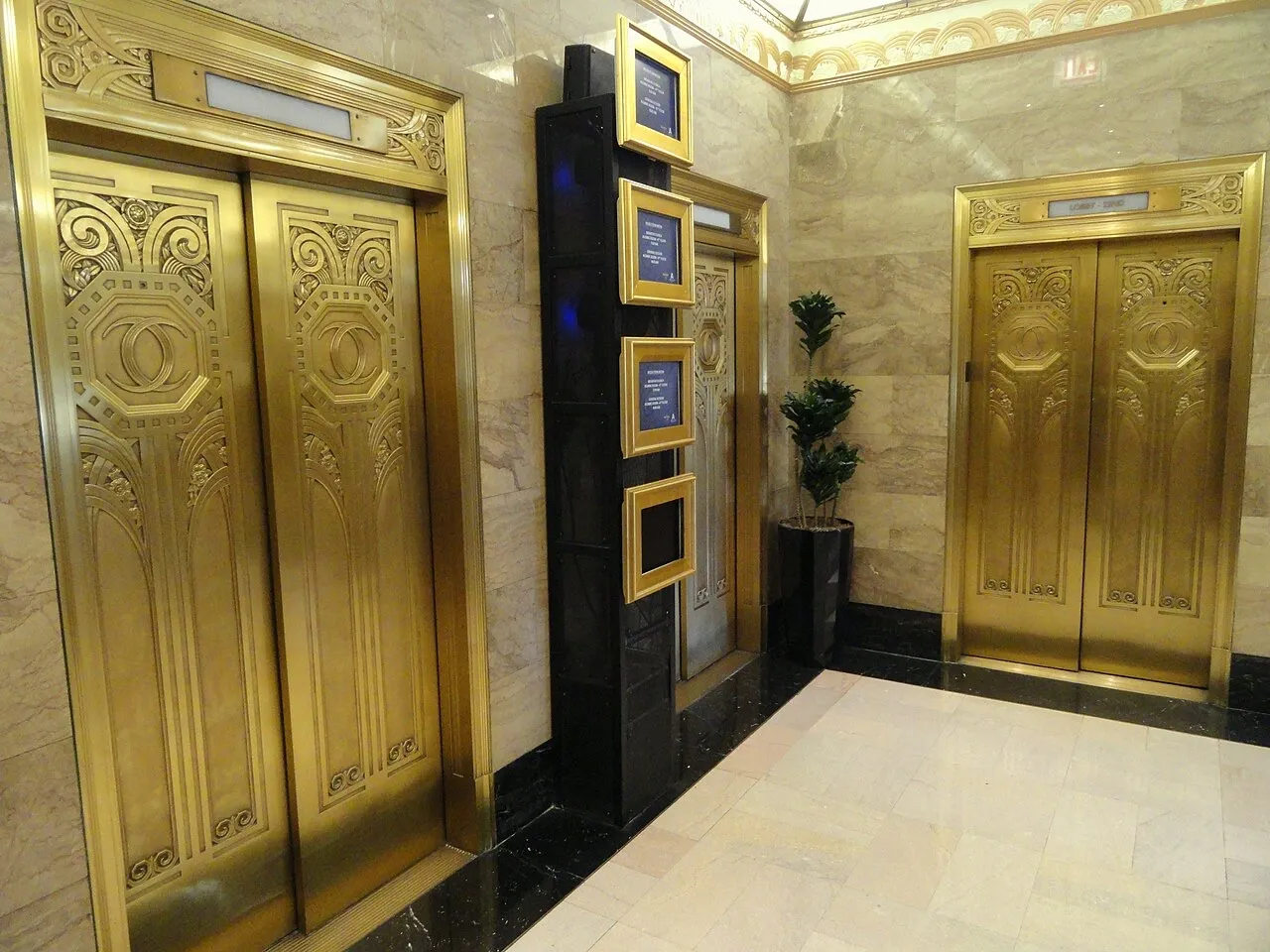
Art Deco has lived through several revivals: in the late 1960s, in the 1980s, after the film of The Great Gatsby in 2013, and again now. Interior designers explain it simply: the style combines luxury and order. Geometry soothes, brass and velvet create a feeling of celebration, and yet nothing looks chaotic. In an age of digital fatigue, people want materiality: texture, shine, the weight of objects. Besides, Art Deco works perfectly on camera: arches, mirrors and sunburst lamps look wonderful in photographs, and restaurants and hotels understand this well.

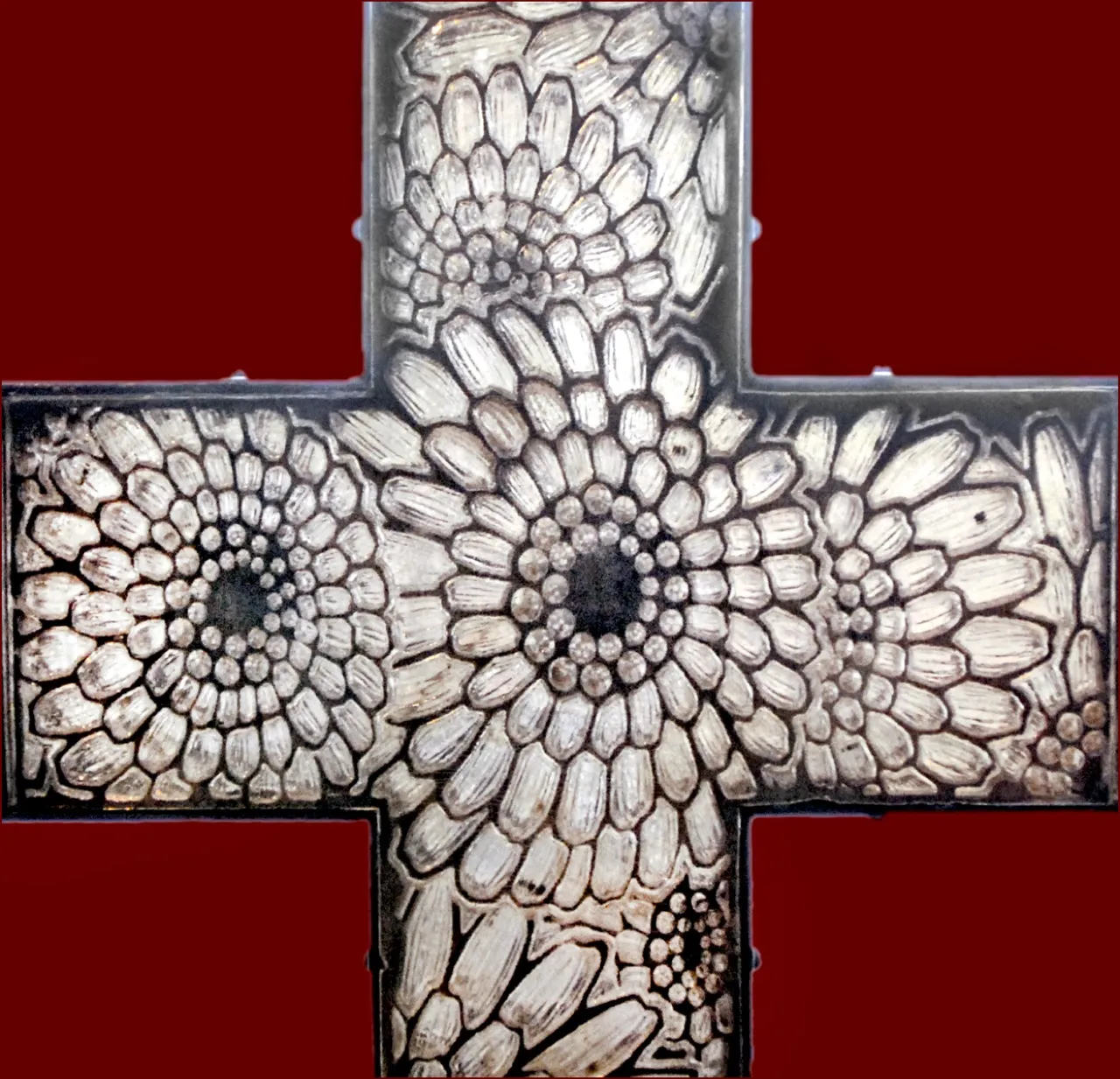
Art Deco all around us
The centenary of Art Deco is a good occasion to look at it not as a backdrop for a Gatsby-themed party but as a remarkably coherent project. The people of the 1920s believed the future would be fast, bright and beautiful, and wanted even a powder compact to express that belief. Their optimism crashed against the Great Depression and war, but the forms remained. When in 2026 we choose a lamp with brass rays or sit in a bar with mirrored walls, we share a little of that belief: that progress can be not only useful but also beautiful.