The Art of Doing Nothing
Digital detox, slow weekends, the “right to boredom”: we are learning to rest again. How the Victorians invented the holiday, the resort and the beach, and why leisure has always been a question of fashion and status.
We take holidays to switch off our phones, go to places with “no signal” and pay for retreats where nothing needs to be done. Rest has become an industry of its own, and the ability to rest almost a skill that can be taught. But the holiday as we know it is a fairly young invention. Two hundred years ago most people had neither free time nor money for travel, and the ones who “took their leisure” were mainly aristocrats moving from a town house to a country one. Railways, seaside resorts and laws on days off changed everything. The history of leisure is the story of how free time became a right, a fashion and, in the end, a commodity.
The Steam Train to the Sea
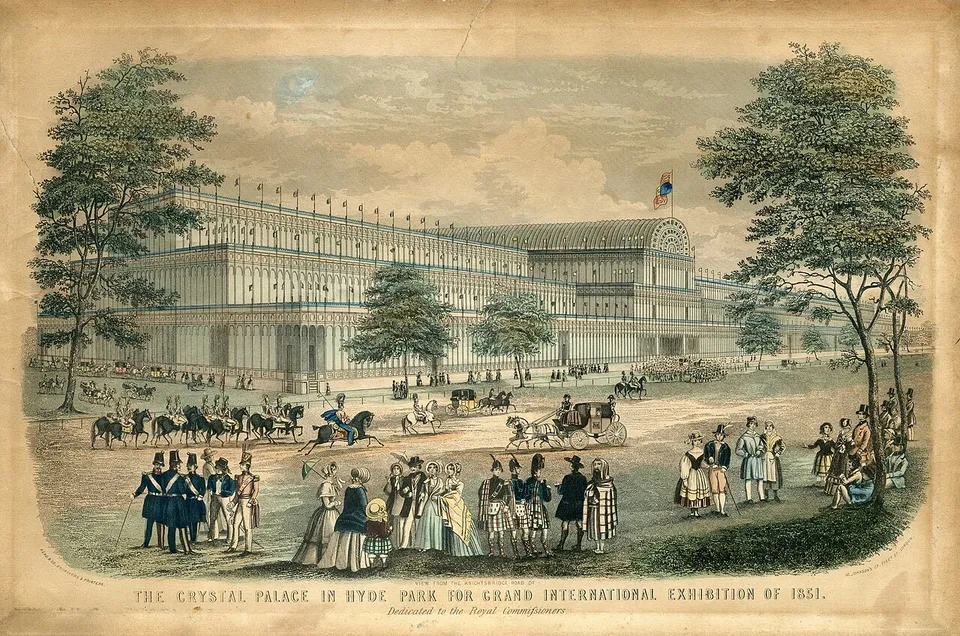
It all began with medicine. In the eighteenth century British doctors began recommending sea water and sea air as a cure, and aristocrats flocked to the coast. Brighton became fashionable after the future King George IV built his exotic Royal Pavilion there. But the real turning point came with the arrival of railways in the nineteenth century. A trip to the sea that once took days now took hours and was affordable. In 1841 Thomas Cook organised his first excursion by train and laid the foundation of organised tourism. Resorts grew at breakneck speed: piers, seafronts, hotels, promenades, bandstands.
The Victorian beach
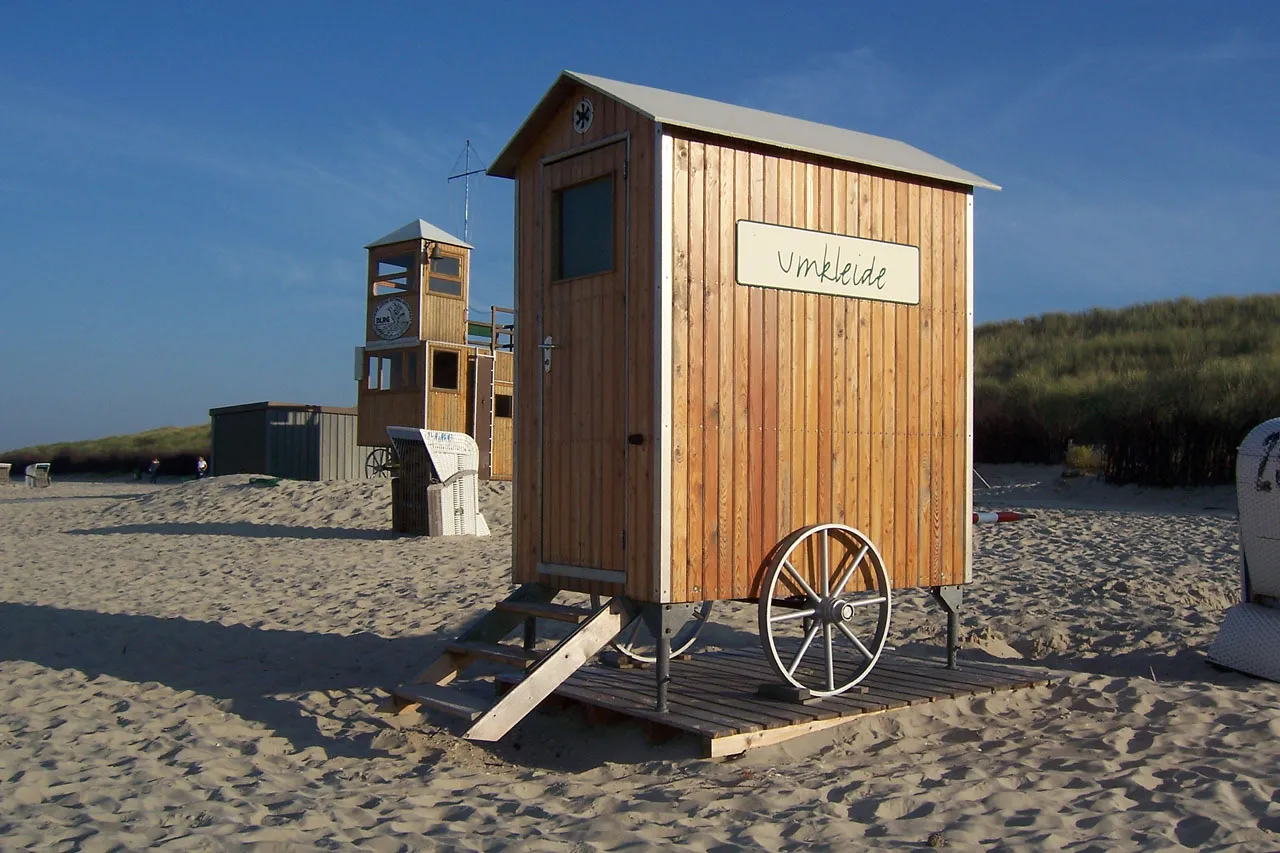
The Victorian beach was strictly regulated. Men and women bathed separately, and for modesty bathing machines on wheels were used: a lady changed inside, the cabin was rolled into the water and she descended into the sea almost unseen. Bathing costumes covered almost the whole body and were made of wool, which grew wet and heavy. The real entertainment at the resort was not so much bathing as strolling along the seafront: people watched and were watched. Resort fashion, with light dresses, straw hats and parasols, was as important as the rest itself. Leisure became a social stage at once.
How the Holiday Appeared
1841: Thomas Cook’s first organised excursion
1871: “bank holidays” introduced in Britain
1936: a French law on two weeks of paid holiday
Twentieth century: the holiday becomes a right of most working people
The Right to a Holiday
For working people, rest long remained a luxury. In 1871 Britain introduced “bank holidays,” official days off, and on those days trains to the sea were packed. In France in 1936 the Popular Front government passed a law on paid holidays, and thousands of workers saw the sea for the first time in their lives. Photographs from those years are touching: people in city clothes, with baskets of food, standing at the water’s edge. In Russia the idea of the resort is tied to Crimea and the Caucasus, and the expression “velvet season” came to mean the mild, warm autumn when well-off holidaymakers came south. Leisure was gradually turning from a privilege into a right.
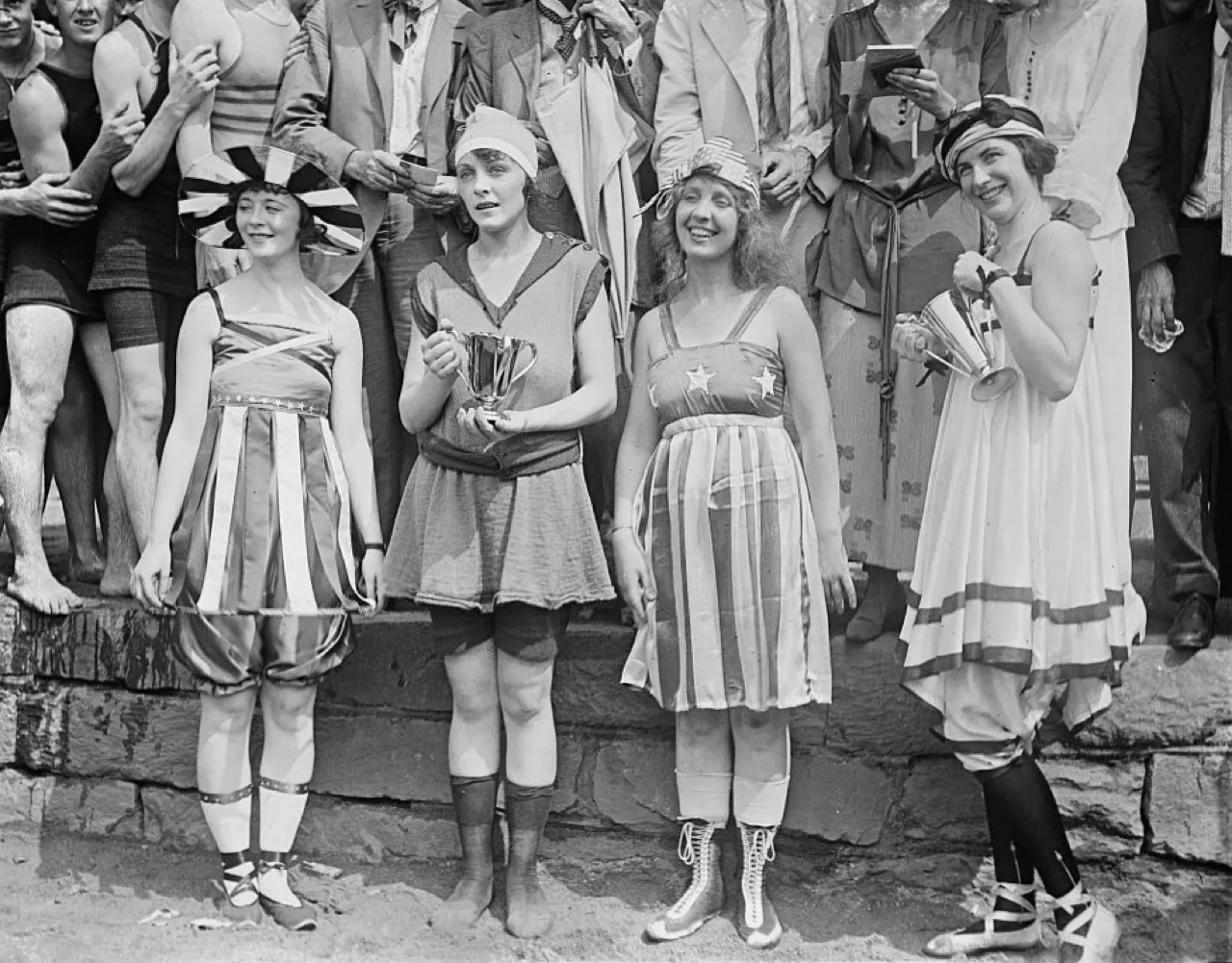
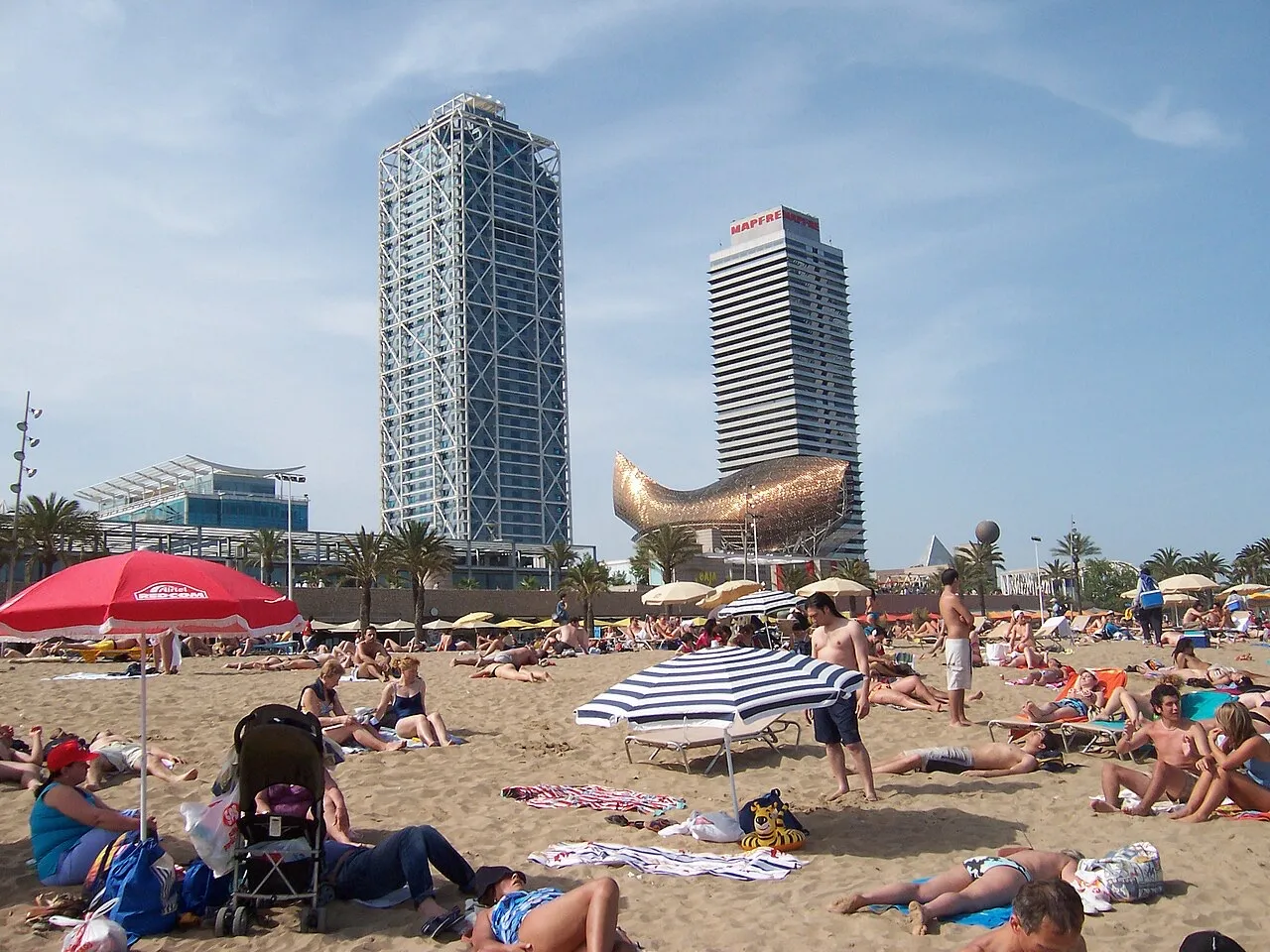
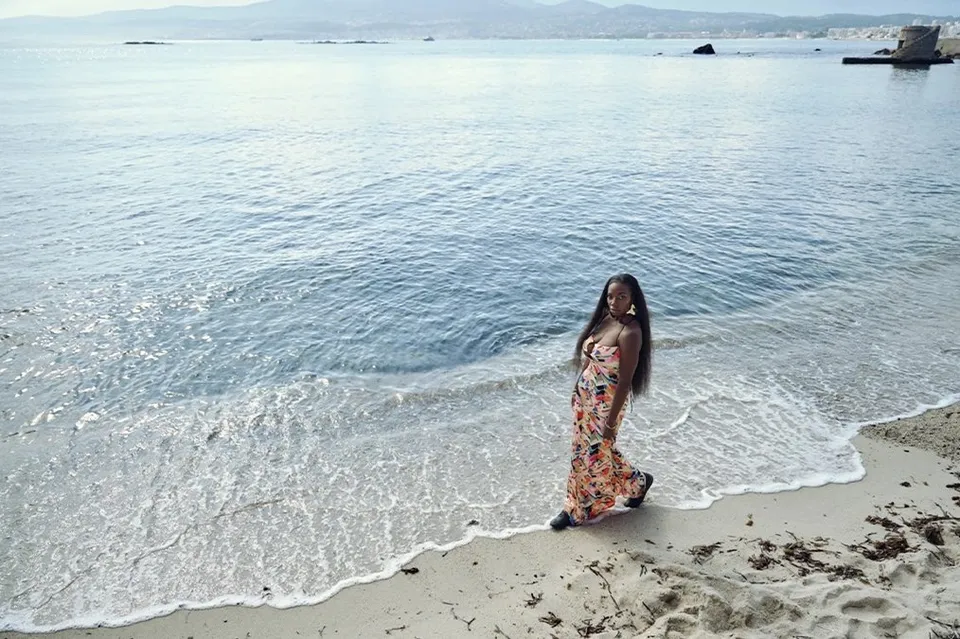
The twentieth century made leisure both mass and fashionable. Short swimsuits, suntans, sunglasses, the beach pyjamas of the 1930s, open-backed dresses: beachwear became an industry of its own. Mediterranean resorts, ski slopes, cruises and then charter flights made travel affordable for millions. But mass leisure acquired a flip side: crowded beaches, queues, pictures “like everyone else’s.” In time the mark of status became not just going on holiday but resting “properly”: in seclusion, slowly, in places the crowds cannot reach.
All the unhappiness of men arises from the single fact that they cannot sit quietly in their own room.
— Blaise Pascal, Pensées
The Luxury of Boredom
Today the most expensive rest is rest from information. People pay for houses with no internet, for silence, for days without notifications. Psychologists speak of the benefits of boredom: when the brain is not occupied, it begins to process experience and give birth to ideas. In essence we are rediscovering what the Victorians did on their promenades: walking slowly, looking at the sea and planning nothing. The difference is that they needed a train for it, and we need only a phone switched off. Leisure has become a question of status again, only now status is measured not by the distance to the resort but by the number of days when no one can reach you.
The history of leisure shows that free time has always been more than a pause between jobs. It is a space where society shows its values: who has the right to rest, how to do it decently, what counts as fashionable. The bathing machine on wheels and the retreat without internet are two sides of the same coin. Both are about the fact that rest is not only about recovering but also about how we want to look in the eyes of others and in our own. Perhaps the best holiday in 2026 is one you do not need to tell anyone about.