The House of the Future That Never Arrived
Smart speakers, robot vacuum cleaners and AI assistants: is this the house of the future? Twentieth-century architects imagined it quite differently: round, made of plastic, assembled in a factory and almost without a kitchen.
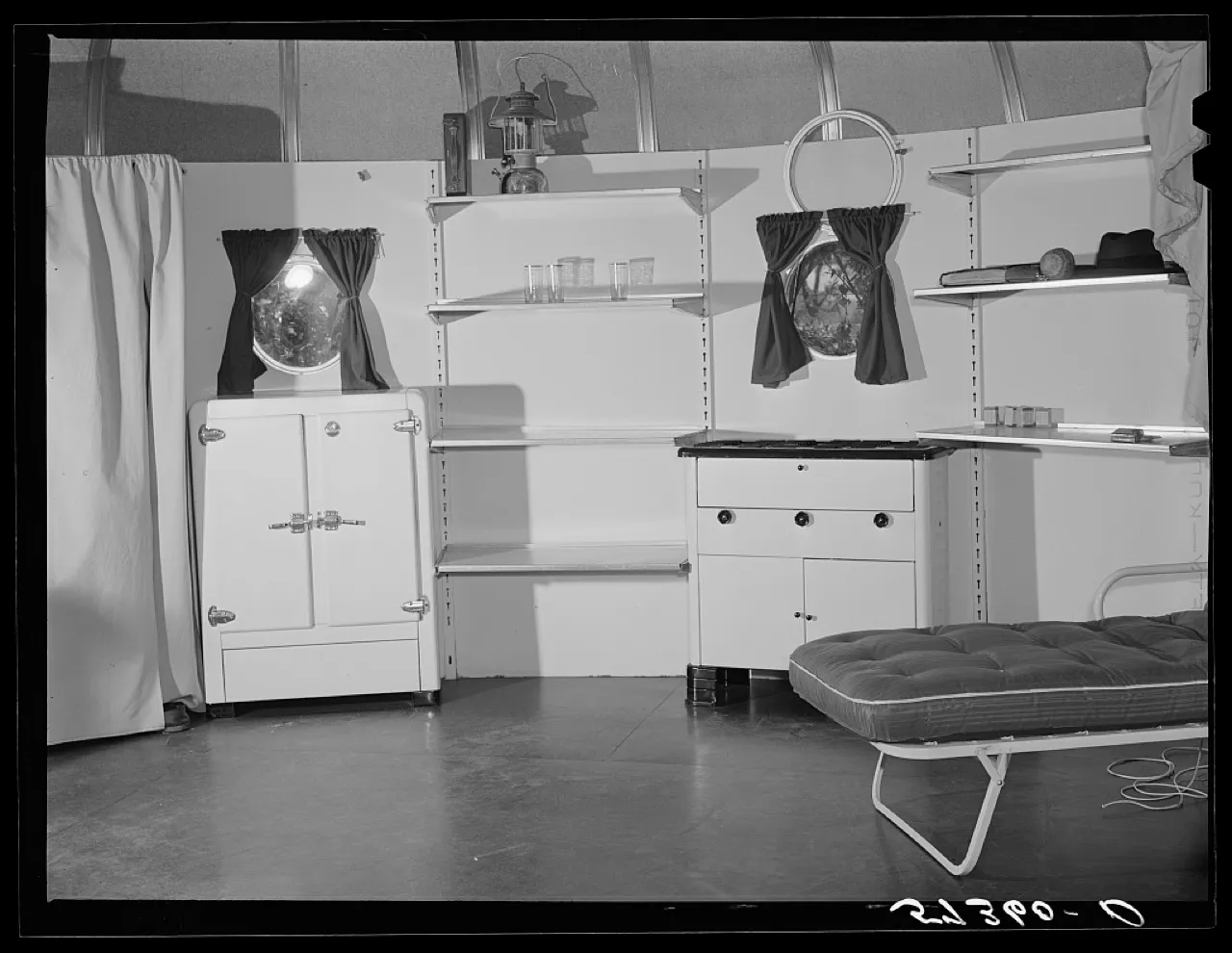
We live in flats where the light comes on by voice, the vacuum cleaner drives itself and the fridge can order milk. It seems the future has already arrived. But open the design magazines of the mid-twentieth century and it turns out that the “house of the future” was imagined quite differently. It was to be round or capsule-shaped, assembled in a factory like a car, delivered by air, turn towards the sun and free people from all domestic chores. Almost none of this happened. Yet the failed projects held many ideas that returned to our homes unnoticed. The history of houses of the future is the story of how we dream of comfort and what we finally choose.
The Frankfurt Kitchen
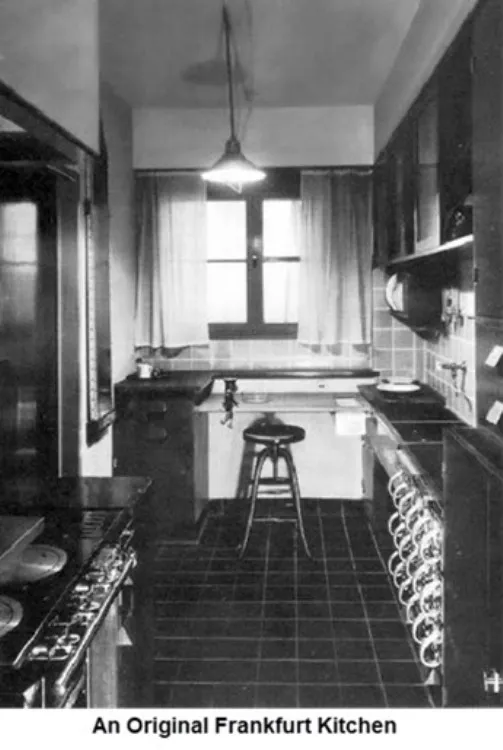
One of the most influential “houses of the future” was not a villa but a kitchen. In 1926 the Austrian architect Margarete Schütte-Lihotzky designed a compact kitchen for social housing in Frankfurt. She studied the housewife’s movements as engineers studied a factory worker’s, and arranged everything to cut unnecessary steps: built-in cupboards, pull-out drawers for grains, a fold-down ironing board, a work surface by the window. Thousands of such kitchens were installed. In effect it is the prototype of almost any modern fitted kitchen. The future came not as a flying house but as a well-thought-out metre of worktop.
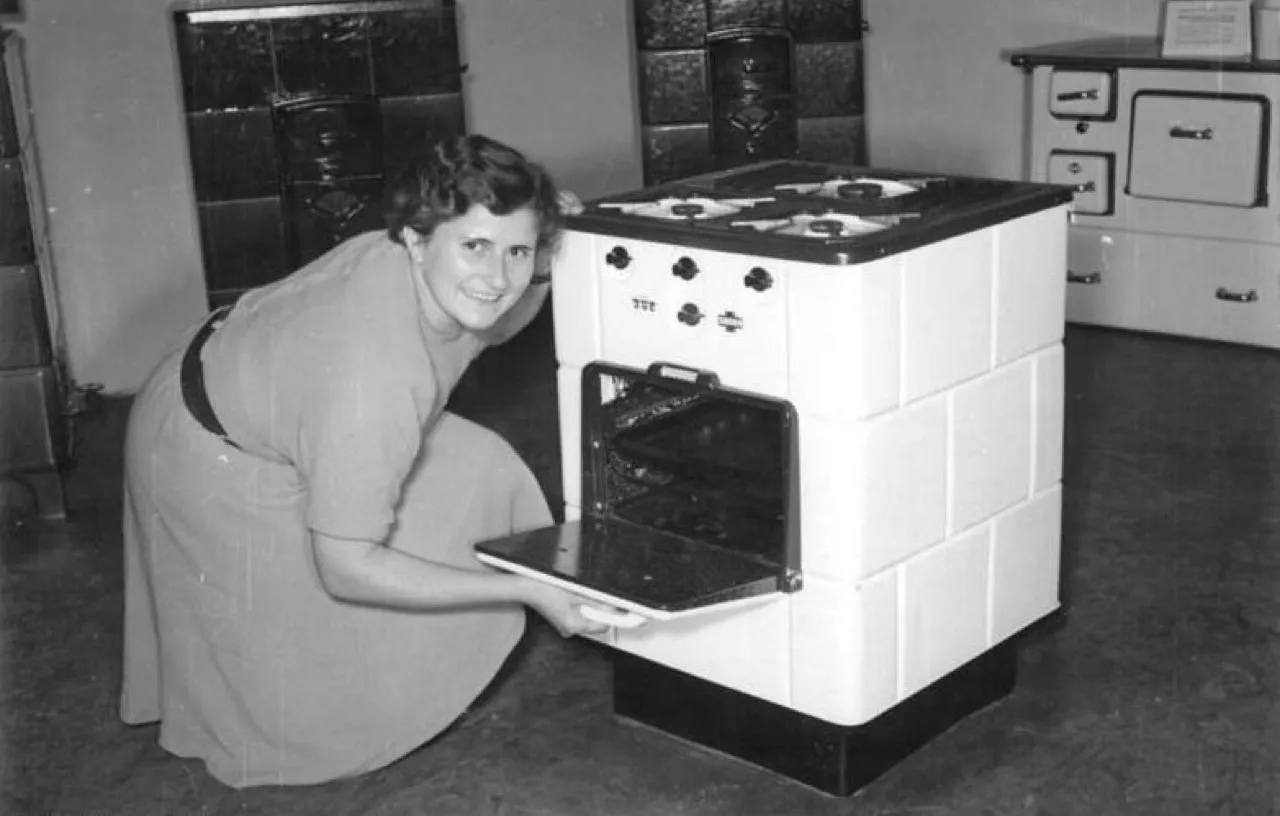
The kitchen as machine
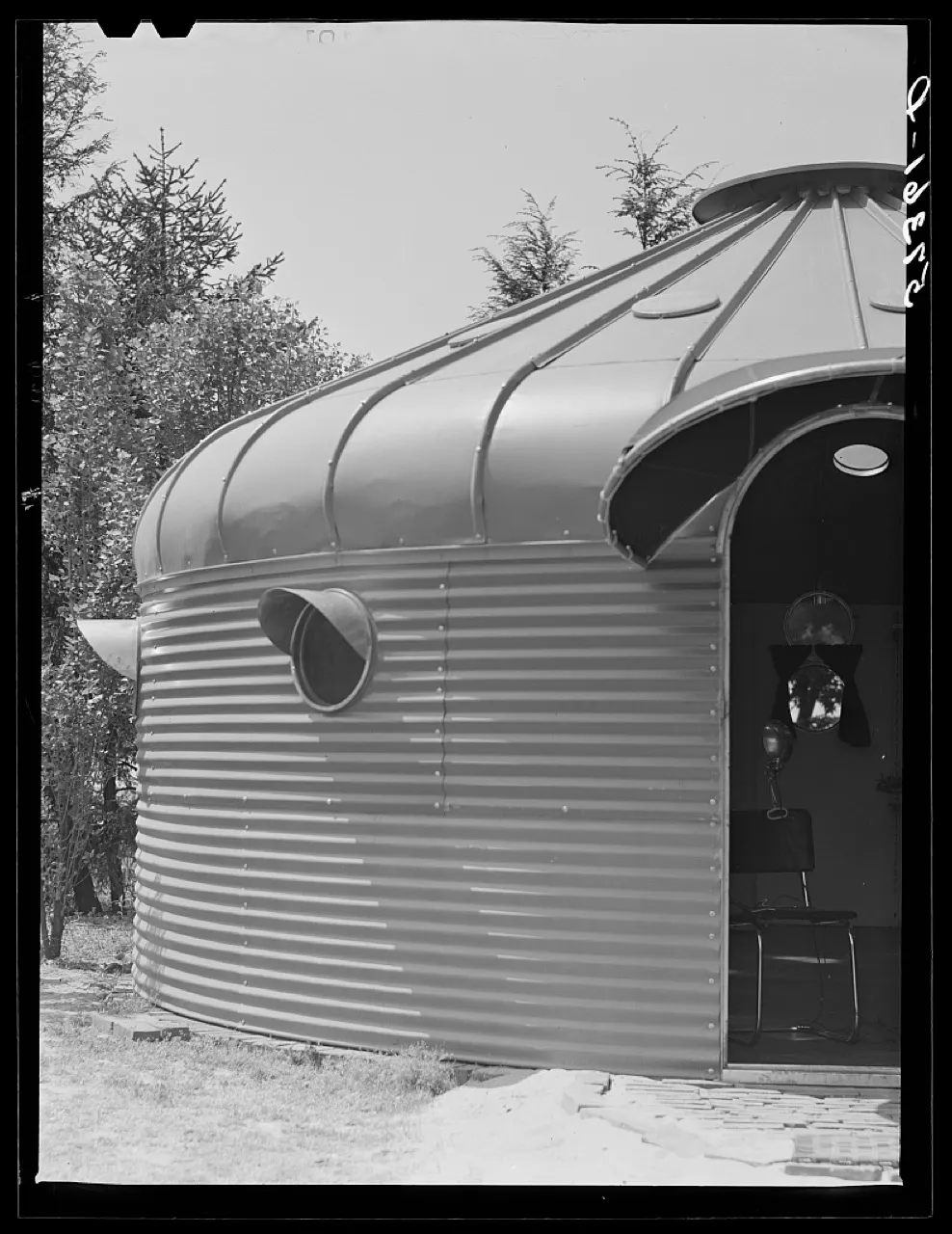
The American inventor Buckminster Fuller thought on a bigger scale. In the late 1920s he devised the Dymaxion House, a hexagonal and later round dwelling suspended from a central mast. The house was to be assembled from light metal parts in a factory and delivered to any point in the world. After the Second World War, when the American aviation industry needed new orders, Fuller built a prototype out of aluminium. The house was light, inexpensive and well thought out but never went into production: money, investors and, above all, people’s habits stood in the way. A surviving example can be seen today at the Henry Ford Museum.
Twentieth-Century Houses of the Future
1926: the Frankfurt Kitchen, Margarete Schütte-Lihotzky
Late 1920s: the Dymaxion House, Buckminster Fuller
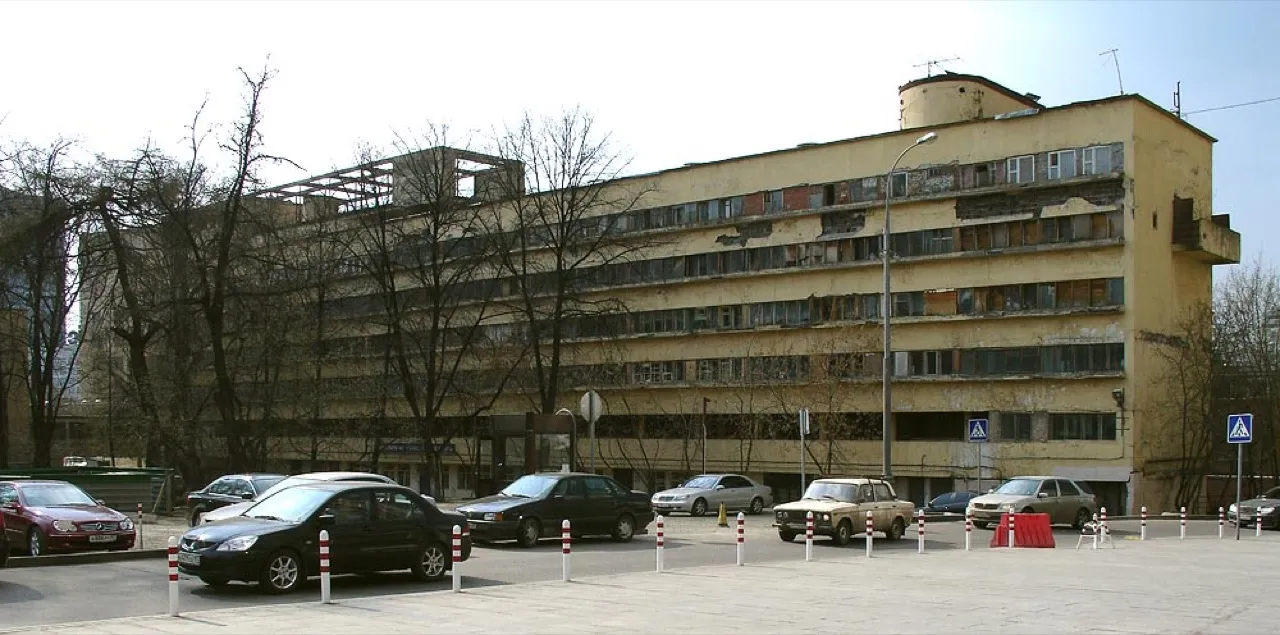
1930: the Narkomfin Building in Moscow, architects Ginzburg and Milinis
1957: Monsanto’s plastic “House of the Future” at Disneyland
The Communal House
In the Soviet Union people dreamed of the future in their own way. In 1928–1930 the Narkomfin Building was built in Moscow to a design by Moisei Ginzburg and Ignaty Milinis, an experimental “transitional-type house.” It had compact cell-like flats, shared spaces, a canteen, a library and a laundry. The idea was to free people, above all women, from housework: cooking and washing were to be done collectively. The building became an icon of Constructivism, studied by architects around the world. The experiment in communal living did not take root, and the building decayed for many years, but it has recently been restored and today can again be seen almost as it was conceived.
In 1957 the chemical company Monsanto’s “House of the Future” opened at Disneyland in California: a futuristic plastic dwelling, cross-shaped in plan and raised above the ground. Inside were built-in technologies, a microwave oven, speakerphones and furniture of synthetics. Millions of visitors went through the house in its ten years of operation. When it was decided to demolish it, the structure turned out to be stronger than expected: by the popular story, the wrecking ball literally bounced off the walls, and the house had to be taken apart piece by piece. The plastic future proved surprisingly durable, although no one ever actually lived in it that way.
The house of the future never arrives all at once; it seeps into our lives piece by piece: first the kitchen, then the socket, then the voice assistant.
What We Actually Chose
Today’s “smart home” bears little resemblance to the architects’ dreams. We live in ordinary walls, but have added sensors, speakers, robot vacuum cleaners and apps. The future came not through the form of the building but through devices and software. At the same time many old ideas are returning: modular construction, factory-built houses, co-living with shared kitchens and laundries, saving every metre. Architects are talking again about housing that can be quickly assembled and moved, only now because of ecology and prices, not out of faith in progress. Fuller and the creators of Narkomfin would be surprised how modern their projects sound.
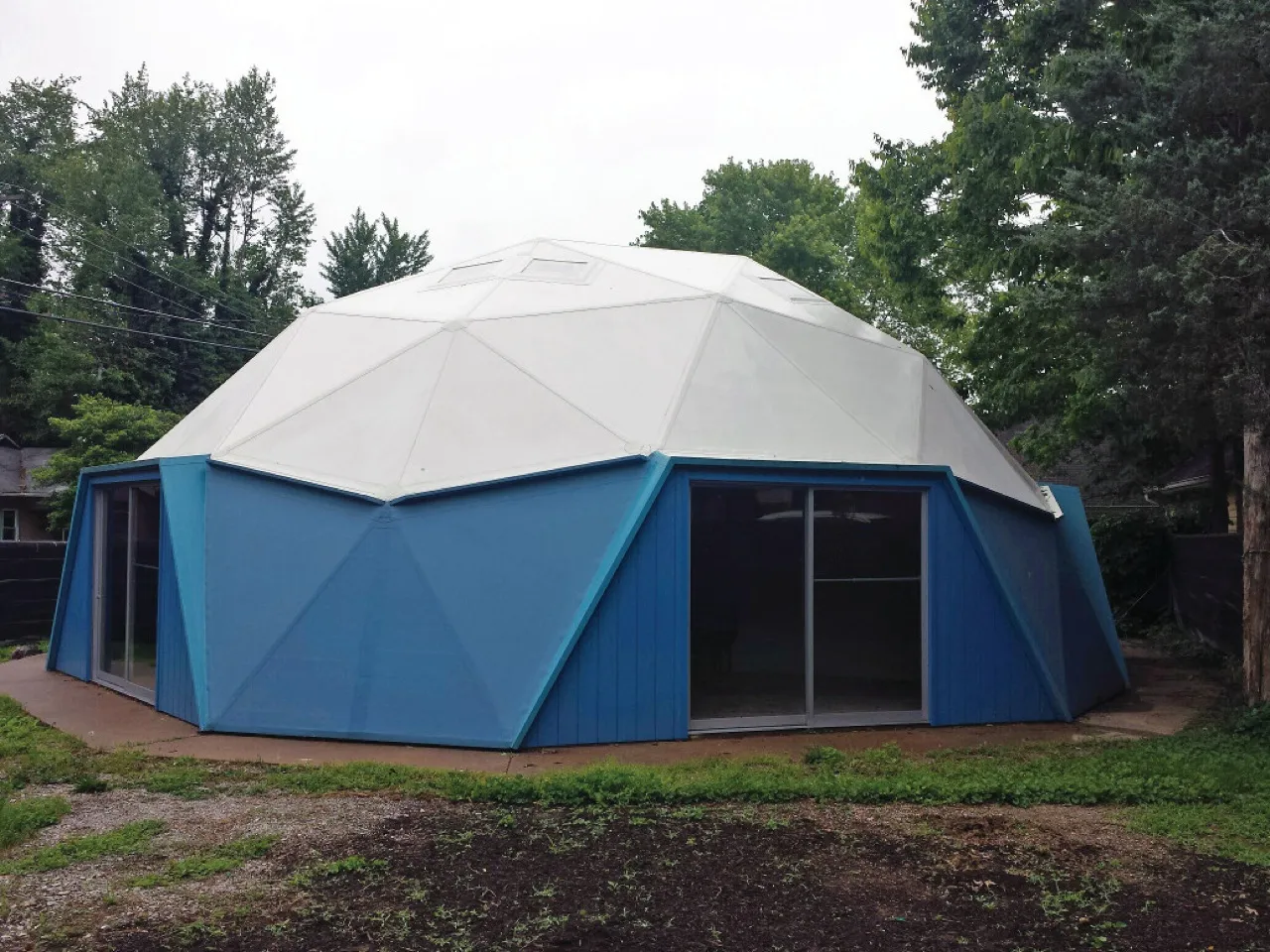
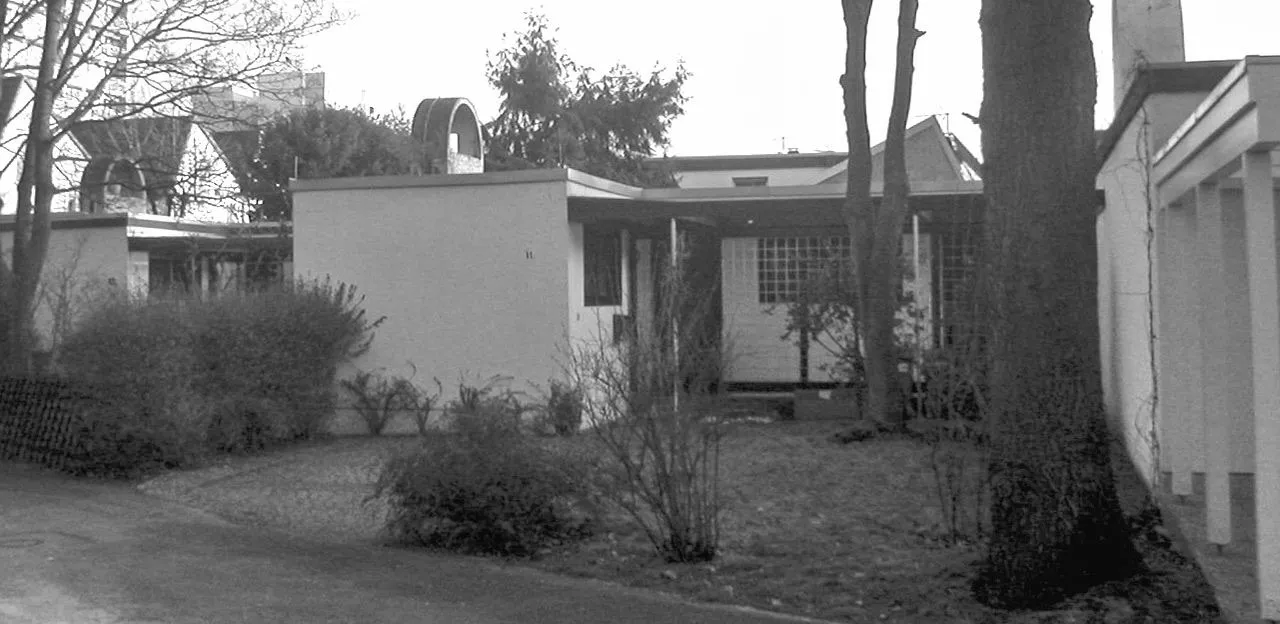
Dreams of future housing
Why did the house of the future never arrive? Because a house is not only technology but also habits, money, and ideas about family and private life. People are ready to change their phone every two years, but change their homes reluctantly. That is why the future comes into our homes not as a revolution but gradually, through details that seem obvious: a fitted kitchen, a washing machine, a voice command. It is useful to recall the bold projects of the past: they remind us that a house can be arranged differently. And perhaps one of these forgotten ideas will be architecture’s main news within the next decade.