The First Social Network
More than a hundred years ago people sent hundreds of millions of postcards a year, collected them and argued about propriety. How the postcard became the news feed of its age, and why people are writing them again.
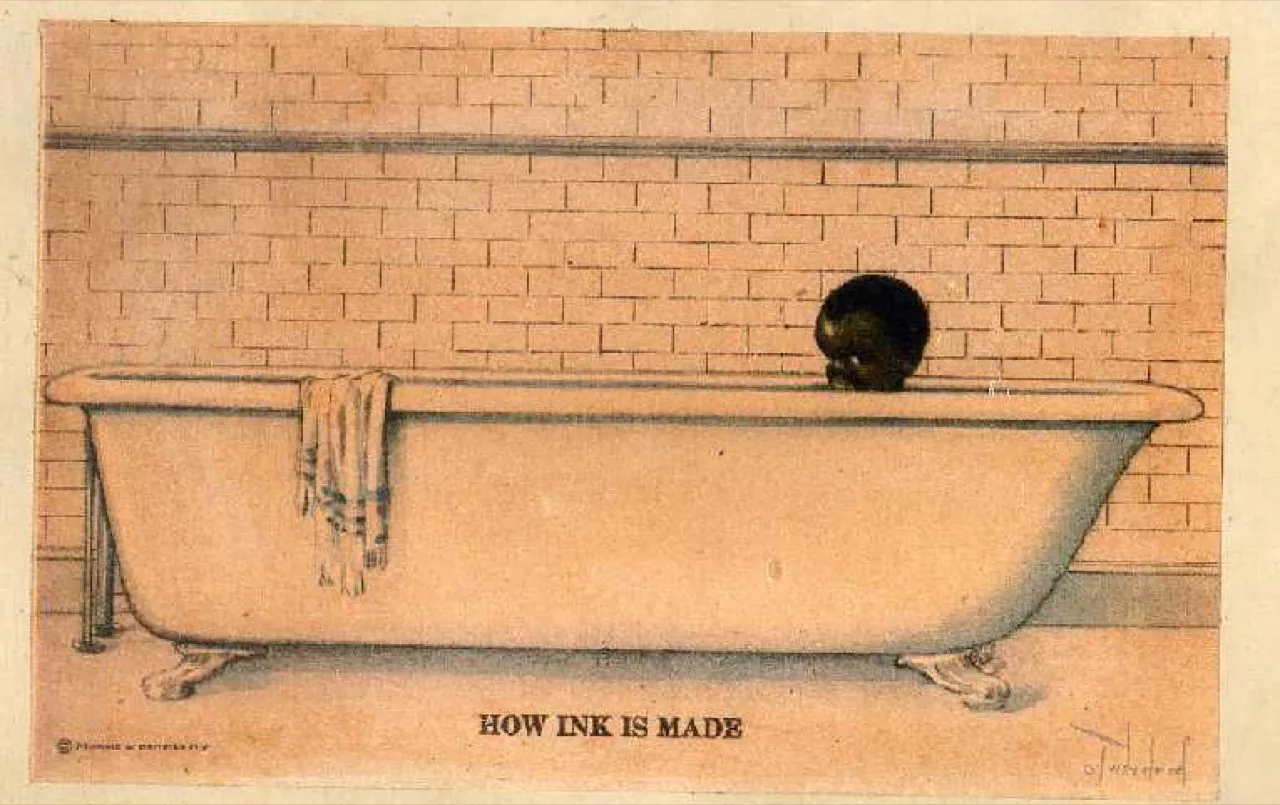
It seems that the urge to share short messages with a picture arrived together with the smartphone. But social networks had a surprisingly similar ancestor: the postcard. In the early twentieth century people sent postcards by the million: views of cities, fashionable ladies, comic scenes, greetings and simple “arrived safely, all well.” Postcards were collected in albums, swapped the way people swap follows today, and people debated whether it was proper to write something personal on a card the postman could read. In an age when young people are returning to film cameras and paper letters, the history of the postcard sounds surprisingly modern.
A Letter Anyone Can Read
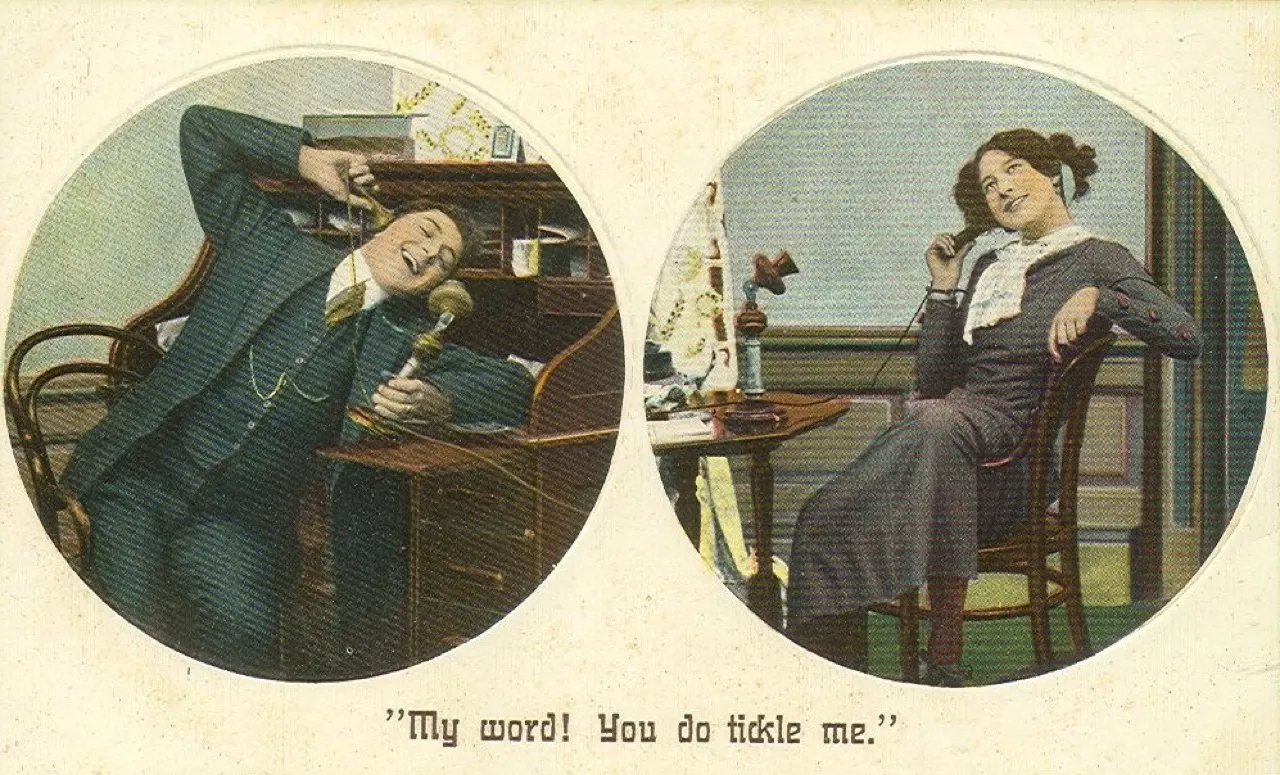
The first official postcards were issued by Austria-Hungary in 1869. The idea was simple: a short message without an envelope at a reduced rate. Many doubted it: would anyone really want their words to be seen by everyone? But the cards were instantly popular, and millions were sold in the first months. Other countries followed Austria-Hungary, including Russia, where “open letters” appeared in the 1870s. At first the card had room only for an address and text, with no pictures. But publishers soon grasped the main thing: people want not only to write but to show: the city they visited, a fashionable outfit, a funny scene.
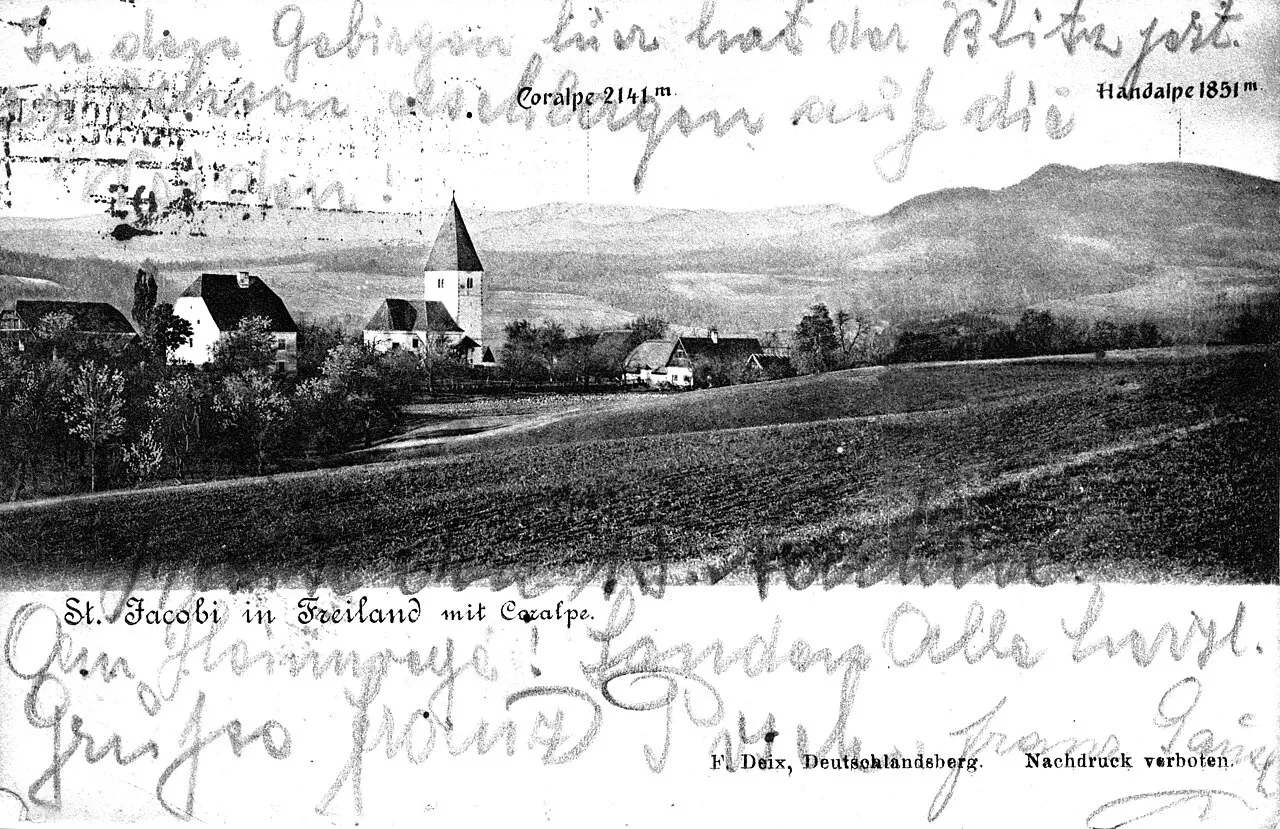
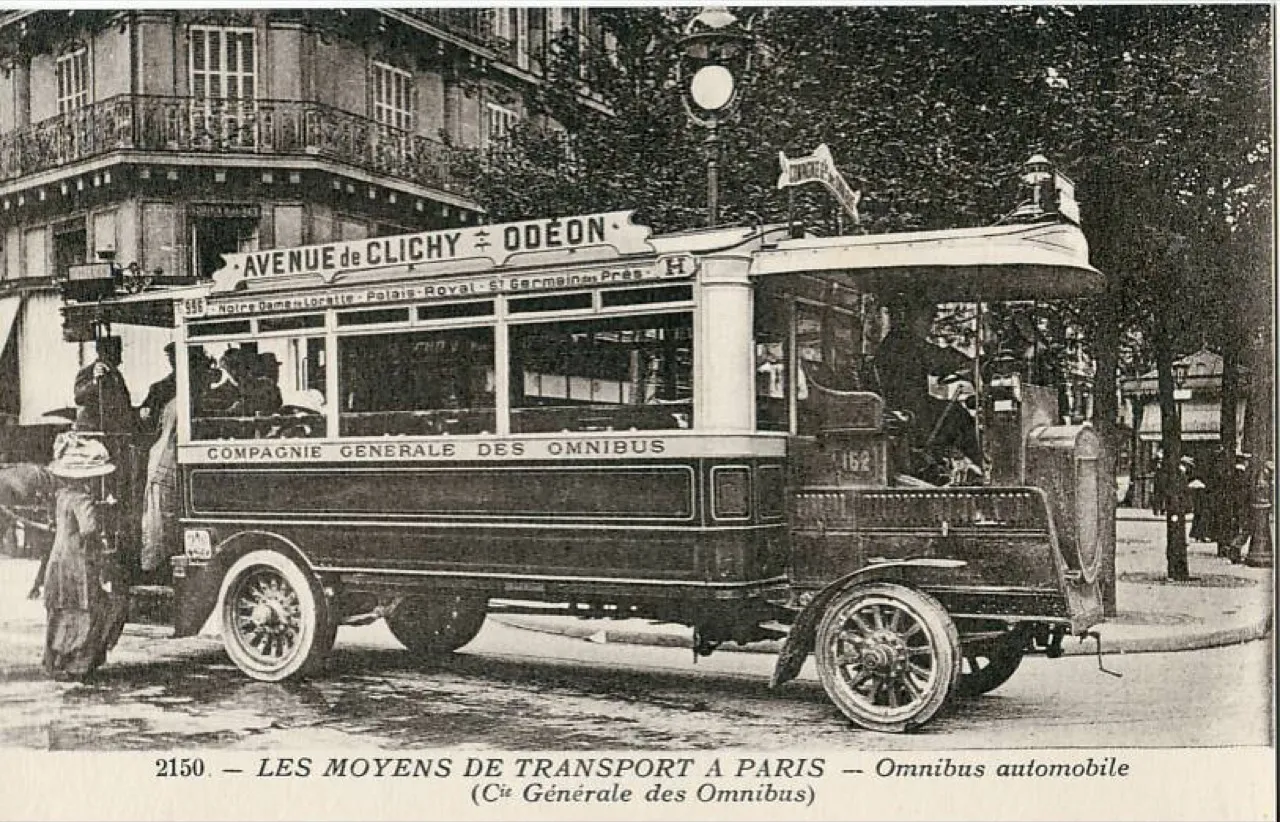
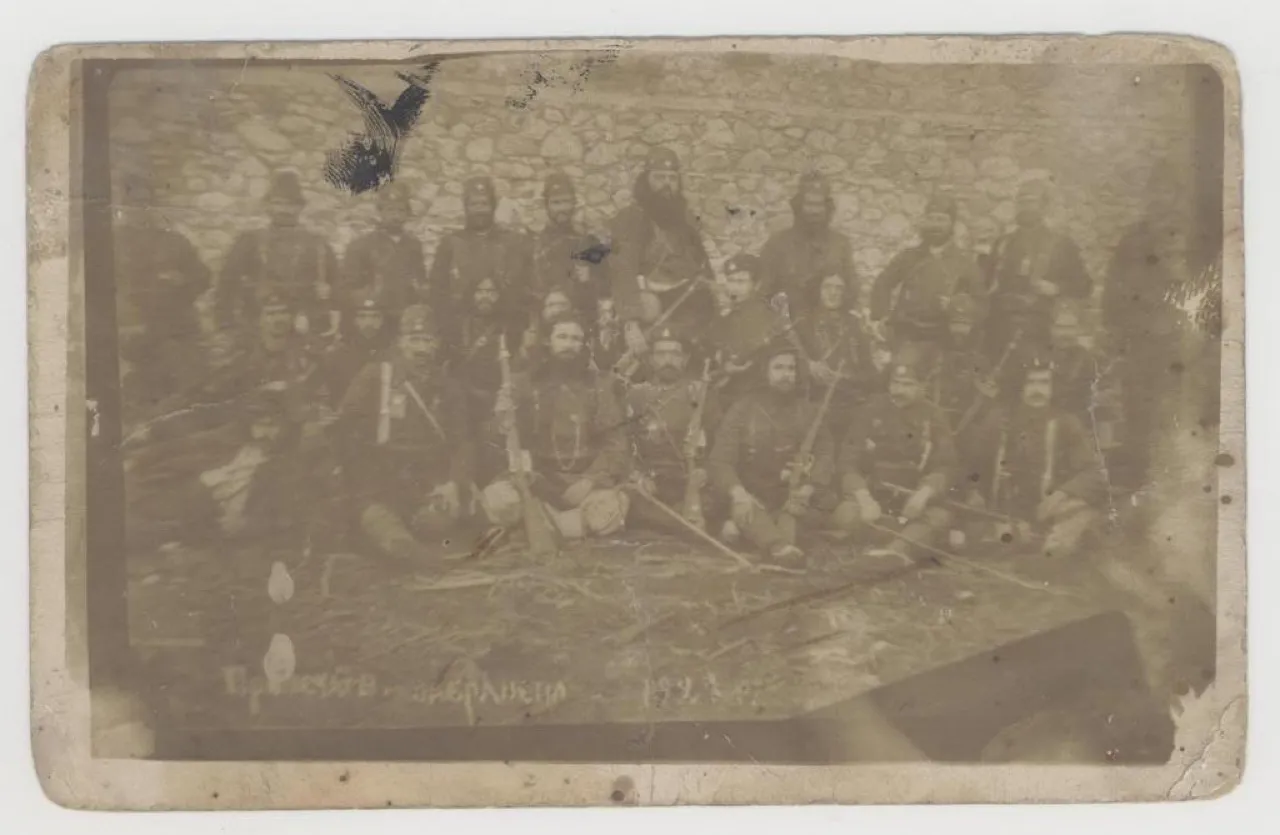
The evolution of the postcard
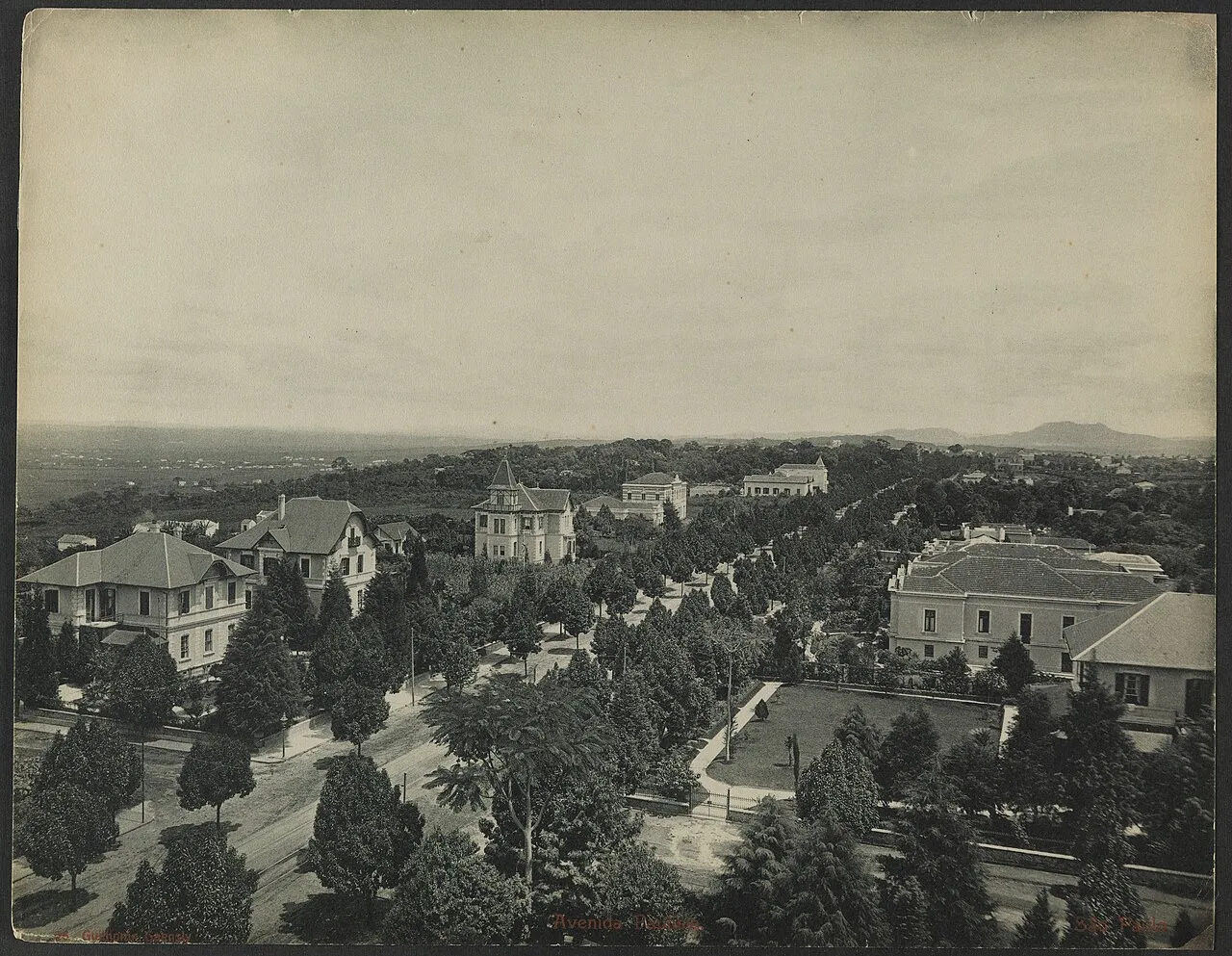
The real boom began around 1900 and continued roughly until the First World War, a period collectors call the golden age of the postcard. Printing became cheap, photography widespread, the post fast. In big cities mail was delivered several times a day, so a postcard could be sent in the morning and an answer received by evening. People made appointments, passed on news and declarations of love by postcard, almost like a messenger app. Photographic postcards appeared: any photographer could print a card with a client’s portrait or a view of a street. Such “real-photo postcards” are today a most valuable source on the everyday life of the time.
The Postcard in Dates
1869: the first postcards, Austria-Hungary
1870s: “open letters” appear in Russia
1900–1914: the golden age of the illustrated postcard
2005: Postcrossing appears, an exchange of postcards between strangers
Albums, Likes and Fashion
Postcards were collected with such passion that a separate word was coined for the hobby: deltiology. Albums lay in drawing rooms, with cards from friends and relatives pasted in, and guests leafed through them as we scroll through someone else’s profile today. There were exchange clubs, magazines for collectors and even postcards made specially for swapping. Fashion houses and shops quickly understood the power of the new medium: advertising postcards appeared, cards with actresses and beauties, series with the season’s fashionable silhouettes. The postcard became the first mass channel through which fashion reached every home.
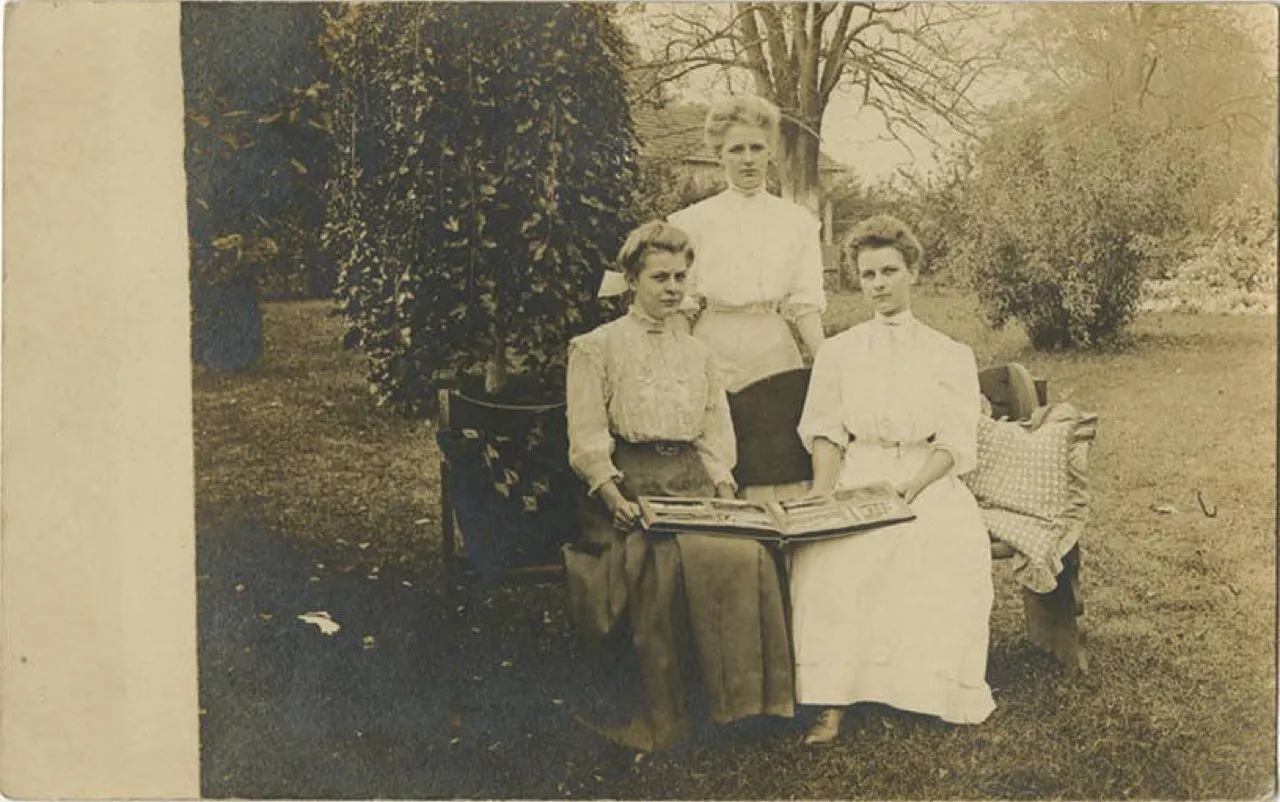
From the start the postcard provoked a moral panic similar to today’s arguments about social media. Critics complained that people had stopped writing long letters, that language was becoming shallow, that young people exchanged jokes in dubious taste. Humorous and romantic postcards formed a genre of their own that some thought vulgar. Postmen and neighbours could read any message, and that too was debated. It sounds familiar: every new way of communicating first looks like a threat to culture and then becomes part of it, and a subject of nostalgia.
The postcard taught us the main gesture of social networks: show the world a picture and add a few words to it.
Why People Write Postcards Again
Today the paper postcard is making a quiet comeback. The Postcrossing project, launched in 2005, has united people who send postcards to strangers around the world, and millions of cards have already crossed borders. Museums and bookshops sell postcards as small works of art, designers bring out their own series, and young people send them to friends as a slow, “real” gesture. A postcard takes several days, cannot be deleted or edited, and can be put on a shelf. In a world of instant messages, it is precisely this slowness that has become the value.
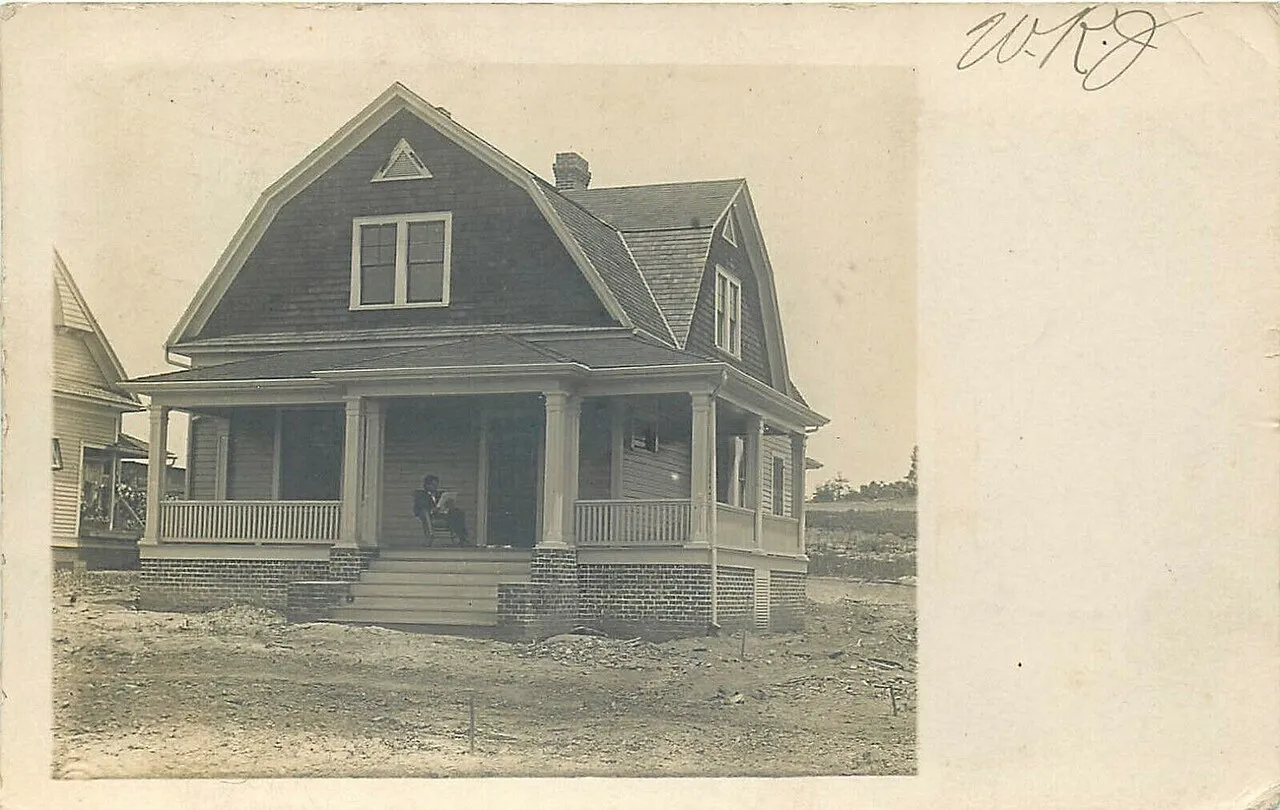
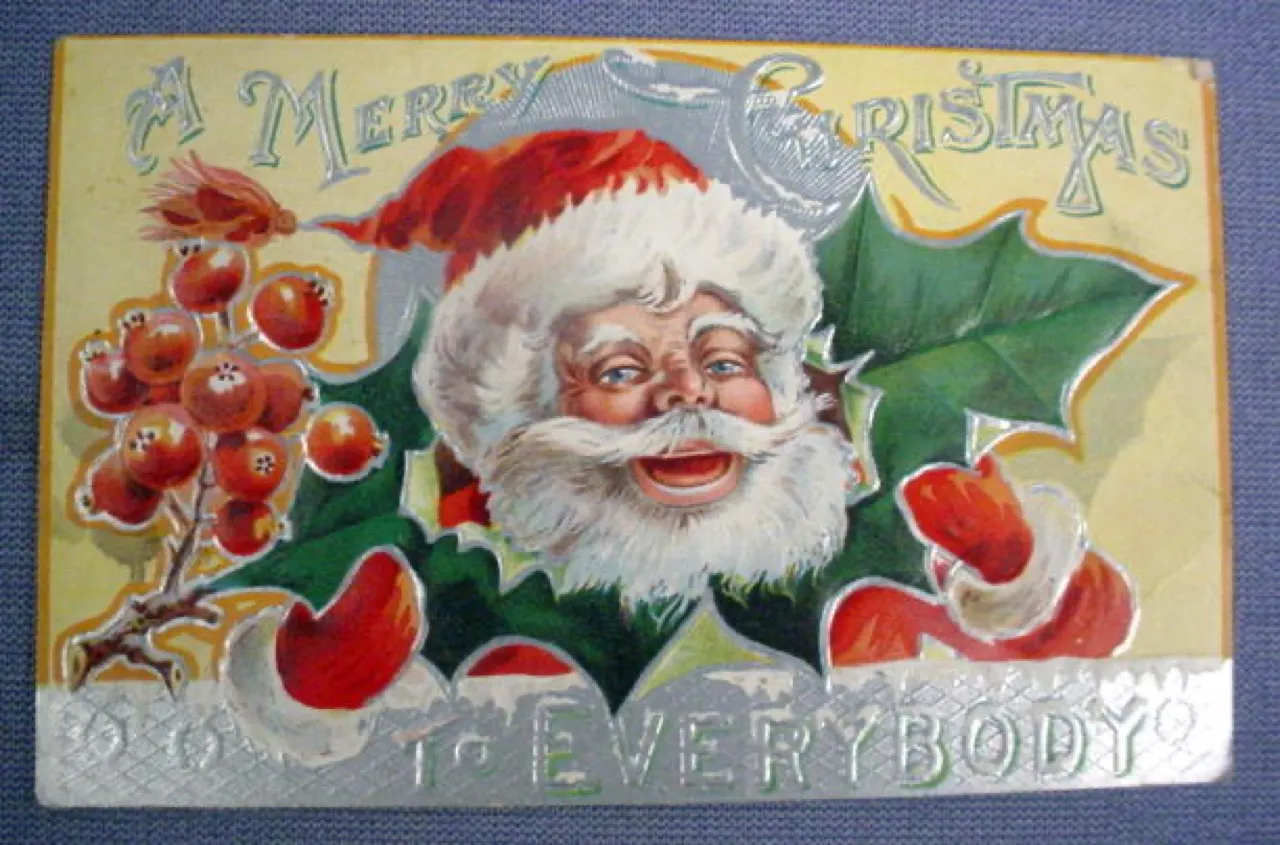
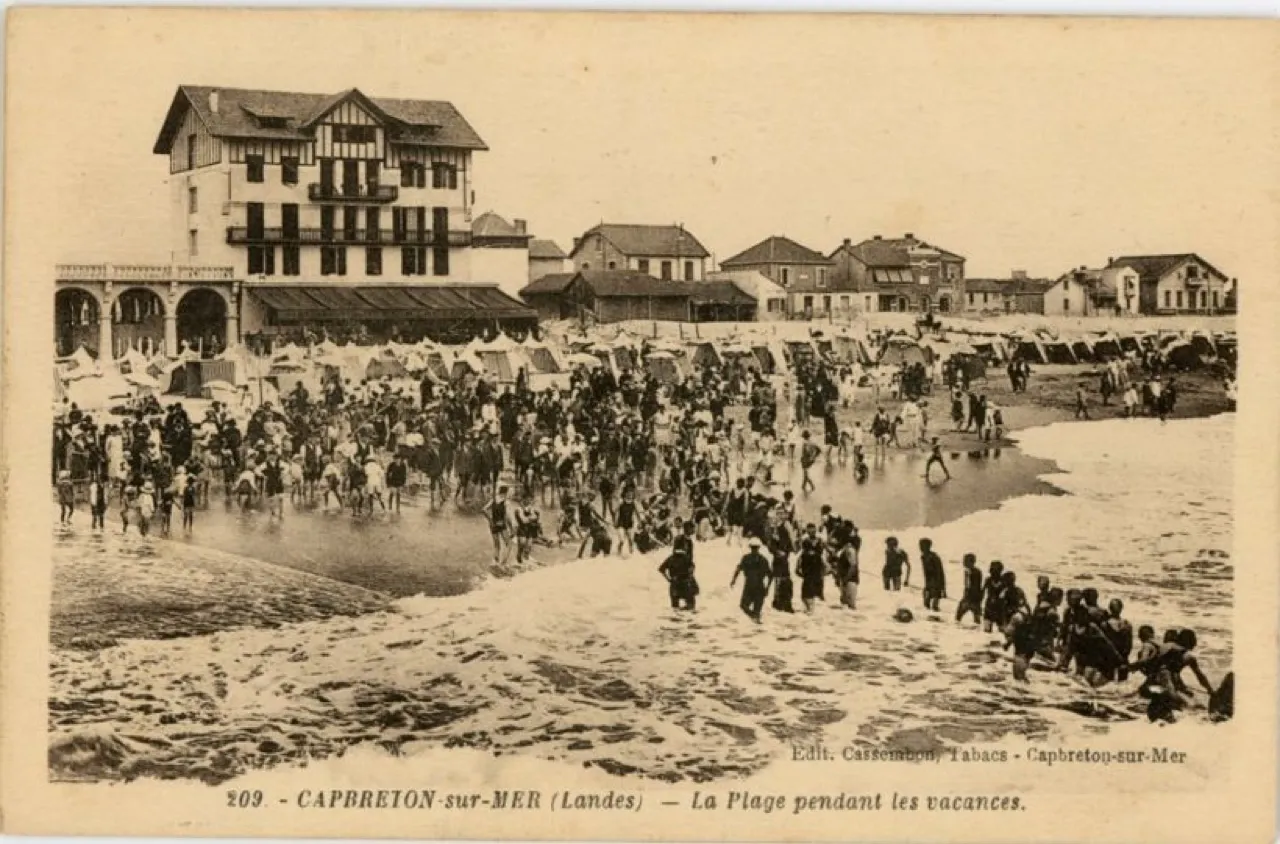
Postcards from the archives
If you go into the digitised archives of libraries and museums, you can drown in century-old postcards: views of streets that no longer exist, fashionable women in enormous hats, brief notes on the back: “missing you,” “the weather is wonderful,” “wait for me on Thursday.” There is more life in these lines than in many history textbooks. The postcard is a reminder that people have always wanted the same thing: to stay in touch and to share what they see. The tools change, but the gesture stays the same. Perhaps this week is the time to send someone a postcard, just to see how it feels.