The Botany of Passion
We fill our flats with monsteras, buy rare plants for large sums and call ourselves “plant parents.” It has all happened before: tulip mania, the fern craze and the hunt for orchids.
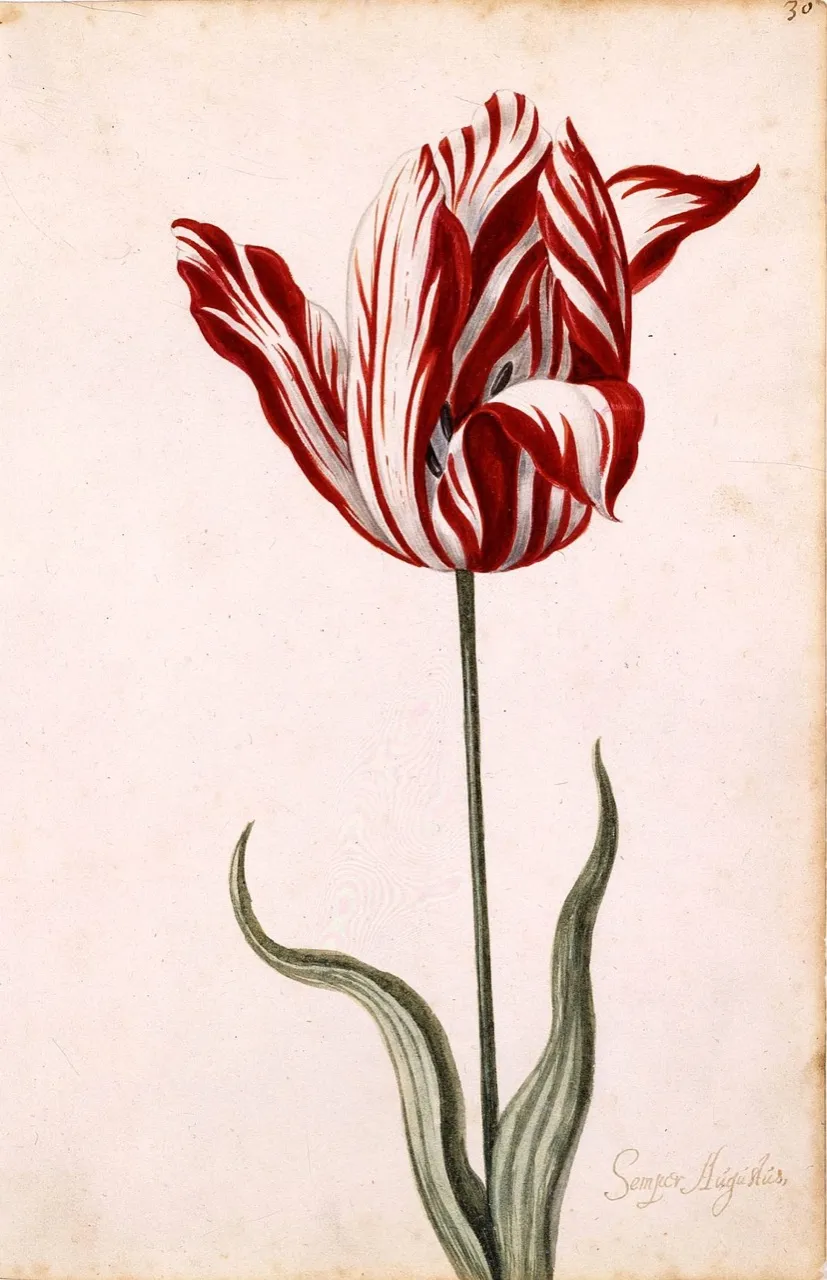
In recent years houseplants have become a real trend: people collect rare varieties, swap cuttings, share photographs of new leaves, and pay for some specimens sums comparable to the price of a smartphone. Designers speak of “biophilic” interiors, spaces where nature becomes part of the home. It seems like a new fashion of a generation raised in cities. But history knows several plant crazes that make ours look modest. Tulips traded for houses, ferns for whose sake forests were stripped, and orchids that hunters travelled to the ends of the earth to find. The history of botanical passions is a story about beauty, status and money.
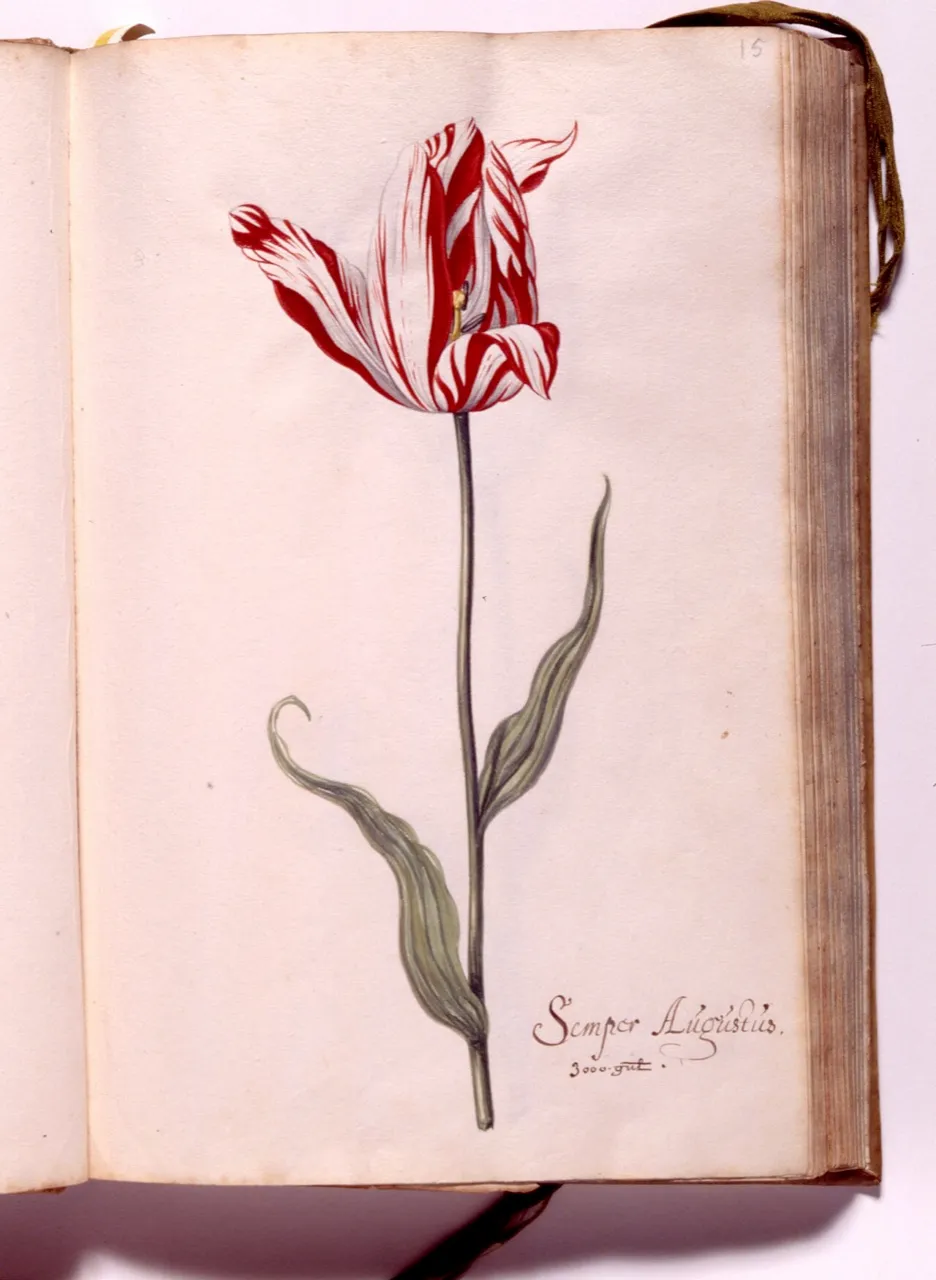
Tulip Mania
The most famous plant craze happened in Holland in the 1630s. Tulips reached Europe from the Ottoman Empire in the sixteenth century and quickly became a symbol of luxury. “Broken” varieties with patterns on the petals were especially prized; it was later discovered that the pattern was caused by a virus that weakened the bulb. Such bulbs cost fabulous sums, were sold by list and resold before they were even dug out of the ground. In the winter of 1636–1637 prices soared, and in February 1637 the market collapsed. For a long time the story was told as an example of mass madness, but modern historians believe the scale of the crash was greatly exaggerated by the moralists of the day.
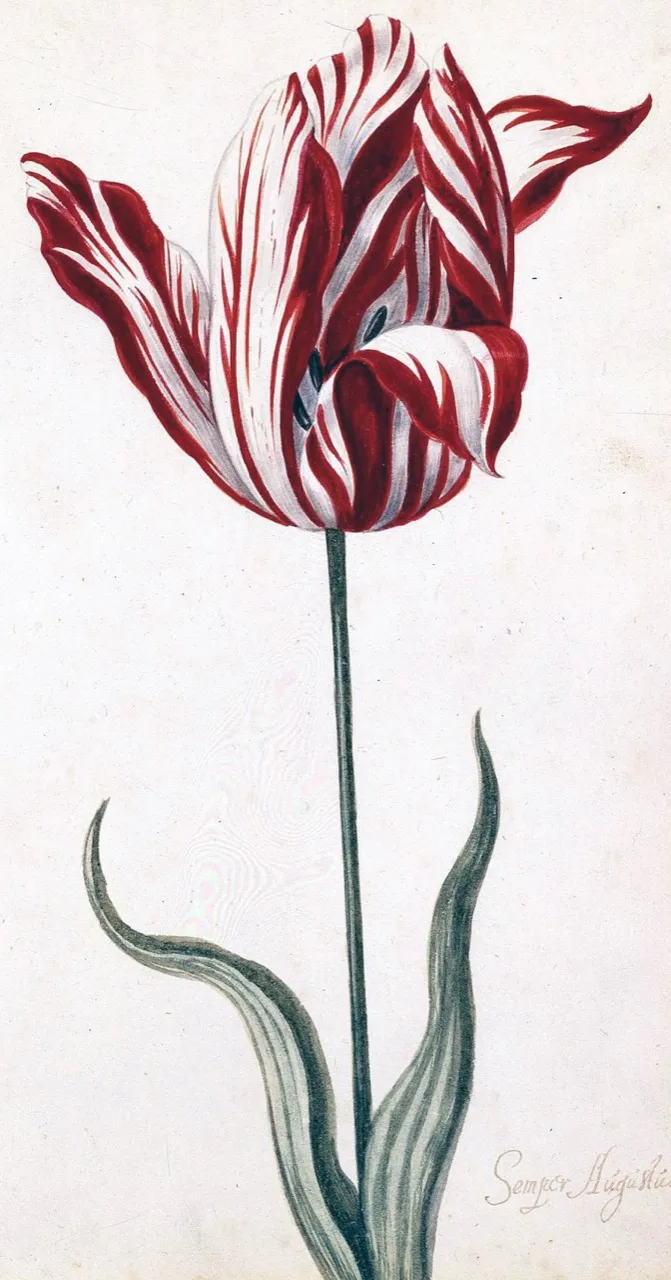
The golden age of the tulip
Tulip mania left behind not only a cautionary tale but also a huge body of art. Dutch painters made lavish flower still lifes in which flowers stood side by side that in reality never bloomed at the same time; it was a fantasy of a perfect garden. “Tulip books” appeared, catalogues with watercolours of varieties from which buyers chose bulbs. Today such albums are kept in museums and look like works of art. The parallel with our time is obvious: we too choose plants from photographs, and rare varieties are discussed in communities as avidly as the Dutch discussed their bulbs.
Plant Crazes
1630s: tulip mania in Holland
1840s–1890s: the Victorian fern craze
Nineteenth century: “orchidelirium” and the orchid hunters
2020s: a boom in houseplants and rare varieties
An Artist in the Jungle
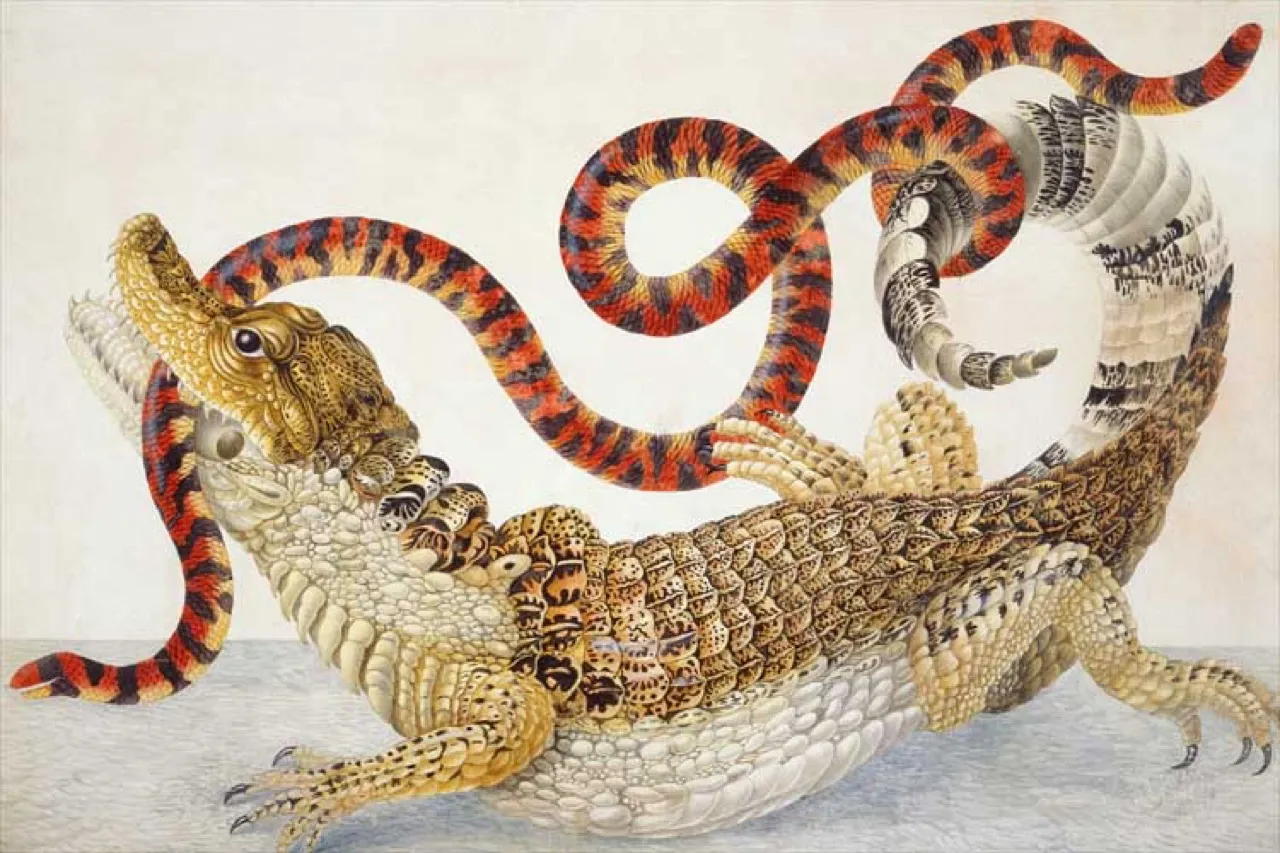
A chapter of its own in this history belongs to the women who studied and drew plants. Maria Sibylla Merian, an artist and naturalist born in Frankfurt in 1647, set off at fifty-two with her daughter for Suriname, a Dutch colony in South America. There she spent two years studying and drawing plants and insects, showing entire life cycles of butterflies on the plants they fed on. In 1705 her book on the metamorphoses of the insects of Suriname appeared, still considered a masterpiece of scientific illustration. Merian proved that science and beauty do not contradict each other, and her drawings now adorn museum collections around the world.
In the nineteenth century plants became part of Victorian domestic life. Around 1830 a London doctor, Nathaniel Ward, discovered that plants live perfectly well in a closed glass case, and so the “Wardian case” appeared, the ancestor of the modern terrarium. It made it possible to carry living plants across oceans and started a fashion for glass mini-gardens in drawing rooms. Britain was seized by “pteridomania,” a passion for ferns: they were gathered in woods, grown at home and depicted on china and fabrics. At the same time wealthy collectors paid huge sums for rare orchids, and plant hunters risked their lives on expeditions. Botanical gardens built giant glasshouses of glass and cast iron.
Every plant craze is an attempt to buy a piece of the nature that is disappearing from our lives.
Why We Are Buying Up Plants Again
Psychologists explain the modern houseplant boom by urban life: people spend their days indoors and in front of screens, and a living plant becomes a way to bring back nature and the care of something. The pandemic strengthened the trend: sitting at home, millions of people started their own “jungles.” There is also a dark side: demand for rare plants leads to their poaching from the wild, just as in the age of the fern craze, when some species almost vanished from British woods. History repeats itself, and that is a good reason to choose plants grown in nurseries rather than torn from the forest.


Botany in the archives
Plants have always been more than plants. The tulip was an investment, the fern a hobby and a symbol of Victorian curiosity, the orchid a trophy and a sign of wealth. Today a monstera on the windowsill is both decor and care, and a small protest against digital life. Botanical illustrations in museum archives are a wonderfully beautiful way to see how our relationship with nature has changed. The next time you choose a plant for your home, remember the Dutch of 1637: admiring beauty is lovely, the main thing is to remember that it is alive.