A Shop Window on the Whole World
After Expo 2025 in Osaka, world’s fairs are back in the spotlight. How pavilions of glass and steel, temporary towers and “cities of the future” have been changing our tastes for a hundred and seventy years.
In 2025 Osaka held a world’s fair whose main symbol was architect Sou Fujimoto’s giant wooden ring, one of the largest wooden structures in the world. For many this came as a discovery: it turns out that world’s fairs still exist. Yet once they were the great events of the age, the place where humanity showed itself the future. Here people first saw the telephone, bottled ketchup, the escalator and the Ferris wheel. Here were born architectural symbols that were meant to stand for a few months and are standing still. The history of the fairs is the story of how a dream of the future shapes our tastes in the present.
1851. The Glass Palace
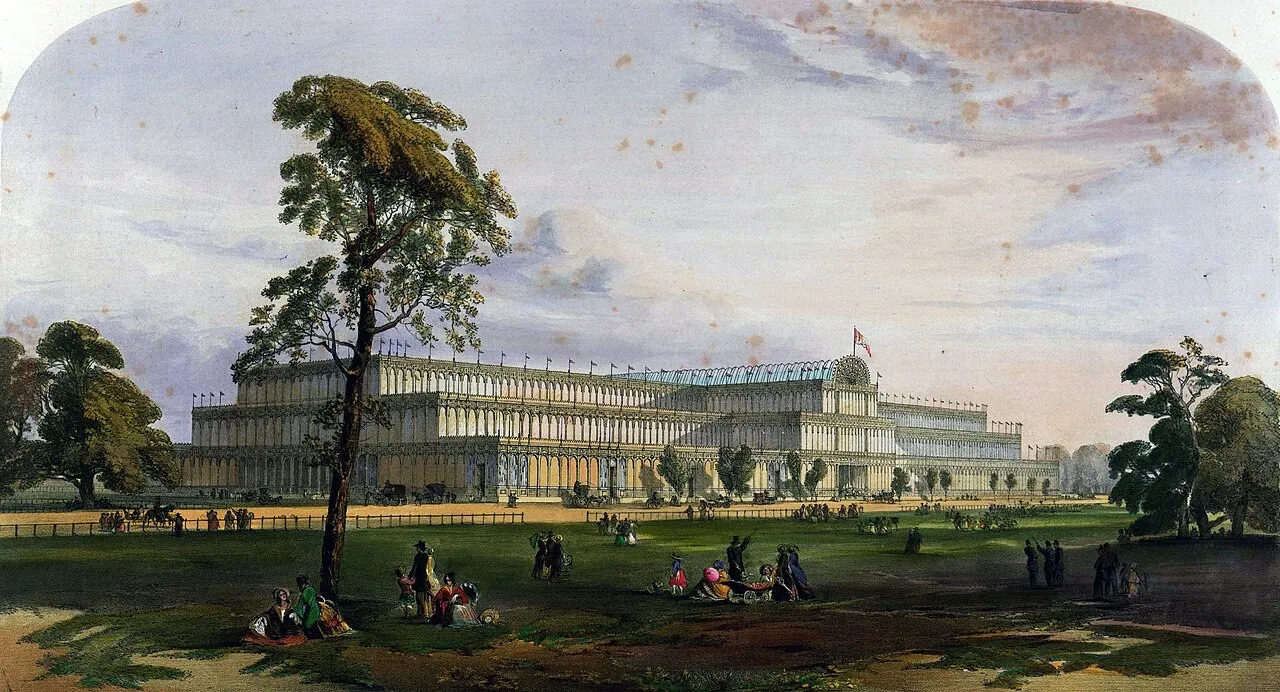
It all began in London in 1851. The Great Exhibition of the Works of Industry of All Nations was held in Hyde Park, in a building designed by the gardener and engineer Joseph Paxton. He took his inspiration from greenhouses and built an enormous conservatory of cast iron and glass. Satirists called it the Crystal Palace, and the name stuck. Prefabricated parts made it possible to raise the building in a matter of months. About six million people visited the exhibition, an enormous figure for the time. People came from all over Britain on special trains, and for many it was their first journey to the capital. Mass tourism was born, and with it a fashion for glass and metal.
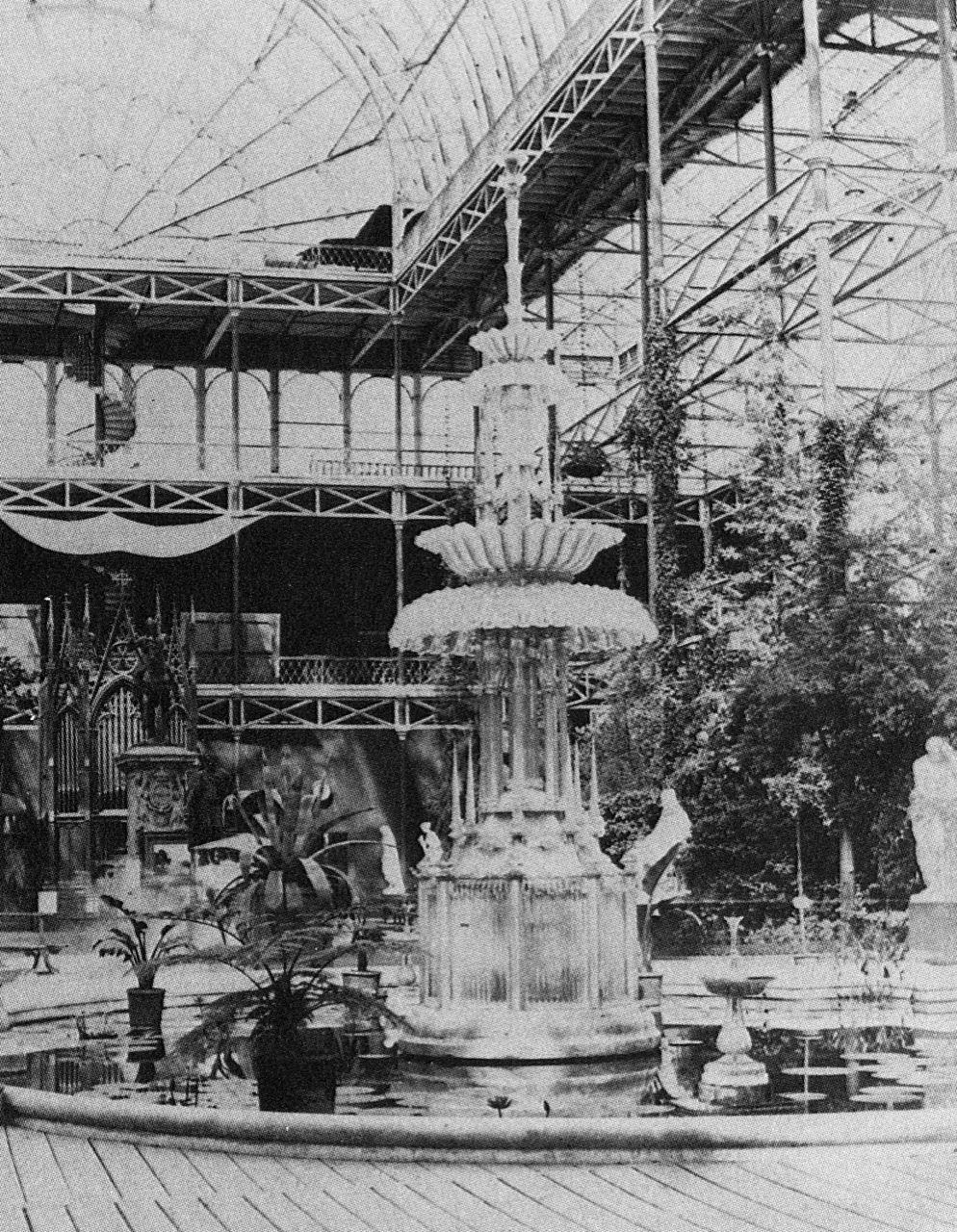
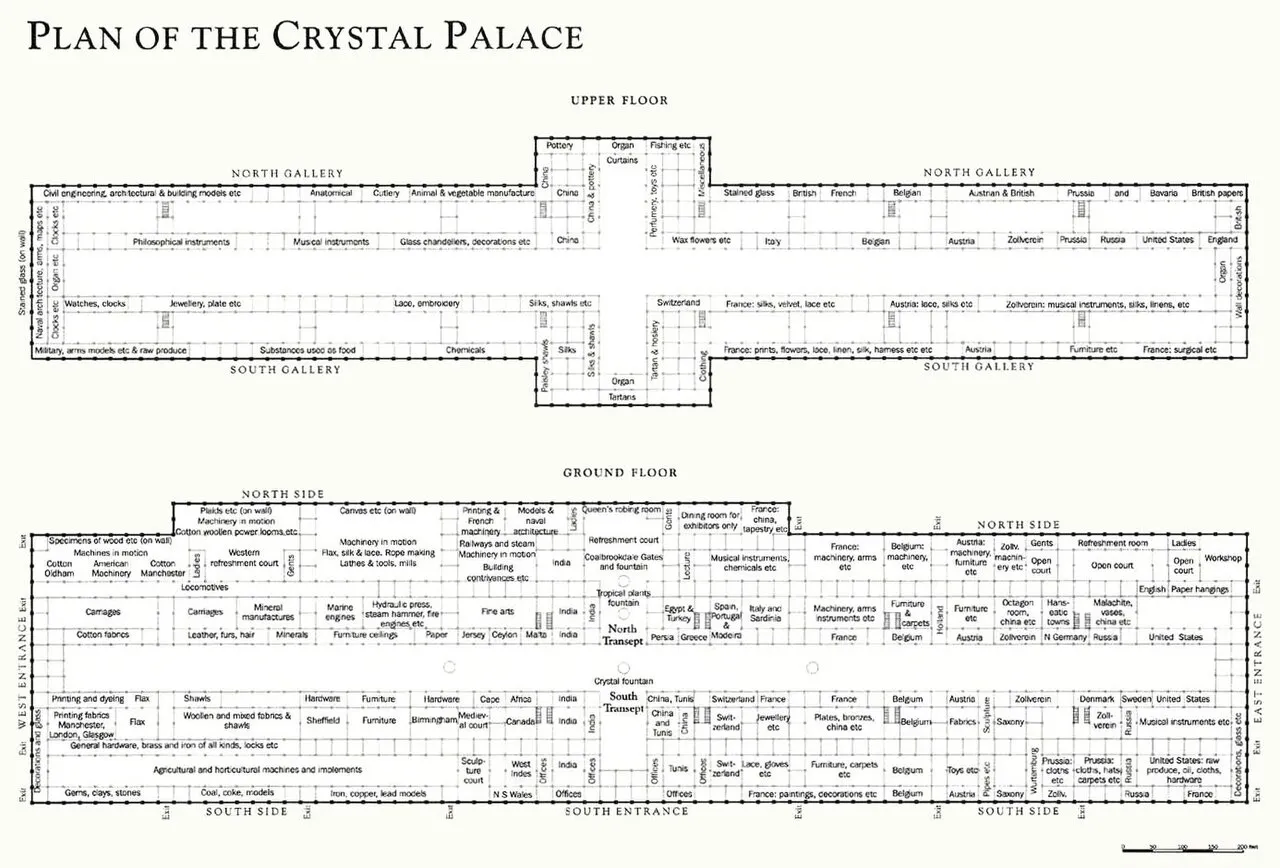
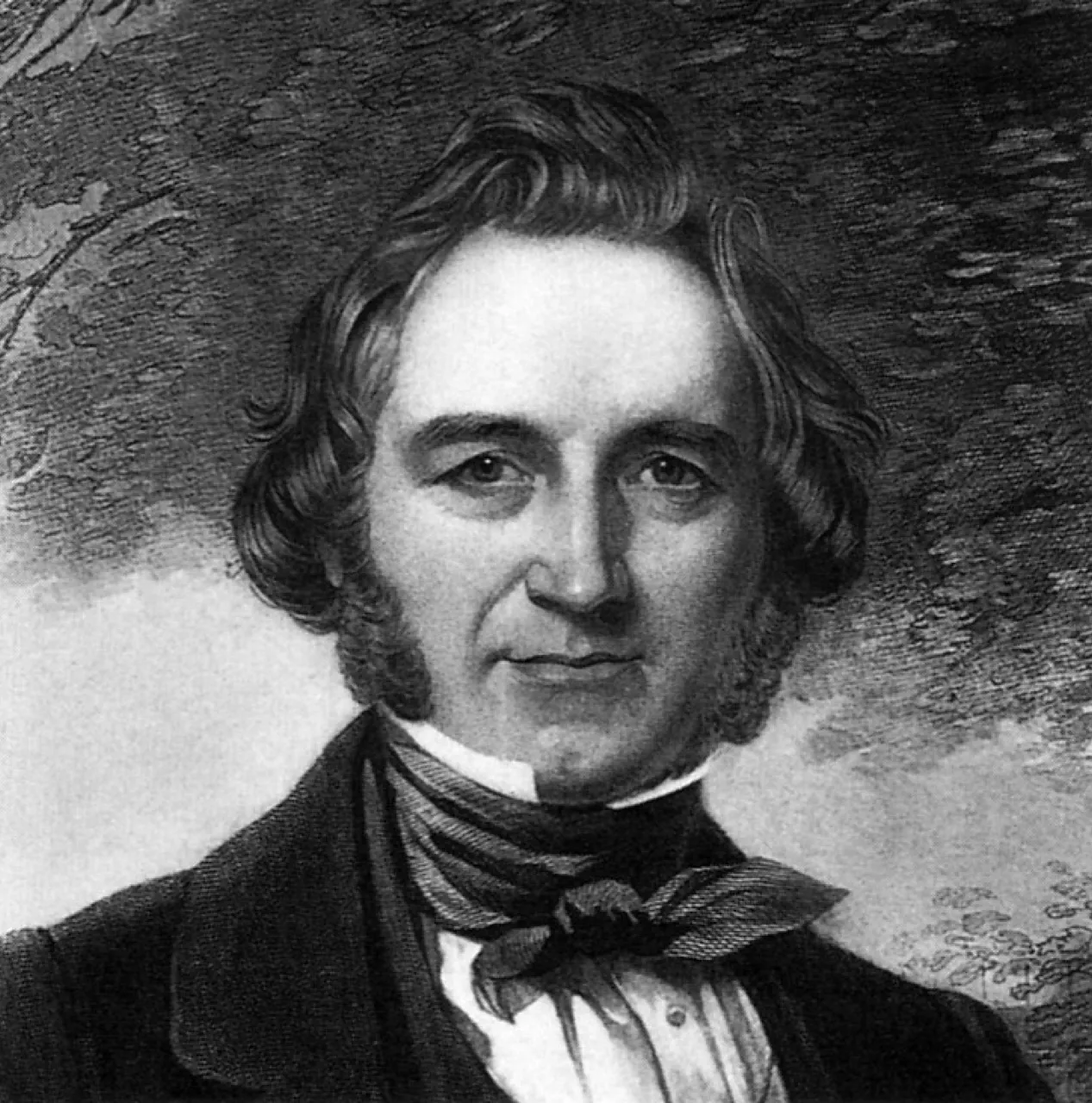
The Great Exhibition
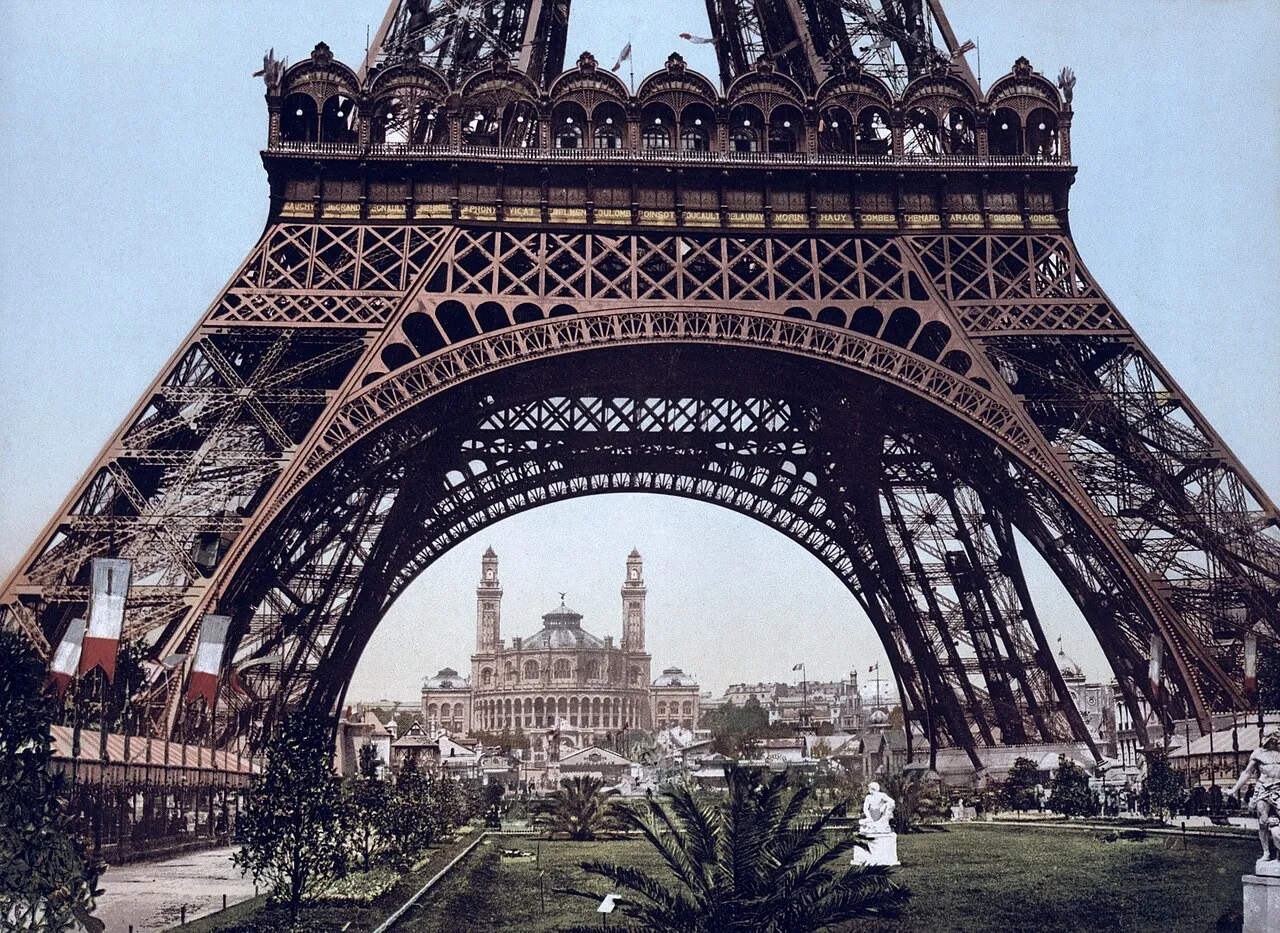
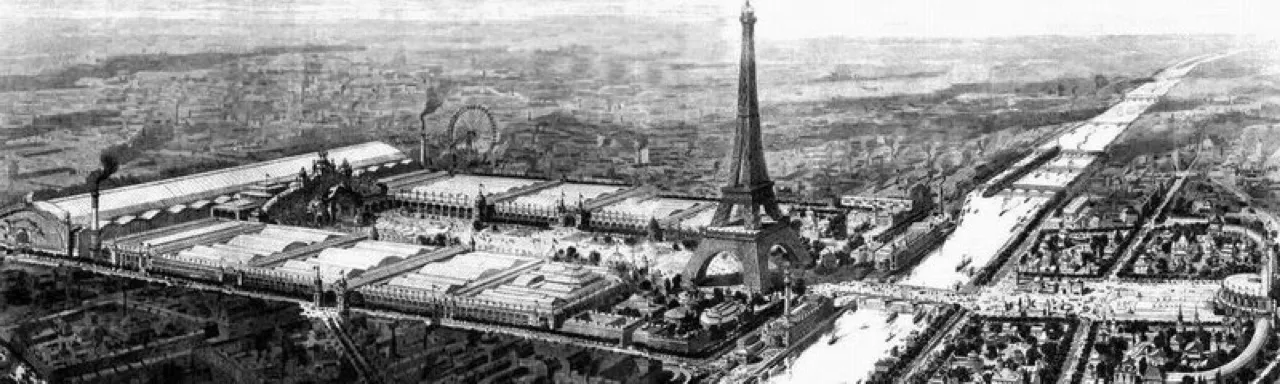
The fairs quickly became a competition between nations. Paris, Vienna, Philadelphia and Chicago vied for the boldest pavilions and inventions. At the 1889 World’s Fair in Paris the main exhibit was Gustave Eiffel’s metal tower. Artists and writers signed petitions against the “useless and monstrous” structure, and the tower itself was due to be dismantled after twenty years. Radio saved it: the tower turned out to be a perfect antenna. Chicago in 1893 replied with engineer George Ferris’s first giant observation wheel. Since then the fairs have more than once left cities symbols that were conceived as temporary.
Fairs That Left Their Mark
1851, London: Paxton’s Crystal Palace
1889, Paris: the Eiffel Tower
1893, Chicago: Ferris’s first observation wheel
1900, Paris: the Grand Palais and Petit Palais, the first metro line
2025, Osaka: Sou Fujimoto’s wooden Grand Ring
Fashion at the Fair
The fairs were also the main fashion shows of their day. At the 1900 World’s Fair in Paris there was a fashion pavilion, where famous couture houses showed outfits on mannequins in scenes from life: a tea party, a ball, a promenade. Visitors had never seen so much luxury in one place. For provincial dressmakers and foreign buyers it was a fair of ideas: they sketched silhouettes and took them home. The fairs made “Parisian chic” an international brand and at the same time spurred a fashion for the exotic: pavilions of distant countries inspired textile designers, jewellers and decorators.
In the twentieth century the fairs became a showcase of the future. At the 1939 New York World’s Fair, held under the slogan “The World of Tomorrow,” the Futurama exhibit showed a city of the future with motorways and skyscrapers, and much of it was indeed built in the following decades. At Expo 67 in Montreal, Buckminster Fuller built an enormous geodesic dome and the architect Moshe Safdie built the housing complex Habitat 67 out of stacked blocks. Architects still quote these images. The fairs taught people to dream on a grand scale.
A world’s fair is a place where the future becomes the present for a few months, and then stays in our imagination for ever.
Do We Need Fairs in the Age of the Internet
Today we see any invention in the news before it can be put on show in a pavilion. That is why the fairs have changed: they no longer show the first telephones but speak about big ideas: ecology, shared resources, technology for life. Osaka bet on wood and sustainable architecture, and that in itself became a statement. But the main function of the fairs has not gone away: to gather the world in one place and give people a live impression that a screen cannot replace. It is no accident that the fairs still draw millions of visitors.
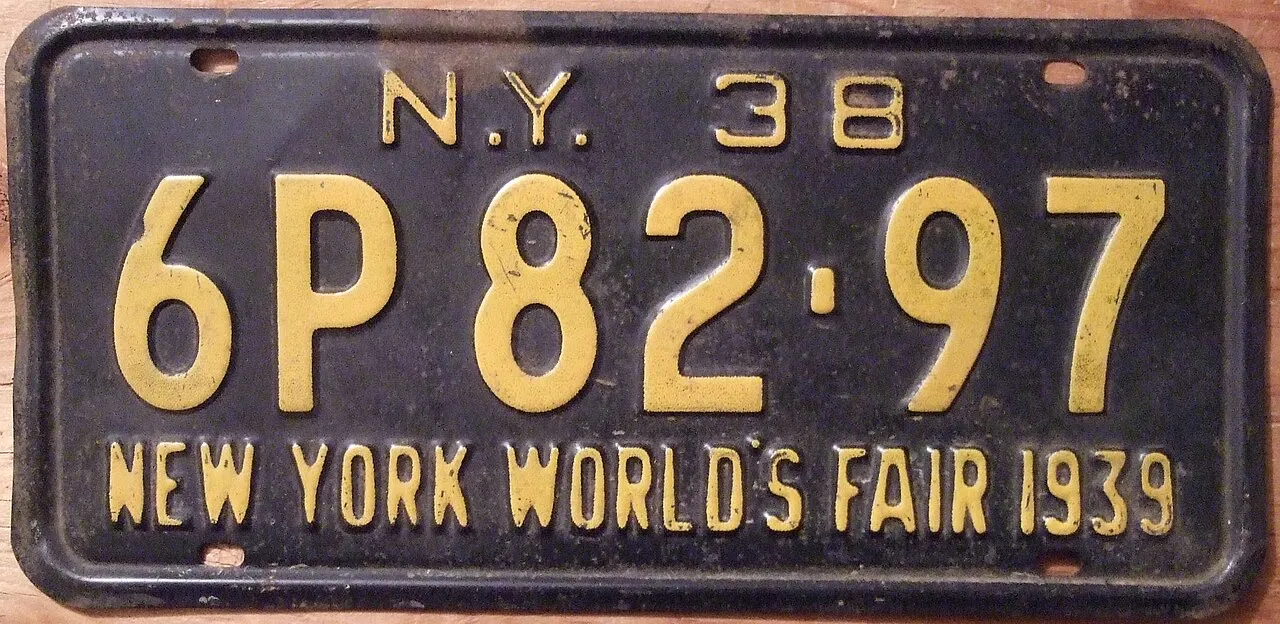
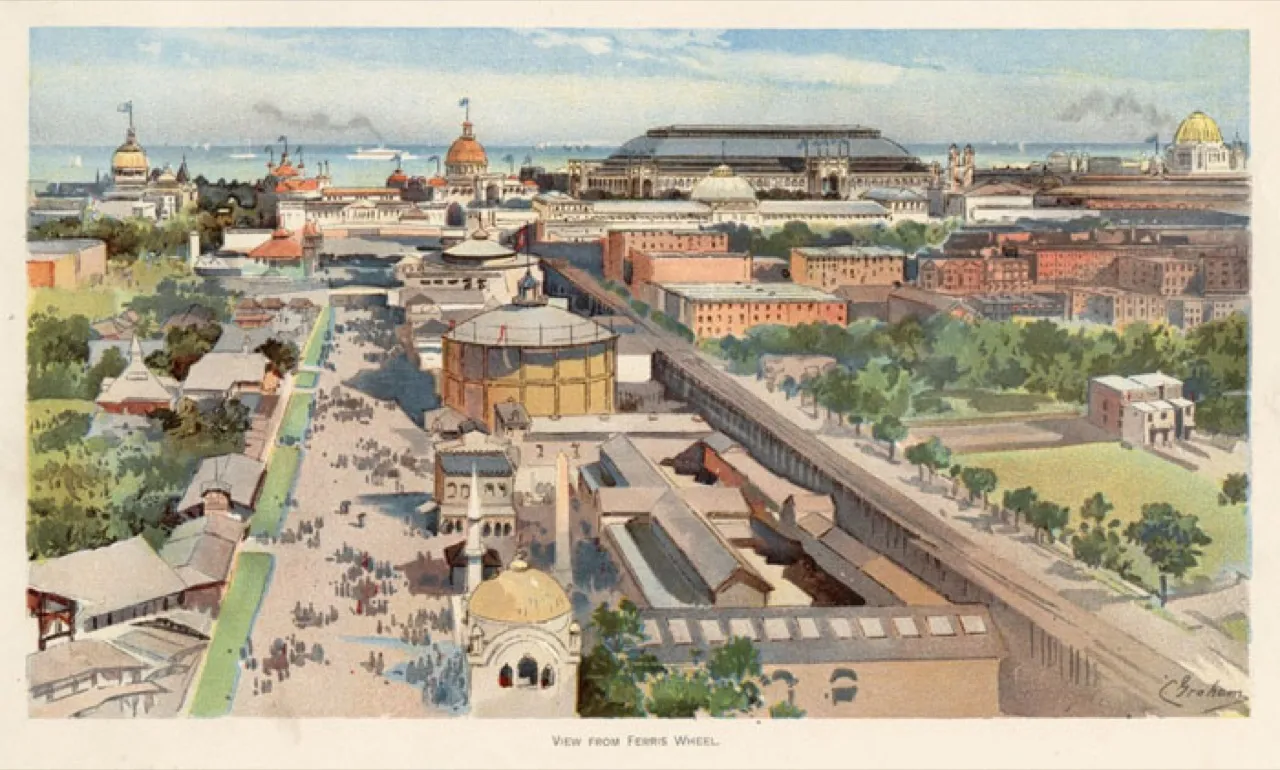
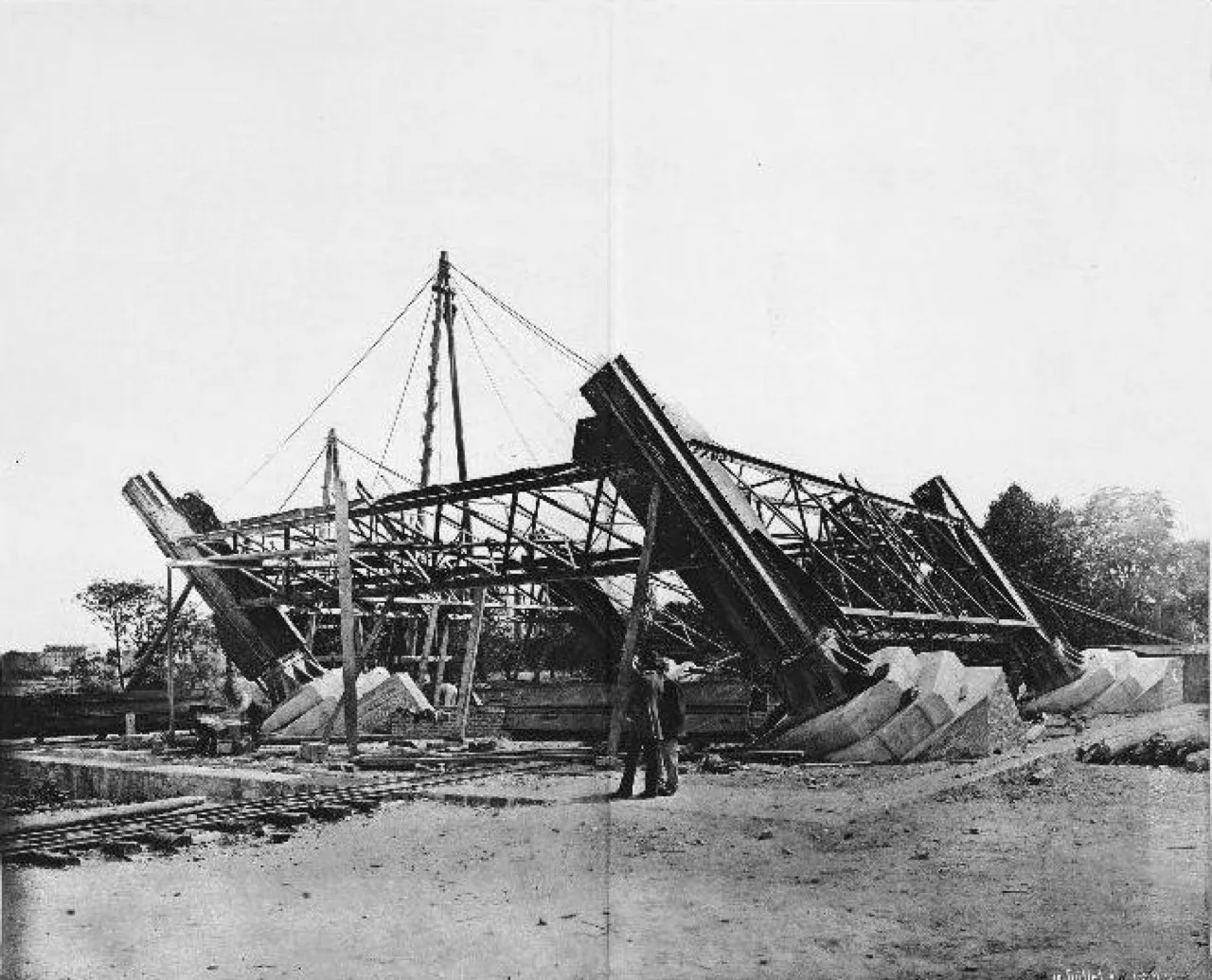
Fairs of the twentieth century
If you look at the map of any big city, you will certainly find traces of fairs: towers, palaces, parks, bridges, even metro lines. They were built as temporary and became part of everyday life. That is the main magic of the world’s fairs: they let the world pretend for a while that the future has already arrived, and sometimes that future really does arrive. The wooden ring in Osaka may also one day be remembered as a symbol of the age when humanity decided that the future should be not only fast but also gentle.